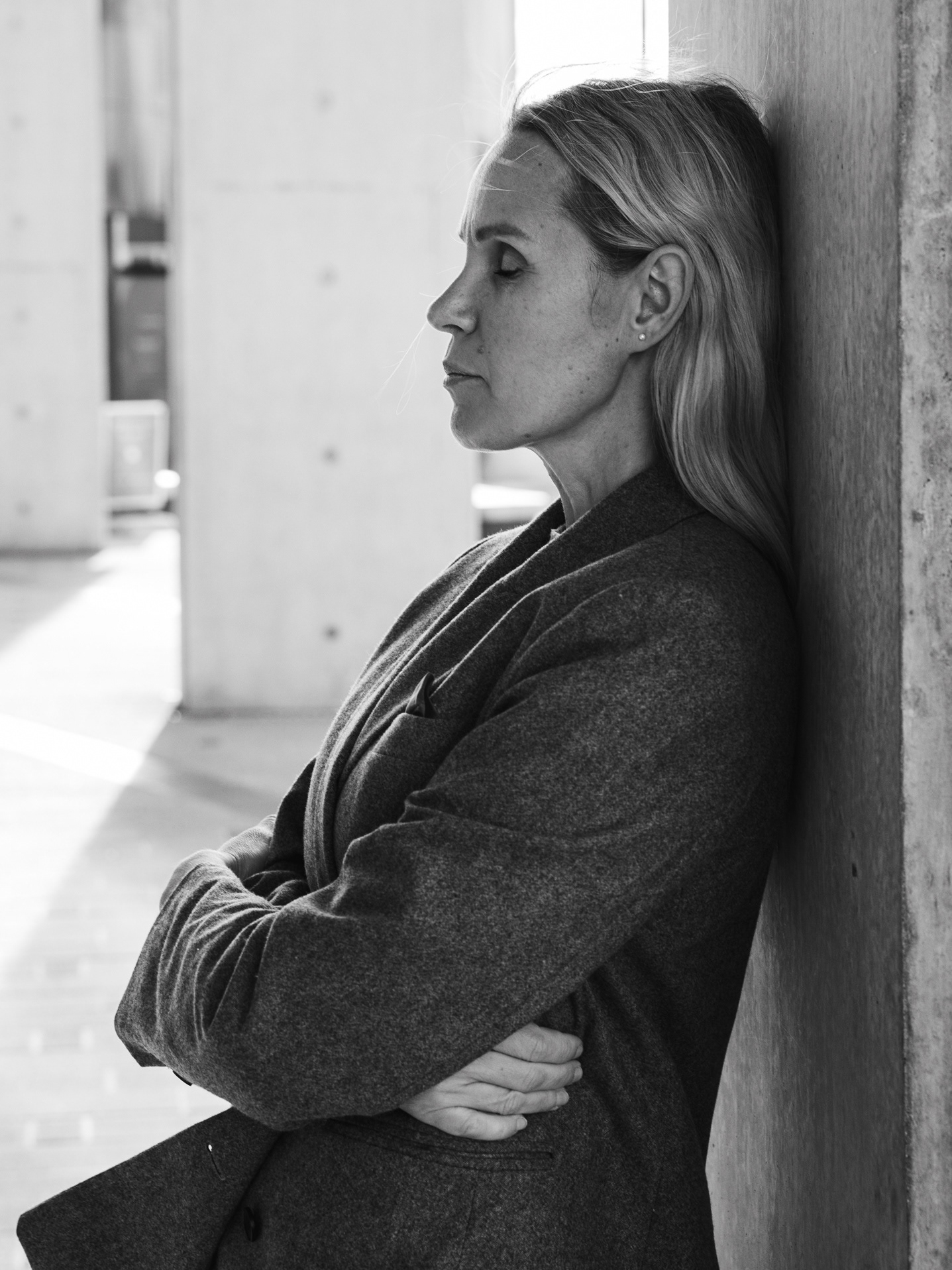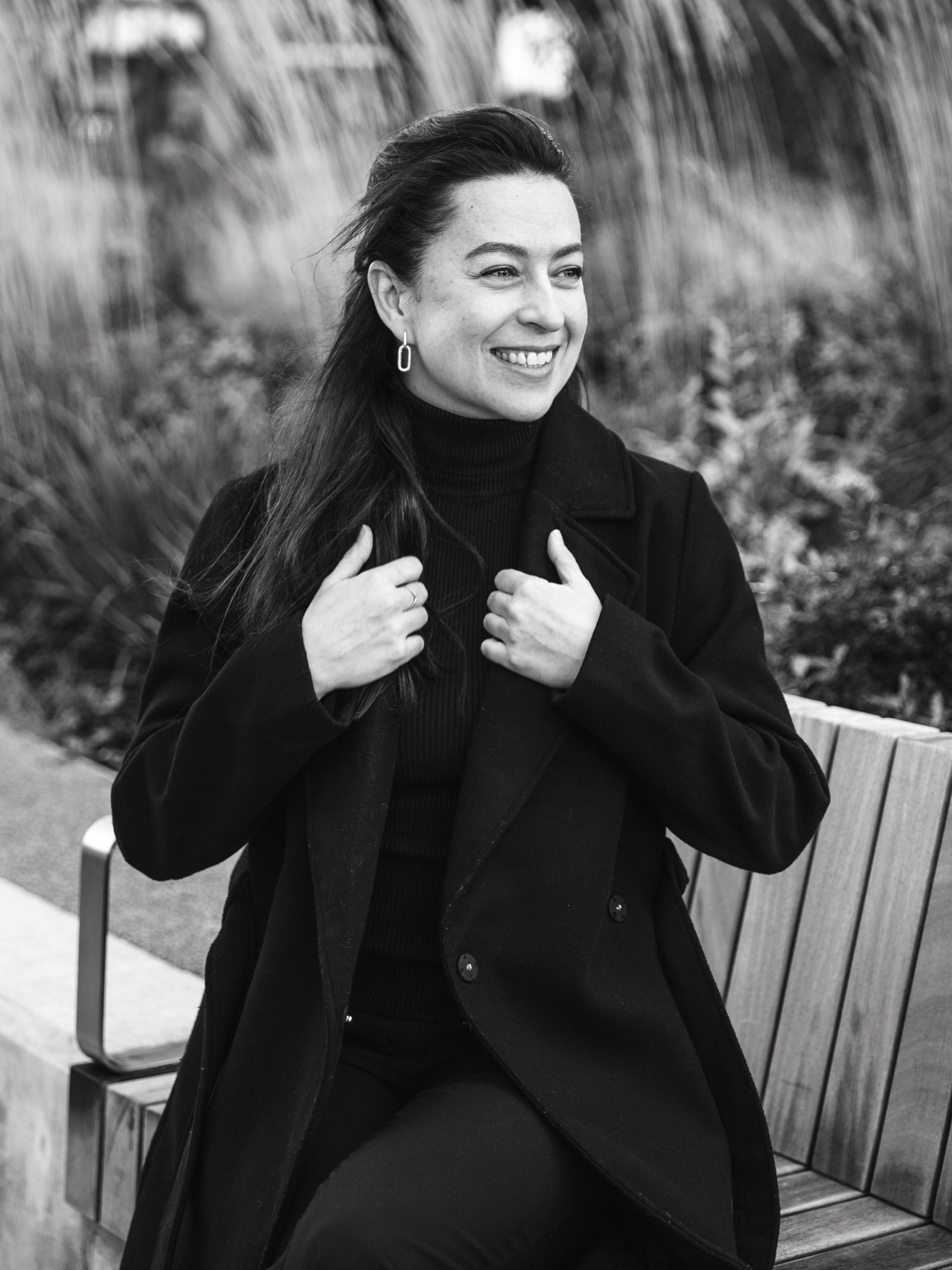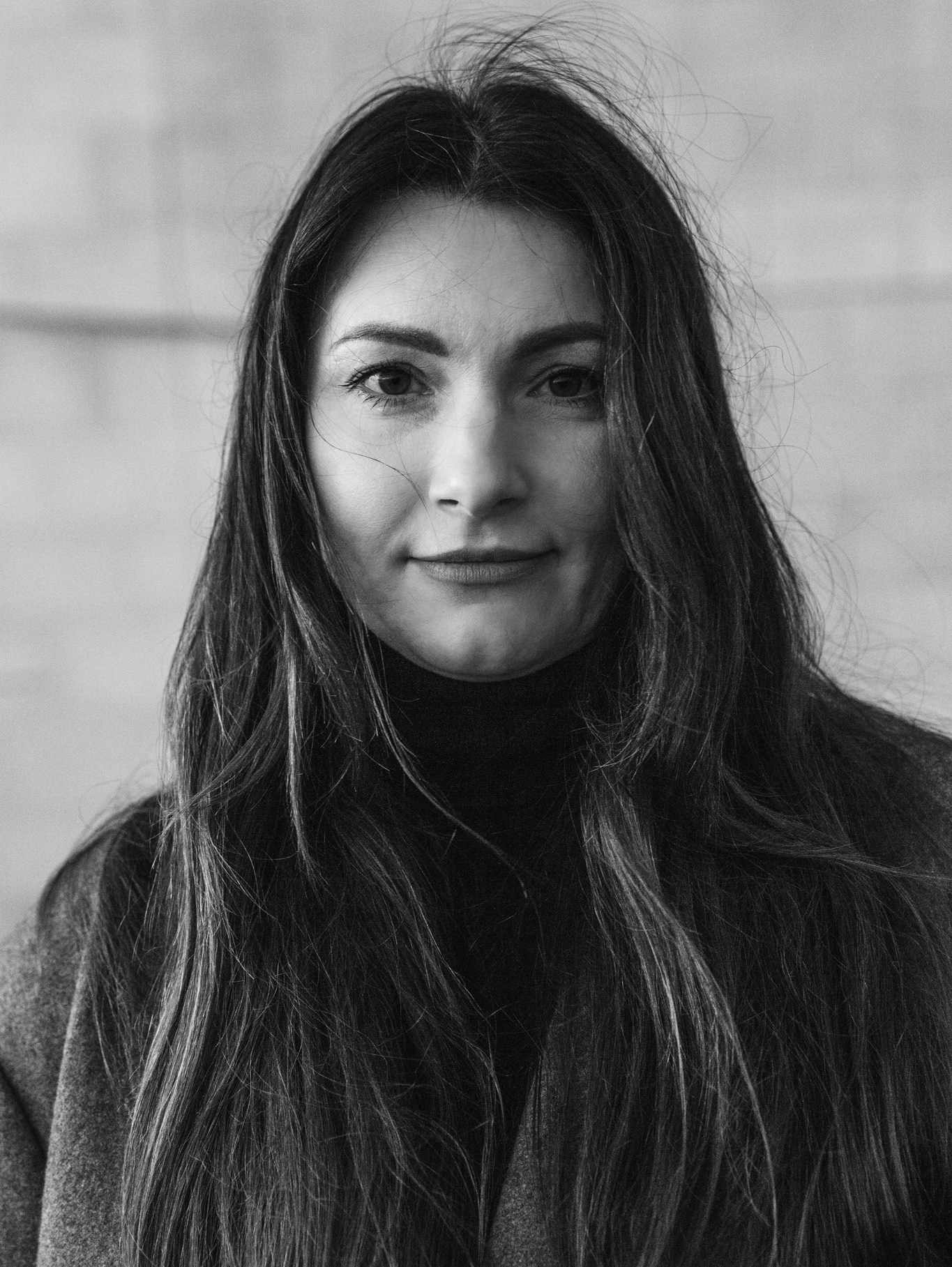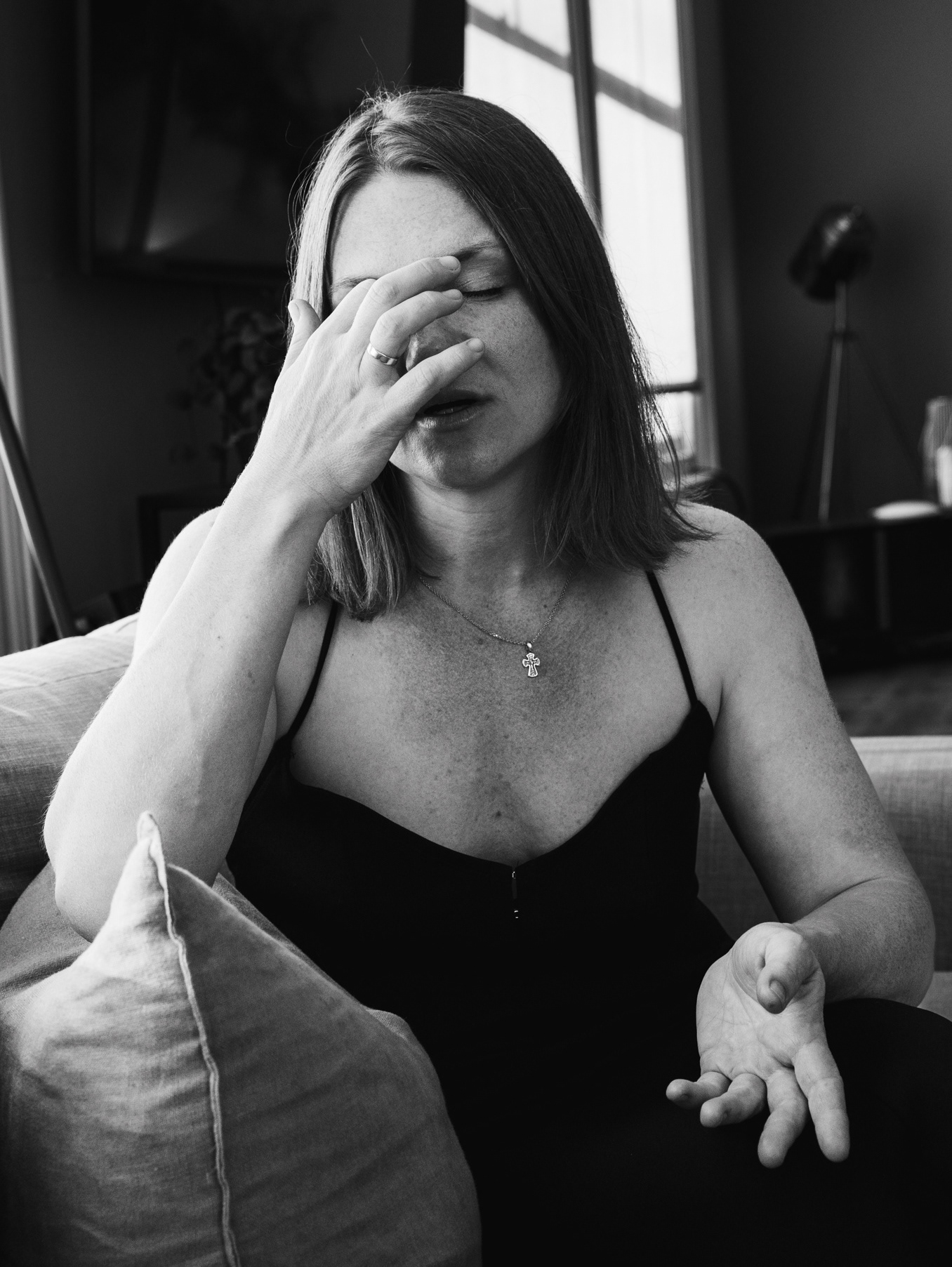
A Horizon Ablaze
February 2022 began for Nataliia Zinets in Brovary. The life of a successful woman, wife, and mother of two was built around clear values: home, career, and plans for the future. However, the panoramic windows of her flat, which overlooked the whole of Kyiv, suddenly became a screen broadcasting war.
"We were at home in Brovary. We saw the first explosions right from the window when the shelling of military units began. From our windows, you can see all of Kyiv, the entire horizon. Naturally, the first reaction was shock and immense worry for the children. But somehow, I managed to pull myself together immediately," Nataliia recalls.
The decision to leave wasn't the result of long deliberation—it was a protective instinct. Within the first few hours, the family set off for the Cherkasy region in central Ukraine to stay with her husband’s parents. There, in relative safety, came the realisation: this war was not a matter of days or weeks.
"We stayed there until March. It was a spontaneous decision, but the children’s safety became the priority. When we began to realise that this wouldn't end in minutes or hours, that it could be quite long-term, we made the decision to move further away."
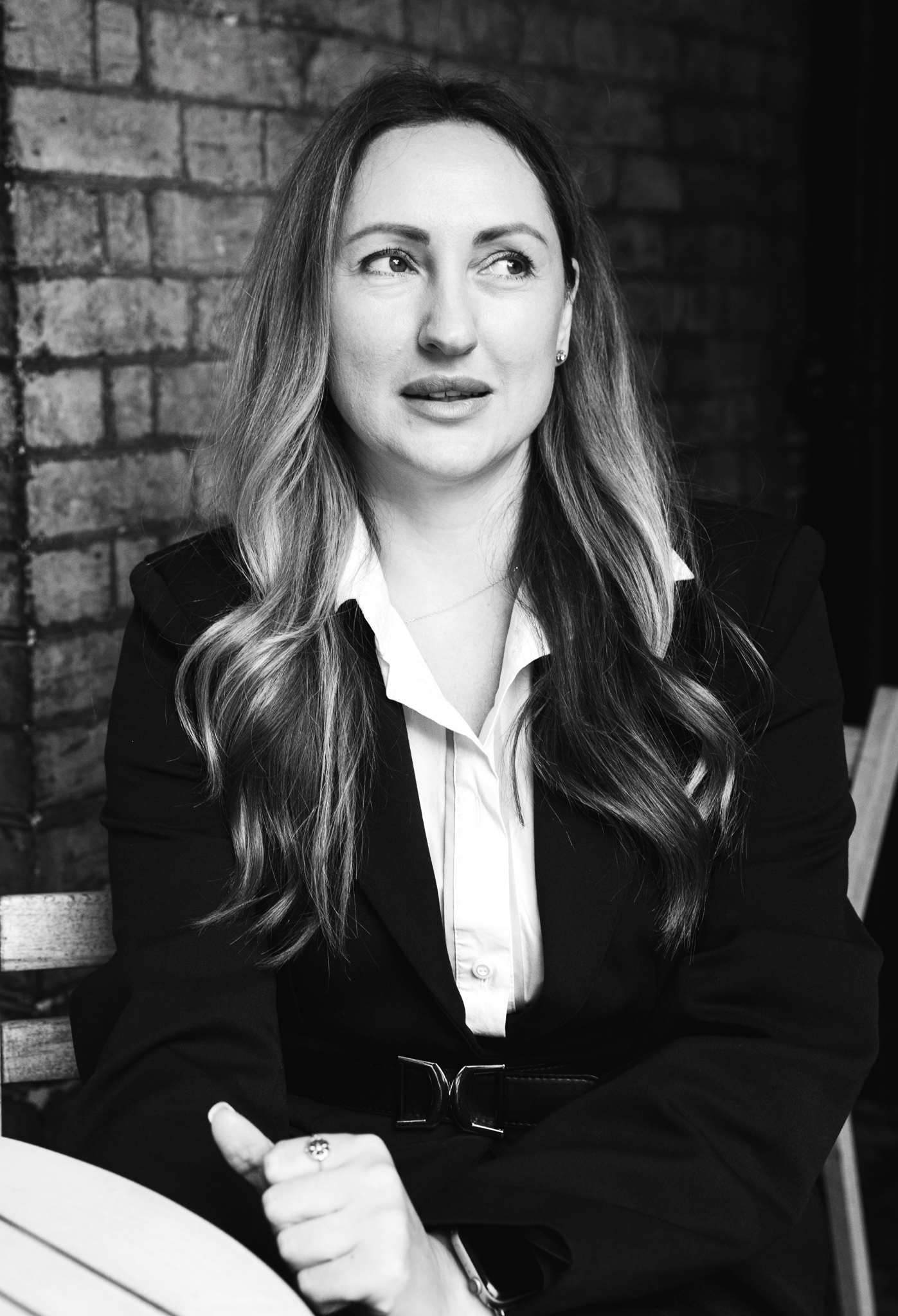
Cambridge as an Anchor
The choice of country was both pragmatic and intuitive. Having visited Britain for work on a couple of occasions earlier, Nataliia knew that the language barrier for her children could be the main obstacle to schooling and adaptation in European countries; therefore, an English-speaking environment was critical. She waited for the British government to announce the terms for Ukrainians to come to the UK and started searching for a hosting family.
"I don’t know, perhaps it was some kind of divine providence, or perhaps a reward for all the good deeds I’ve done in my life. I am convinced that every person we meet on our path is there for a reason. For me, meeting our hosting family was both a lesson and a reward. I was specifically looking for Oxford or Cambridge. When I found this family, I realised: Multinational Cambridge where many cultures live peacefully together is a place to be."
Nataliia recalls how clearly she set her criteria: walking distance to school, a professional hosting environment (she is a teacher, he is an engineer), a private house, and proximity to technology hubs and international organisations for potential employment. At the time, her children were 4 and 9 years old. Psychologically, it was incredibly difficult to come to terms with the status of a "single mother with two children and two suitcases in an unknown country.”
"Finding sponsors wasn't the problem; the problem was the psychological adjustment. You are alone, a woman, heading into the unknown. But Erica and Kelvin... they became more than just hosts to us. Later, I’ve noticed that the Cambridgeshire countryside is all about blue skies, fields and meadows, crops and sunflowers and this always reminds me about my native Ukraine with the similar scenery.”
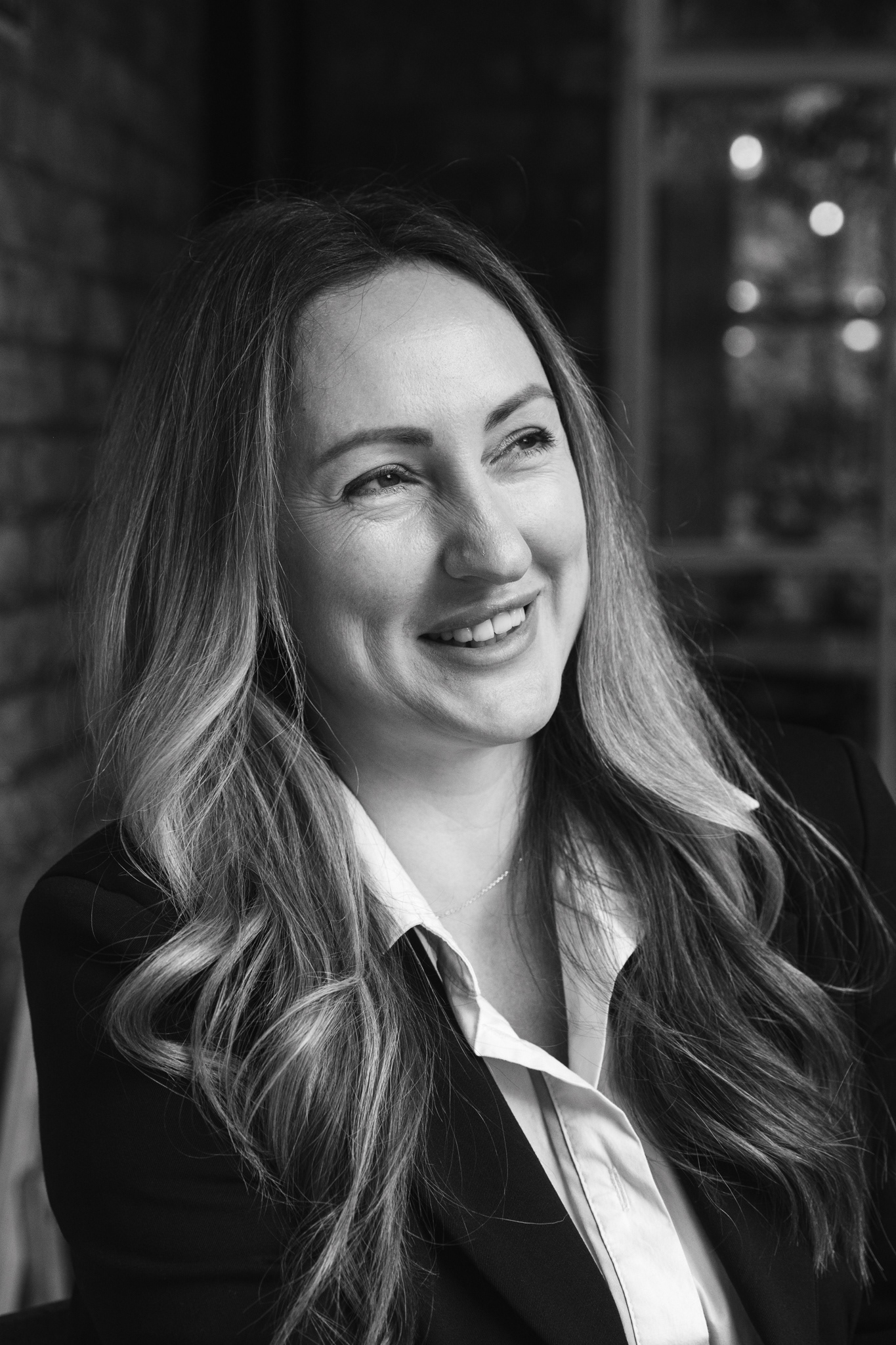
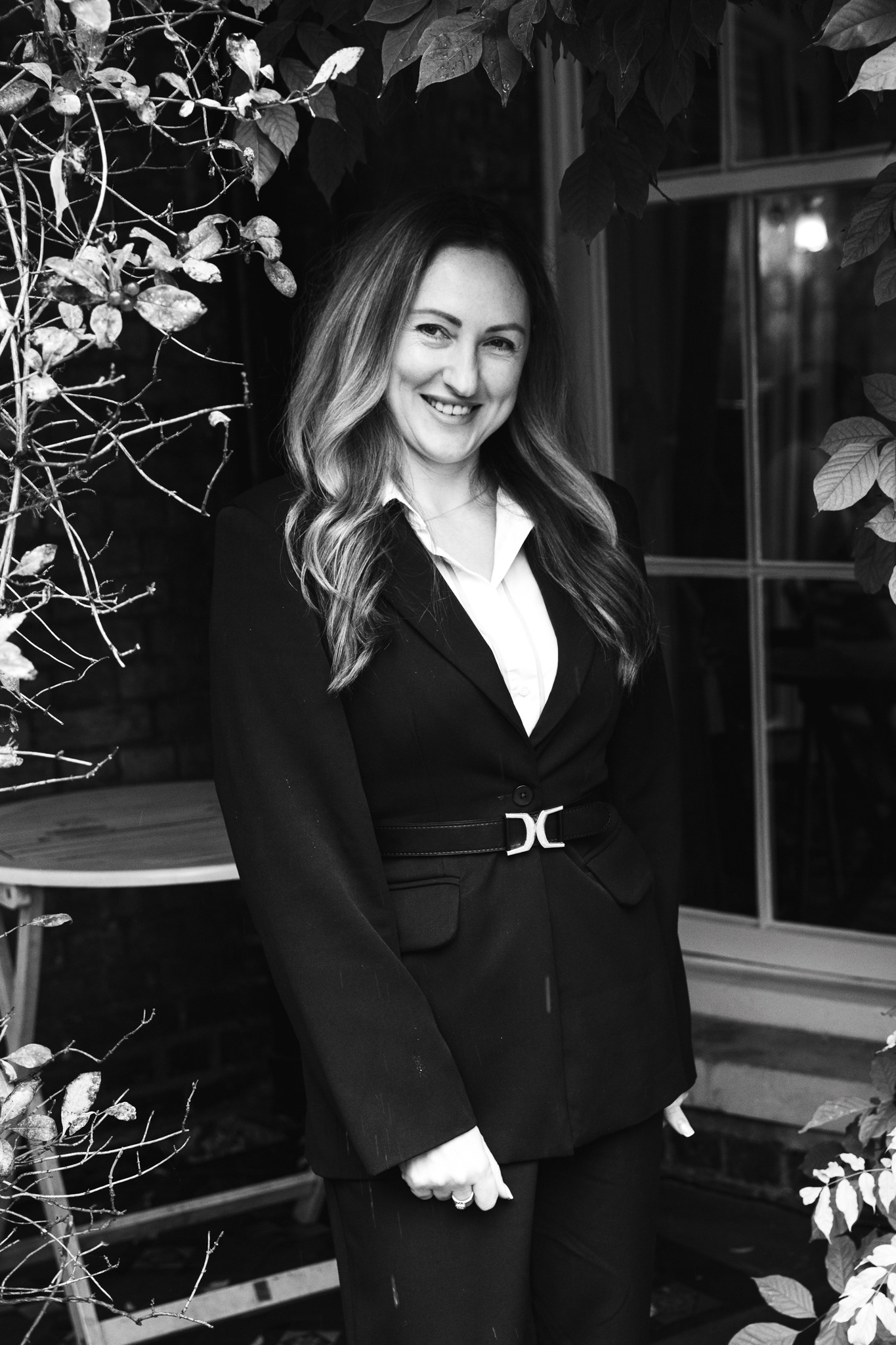
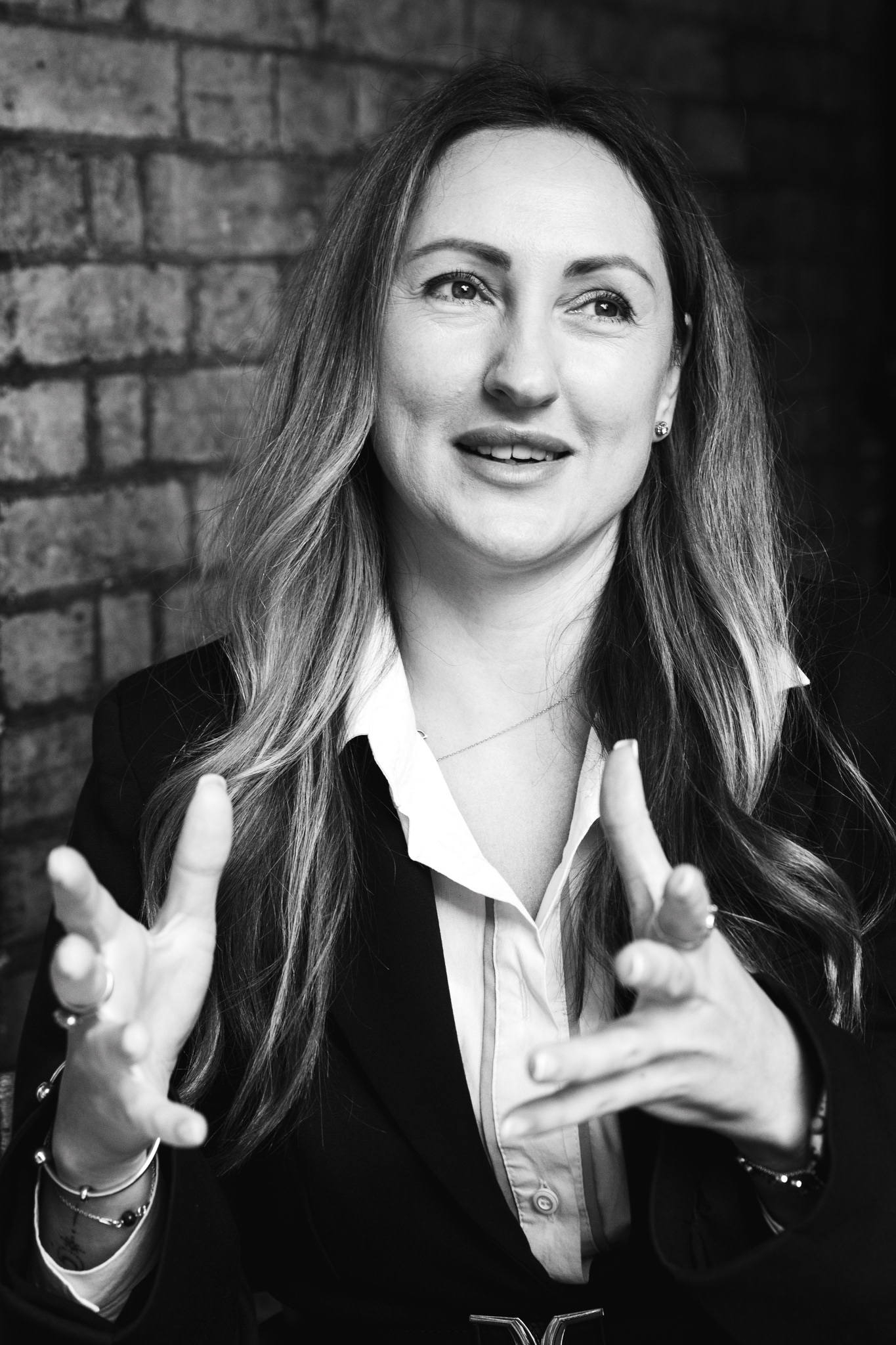
The Relay of Humanity
The story of Nataliia’s hosting family turned out to be a mirror image of her own fate, but with a gap of 80 years. Erica’s mother, Ruth, was a Jewish girl from Austria who fled the Nazis during the Second World War.
"They crossed from Hook of Holland to Britain by boat. At night, a little girl with her mother. Britain welcomed them in. Now Ruth is a well-known artist; books are written about her. When I asked Erica, 'Why do you host us, a Ukrainian mother with two children?', she replied: "Britain once hosted us. We are simply paying back this credit to the universe 80 years later.”
This support helped Nataliia not just to survive, but to transform. Evenings spent together, cooking borscht and varenyky, meetings with Nataliia's Ukrainian parents when they came to visit on the invitation from another amazing family of Emma, Rob and their children — all this created a new, multicultural family.
"We became close people with whom I share my most private thoughts. I have no relatives here, only my children. But I gained new friends who let us not just into their homes, but into their hearts."
Professional Dignity
With 16 years of experience in project management in Ukraine, Nataliia had no intention of changing her profession. In September 2022, when her younger son started reception year, she submitted her CV to the University of Cambridge.
"I applied for a Junior Project Manager vacancy, even though my experience allowed me to aim for Senior or Programme Manager positions. I needed to understand first how things work here. During the interviews, I was struck by the attitude: no one asked how I would cope with full time work as a single mother. They only assessed my professional qualities. In Ukraine, during interviews, I was often asked: 'How do you plan to work with two children? Prove you are worth something.' here, only your expertise, experience, and cultural fit for the organisation matter."
Her career progression was rapid. Within five months, Nataliia was promoted to Senior Project Manager. Today, she works at Cambridge University Press & Assessment, managing complex large scale projects and financial transformations.
"My manager says: 'Nataliia, don’t lose your directness, we value that in you.' In a multicultural team, my ability to speak directly often helps resolve issues faster. For me, a small-town girl, it is a great honour to be part of the professional community of world-known University and, at the same time, a great responsibility, as I represent Ukraine. There are lot of opportunities here in the UK, but no one is going to give you everything you need - you have to build it yourself and us Ukrainians paid a big price for this as it wasn’t our choice to leave our native country, our families, relatives and friends and start building our lives from scratch.”
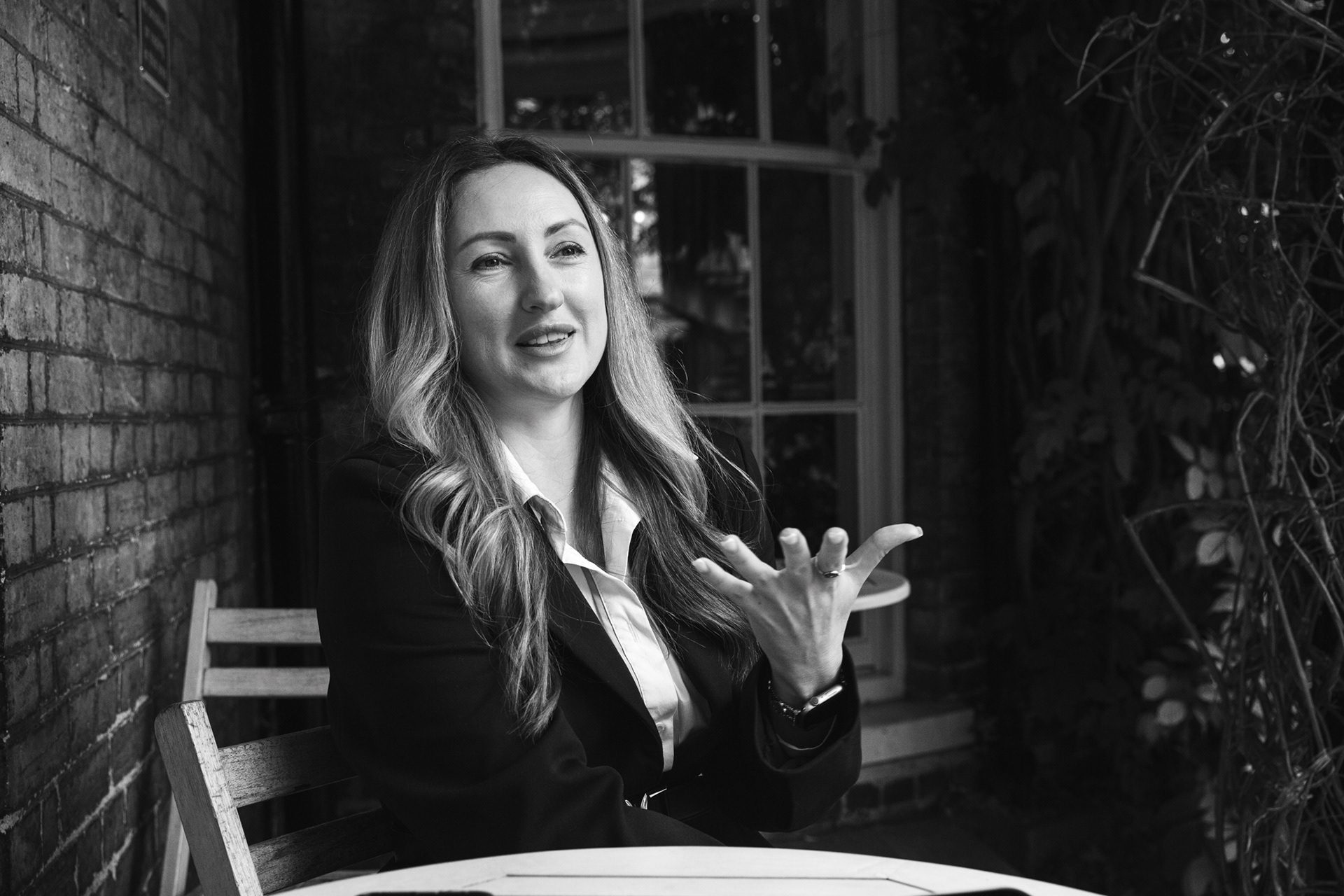
Fourth year in the UK became a year of opening new horizons & exploring new professional area - mentoring. Having been through the challenges and with many years of professional experience Nataliia felt like it’s time to share her knowledge and support young people on their journeys both professional and personal.
“I am volunteering as a mentor in the Young care leavers program, one of my mentee is Ukrainian, who was struggling to find a proper job due to his poor English and now he is taking a course in English and also participating in training to become a security specialist.”
Also Nataliia is mentoring junior project managers at Cambridge University, this became her another area of growth.
Becoming a student in your forties? Easy! It’s never too late to learn! Nataliia is currently half way through her apprenticeship course in Leadership and management alongside a full time job. It’s an equivalent of a foundation degree or first 2 years of a Bachelor degree, that blends academic study with workplace training.
“I often find myself thinking about how much I’ve grown as a specialist. When I hear that I’m 'the best of the best,' it’s not about pride; it’s the result of an evaluation of my work in the UK over the last four years and already nearly 20 years of experience in management. I am so grateful to my team at work supporting me along the way and helping me to develop and grow professionally. I will never stop saying “thank you” to this country and its people.”
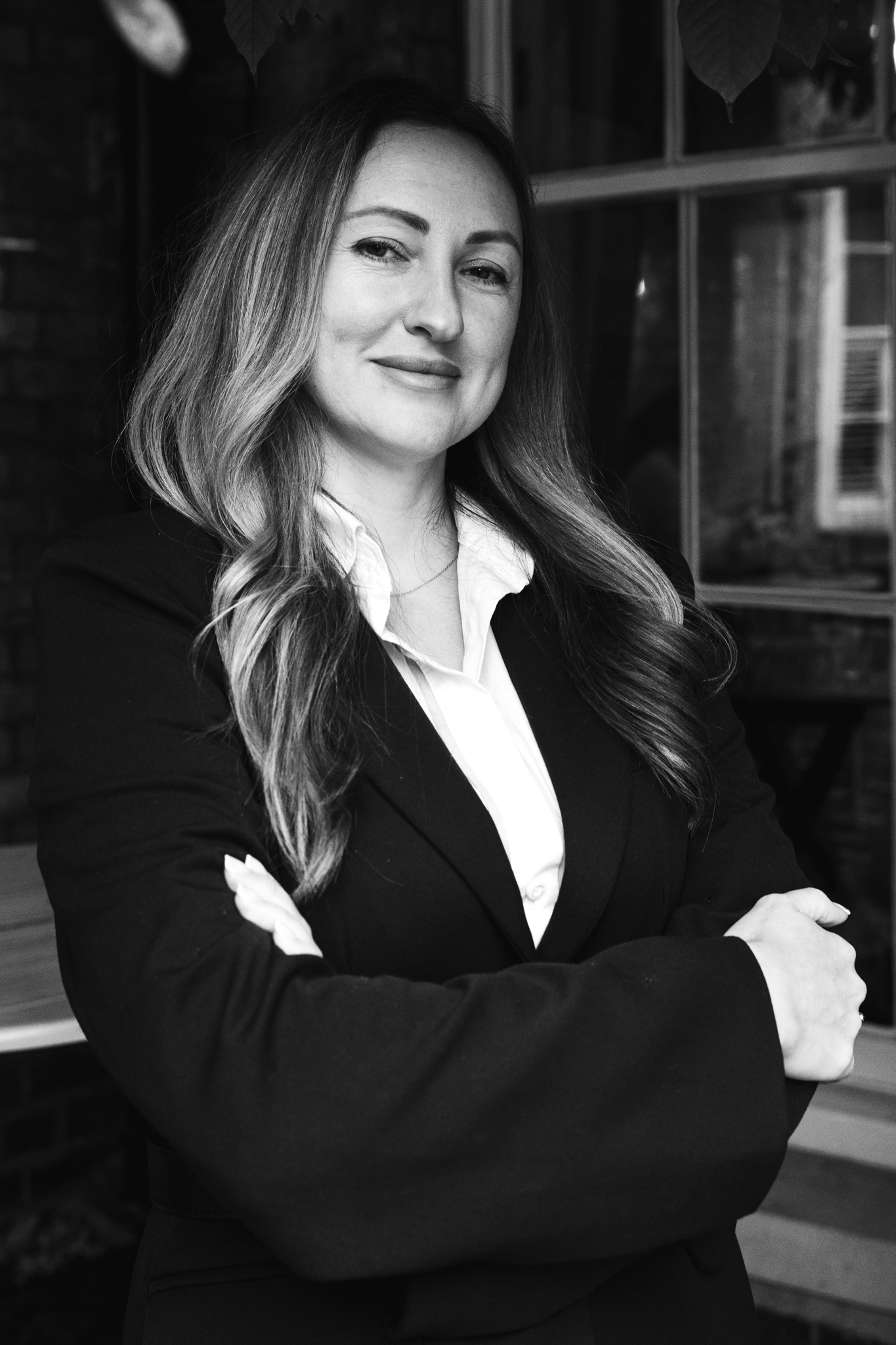
A Bridge Between Cambridge and Ukraine
Her third year in Britain has become a year of "paying back the debt" to her country through her professional activities. Nataliia started to take part in University’s partnership projects with Ukraine.
"In May 2025, I coordinated the visit of Minister of Education and Science Lisovyi to Cambridge, and a memorandum of cooperation was signed. Currently, I am involved in several streams of collaboration with Ukraine. One project is a residential module in Cambridge as part of the School Leadership Program, in partnership with Osvitoria. In November 2025, in partnership with Cambridge University Ukrainian Society, we organised a screening in Cambridge of a Ukrainian documentary about schooling during the war. Together with Ukrainian leaders in education and the Ministry, we are developing joint projects to reform English language teaching and assessment, and we are also working on 'education in emergency' initiatives. I want to show that not only can Britain give something to Ukraine, but Ukraine also has something to say to the world about how to survive and continue teaching children in war and conflict conditions."
Nataliia consciously switched to a Skilled Worker Visa, choosing a path of independence from temporary protection schemes. This required significant financial resources but provided the most important thing: a sense of stability.
"I wanted certainty. My eldest daughter and, eventually, my younger son will be able to study here as residents rather than international students. I don't want my children to go through my difficult path with visas and uncertainty. That was my motivation. You spend so much energy on adaptation, but you receive so much more when your children hug you and say, 'Thank you, Mum.' Me and my kids are a team, it’s not only me raising them, they are raising me as well, motivating me with their successes and achievements. We have made a decision: our life is here now, we are building our present and looking to the future without waiting for the war to end."
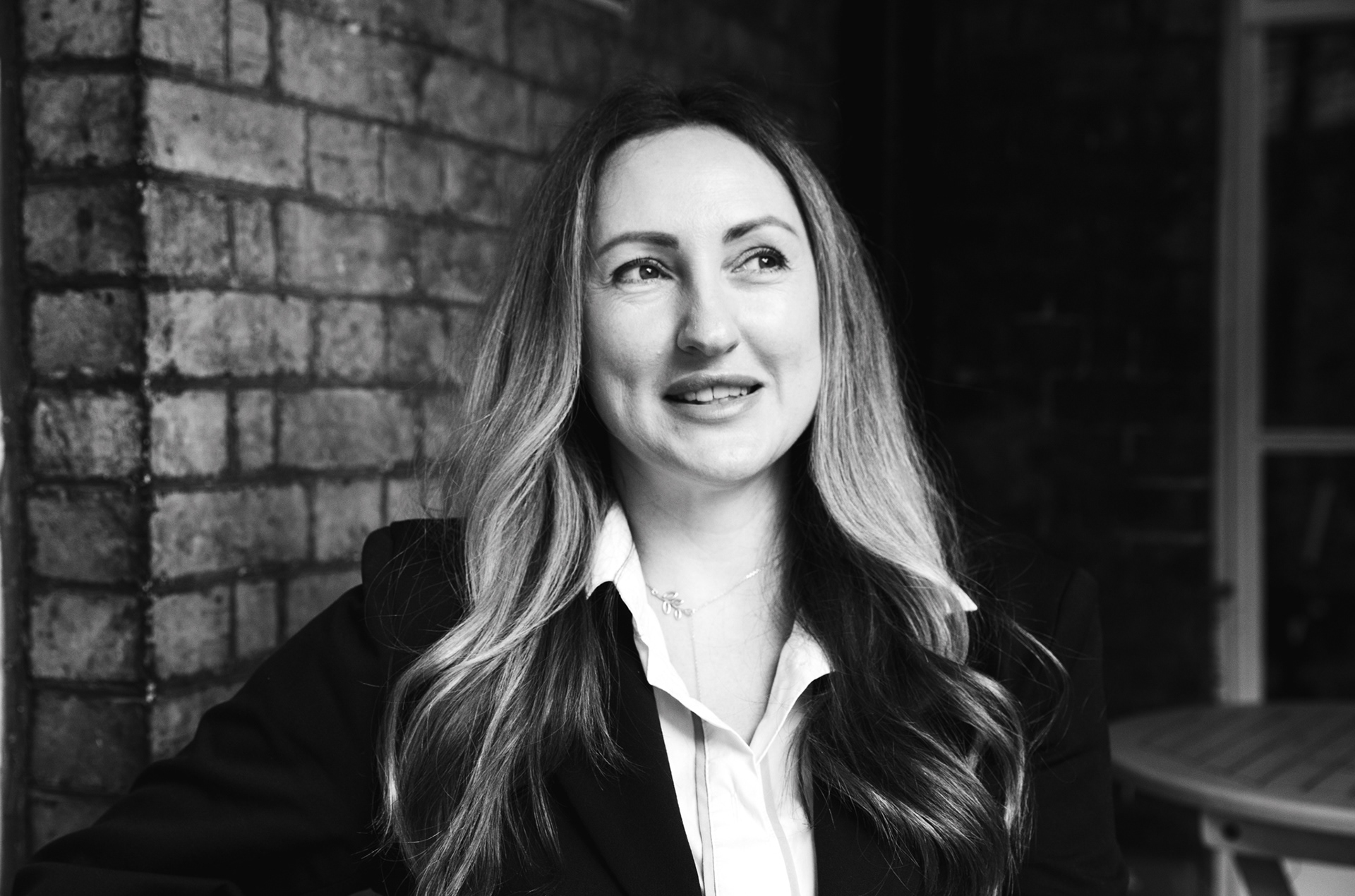
The Core of Transformation
Nataliia's personal life has also undergone changes. Divorcing her husband became part of her journey towards herself.
"The first year was a year of transformation. I wanted to prove something to everyone. In Chinese, the character for 'crisis' also means 'opportunity.' Seeing my hosting family relationships model—without control, as equal partners, based on complete trust—I realised what I had been missing. I felt I could achieve more on my own than in the marriage I had. Psychologically it was hard; a couple of evenings were spent over tea and tears talking to Erica. She opened my eyes on my own qualities and strengths that I hadn't noticed or accepted before. Now I feel I have reclaimed my inner peace and my true self at a new level."
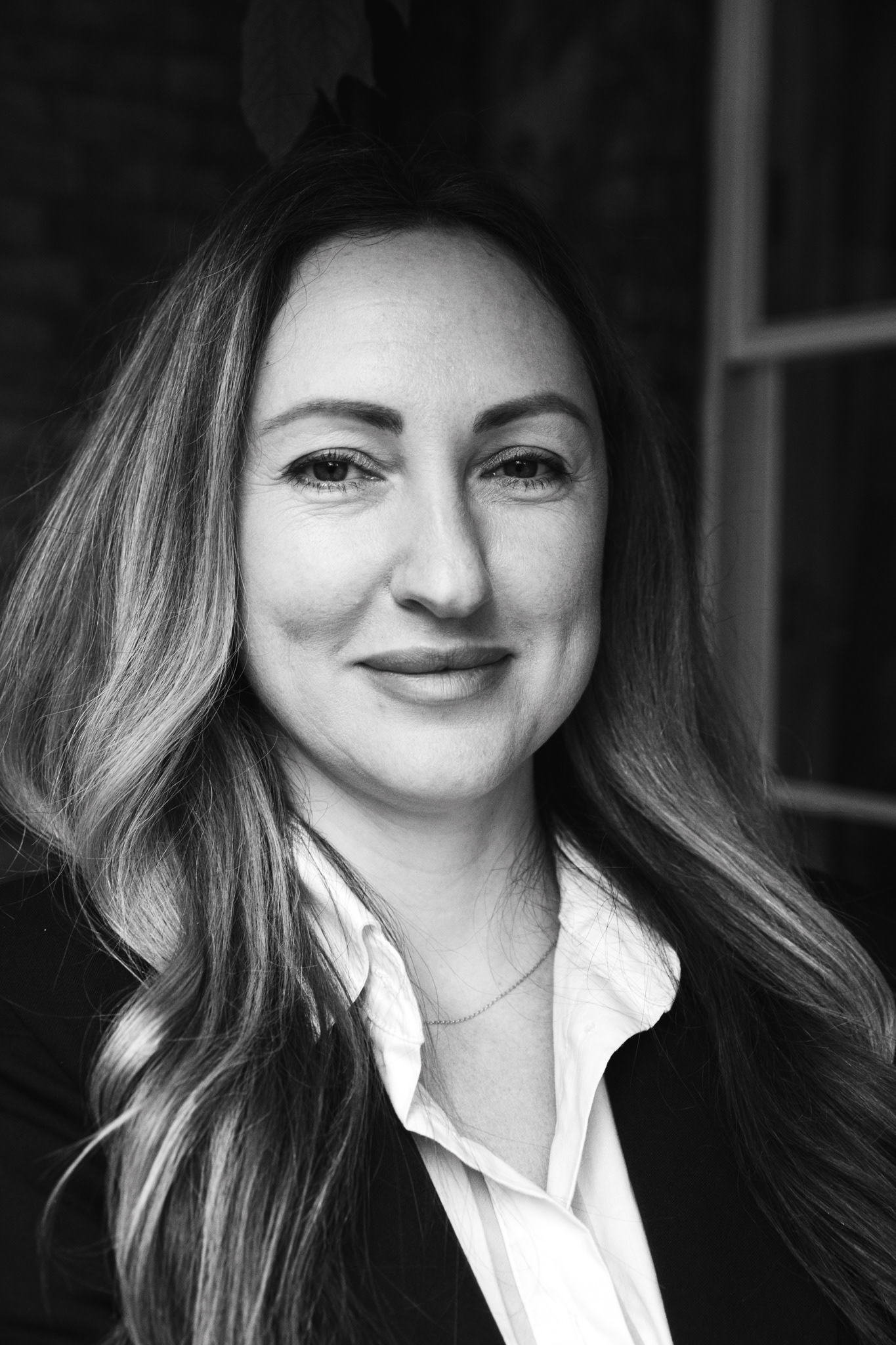
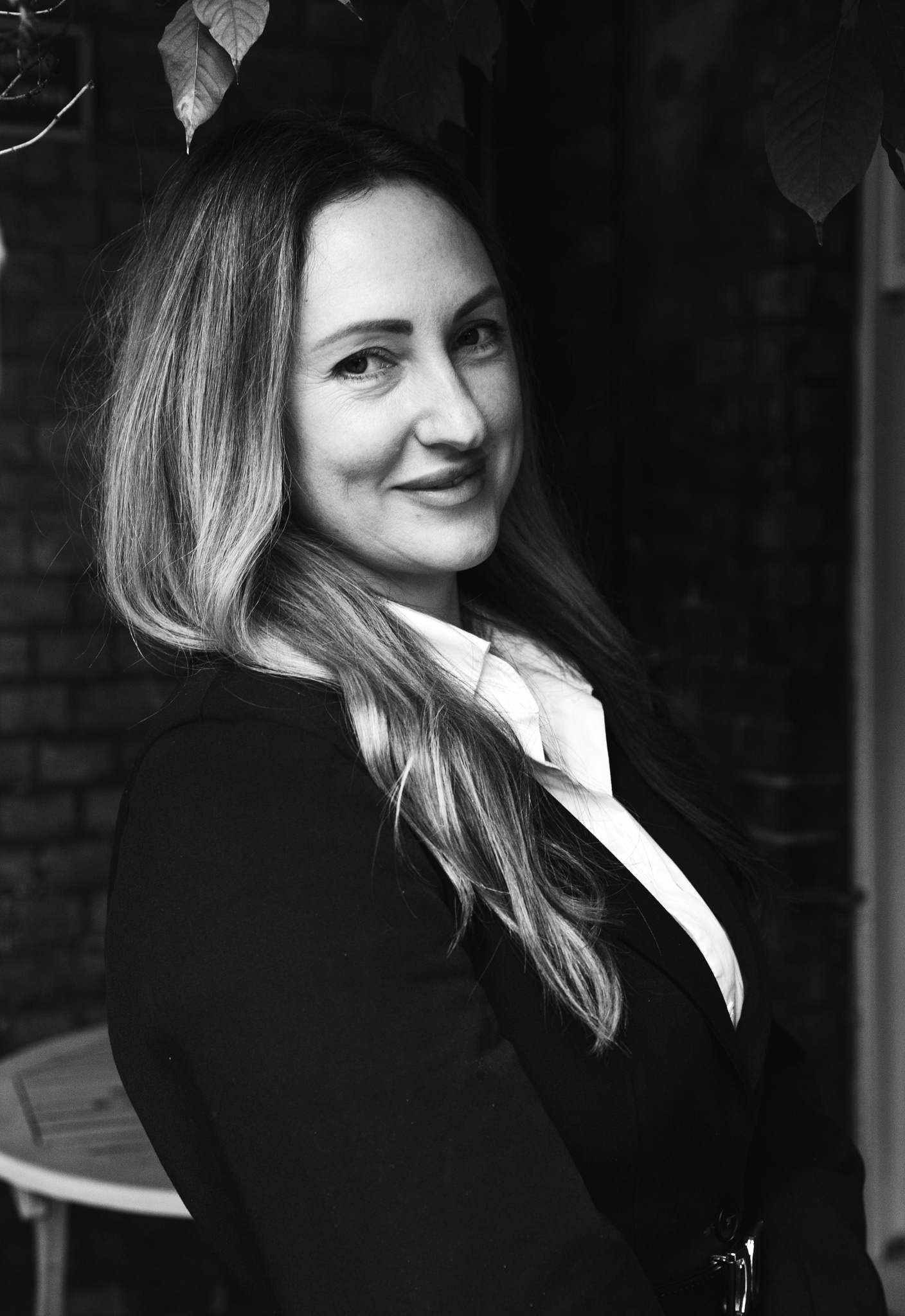
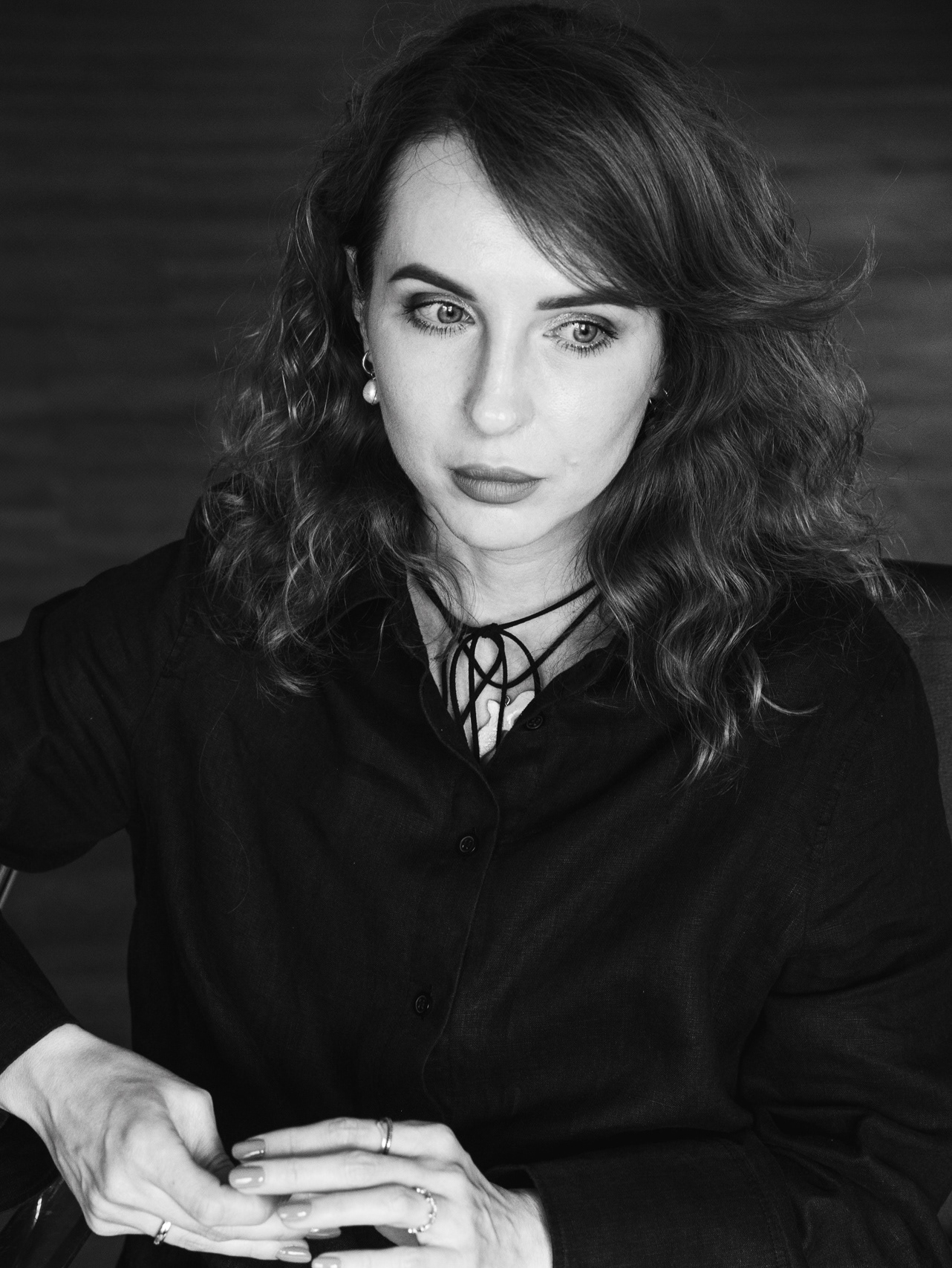
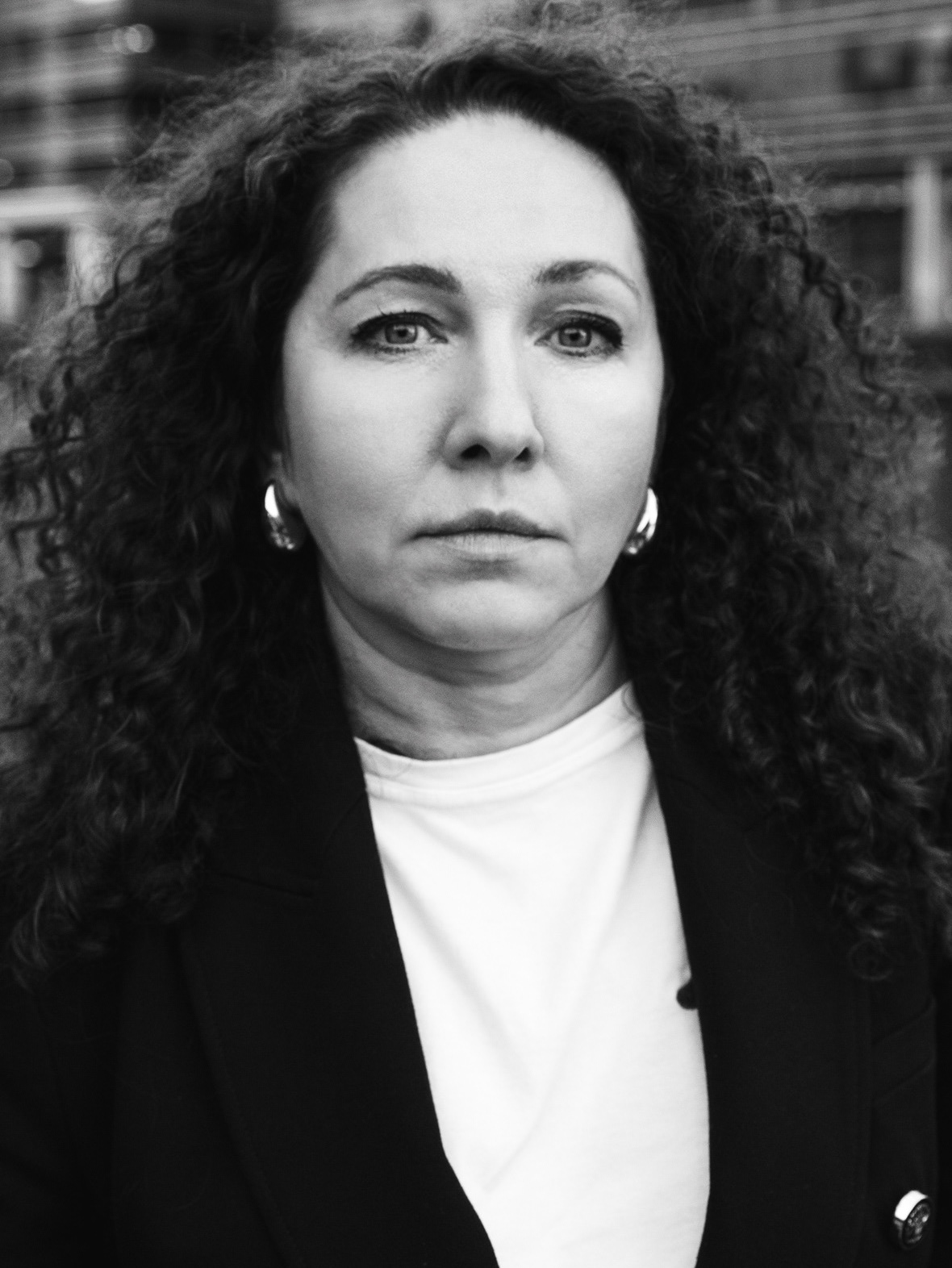
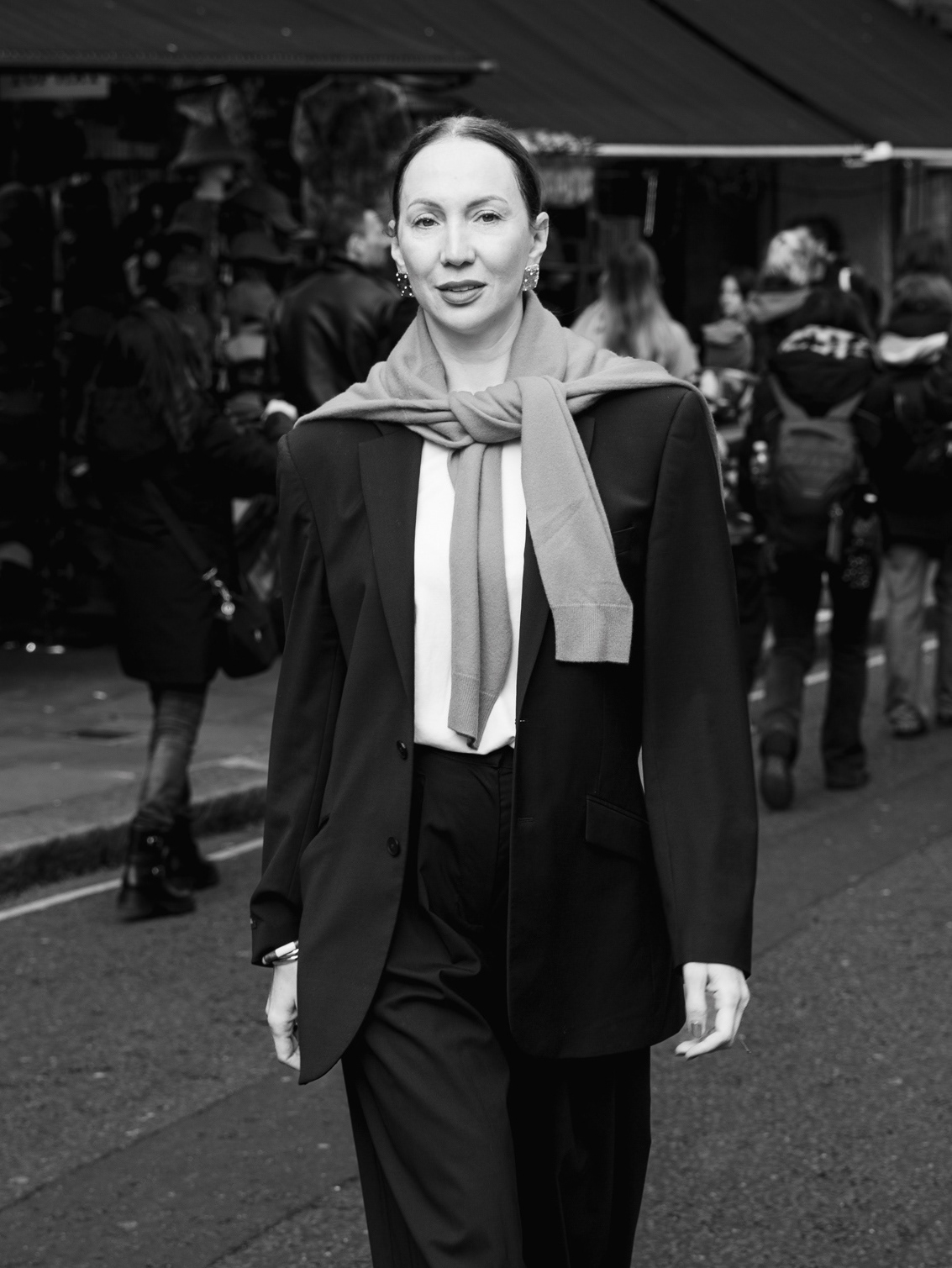
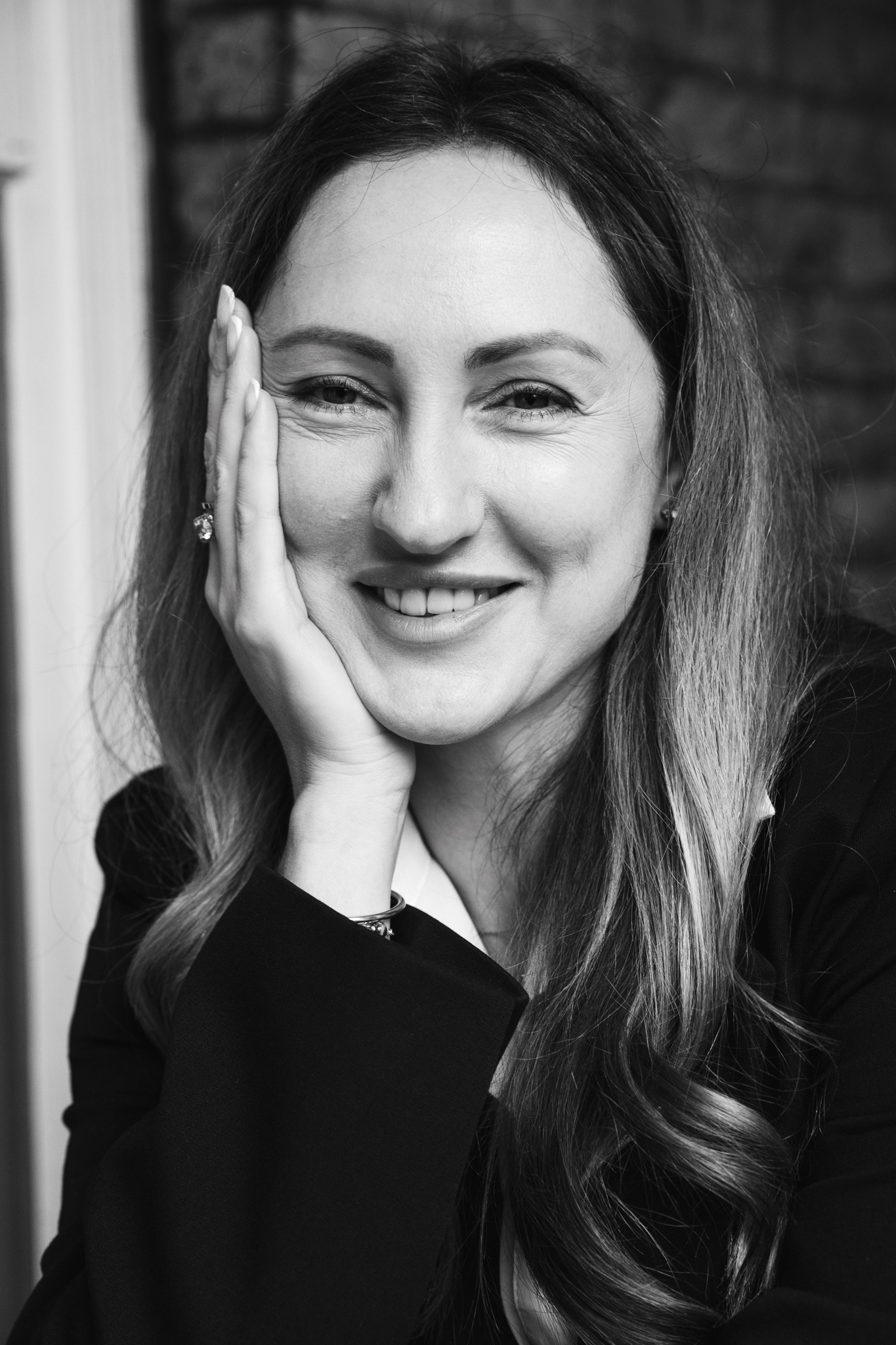
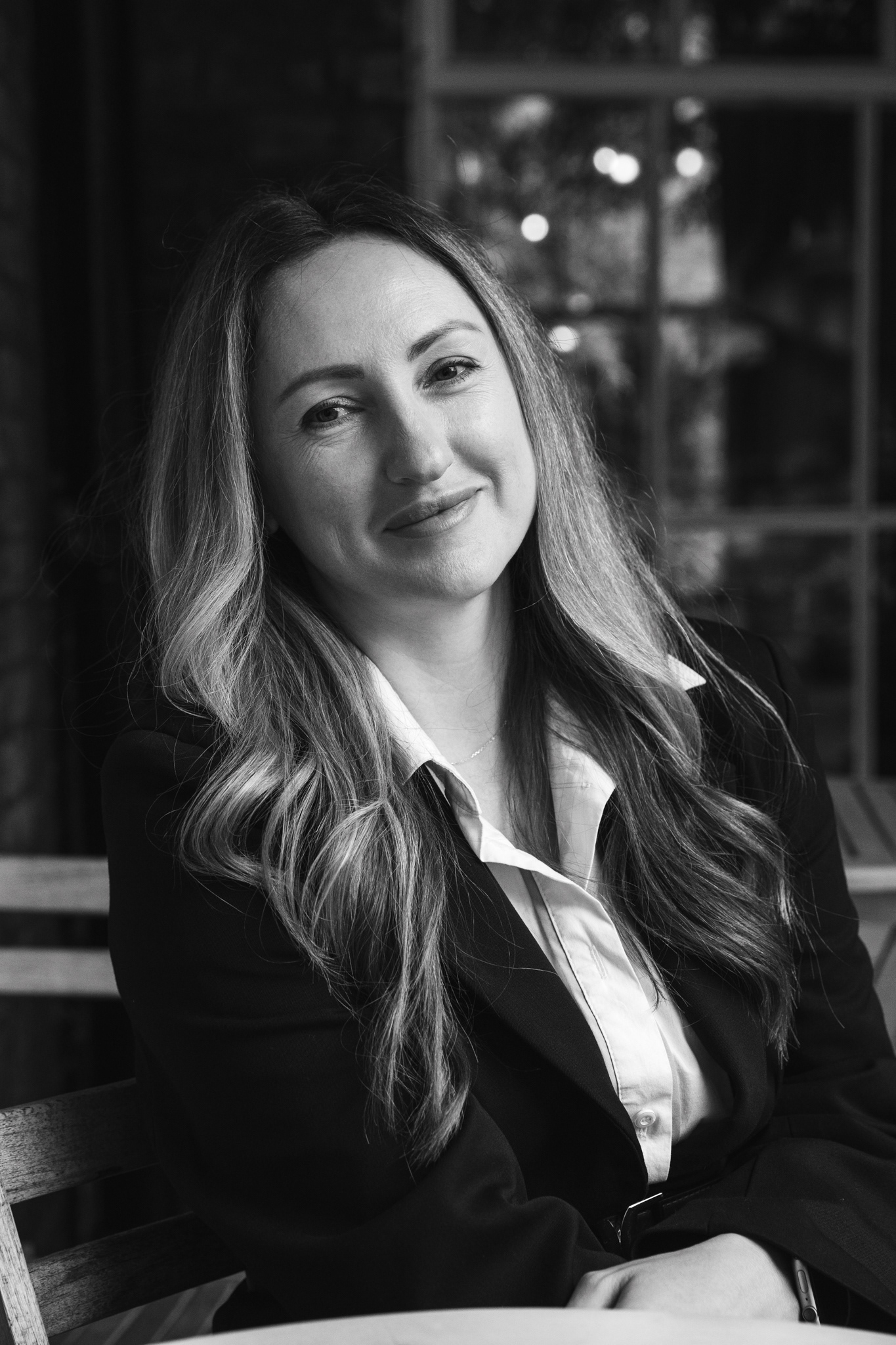
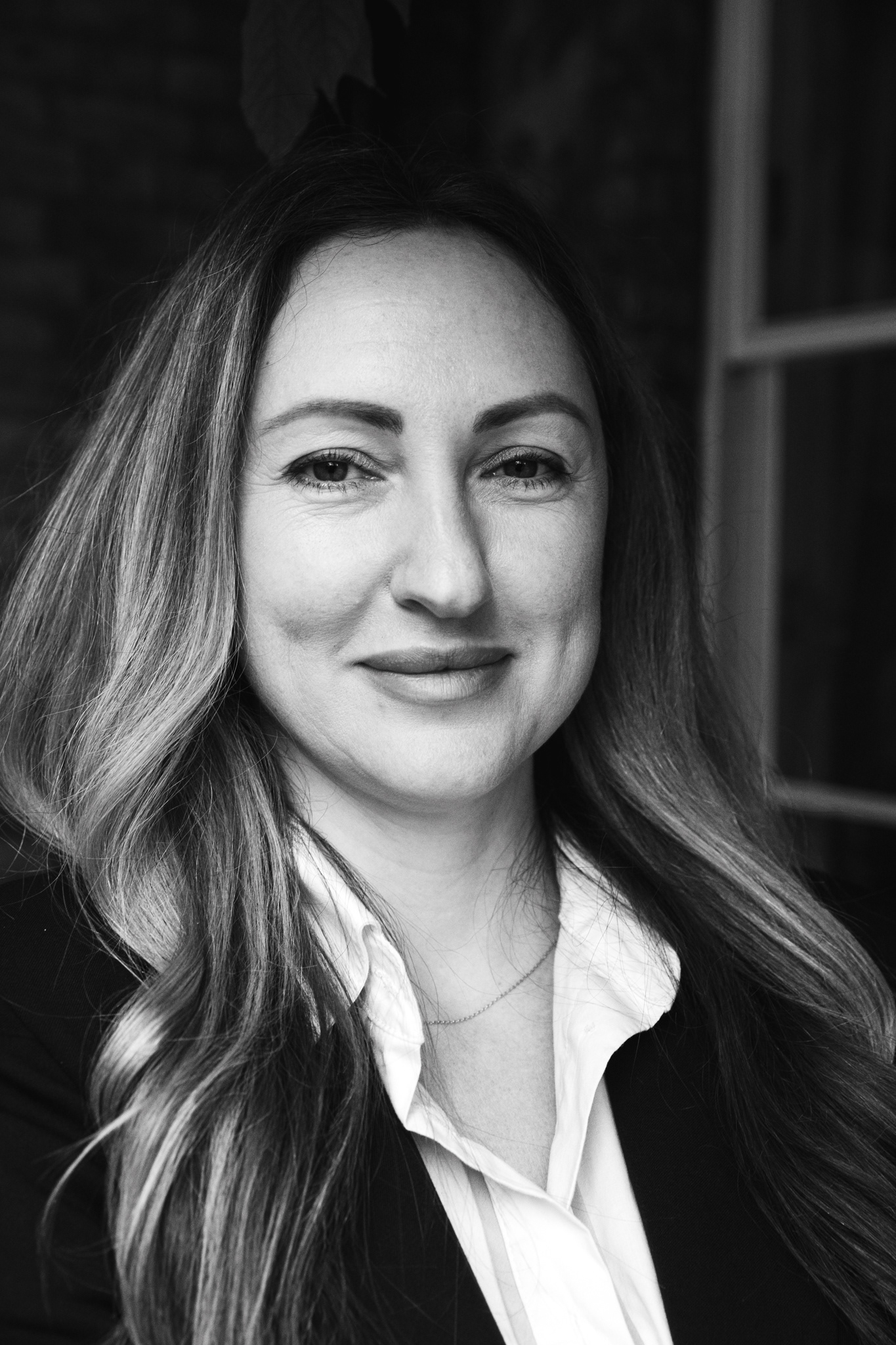
Today, Nataliia Zinets is the voice of Ukrainian professionalism at one of the world's most prestigious universities. She wears vyshyvankas and suits by Ukrainian brands to the office, raises her children with respect for both cultures, and starts every morning with news of the shelling in the Sumy region, where her brother serves in the army, and the Cherkasy region, where her parents remain.
"My younger son already speaks more English, and this is my pain. But he knows who he is. In primary school, my daughter was a 'star' whom everyone wanted to be friends with and accompany during breaks because she is interesting & unique — she is from Ukraine. We are all advocates for our country. In the office, everyone knows about the shelling and stays informed about news from Ukraine because I talk about it. We, Ukrainians, must carry this standard of professionalism, strength and resilience and keep Ukraine on the agenda."
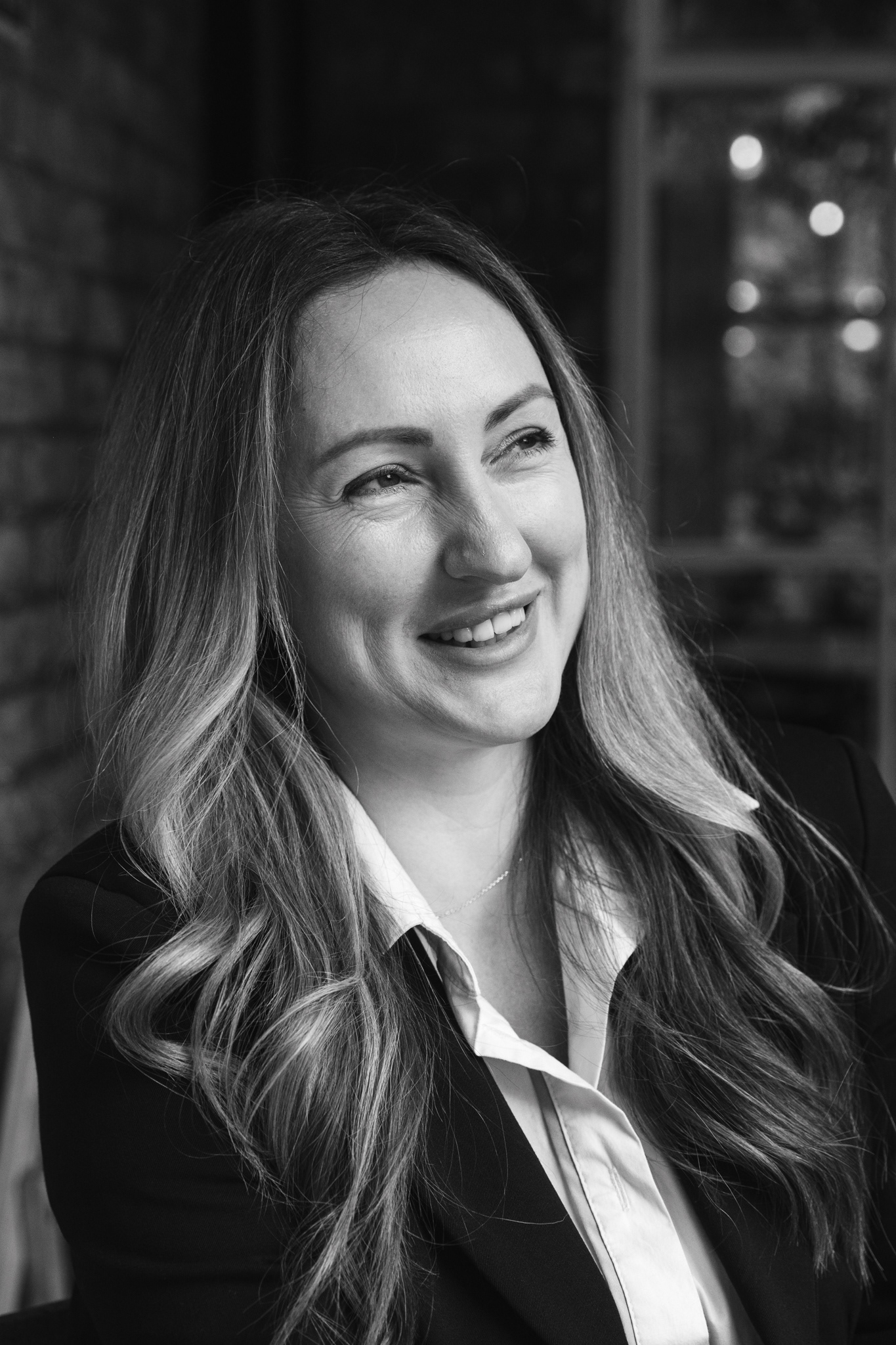
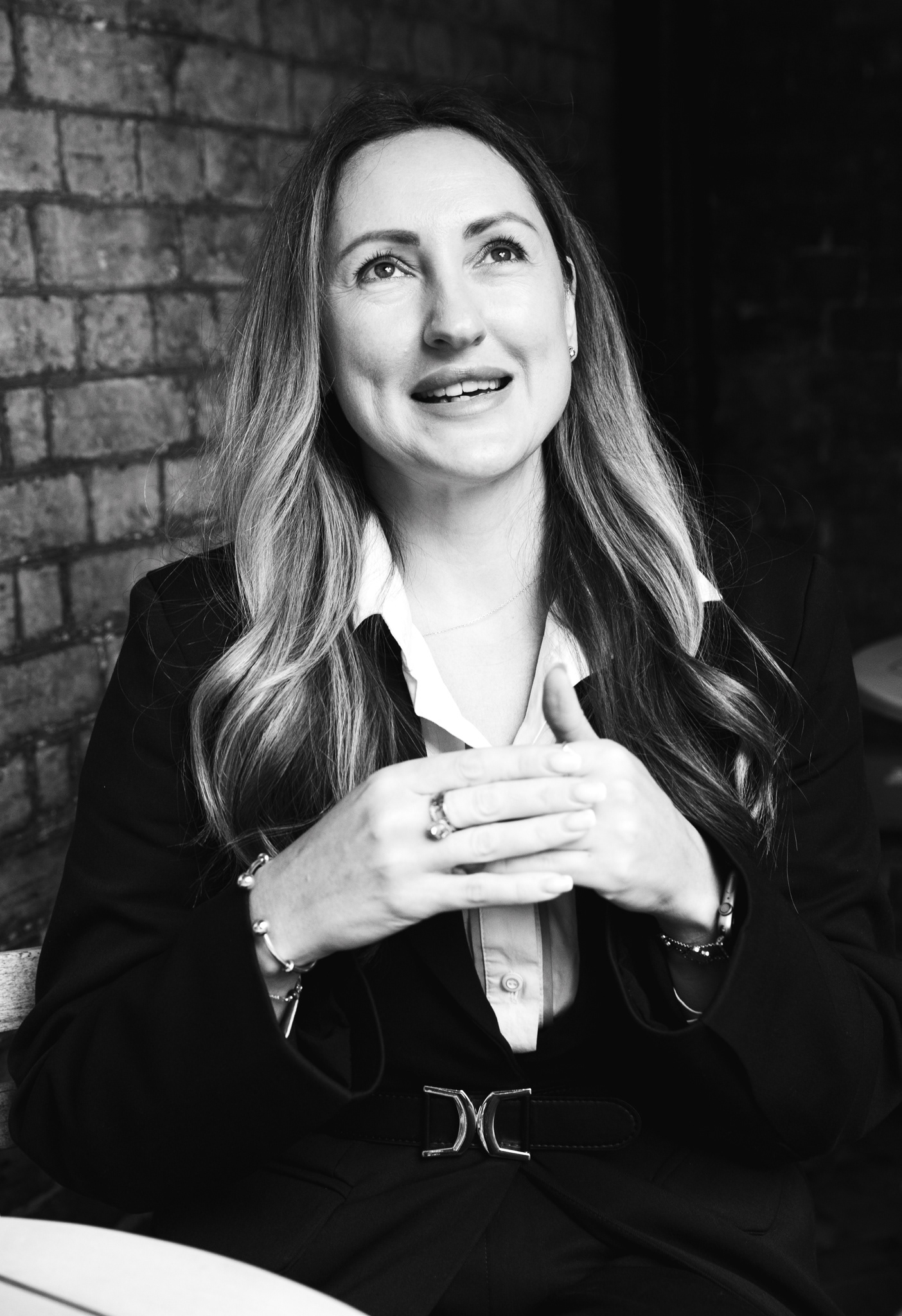
Epilogue
Nataliia’s story is not about survival, but about assertion. It is the story of a woman who turned the pain of losing her home into the energy of creating a new foundation. In her office in Cambridge, Ukrainian projects become part of a global legacy, while her children grow up as citizens of the world who carry the scent of Cherkasy soil and the taste of their mother’s borscht in the heart of England.
Winston Churchill, in his "Never Give In!" speech in 1941, said: "This is the lesson: never give in, never give in, never, never, never, never—in nothing, great or small, large or petty—never give in except to convictions of honour and good sense."
"The main thing is to have that inner core. Not to burn out. To know what you are worth, believe that you are enough. And simply keep moving forward."