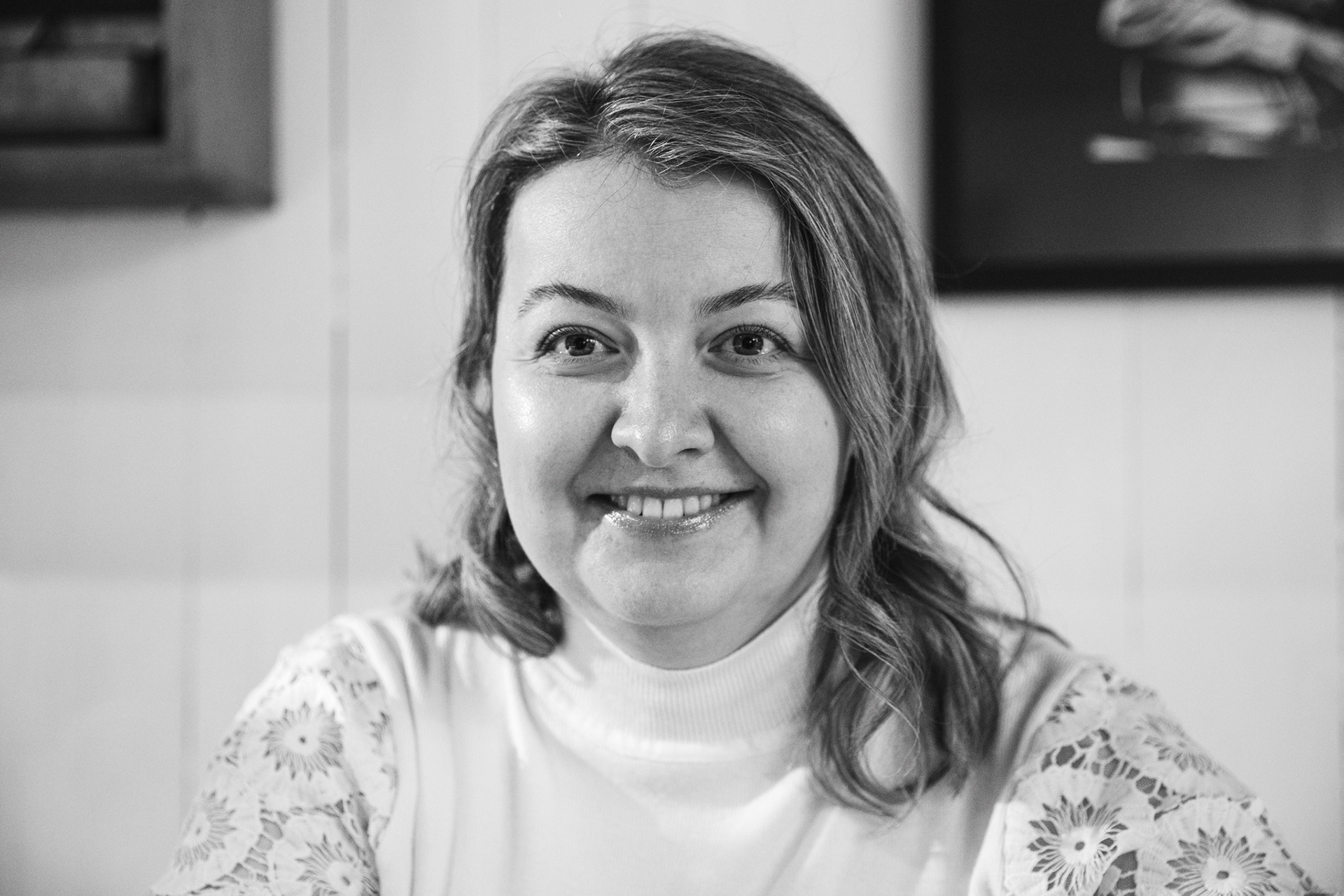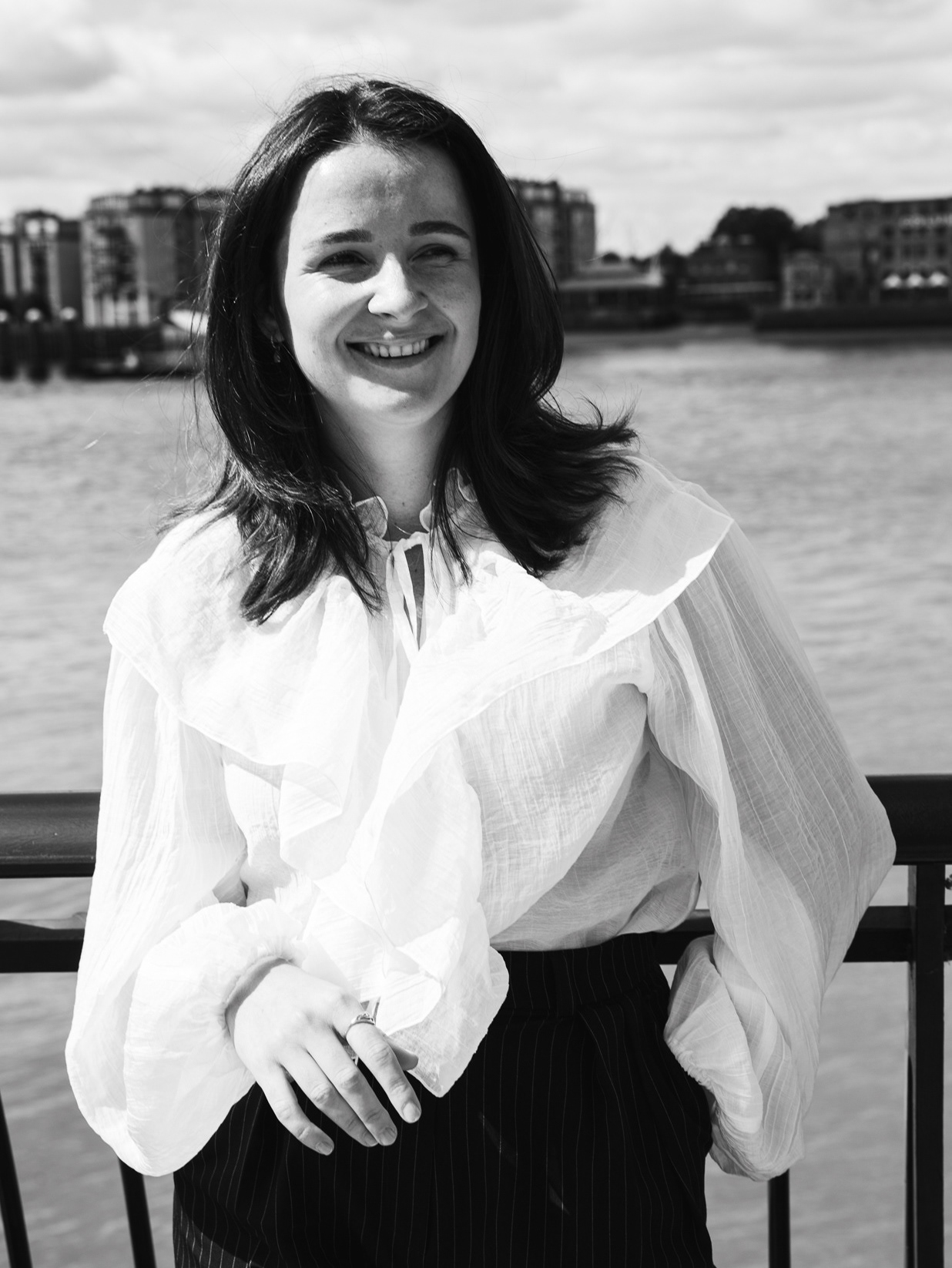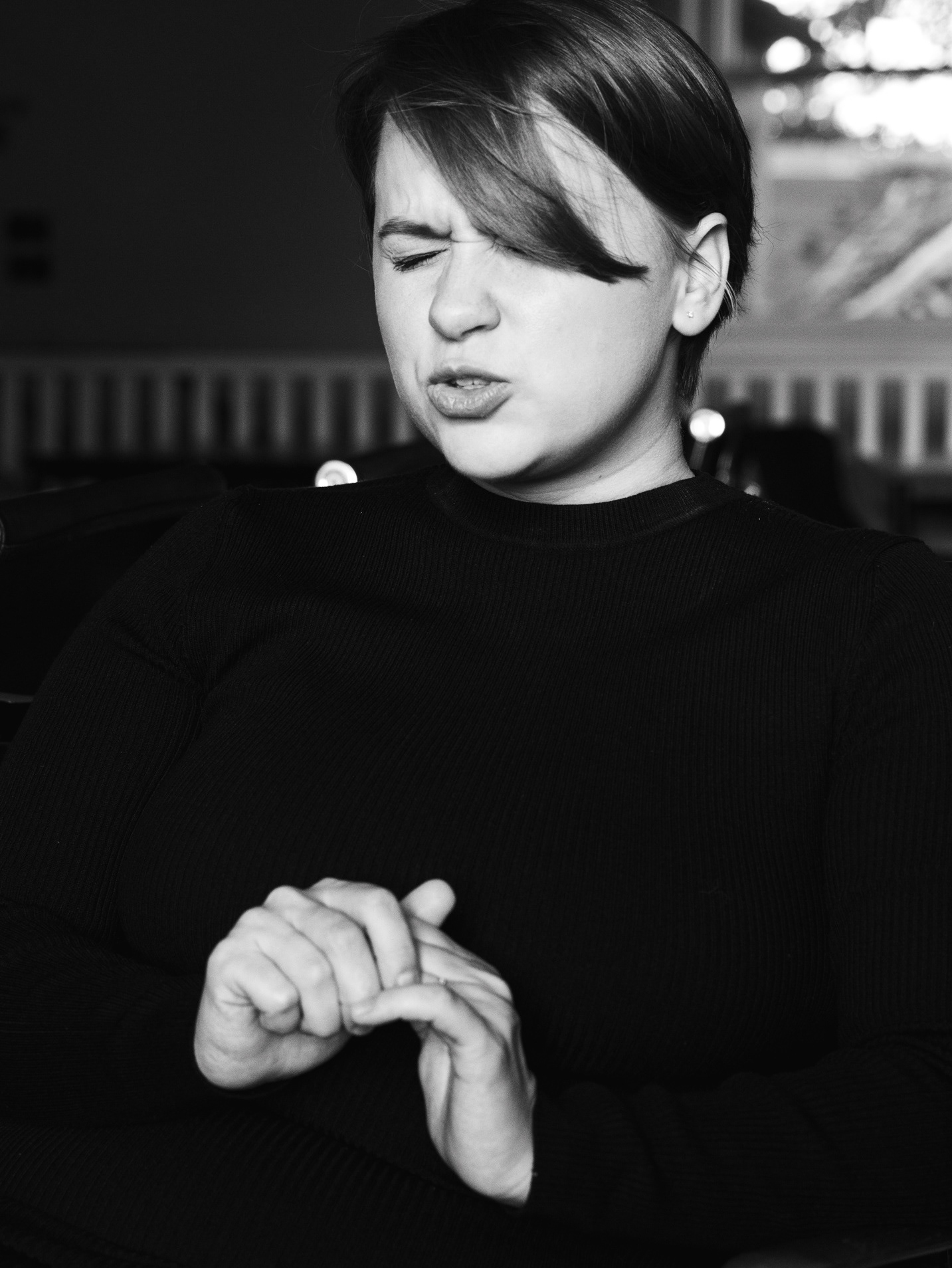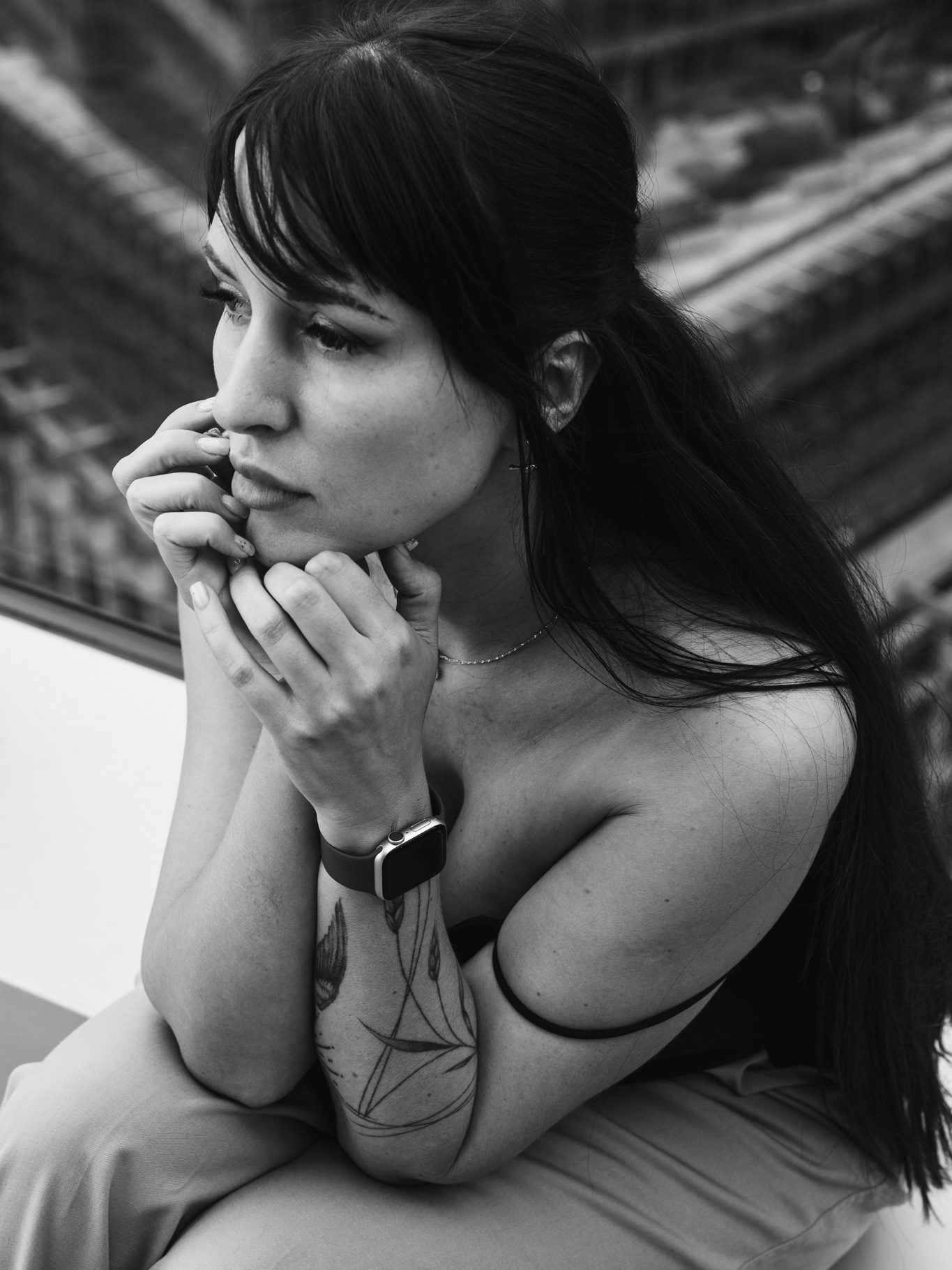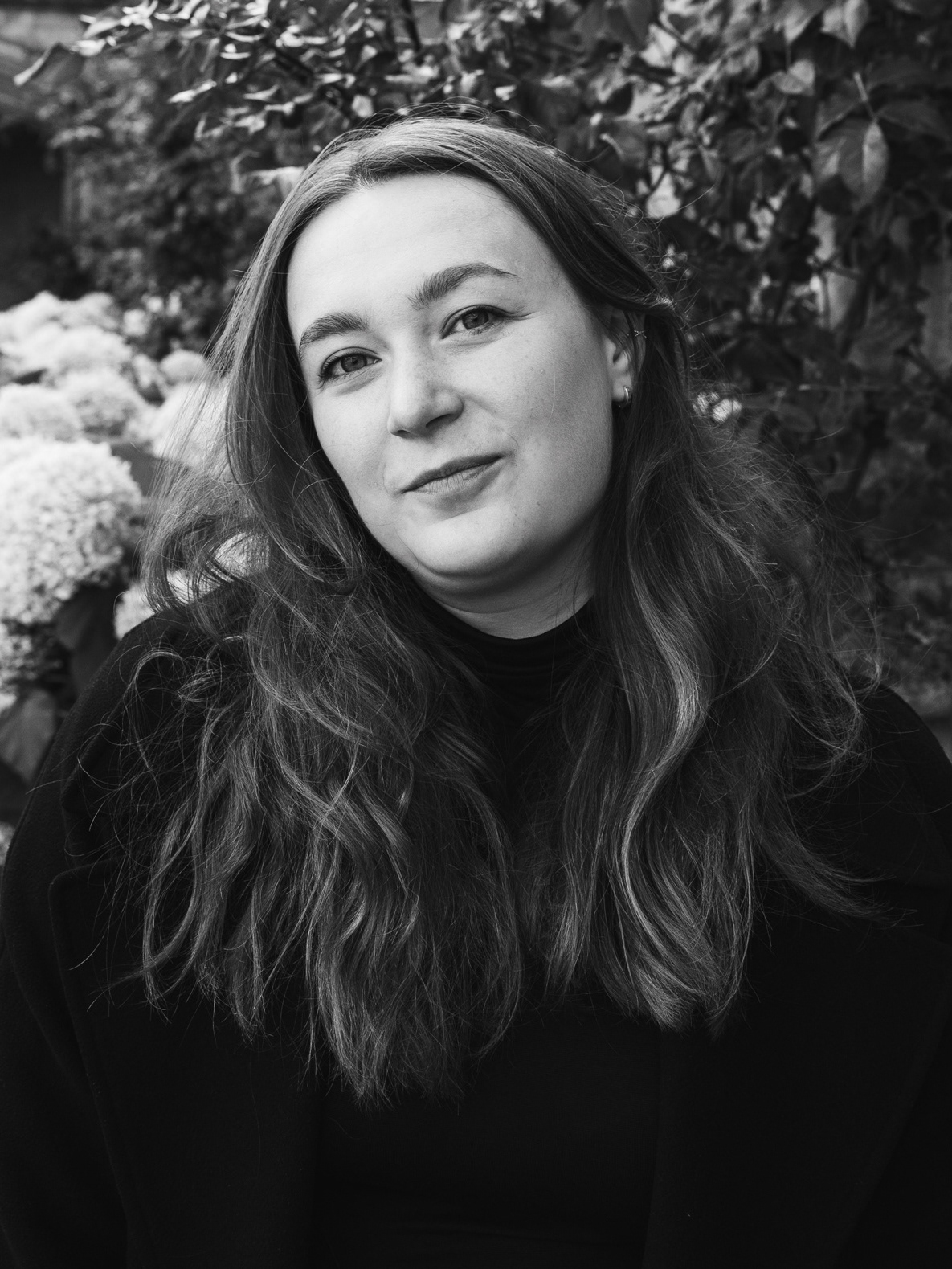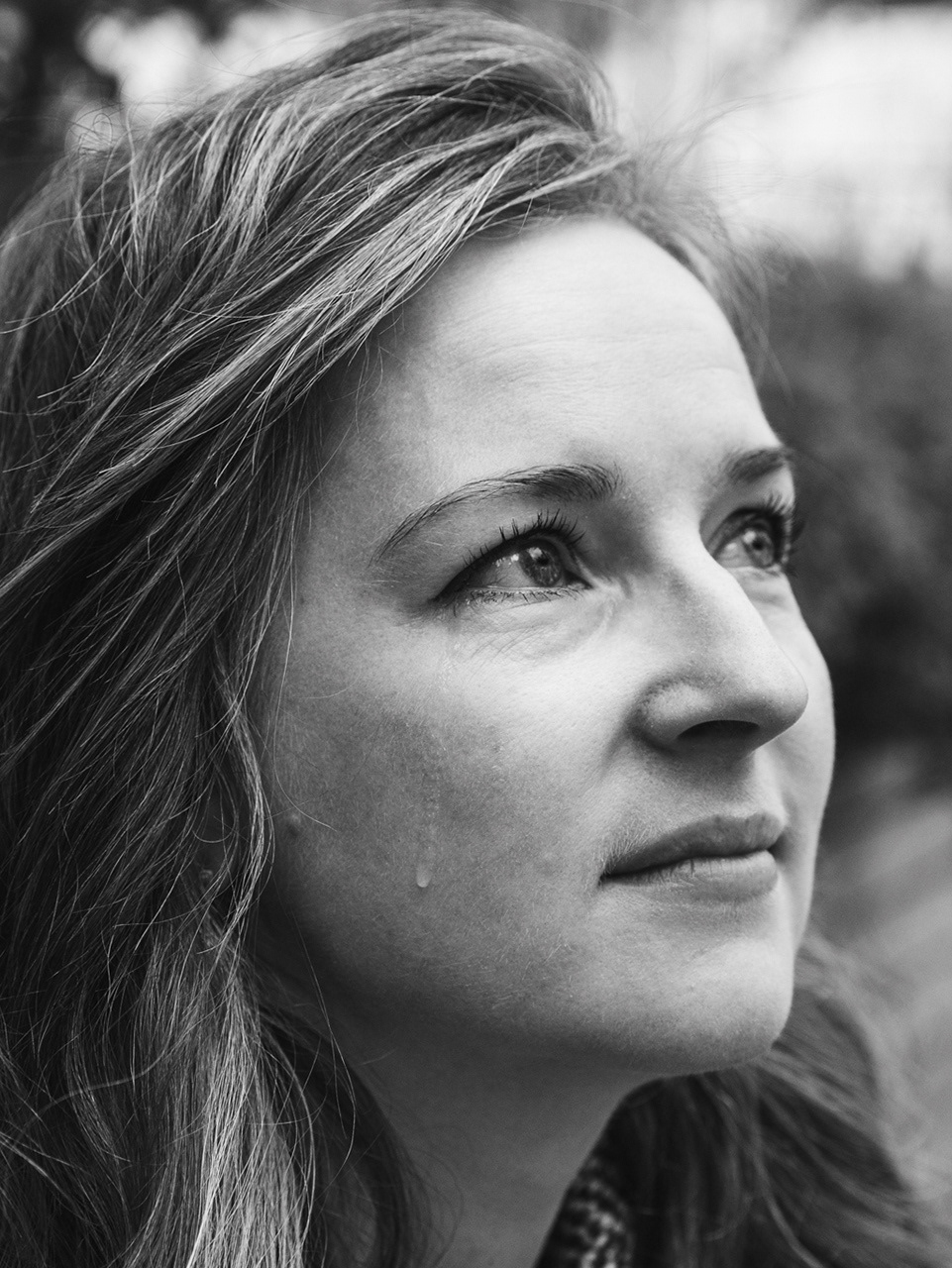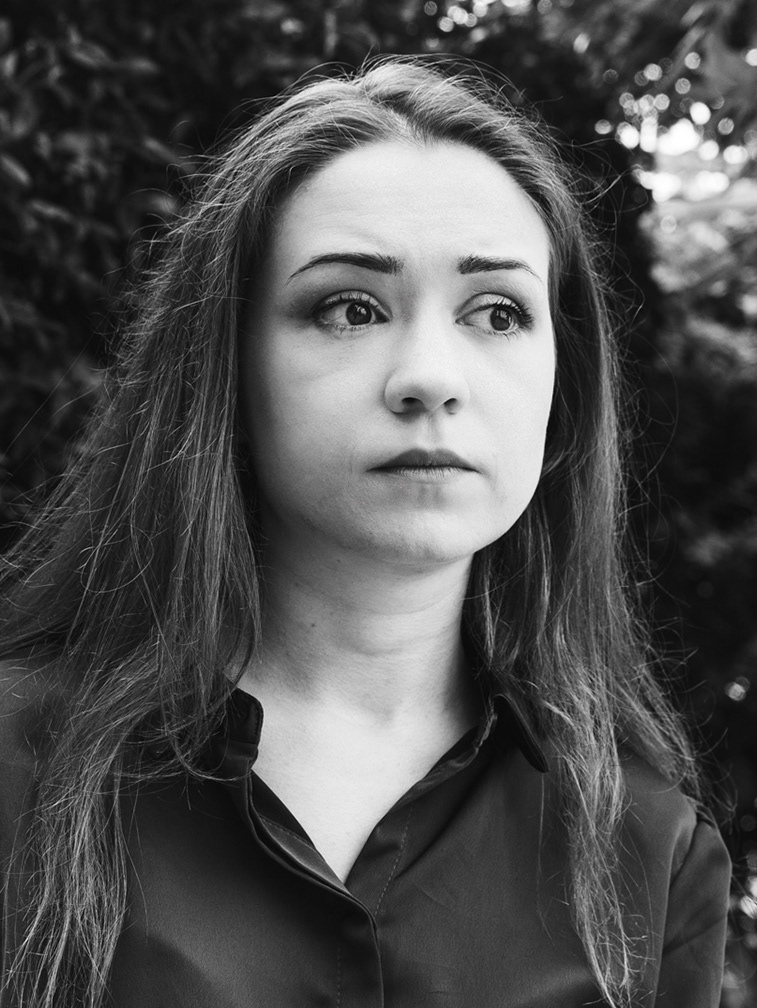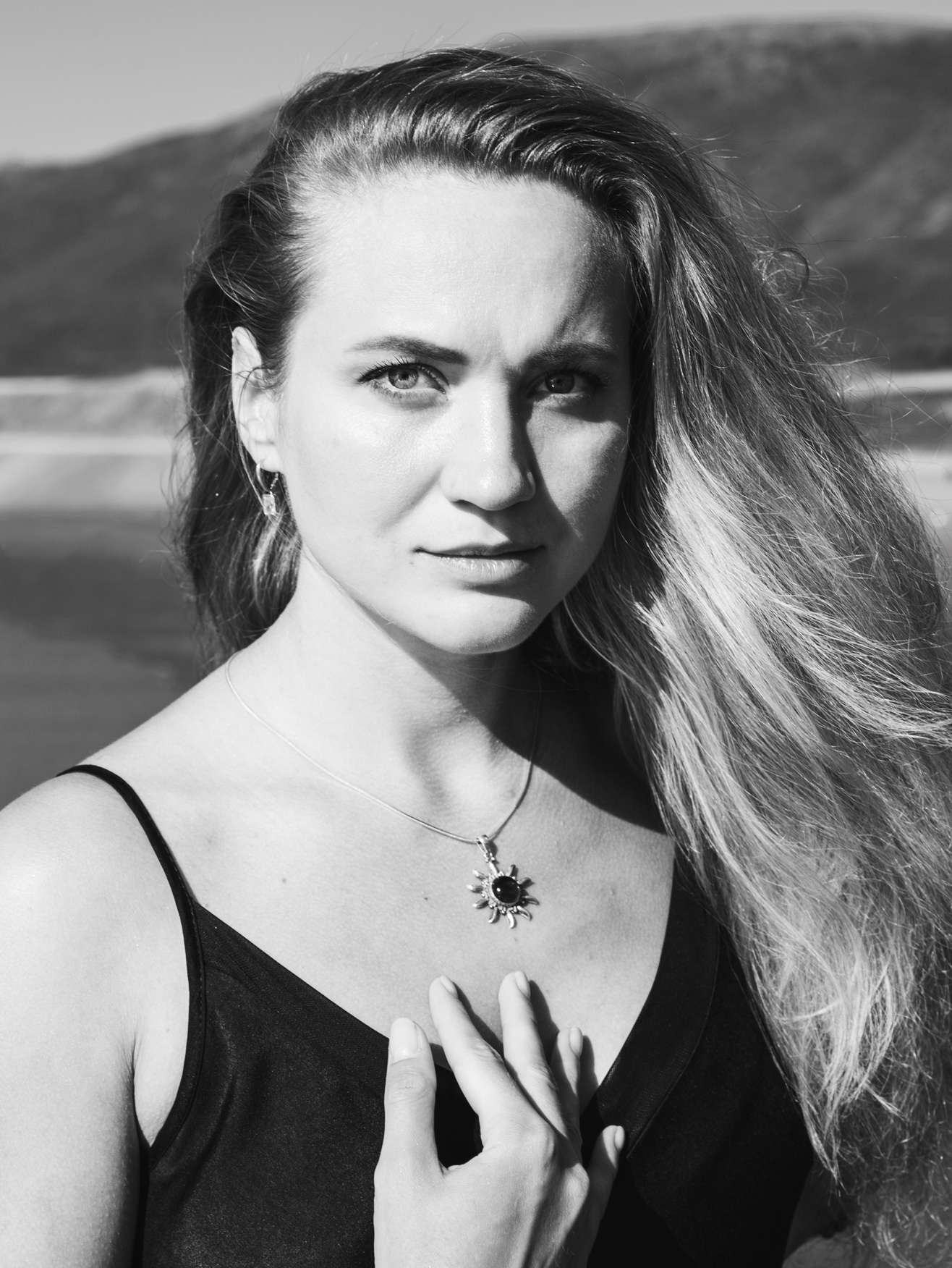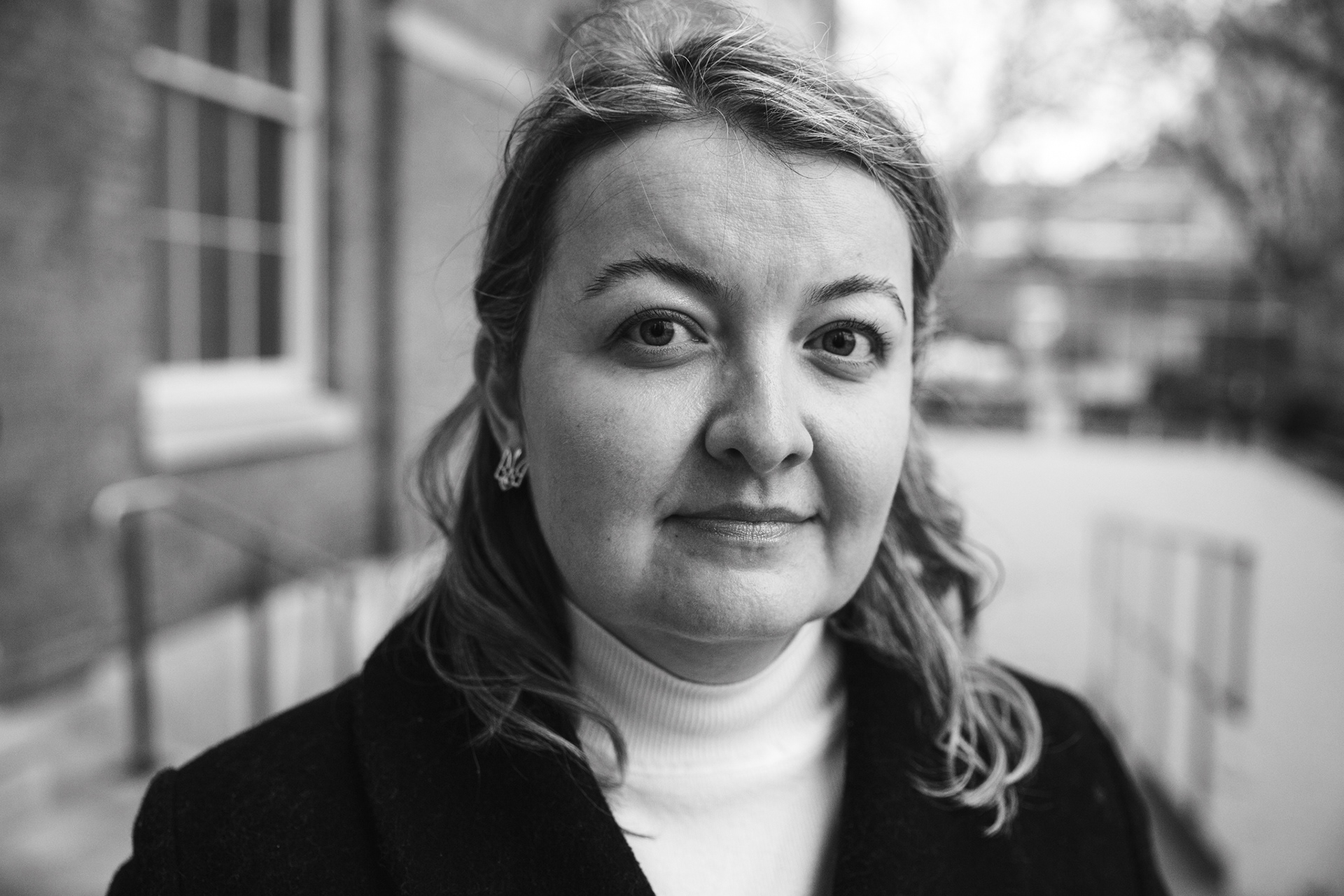
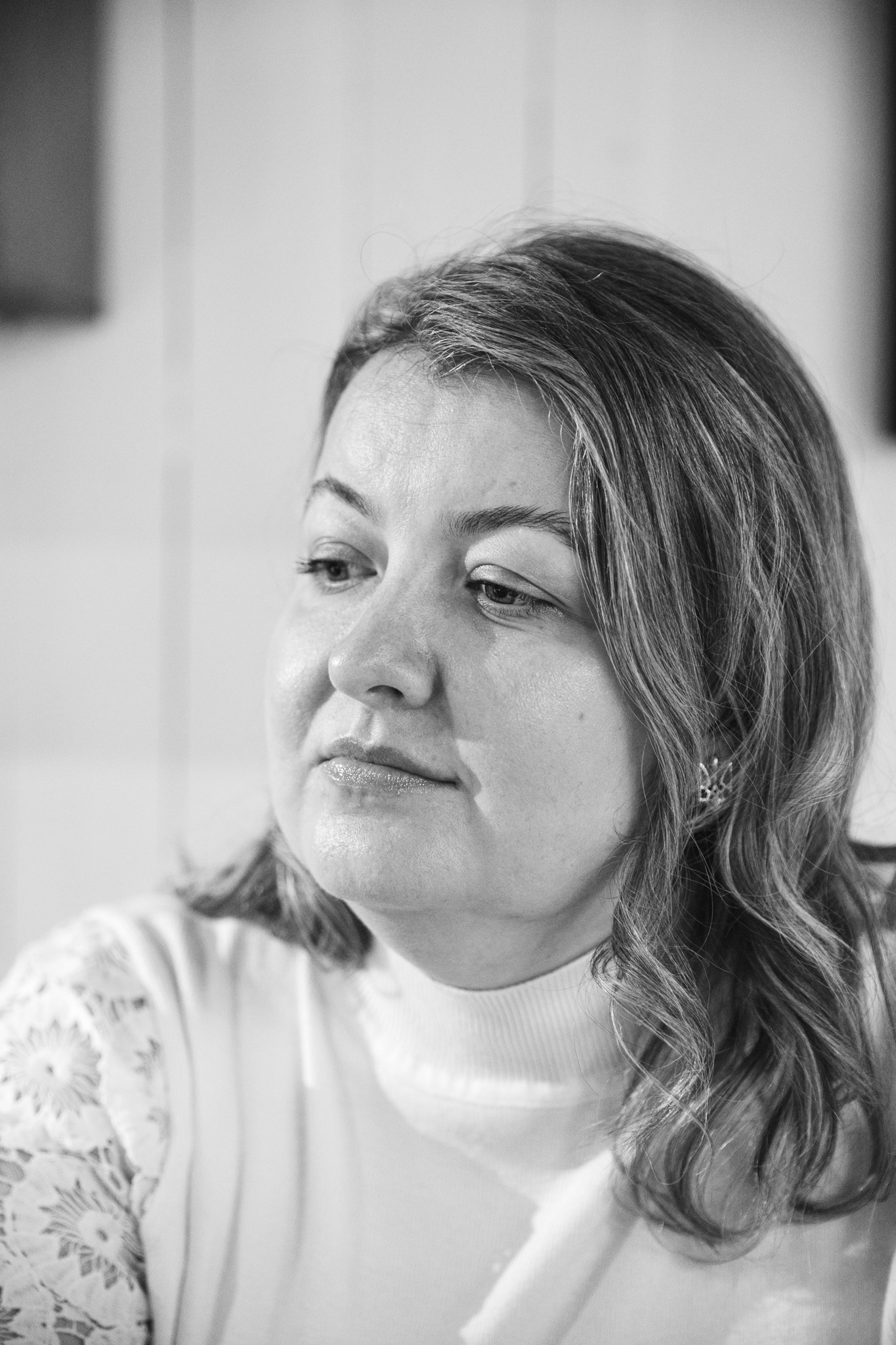
Yaroslava Matvieienko: “My primary field of activity is myself.”
This story begins not in the pleasant seaside town of Worthing, West Sussex, where Yaroslava Matvieienko now lives, but in the heart of ancient Kyiv. Yaroslava is a journalist — a person of words and action, used to recording reality. Yet the events of 24 February 2022 became a reality that was difficult to grasp, even for a professional eye.
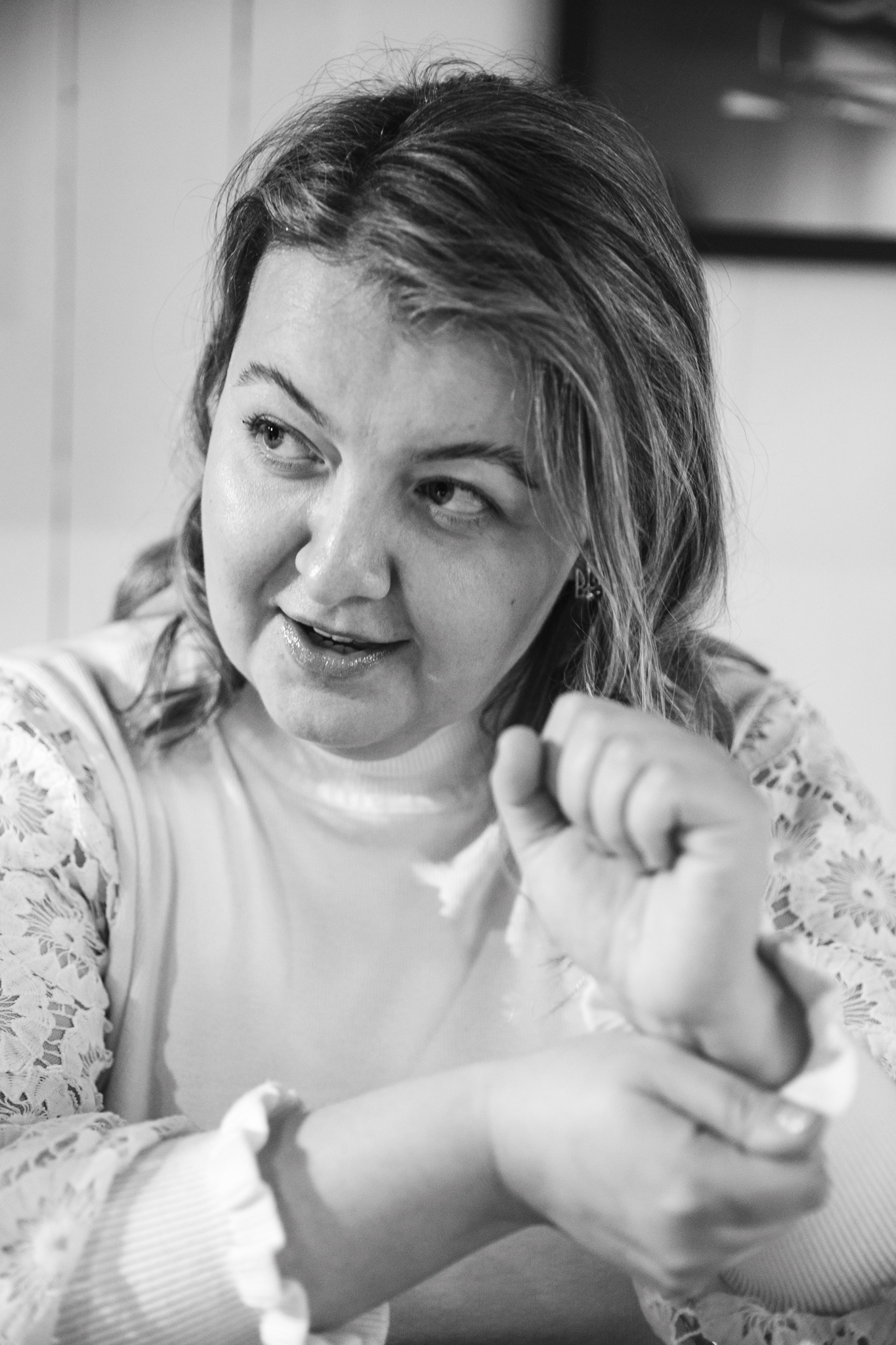
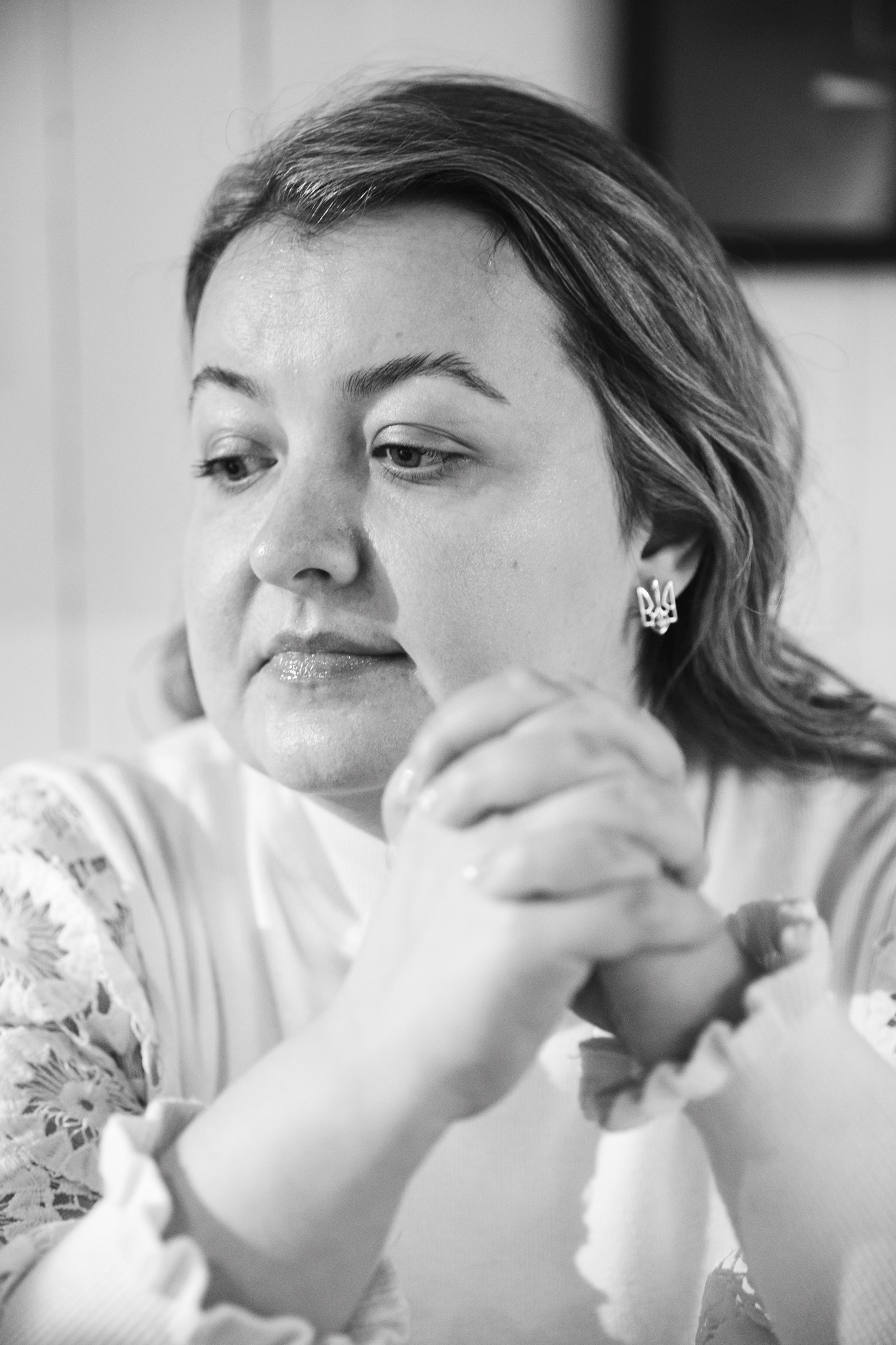
Premonitions and the “Dandelion”
On the eve of the full-scale invasion, 23 February, Yaroslava was at St Sophia’s Cathedral. As a journalist, she was covering a conference on Ukrainian–Swedish historical ties and a liturgy in memory of Princess Ingegerd. Despite the alarming news, the presence of foreign diplomats in the heart of the capital seemed, for a moment, to lull one’s vigilance.
“I still had my doubts, even though my bug-out bag was packed. I had a plan. However, I remained sceptical about the real possibility of a full-scale invasion — especially because the date was announced in advance. The Ambassador of Sweden and diplomats, the media — everyone was there. St Sophia was still standing. Under those circumstances, doubts never left me for a moment.”
After the exhausting conference, she stopped by Veterano pizzeria. It was a moment of strange calm before the storm.
“I practically crawled there — I was so tired — and ordered a ‘Dandelion’ pizza. I saw someone interviewing a soldier… and I wondered: how long would this peaceful, quiet, calm life last? I went home with those thoughts and could not fall asleep for a long time. Amid all of it, I was gnawed by that eternal feminine question: should I wash my hair now or in the morning?”
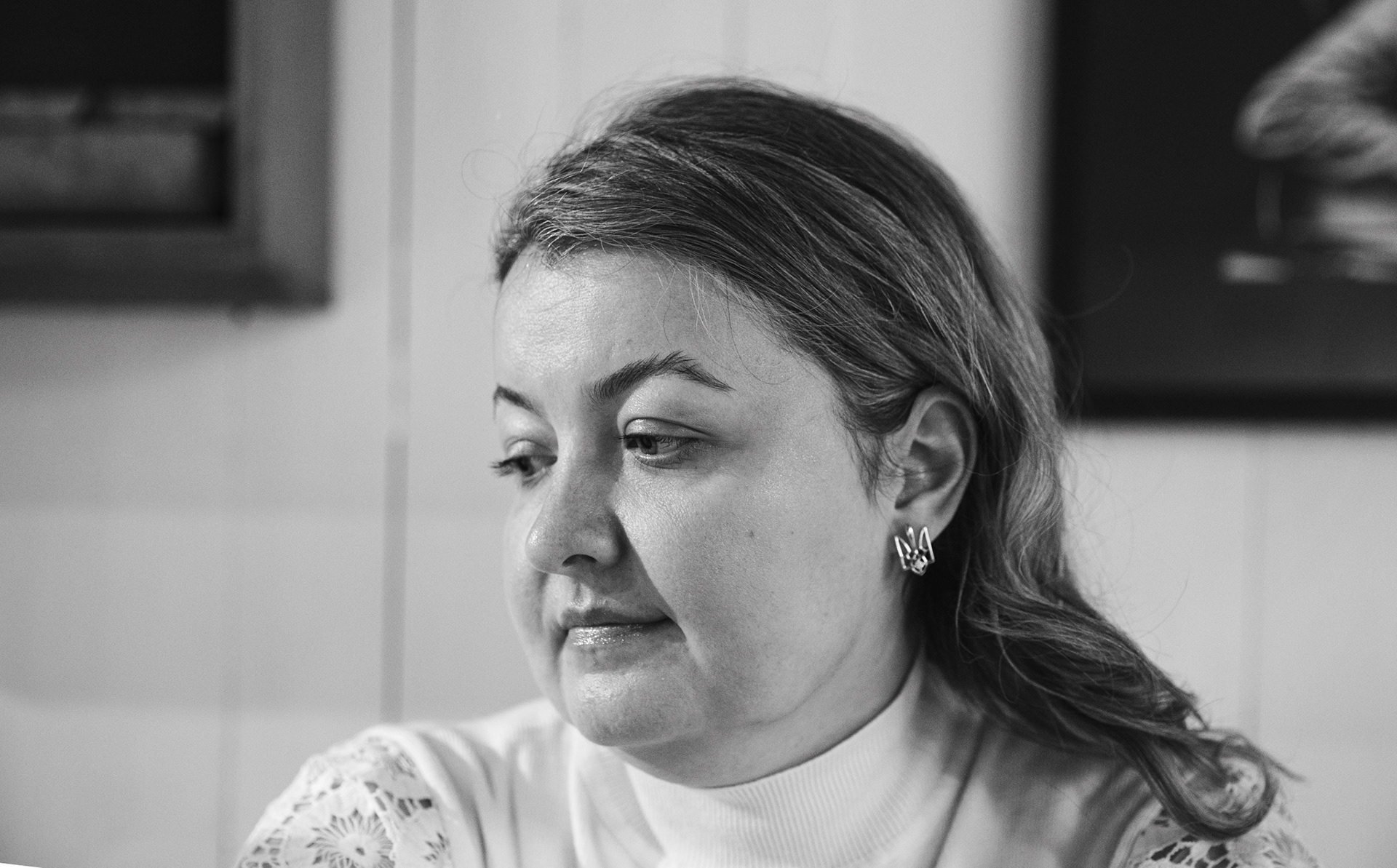
The morning that changed everything
At five o’clock on the morning of 24 February, a neighbour rang the doorbell of her flat in Obolon. Yaroslava opened it in her pyjamas, confused as to why he was standing there in a hat, outdoor gear, and a rucksack. When he asked, “Are you coming?” she replied blankly, “Where?” She had not heard the explosions — but her 82-year-old grandmother had, and had simply decided not to wake her granddaughter.
“For about five minutes, I was hysterical because I didn’t fully realise it had actually happened. My first feelings? Fear. Impossibility. Disbelief. It was a shock. Then I pulled myself together and gathered all my inner strength.”
She spent the first hours of the invasion in the Underground (the Metro) with her neighbour — but without her cat, fearing people might have allergies. Yet Yaroslava’s heart was at home: her grandmother, who flatly refused to leave, and her cat were still there.
Eventually, fear for her loved ones outweighed caution. Yaroslava went back for the cat, and later for her grandmother, when the news warned of intensifying shelling. Her grandmother finally said, “I want to live.” They spent the next forty days in the Metro, and later in a city-center bomb shelter set up in a hostel.
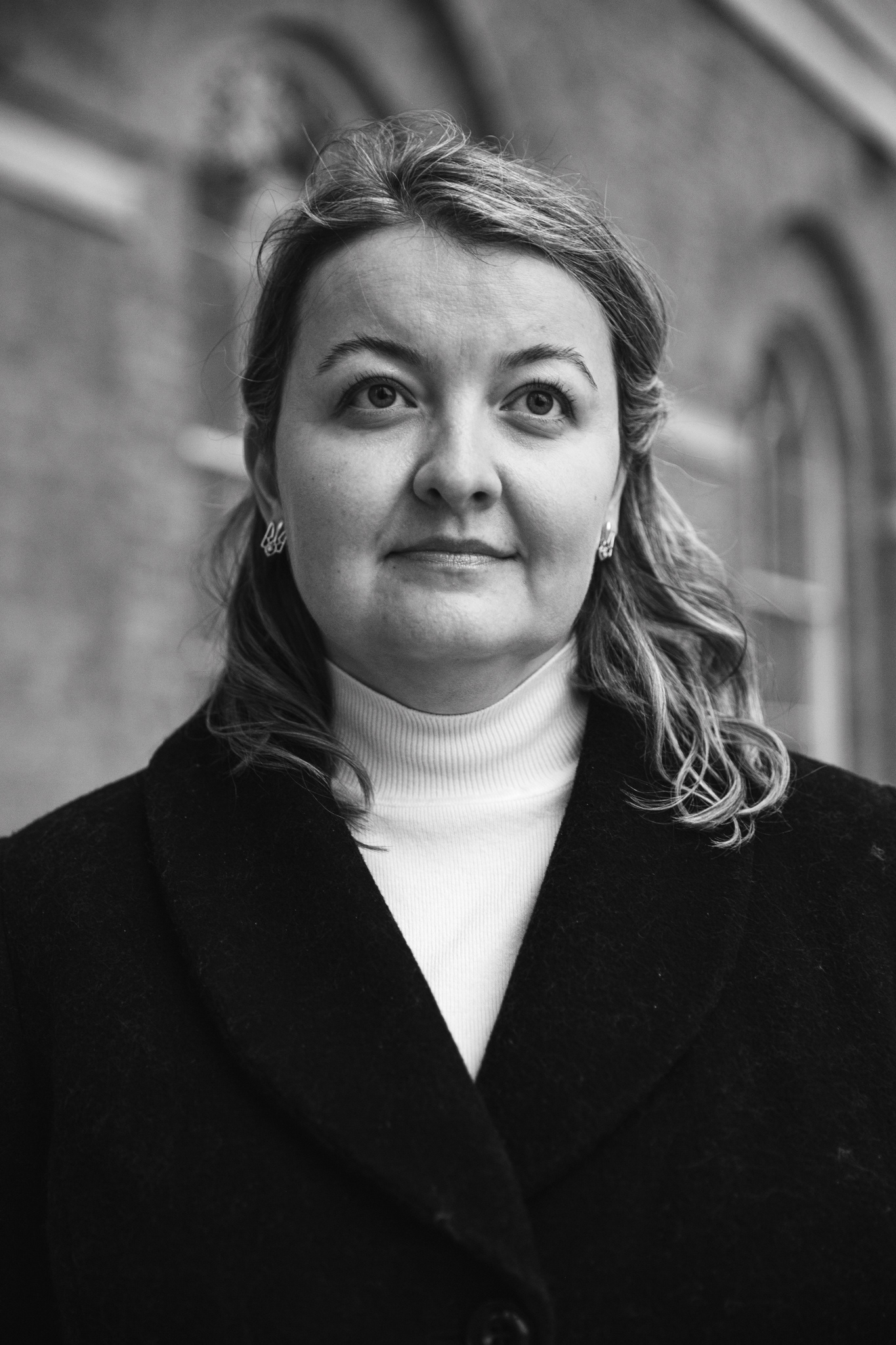
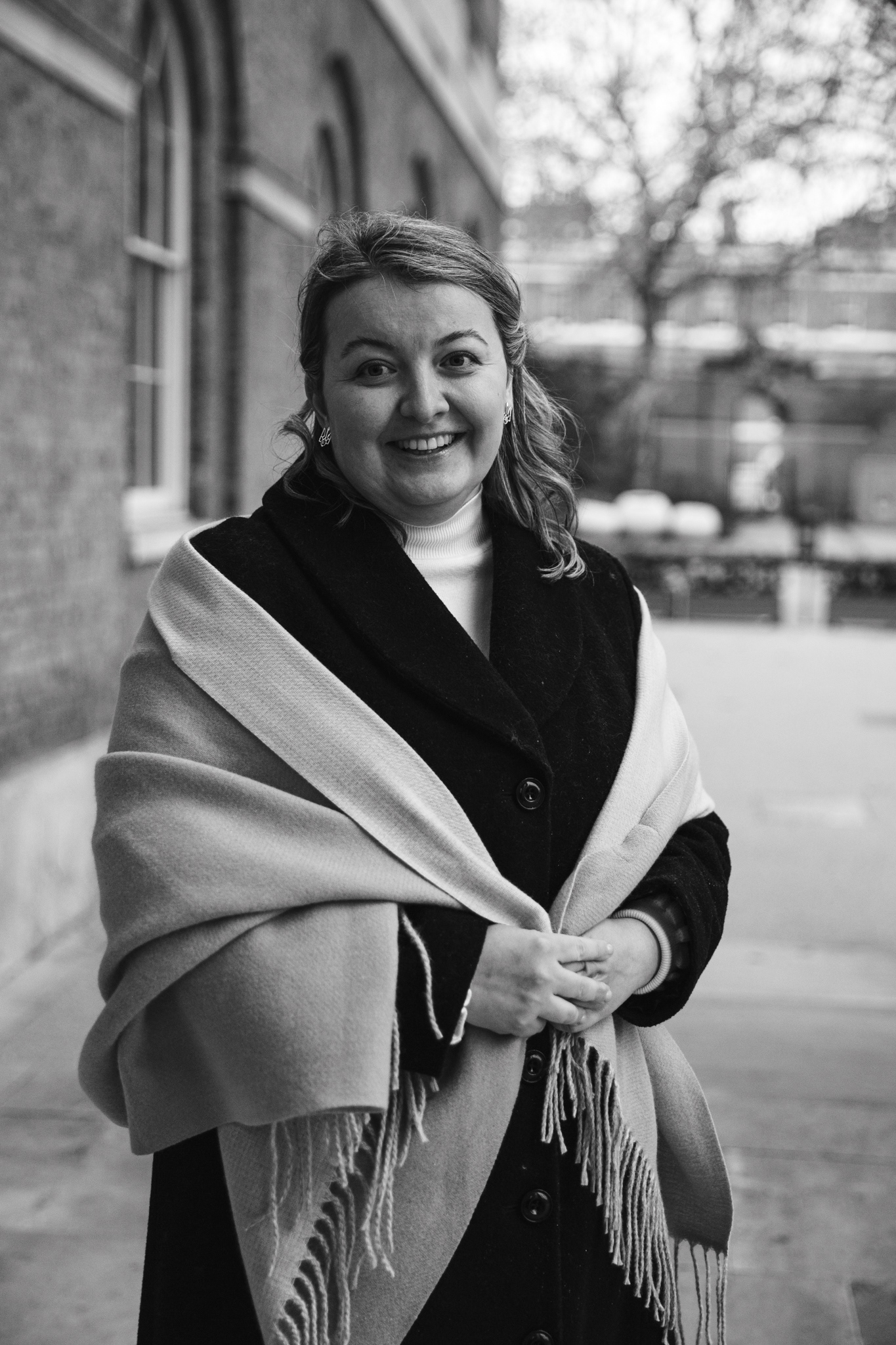
The journey to Britain: a dream with a bitter aftertaste
The decision to leave was difficult. Yaroslava had studied English since she was five, admired British culture, and dreamed of becoming a writer in this country. However, she never wanted to arrive here as a refugee.
“I always dreamed of living in Great Britain and being a famous writer — but not like this. Just when I decided my dream would likely never come true, it manifested in this way. So one must be very careful what one wishes for.”
In August 2022, along with her grandmother and her cat (“a family member — it was out of discussion”), Yaroslava moved to England. The choice of country was obvious: her mother had already been living there for twenty years.
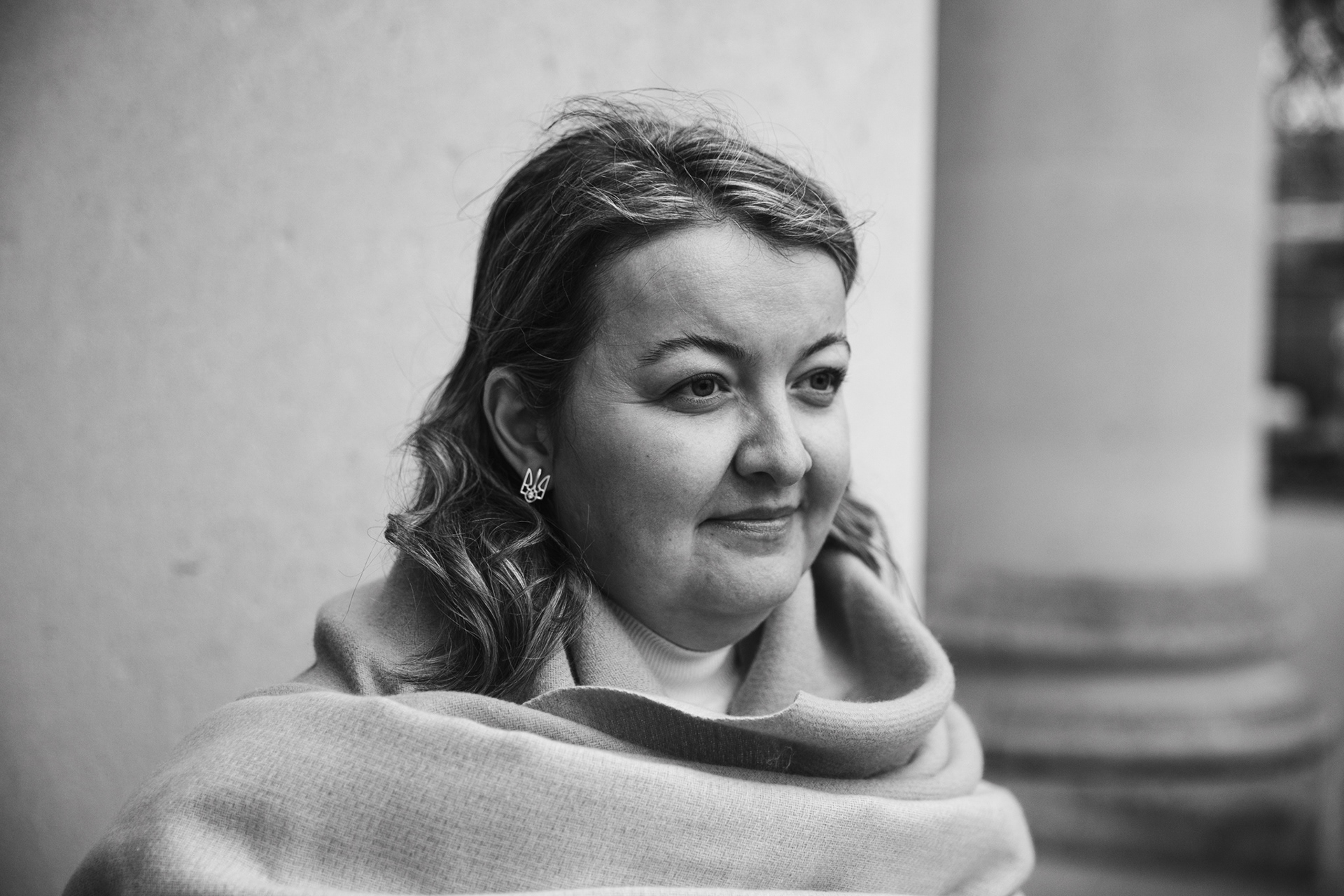
Adaptation and cultural bridges
Despite her excellent command of the language, integration proved challenging. Yaroslava jokes that English is almost like a mother tongue to her, but building a life from scratch requires more than vocabulary.
“This country and its culture were never foreign to me. It is my second motherland. Similar traits? Gardening, perhaps. Recently, a British lady gave me three jars of homemade jam made from fruit from her own garden… and I thought: oh, this is very Ukrainian.”
She finds parallels between Ukrainian and British traditions, gives talks at a local museum about Ukrainian traditions, art, and culture, and explores shared Celtic–Norman roots. Yet the main challenge has been self-realization.
“There are plenty of challenges — finding a decent job, for example. I think there is another trait Britons and Ukrainians share: they are not too fond of overly ‘active’ people. I am very active — pure fire. Perhaps sometimes I need to slow down and not push the horses.”
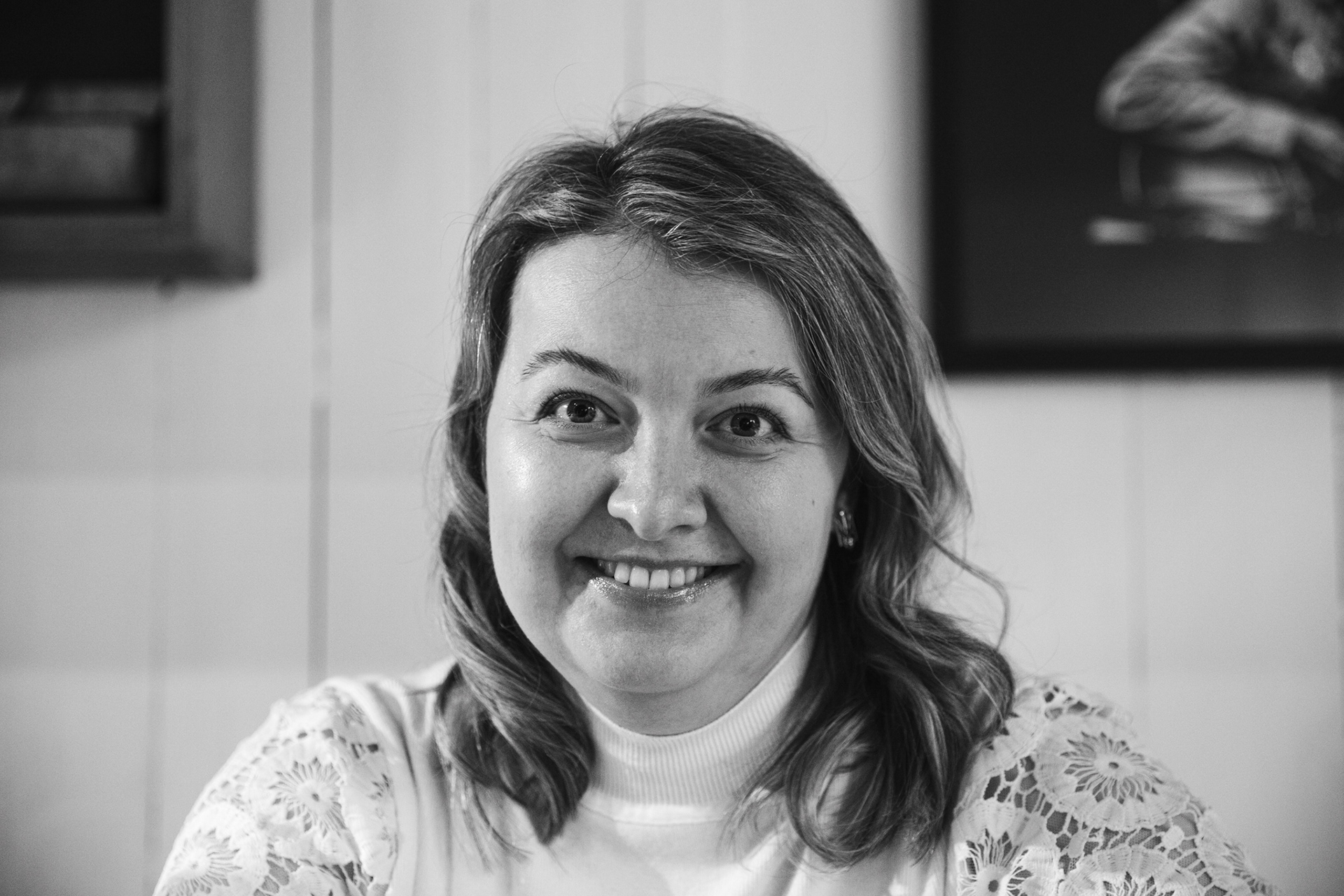
Moving away from journalism
During these almost four years in the UK, Yaroslava has sent dozens of CV versions, lived in a constant state of networking, and volunteered as a guide, communications specialist, and event manager. However, a full-time professional role has yet to materialise.
“By social standards, I am ‘unsuccessful’. I have not built a career here. I am unmarried; I have no children. I am at a point where I realise my efforts haven’t led to the desired result, so I need to change my perspective, become more flexible towards change and new opportunities. In journalism — especially in the form it exists now — I no longer see professional or personal growth.”
Currently, Yaroslava is focusing on three areas: writing, event management, and potentially her own small business. She is considering a restaurant or a local café-shop, seeing how local entrepreneurship thrives in Sussex.
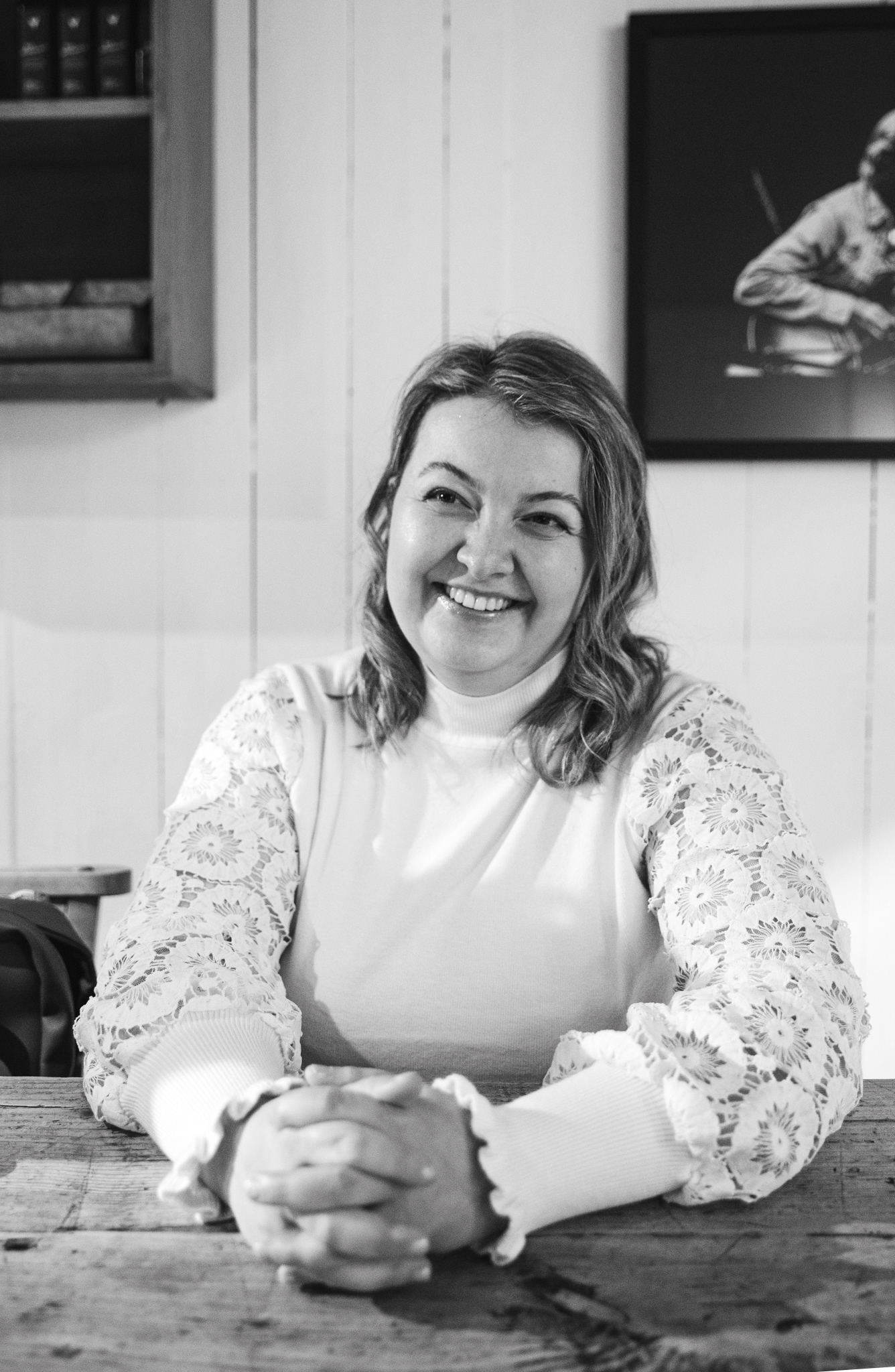
Emotional acceptance: objects as witnesses
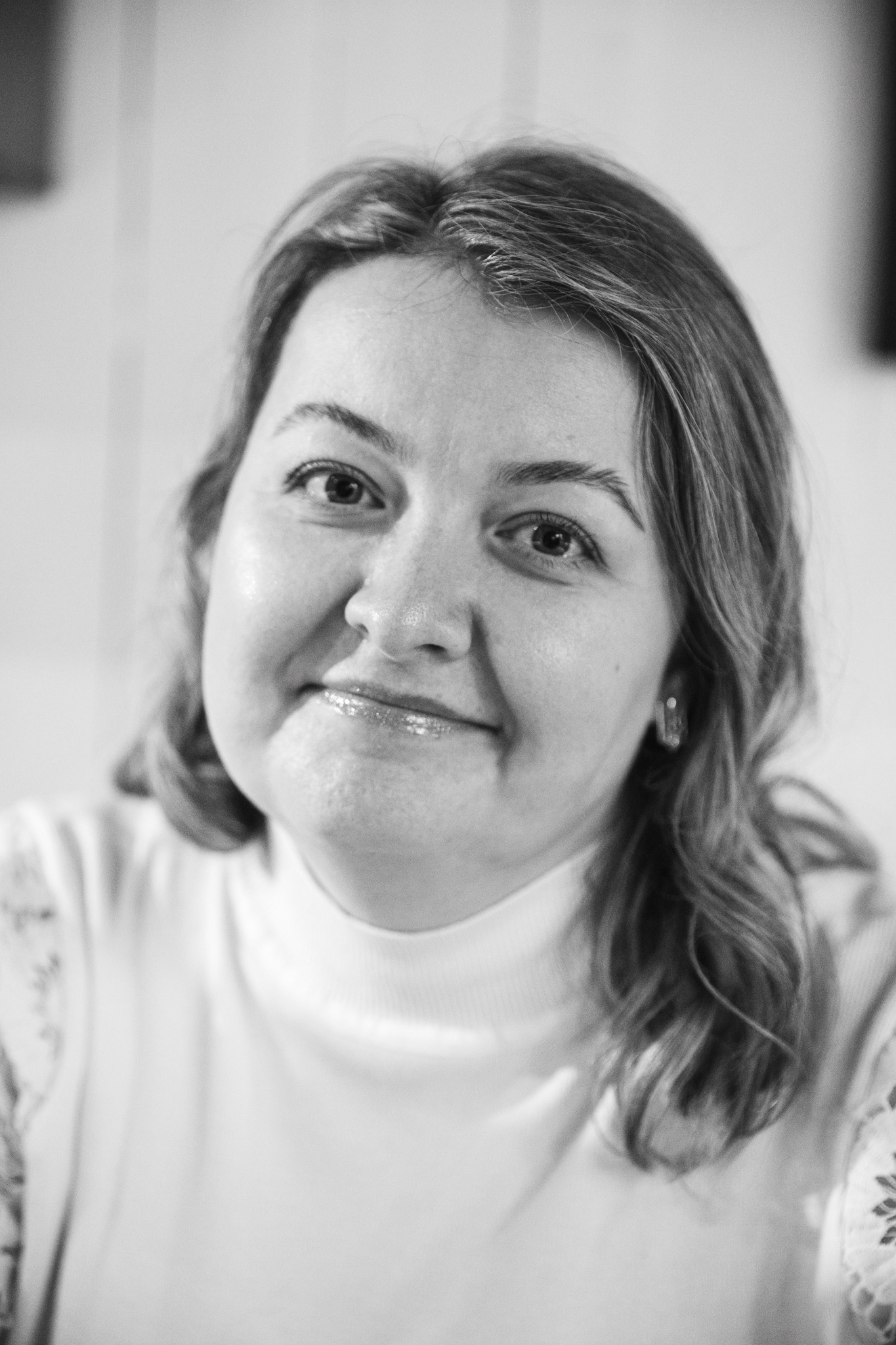
The most difficult process Yaroslava is navigating now is the final goodbye to her life in Kyiv. She has begun moving her belongings from Ukraine: books, sketches, photo albums, and icons she painted herself.
“For me, this is a very emotional, internal process. The point of no return. The moment has come when you can and must finally let go. When I unpack these things here, they are not just objects. They are evidence that I had a life ‘before’. They are a part of me, and I need to have them… The ‘Yaroslava in Britain’ is still forming. The ‘Yaroslava in Ukraine’ is now closing all her chapters.”
Therapy and internal anchors
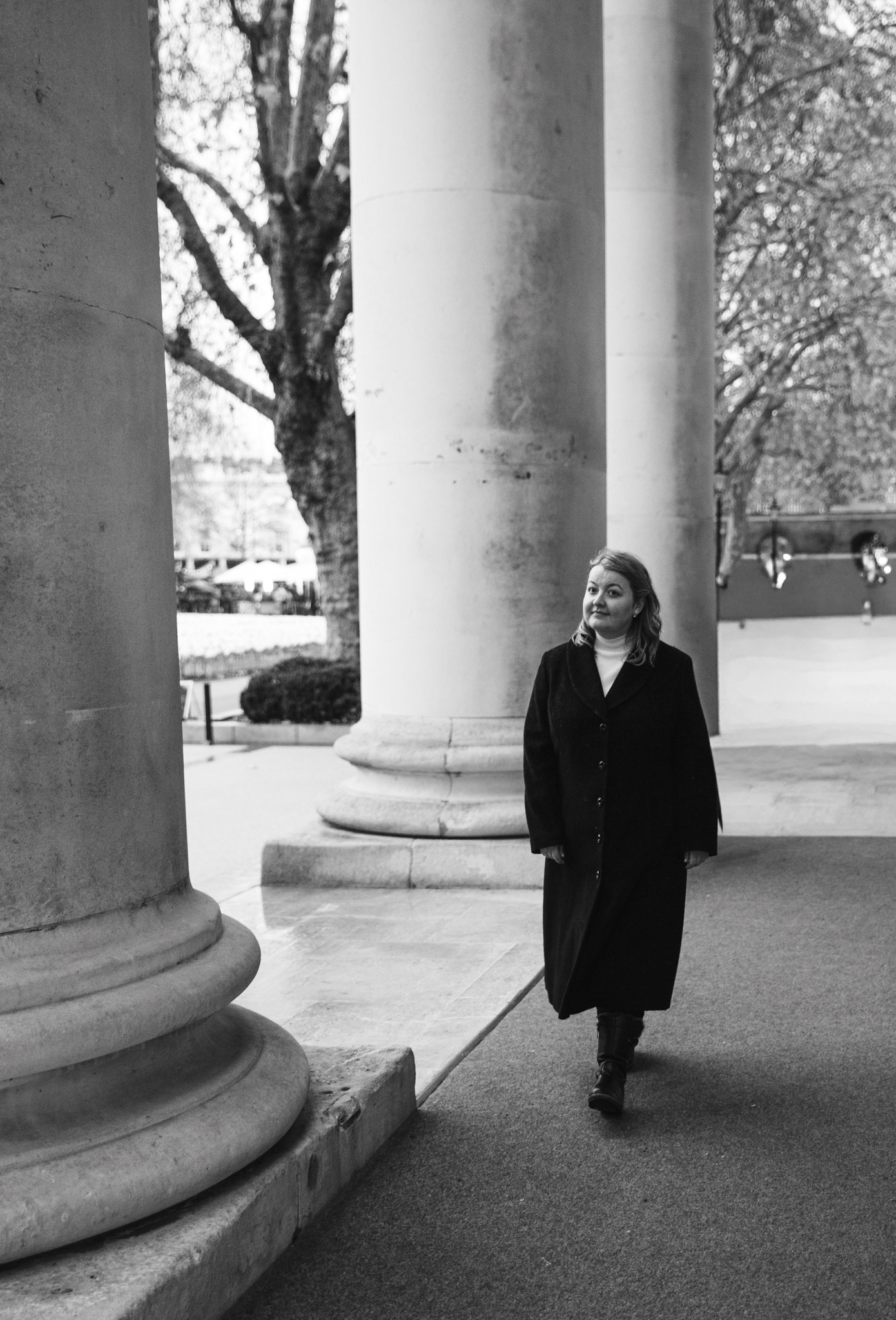
Yaroslava speaks candidly about working with a psychotherapist and taking antidepressants. For her, this is a path towards maturity and stability.
“I’ve been working with my new therapist for less than a year, but I feel myself maturing — I see changes in myself. Finally! I am not stuck in depression as much as I was before, and I recover faster when I have breakdowns. When there is heavy shelling in Kyiv, I always sense it a few days in advance — and I do not sleep that night. The connection to my native land remains, regardless.”
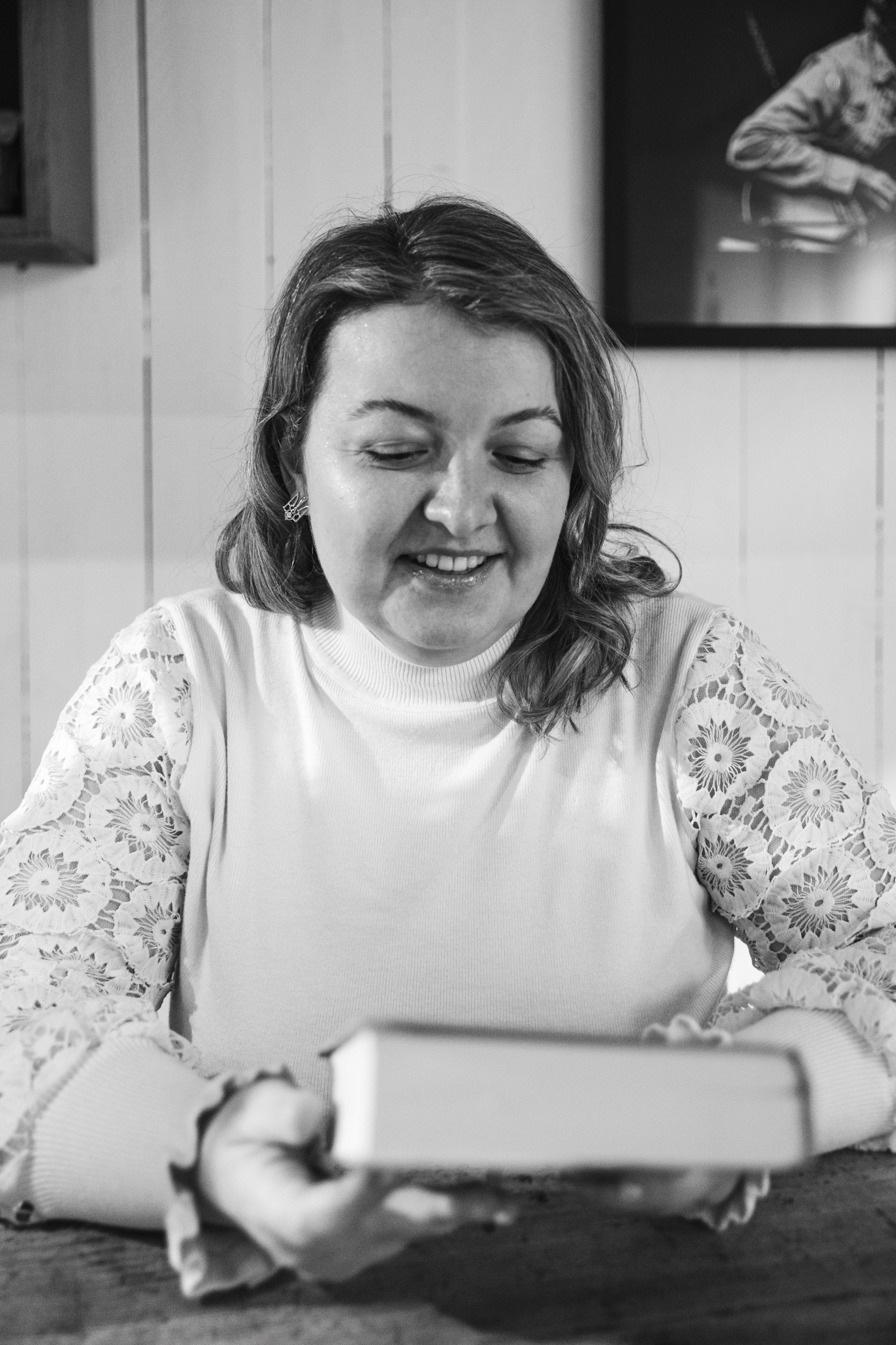
One of her main sources of support has been Tarot cards. She has studied them for over fifteen years and sees them not as magic, but as a language of symbols.
Ukrainian strength in Worthing
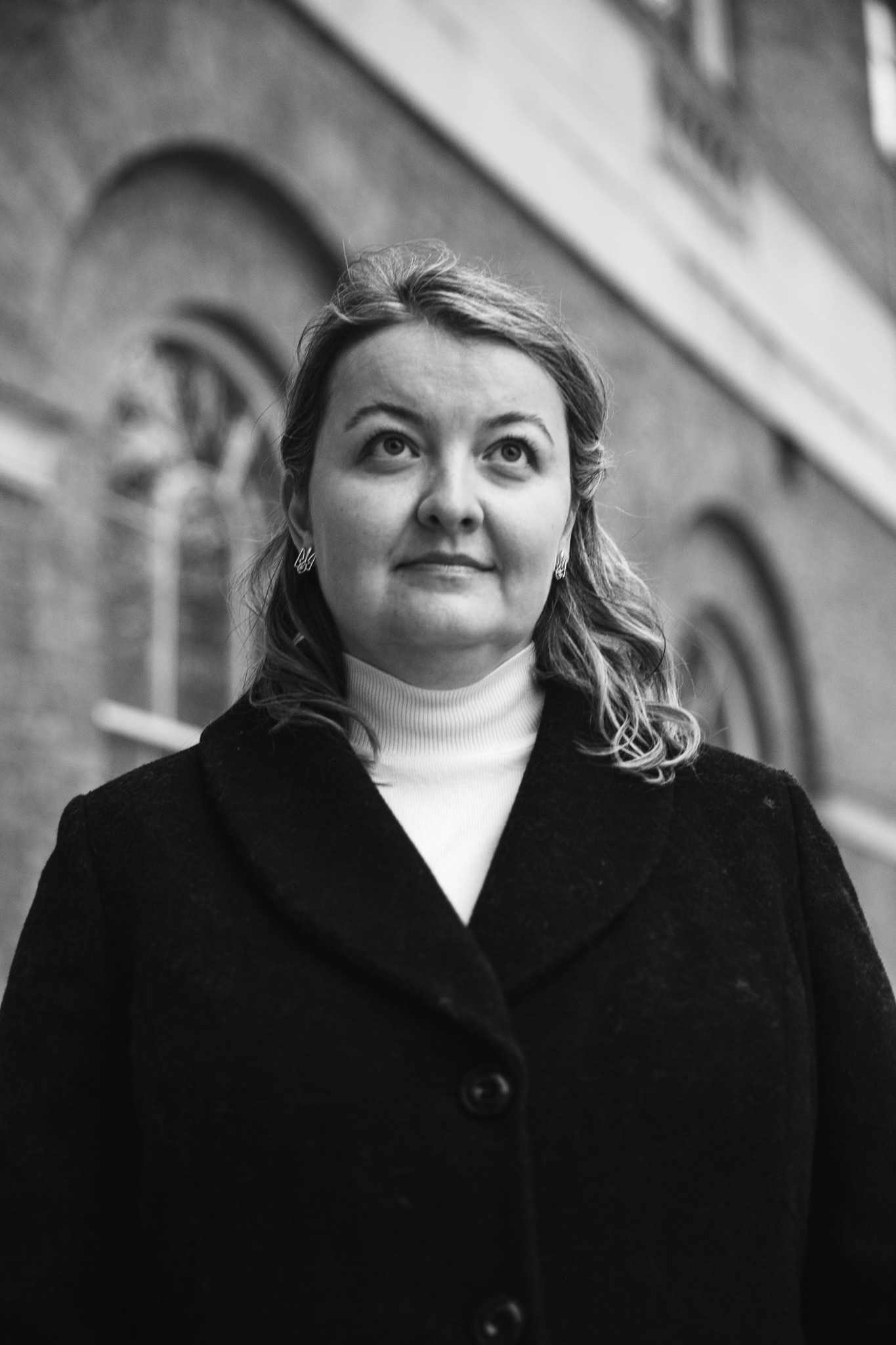
Yaroslava has become a driving force for the Ukrainian community in her town. She has organised exhibitions by Ukrainian artists, cultural days, lectures on traditions, workshops, and documentary screenings. It was her initiative that established a local tradition of honouring Britons killed in the Russo-Ukrainian war.
“When our Ukrainian community was invited to take part in Remembrance Sunday — which is an incredible privilege and honour — I proposed an idea: to place crosses with the names of Britons who died for Ukraine in the Field of Remembrance by the local Town Hall. We have maintained this tradition for four years now.”
Even in moments of exhaustion, she finds reasons for pride. One such moment was performing on the stage of the Royal Opera House with a choir of Ukrainian refugees, and at St Paul’s Cathedral with a Ukrainian Freedom orchestra.
“As a child, I was always told I had neither an ear for music nor a voice. Yet I sang in a choir on the stage of the Royal Opera House in London. At St Paul’s Cathedral, we sang Ludwig van Beethoven’s ‘Ode to Joy’ in Ukrainian. It was a moment of dreams and unreality and extreme pride — a moment that became iconic for me.”
Instead of an epilogue
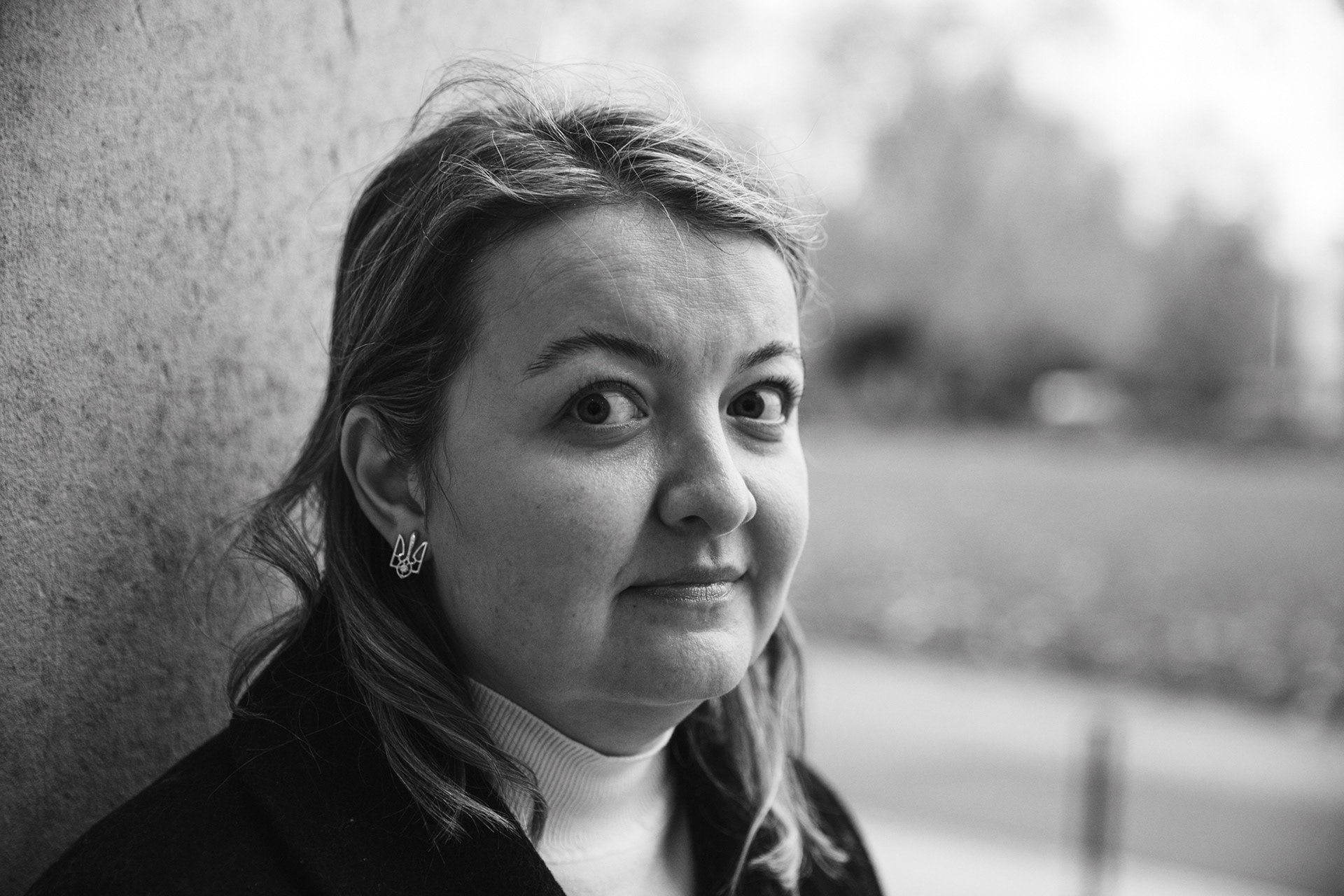
Today, Yaroslava Matvieienko is preparing a major poetry-and-music event in London and writing two debut books. She is planning to move into her own home and intends to publish an anthology of stories of Ukrainian women experiencing full-scale invasion written as fiction stories titled I (Don’t) Know How to Write About This in English, following its publication in Ukraine, which includes her short story. She also aims to establish her own cultural and arts organisation and is determined to earn a local degree.
“My primary field of activity is myself. I dream of my own business — where I am my own boss, setting my own deadlines and meeting them; where no one holds me back; where I can ‘spread my wings’. I choose this responsibility — and I am ready for it.”