The Safety Pact
For Lyuda Serhiyenko, the war did not begin with the first explosions, but with heavy, stifling kitchen conversations weeks before that fateful morning. Her husband, Denys, driven by a sharp premonition of catastrophe, had insisted on the family leaving for Europe as early as the beginning of February. While the country lived under the illusion of "May Day barbecues," the air in their home in Ostroh was electric with anxiety.
"My husband began to insist that war was definitely coming. This was two, maybe three weeks before the start. He said, 'Take the lad and go to Europe.' I didn’t understand—go where? Where exactly? We had no one in Europe: no friends, no relatives, except for a godfather in Germany. Our family had never been 'unravelled' across the globe. We were rooted in our land, we were at home, and the idea of becoming a refugee seemed like something from a parallel universe."
Lyuda resisted. The idea of abandoning everything to go "nowhere" seemed absurd. It was then they made a pact that would later save them from the chaos: Lyuda promised she would not argue and would leave the very minute Denys said "time." This was the condition for their internal peace.
"We agreed: if I tell you to go—you go, and you don’t argue. I said, 'Right, I promise. If you tell me to go - I’ll go.' A week before the invasion, we packed our 'emergency bags.' We bought 6A gas masks, torches, batteries. The cellar was cleared and ready. We did all this a week early, but I still didn’t believe it. My position was steadfast: war in the 21st century is impossible. It was a total nightmare that my mind simply couldn't grasp."
Dawn in a Stupor
The morning of 24 February began at 4:30 am with a call from Denys’s parents, who lived near Kyiv. Over the phone, Lyuda heard the sound every Ukrainian now knows—the whistle of missiles and the wail of sirens.
"We got up immediately, ran downstairs, and turned on the TV. We just froze in front of it for about five minutes. We stood in the living room, glued to the screen in total shock. We needed that visual proof to believe the world around us was collapsing. There was a montage from different cities: explosions, fire... It was incredibly difficult to let it in."
In Lyuda’s town, it was quiet, but the survival mechanism had already been triggered. When their eight-year-old son, Danylo, woke up, his parents told him straight: "The war has started." No panic, but a clear plan. While Denys and his father hid agricultural machinery in the woods so it wouldn't become a target for enemy satellites or aircraft, Lyuda set about "saving" the life of their business.
"I loaded all the accounts and important documents into the car and moved them home. It took half the day. Then we realised we hadn't even had breakfast. We returned, and the sirens were already wailing in town. My 'special op' was to buy pet food. By midday, the shops were already empty. I bought the last two packets of buckwheat and some pet food we’d never used before. The shelves were bare. At two in the afternoon, during breakfast, Denys said simply: 'Pack the car.'"
48 Hours at the Border
Packing took two hours. At four in the afternoon, they headed towards Volyn. Lyuda and Danylo were in one car, her husband and father-in-law in another, escorting them all the way to the border. A registered shotgun lay in the boot—for self-defence.
"Even leaving the Rivne region for Volyn, we didn't feel safe. It felt as though an enemy helicopter could descend onto the road at any moment. We’d seen the news about Hostomel, and that fear was everywhere. When we finally reached the border, the queue was five kilometres long. We stood for 48 hours. I kept checking the wing mirrors: if something starts, where do we run? It was a thick, constant state of anxiety."
At the border, Lyuda witnessed the total collapse of human fates. Men were no longer allowed to leave, and women who couldn't drive or had no transport of their own were left in despair.
"Nearly half the cars were at a standstill because the men were being turned back, and the women often couldn't drive. But they couldn't get out of the car either, as it wasn't a pedestrian crossing. They just stood there, begging anyone for a lift. My car was packed to the roof, but we shoved things into the boot and took in two women and a child. That’s how we crossed—strangers united by a common grief."
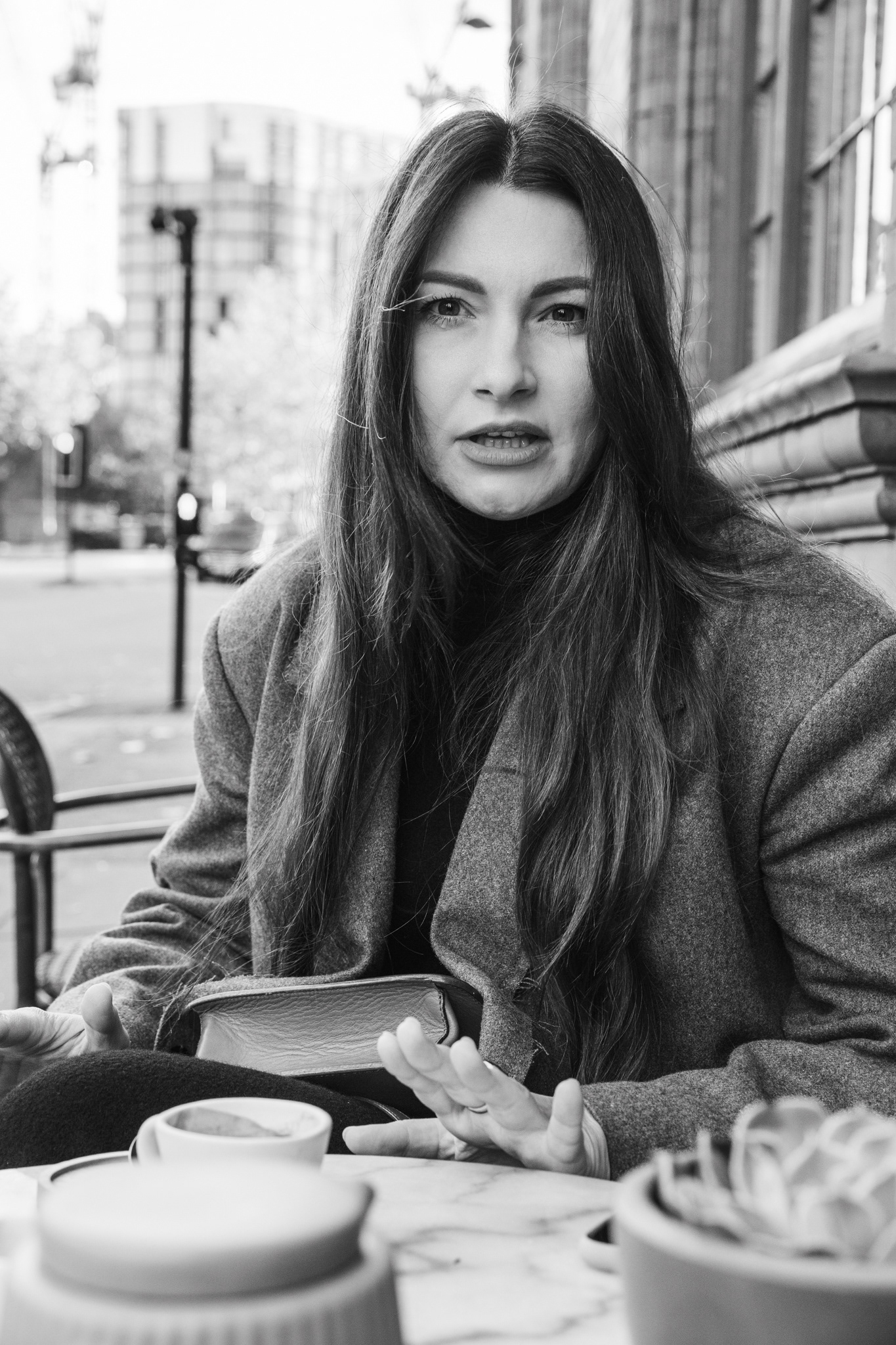
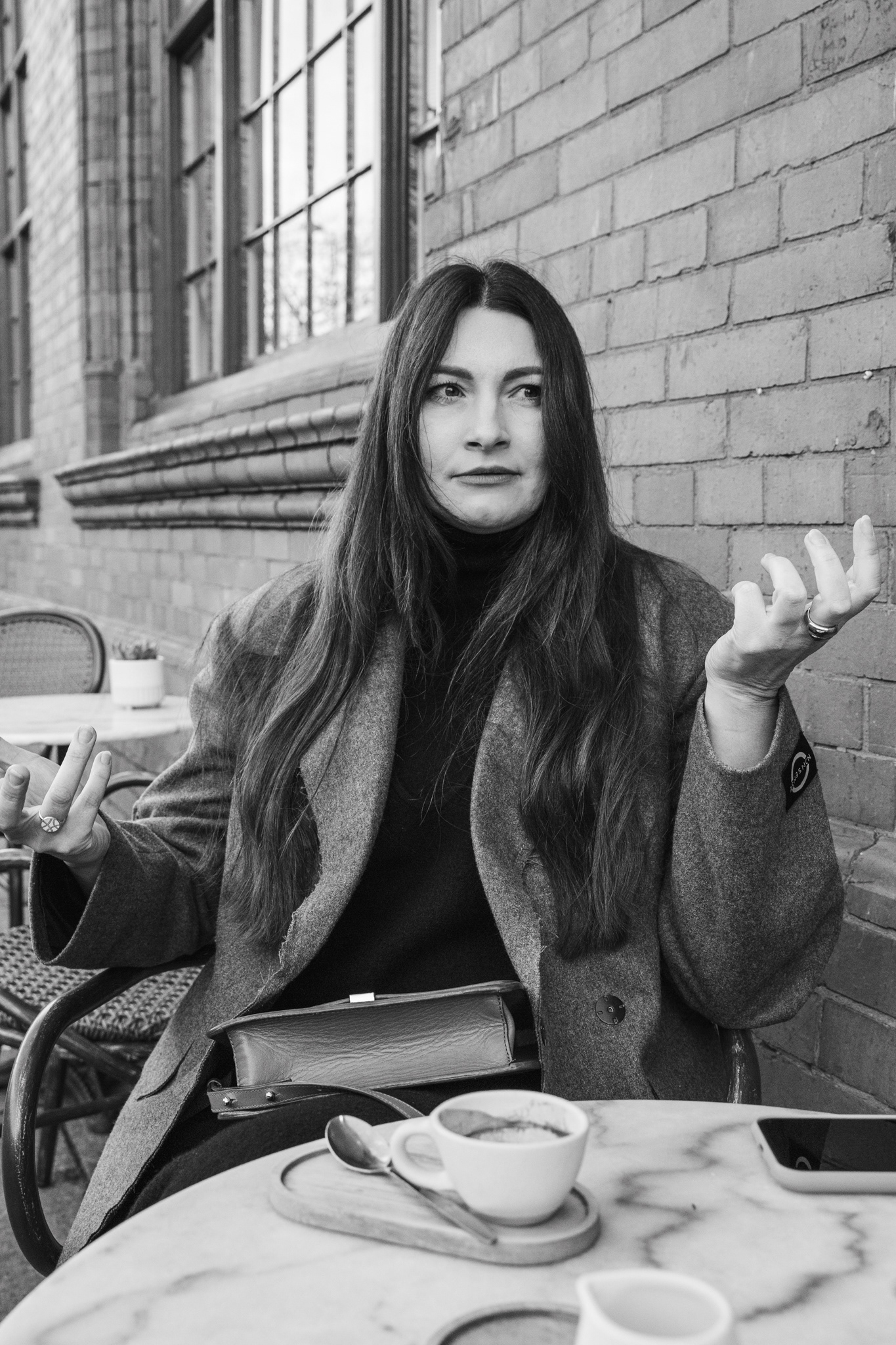
Drifting Through Europe
The first stop was Germany, staying with the godfather. They planned to stay for a week, but it soon became clear—this was for the long haul. Later came sunny Portugal. Danylo started at a private school there, but the language barrier proved immense. The teacher knew no English, and Danylo knew no Portuguese.
"We lived in Lisbon; Danylo was learning the alphabet and animals, but it was just treading water. When summer arrived, I realised: if we aren't going home in the coming months, we need an English-speaking country. Returning in June 2022 was still too frightening. I began looking at options. America felt like the edge of the world to me. I felt that if I went there, I wouldn't see my family for years because of the visa rules. That broke my heart. It was too important for me to be able to return."
England was the solution. Lyuda found a way to move through the sponsorship scheme herself. She planned the routes and drove thousands of miles across Europe alone.
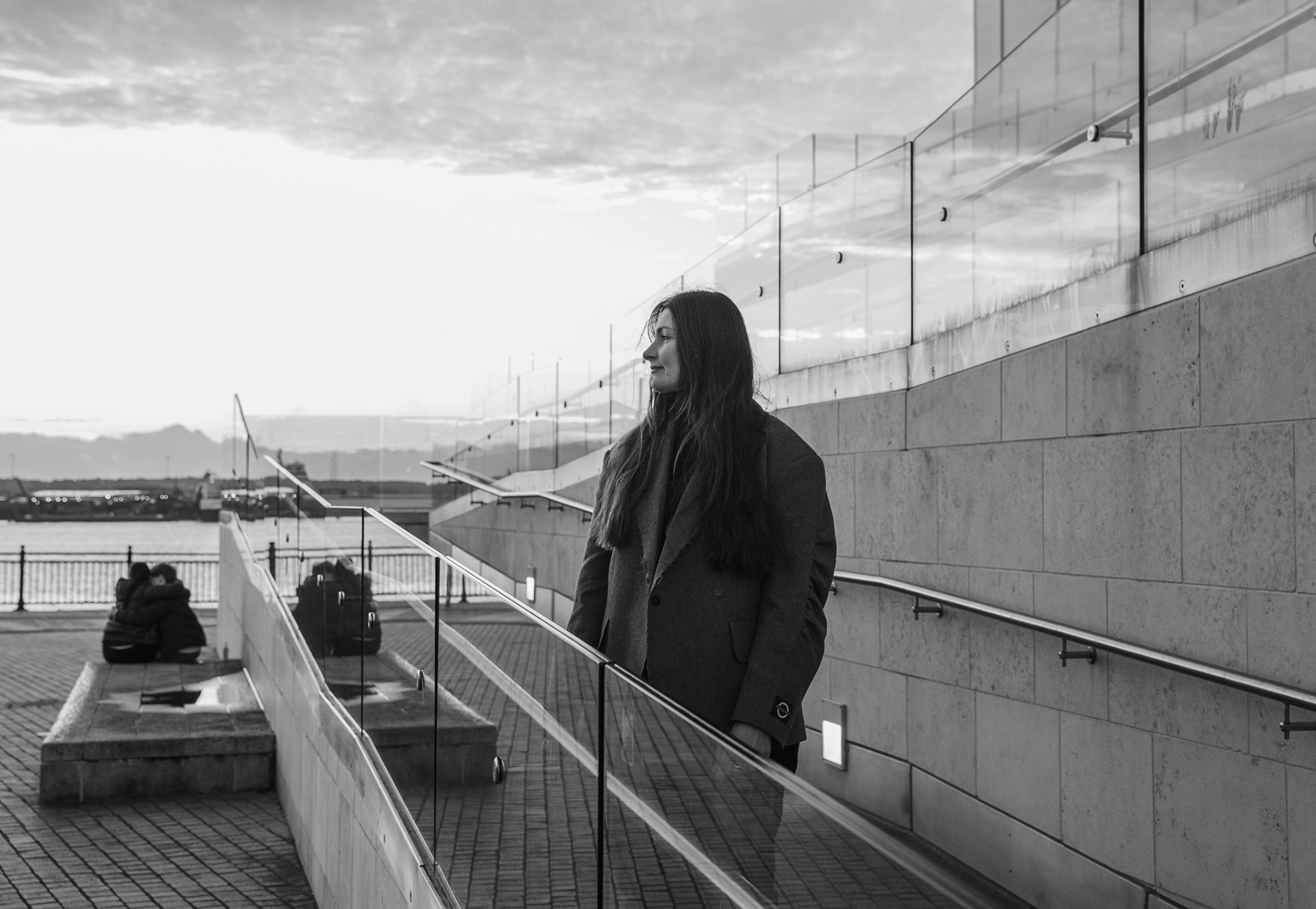
"I wasn't afraid to drive across Europe. I wasn't stressed by the road or the unknown. I just knew I had to be strong for my son. In Liverpool, we were met by Pauline. 75 years old, reserved, a spotless house, minimal furniture. She fed us roast chicken, but you could tell—she wasn't someone who liked hugs or too much closeness. We lived there for six months, and I was grateful to her; I even helped her out, driving her to the gym. But I always remained self-sufficient."
A New Chapter with Mel and Alex
When Pauline fell ill during a holiday in Thailand, Lyuda faced a challenge: find new housing within two weeks while she was actually back in Ukraine for a visit. She took charge again, contacting Liverpool City Council. That is how Mel and Alex entered her life.
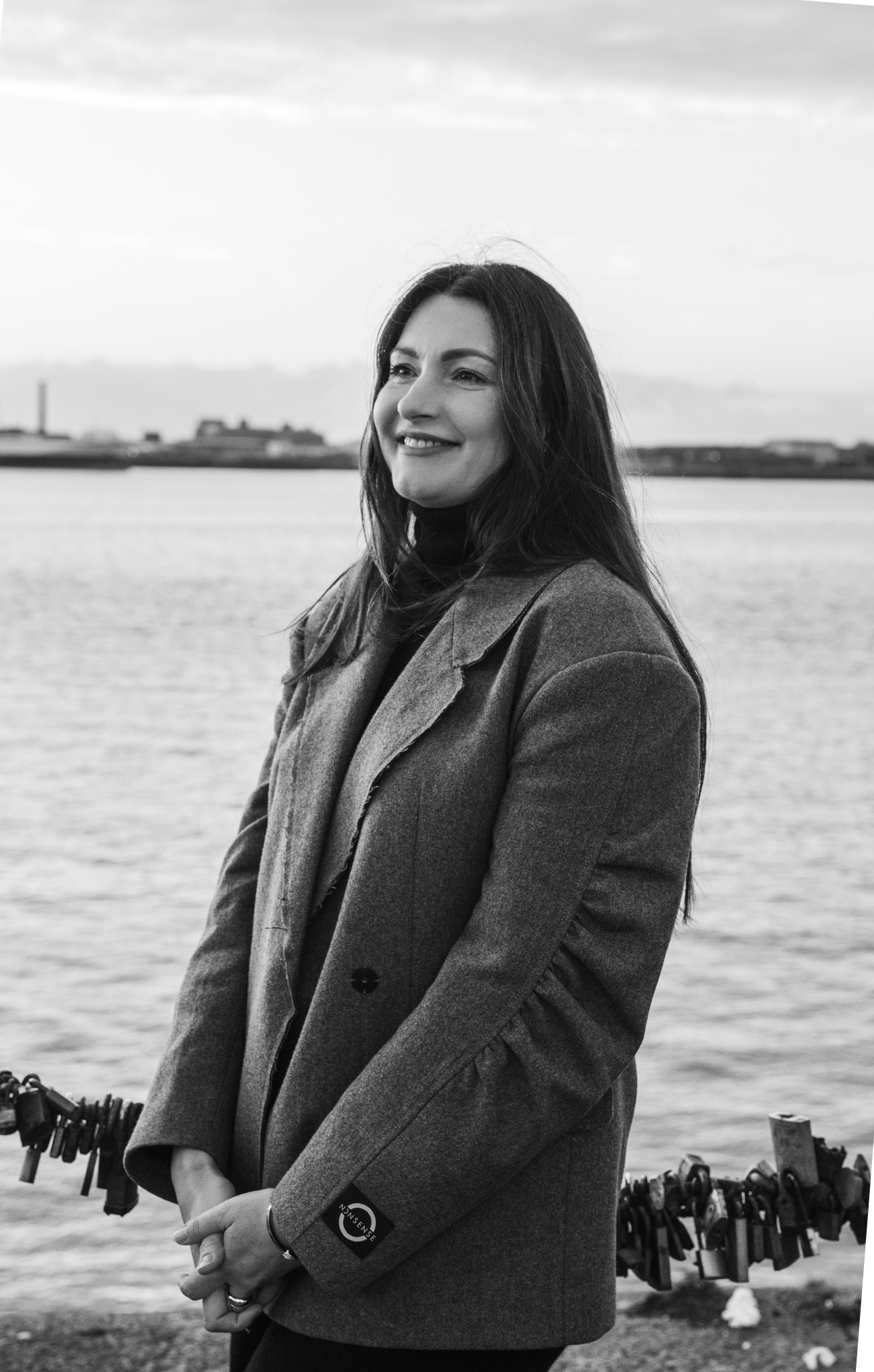
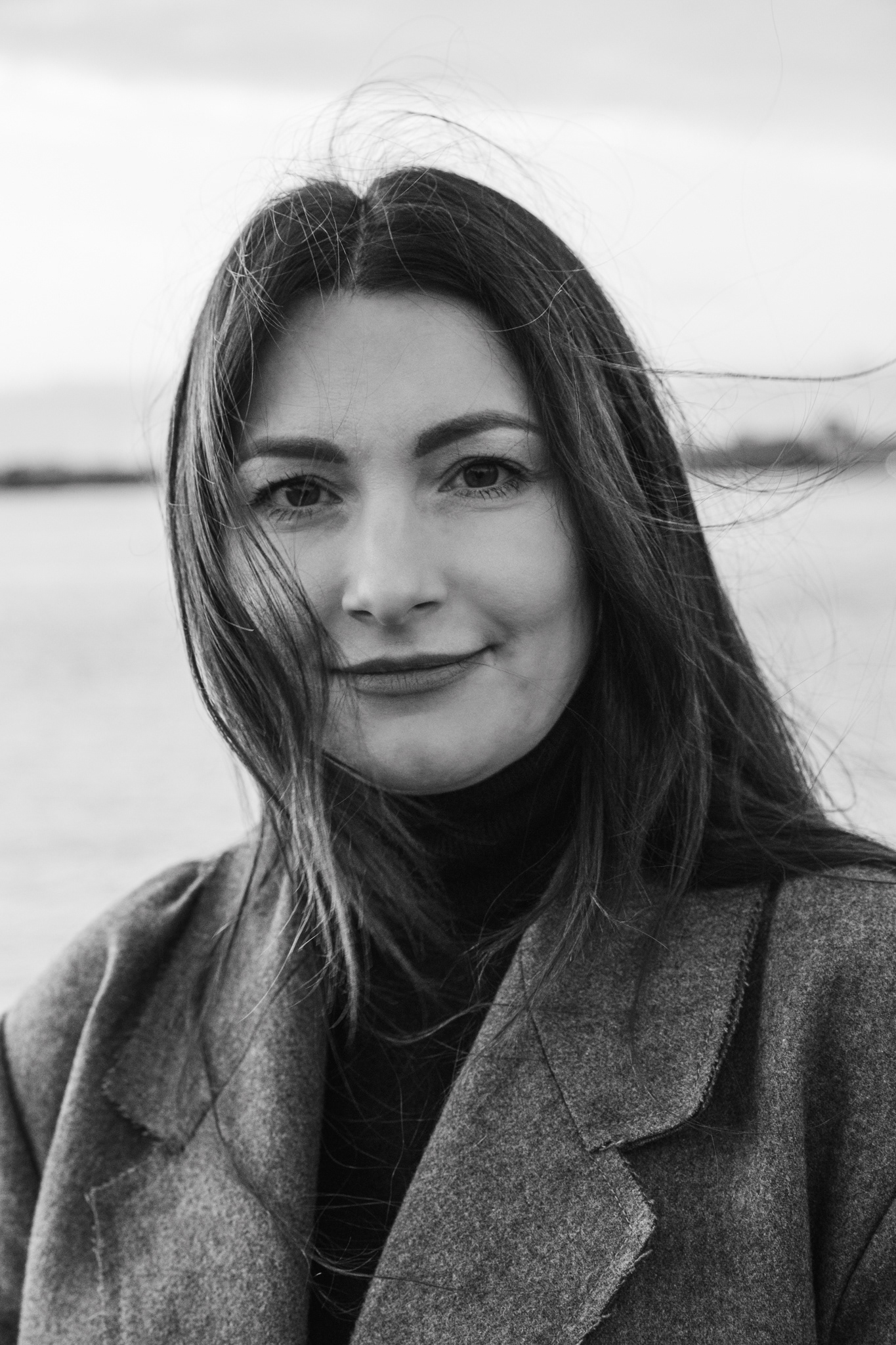
"I did a video call with the new sponsors directly from home, from Ukraine. They seemed incredibly friendly. When I arrived at theirs in January, the contrast was huge. After Pauline’s sterile house, I walked into a home full of things and two long-haired dogs. I actually started coughing at first. But Mel and Alex turned out to be such open, flexible people that the domestic trifles faded into the background. With them, you didn't have to play the role of the perfect guest. We could just make coffee in the same kitchen in silence, and it was okay."
Manager of Ukrainian Life
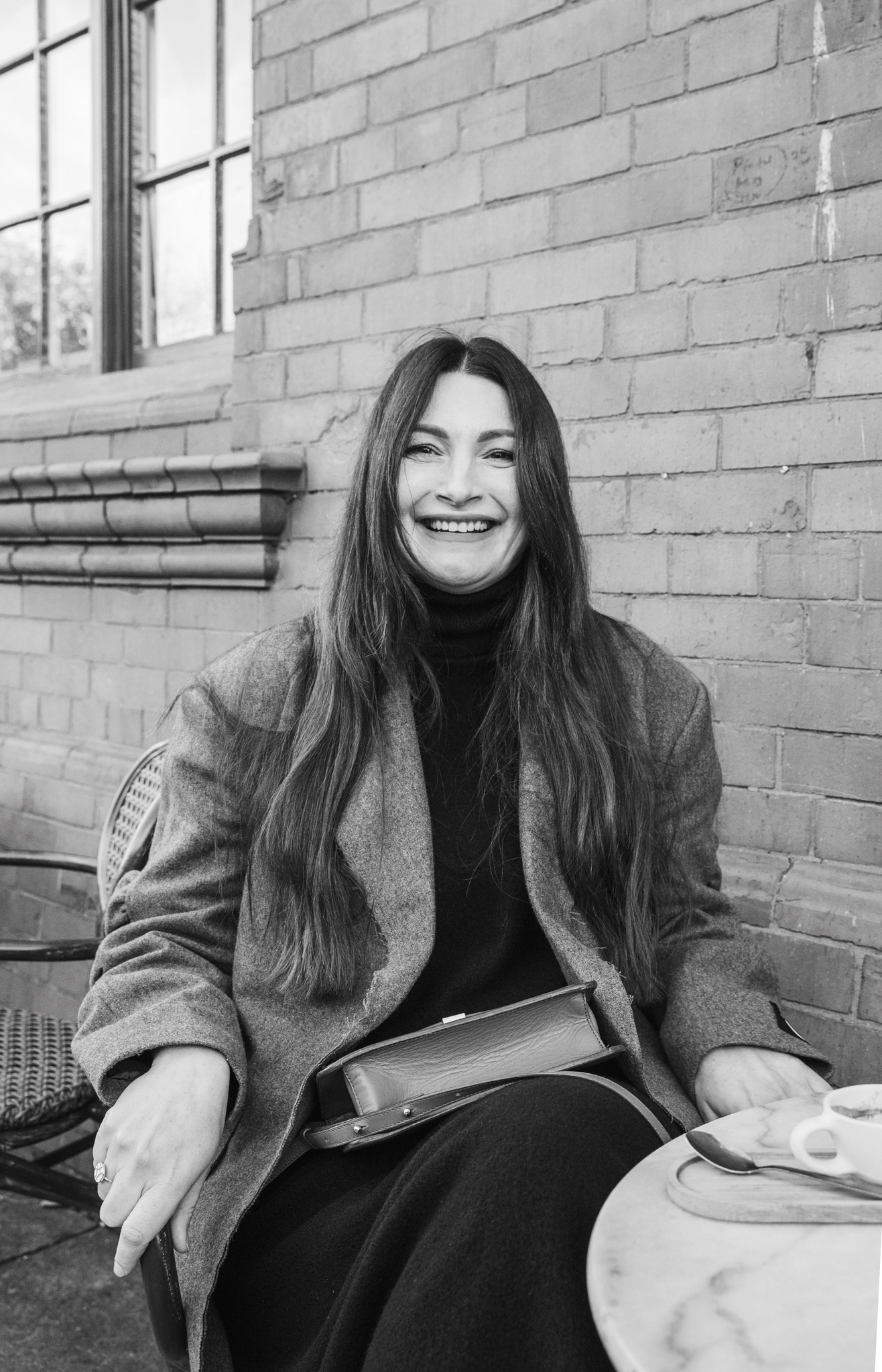
Life in Liverpool for Lyuda became more than just waiting for victory; it became about actively building a Ukrainian space. She became a manager at the Ukrainian Centre (AUGB). It became her second job, where she spends 4–5 hours every day.
"I feel that what I am doing is what I am meant to be doing. My basic needs are met, so I have the capacity and the desire to help others. Our centre is a living organism. On Saturdays, everything is scheduled to the minute: Ukrainian language, dancing, choir. We received a large grant for art classes with Aram Manukyan—he’s a famous artist—and these classes will run for two years. It’s incredibly wonderful to see people blossom."
A special place in her work is held by the "Kryla Culture" project, created with her friend Yulia. They run cinema marathons across Britain, screening Ukrainian films.
"Our focus is the English audience. We want to engage the British public, to show them our culture through films like Dovbush or Culture vs War. When I see British people in the cinema, I feel pride. We aren't just asking for help—we are showing that we are a talented nation and telling the truth through art."
The Price of Distance and the "Stone Within"
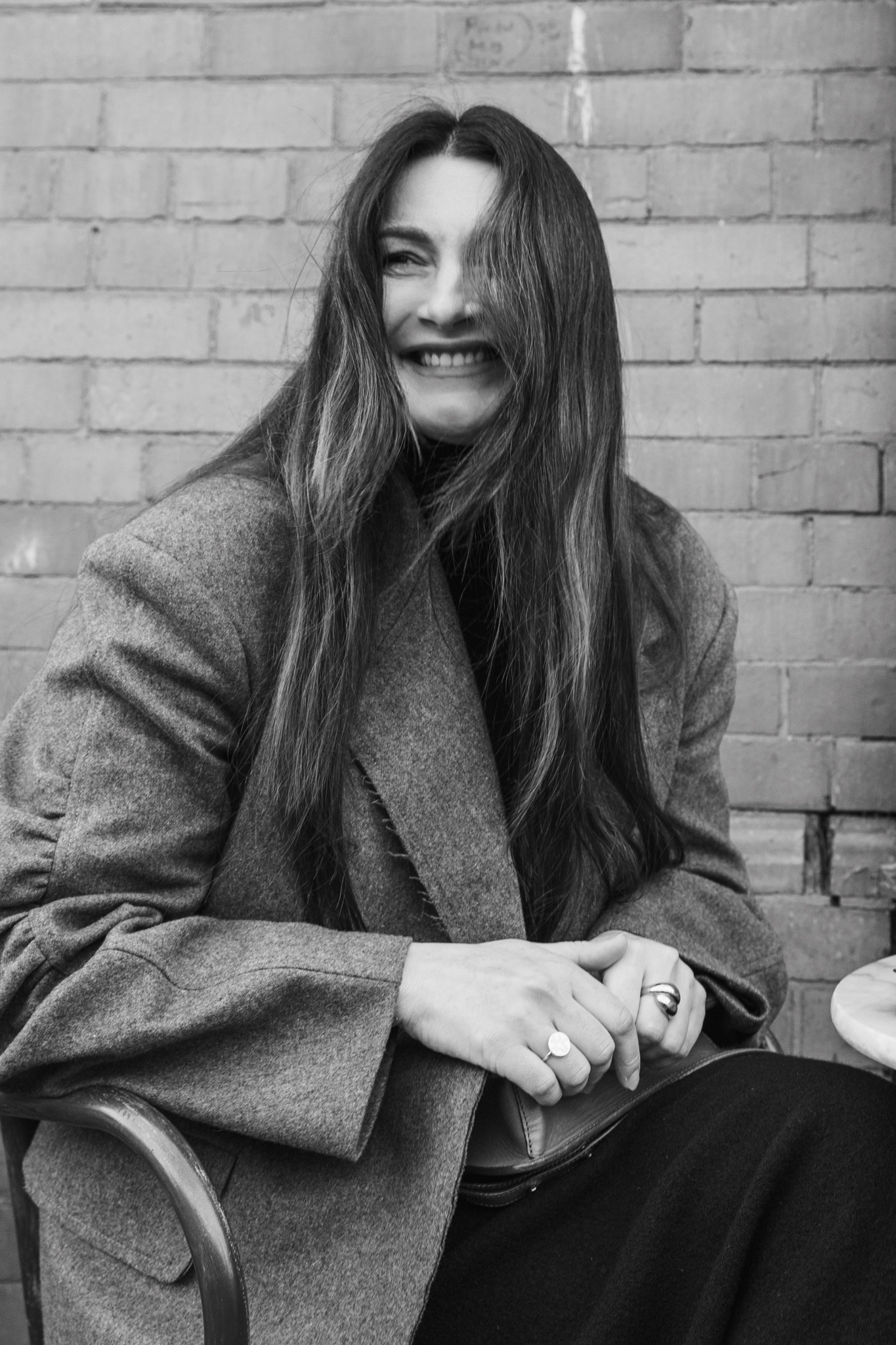
Behind the active public life, however, lies the personal pain of a woman whose family is divided by borders. Lyuda travels to Ukraine regularly, enduring exhausting routes via Warsaw or Wrocław. Each trip involves three days of adjusting at home and three days of recovering after returning.
"The distance affects the relationship. At the end of 2024, my husband and I felt we were on the edge. We started communicating less; certain tones crept in. I’m a person who likes to talk everything through. I’d say, 'I don’t understand, let’s unpick where this is coming from.' It’s hard for men to dig into themselves; Denys didn't want to do it, but we went through it again and again. We make decisions together—whether to stay here for another year or return. For now, we’ve decided to let Danylo experience Secondary School. It’s a challenge for him and for me."
Lyuda speaks candidly about how she handles depressive moments.
"Sometimes despair washes over me. When it does, I just crawl under the duvet for a day or two. I see no one, I talk to no one. Danylo knows now: Mum is 'in her little house,' leave her be. It’s my way of recharging. In 2023, I had a constant stone in my soul—a homesickness that wouldn't leave, no matter what I did. Only now, in 2025, has it become a bit easier. The stone has got smaller, but it hasn't gone anywhere."
The Philosophy of Returning
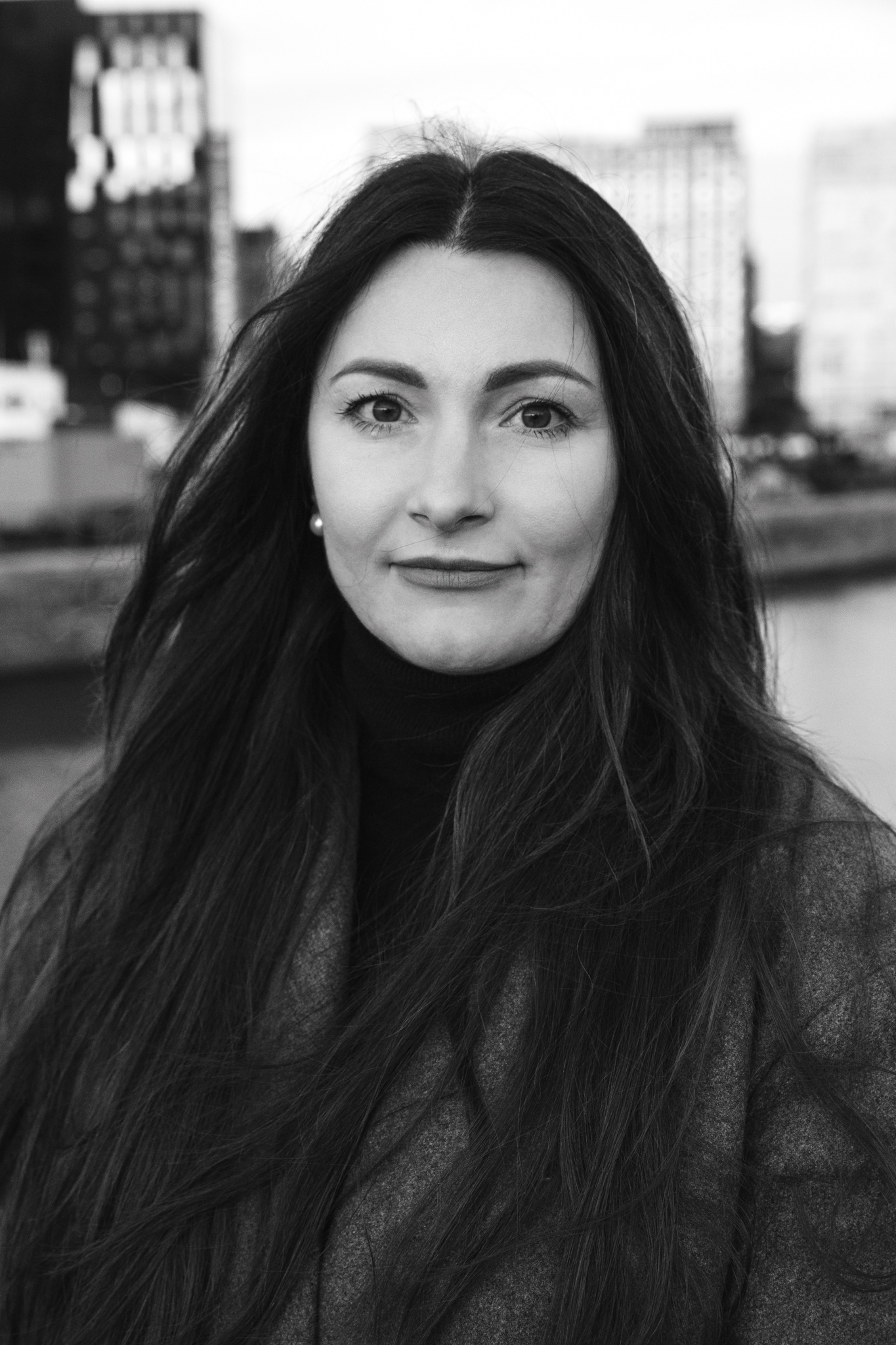
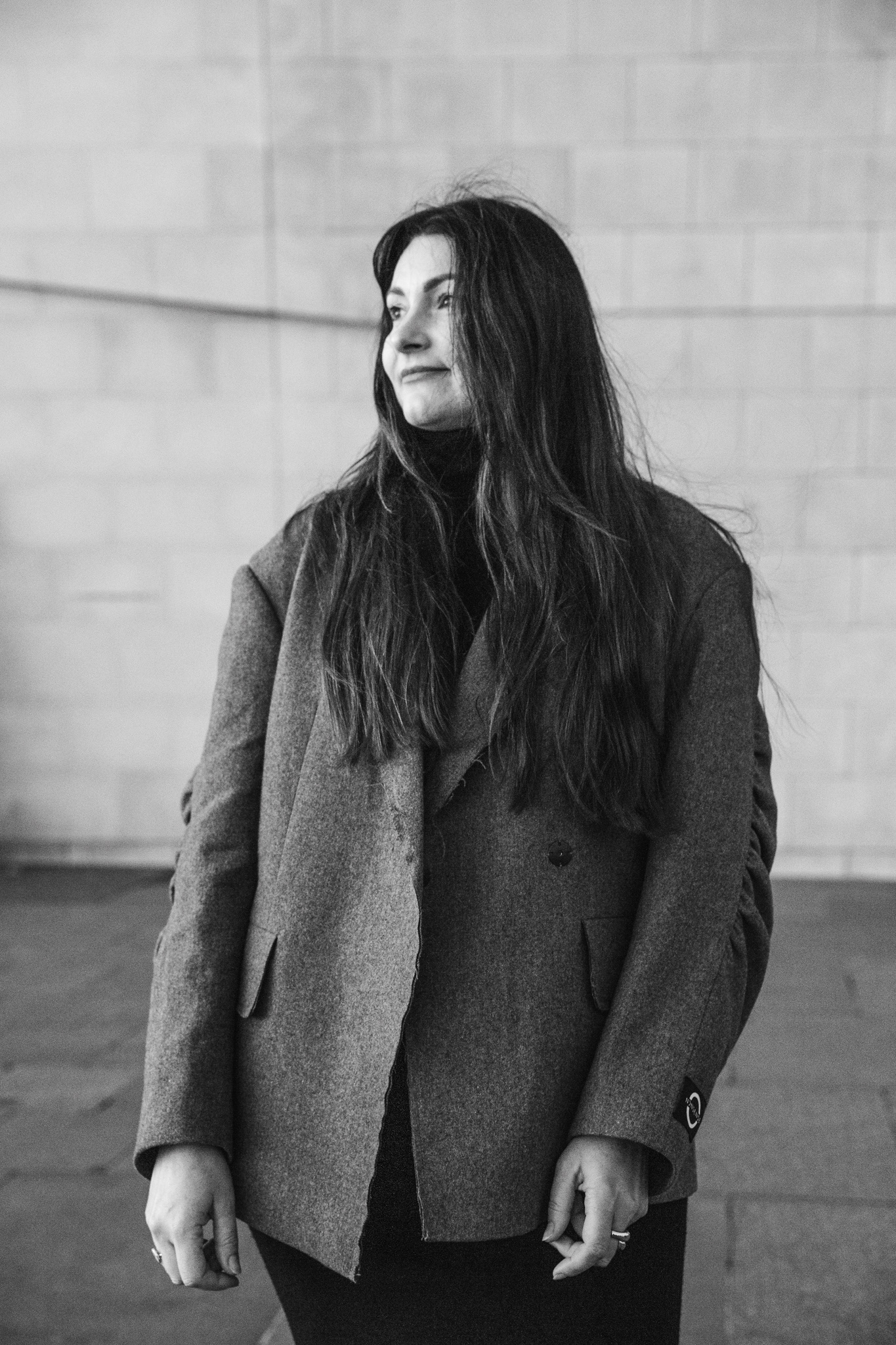
Lyuda Serhiyenko harbours no illusions about her future in England. She values the experience, she is grateful to Britain, but her identity is firmly tied to Ukraine.
"I don’t plan to build a life in England. We have no plans for my husband to move here. I sometimes challenge him with questions like, 'Why can’t we live here?' And he says, 'Who will live in Ukraine then? What kind of Ukrainian are you then?' And he’s right. I am happy that I can do what I am doing now. Every event, every bit of feedback from a Ukrainian or a Brit gives me strength. Even if I’m on the edge, I know I’ve got a little left in the tank. We will go back. This is just a very long way home."