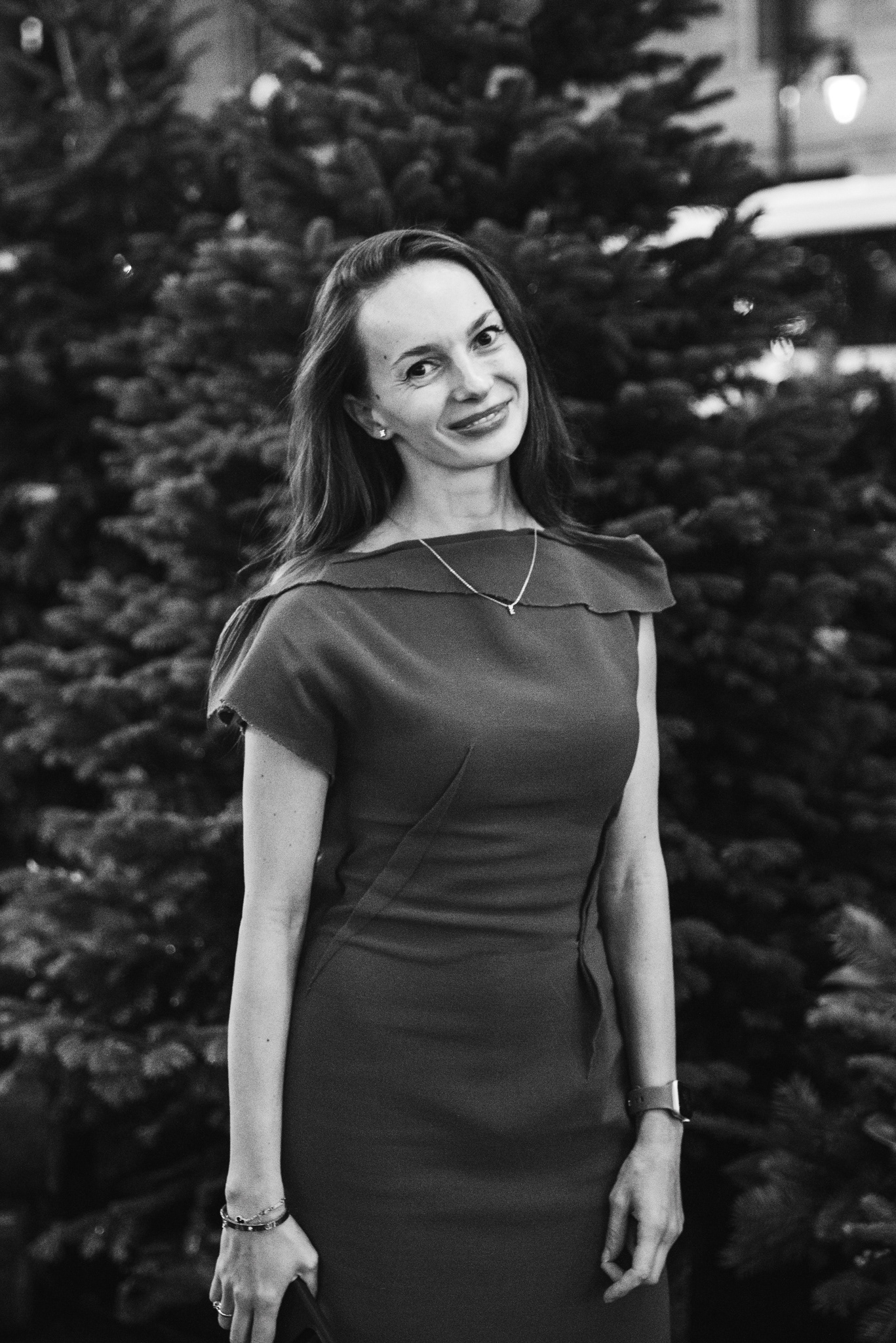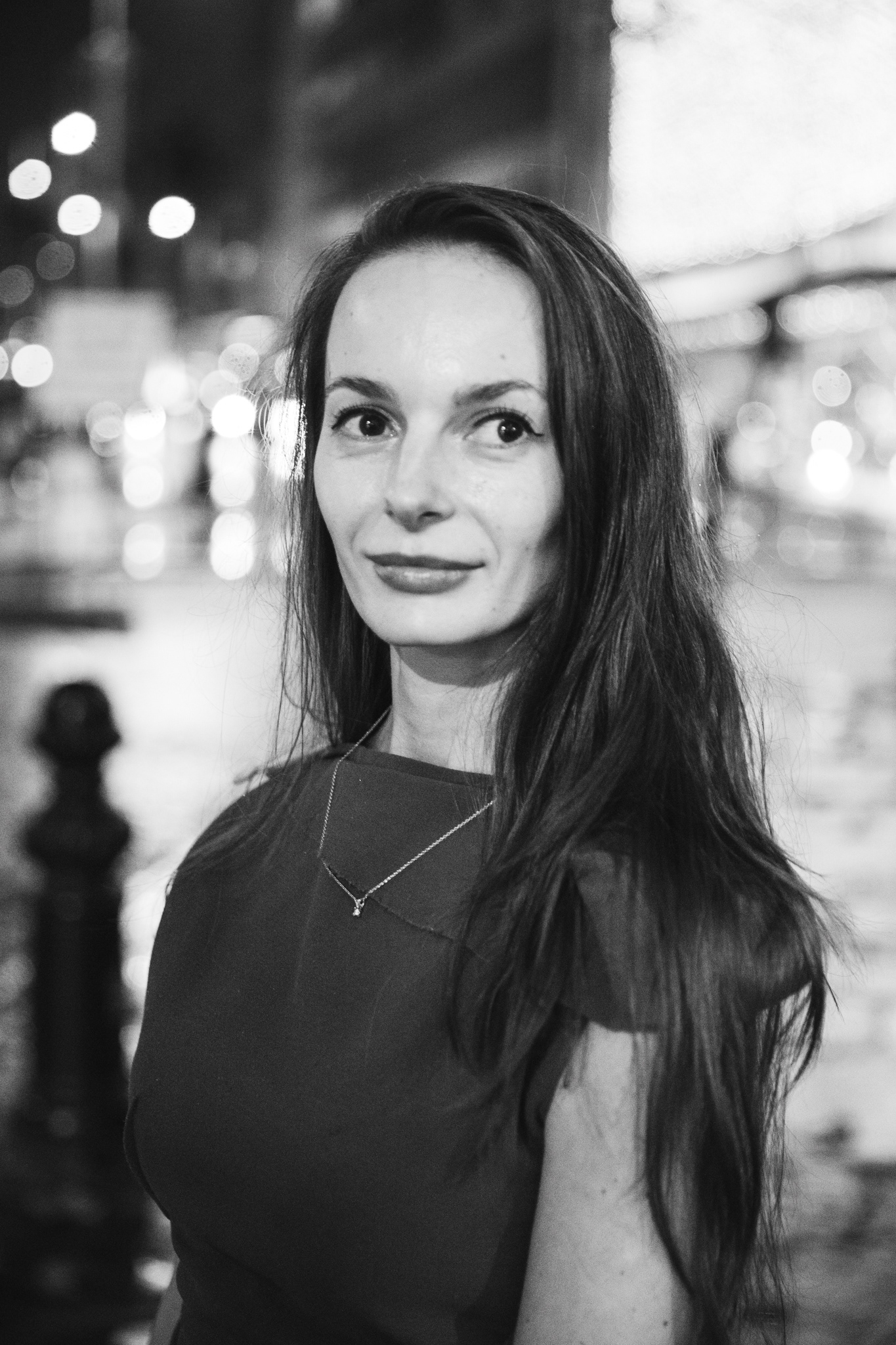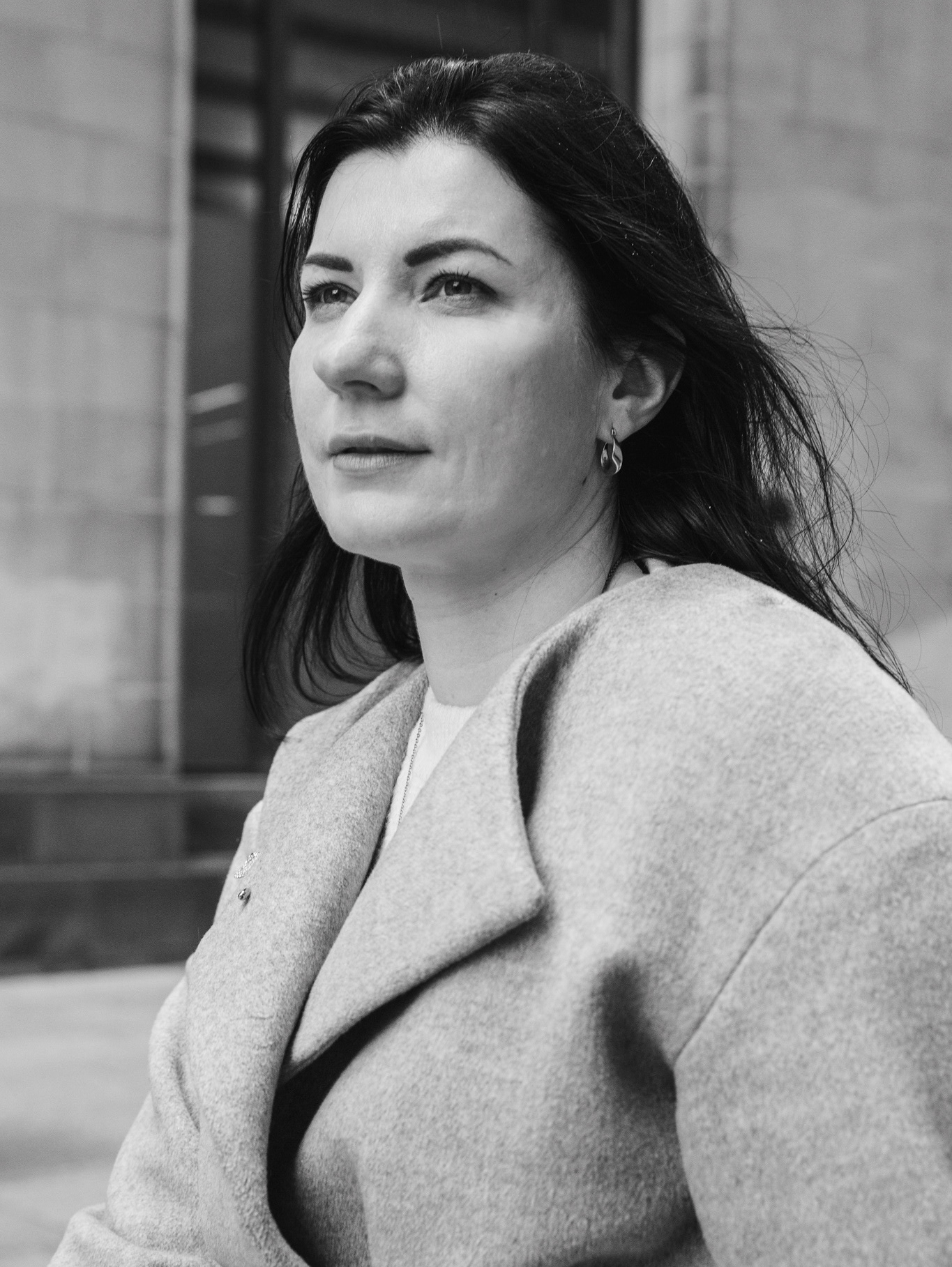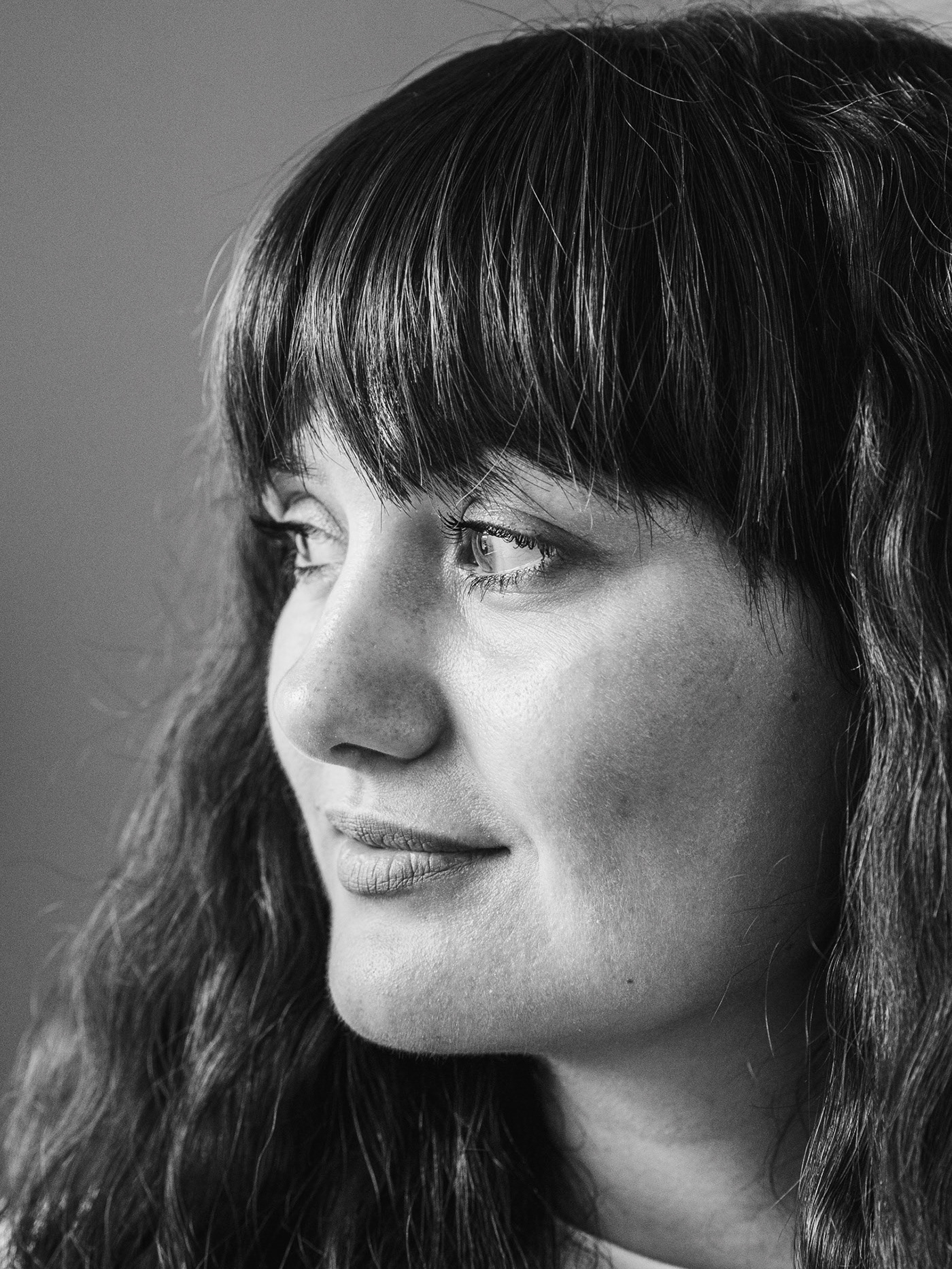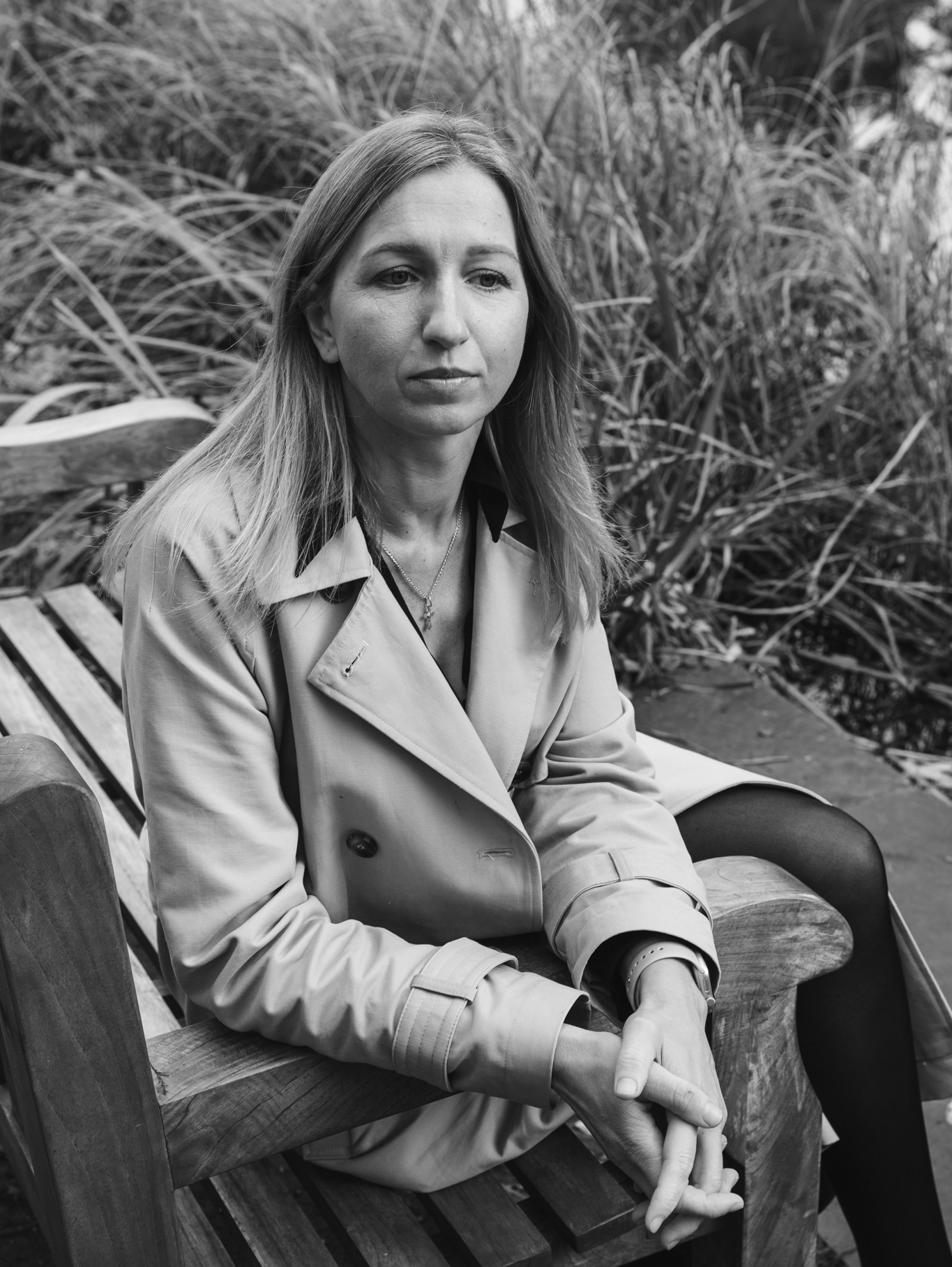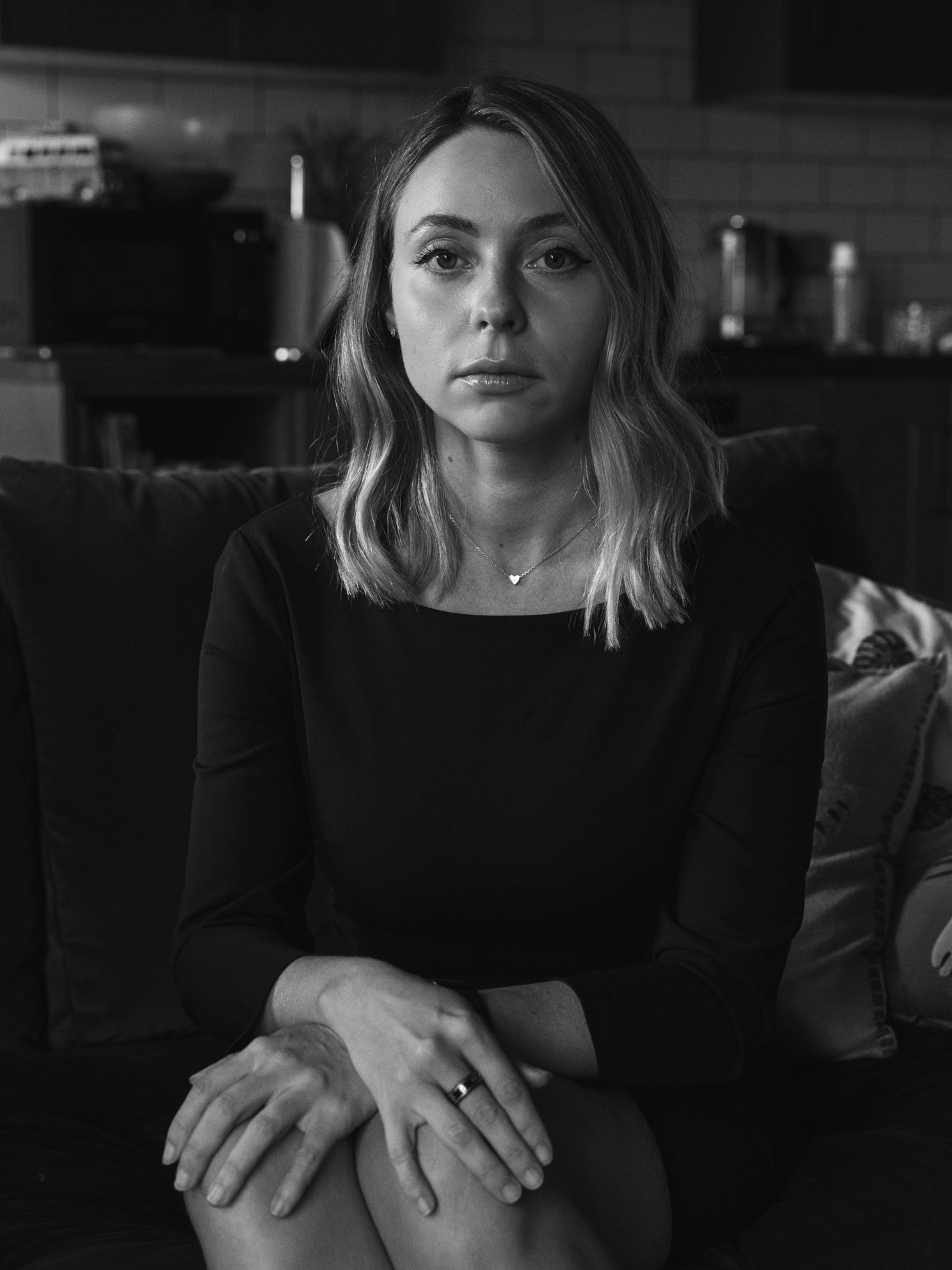
Diana: The Right to a New Life
In the heart of Kyiv, where the glass facades of business centres reflect the capital’s dynamic rhythm, Diana Bondarenko felt she was exactly where she belonged. A successful lawyer with twelve years of legal experience, she was accustomed to the clarity of law and the logic of procedure. But on 24 February 2022, the world’s familiar logic shattered into pieces to the sound of the first explosions.
Today, Diana is a legal professional in London. Her journey from the basements of Kyiv to the offices of the British capital is more than just a story of evacuation. It is a documentary testament to how a Ukrainian woman can pull herself apart and rebuild from scratch in an entirely new, often alien environment, while preserving her dignity and professional ambition.
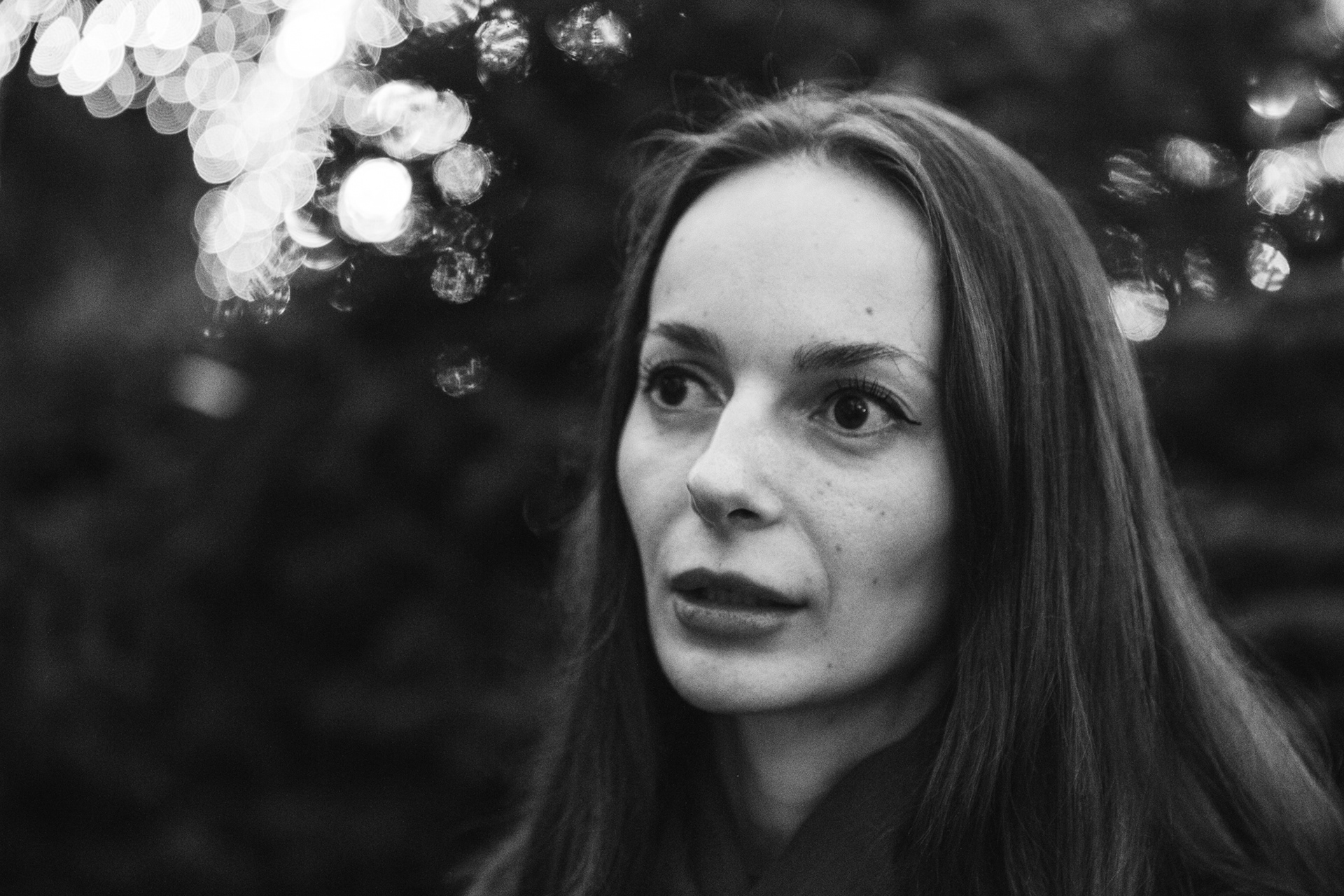
‘A Shock Impossible to Grasp at Once’
Diana was in Kyiv when the full-scale invasion began. While the world shuddered at the headlines, she struggled to comprehend a reality where her home city of Sumy had fallen under occupation within the very first days.
"I remember the day I woke up to the news that the war had started. Naturally, it was a shock for everyone. My parents were near Sumy, and they were occupied immediately. That first day was a blur: what should I do, how should I react? It wasn't that I froze; there was just no understanding at all. Of course, no one went to work; everyone started helping, communicating with one another just to figure out where everyone was."
The first week in Kyiv was a test of psychological endurance. Living on the 16th floor in the city centre, Diana experienced the full fragility of safety.
"The biggest fear was that first day. I had never gone to a shelter before. But when I saw two fighter jets fly past my windows—I realise they were probably ours, but it was terrifying. After that, I started going to the shelter. The advance on Irpin and Bucha began... the news was shocking. I didn't realise how much of a state of shock I was in until I finally left."
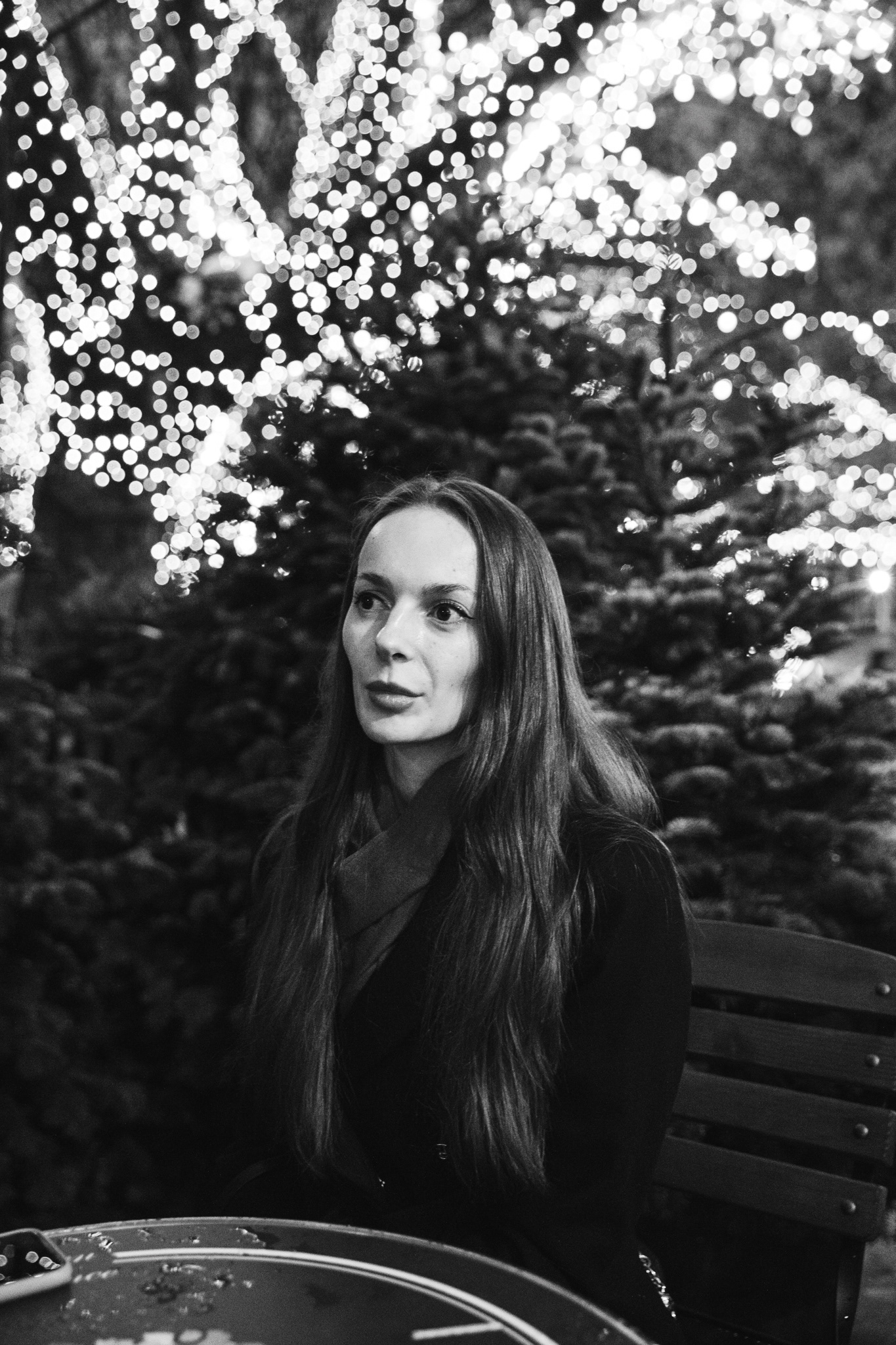
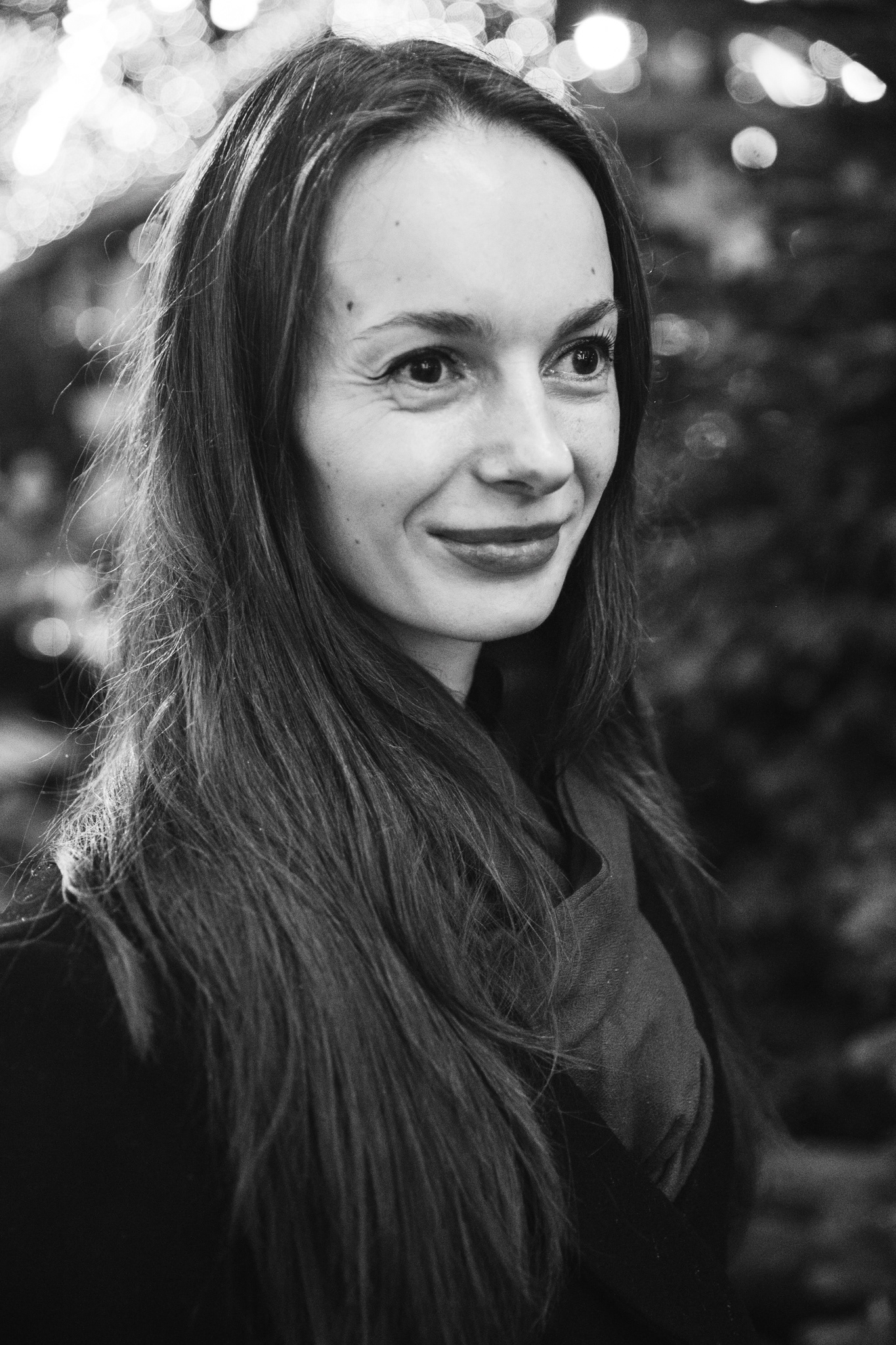
Evacuation and ‘Mental Weight’
In early March, Diana decided to leave for Poland, where her grandmother lived. Evacuation trains, endless queues, and a state of total uncertainty began to take a physical toll.
"It was only in Poland that I finally felt I could breathe; for the first week, I just slept. I slept for days. I hardly ate and lost a lot of weight. I’m quite slight anyway, but then... I remember passing a mirror and seeing that my waist was the width of my arm. I realised: I have to do something."
At that moment, the first sign of her resilience emerged—a return to routine through exercise. In a foreign flat, amidst a silence that felt surreal after the sirens of Kyiv, she began working out to "buy herself back mentally."
However, Poland was merely a transition. The expectation that the war would end in "two or three weeks" gave way to the realisation of a long haul.
"We all left for two or three days, two or three weeks... but when three months had passed, it became clear we wouldn't be going back yet. I decided to move further afield. There was a sense of anxiety in Poland at the time; missiles were being intercepted near the border. I wanted to escape all of that, especially given my parents' experience under occ
Stephanie: A Mirror, Support, and a New Family
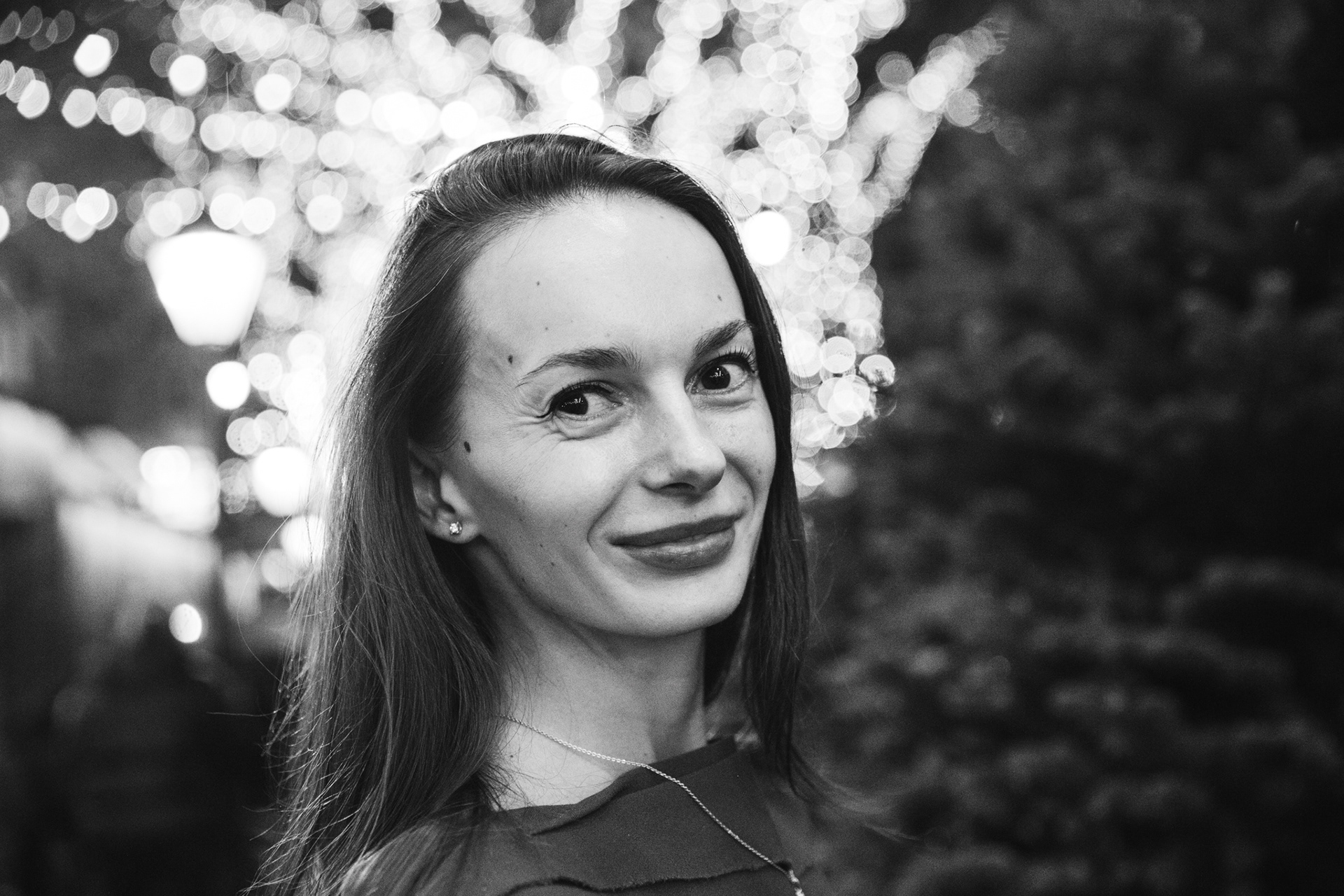
When Diana was looking for a sponsor, she encountered an invisible barrier: many British families were seeking families with children, viewing them as "more vulnerable." But her meeting with Stephanie proved to be a perfect professional and personal "match." Stephanie—a British solicitor, a woman of refined taste and iron discipline - saw in Diana not just a refugee, but a peer whose life had been put on hold.
"I found a wonderful sponsor. She is also a lawyer, which is why we clicked so well. She doesn't have a family of her own, and we have lived together for three years now. There is only a ten-year age gap between us, which allowed us to become friends quickly. She supported me at the start, I’d say, even more than my own grandmother. It wasn't just food or a roof over my head—it was deep psychological support."
Their daily life became a blend of two cultures. Stephanie introduced Diana to the world of British reserve—which Diana describes as "prim and proper" - while Diana brought her Ukrainian energy into the home. Together, they exercise, discuss the nuances of British law, and travel.

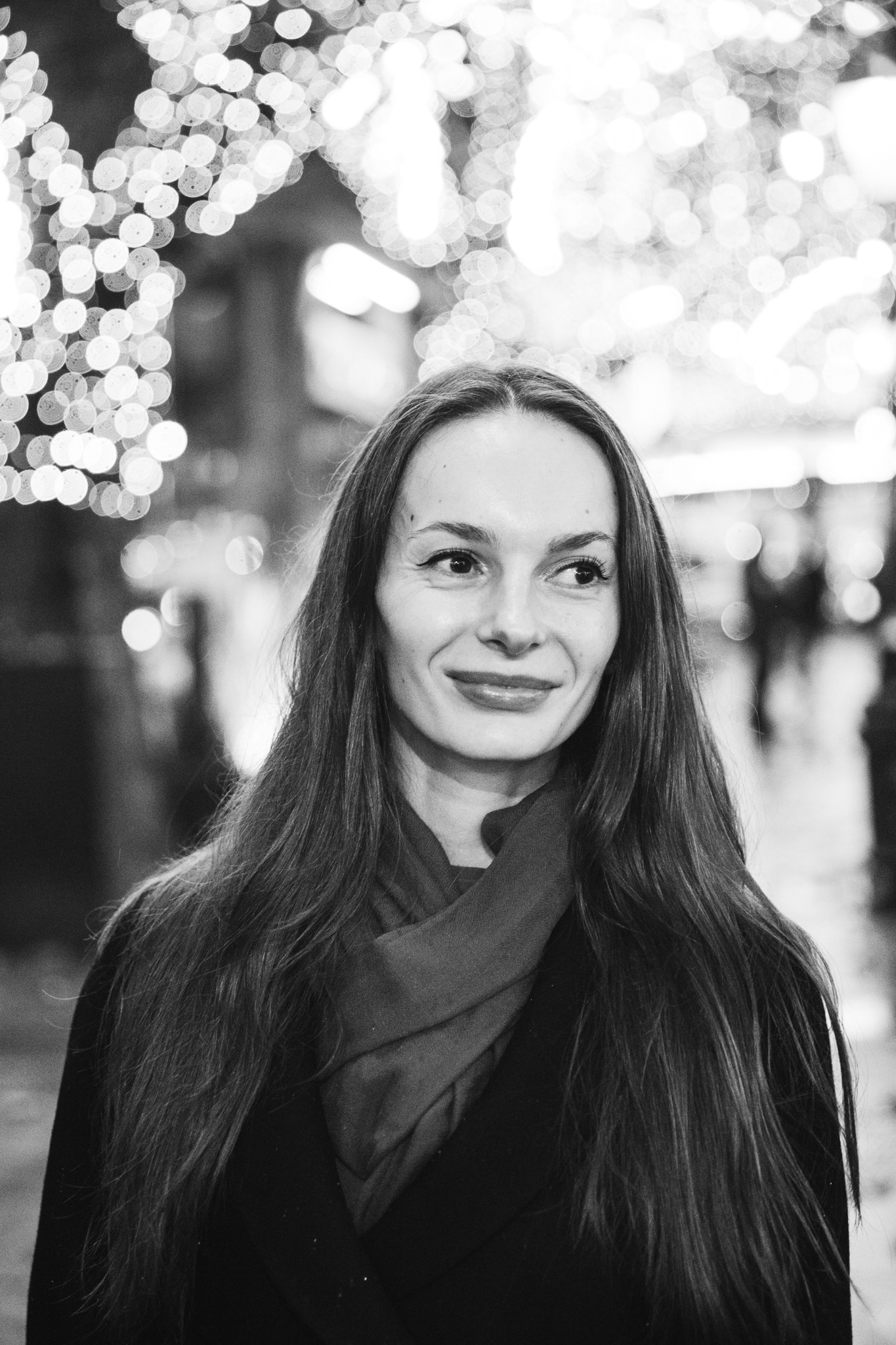
"I’ve been truly lucky. I know her parents; they live in Windsor. We spend every Christmas together, like a real family. Stephanie’s parents welcomed me as one of their own. I never expected that complete strangers could take your problems so much to heart and be so sincerely concerned about what is happening in your country."
It was Stephanie who became the "driving force" that prevented Diana from getting stuck in a state of limbo. When Diana hesitated over whether to begin the long path of retraining, it was her British colleague who insisted her talent should not go to waste.
"She literally egged me on to get qualified. I was bewildered: a different country, a different language... but she said, 'No, you are a professional; you must be a lawyer here, too.' She helped me find courses and advised me on where to apply. She saw the potential in me when I had temporarily lost sight of it myself due to stress."
Yet, their relationship is about more than just harmony; it’s about cultural discovery. Diana recalls with a smile how she surprised Stephanie with her "Ukrainian speed" in getting things done.
"Once, I had a toothache. In a single day, I flew to Poland, saw our doctors, had three procedures, and flew back. Stephanie was in shock: 'How did you do everything so fast? Is that even possible?' The British have a different rhythm; they aren't in a hurry. I sometimes miss that 'vibe of speed' we have in Kyiv."
Professional Rebirth
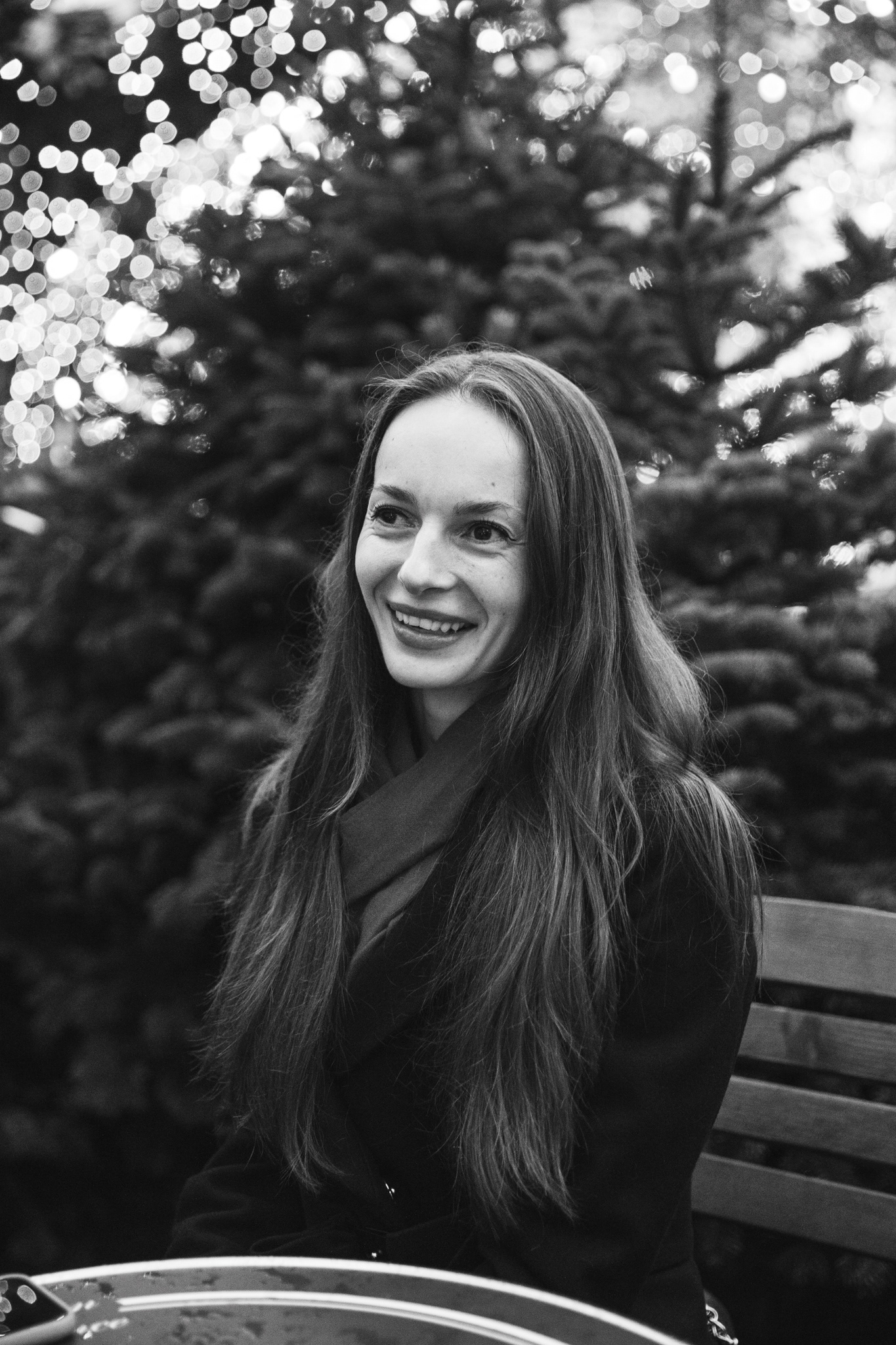
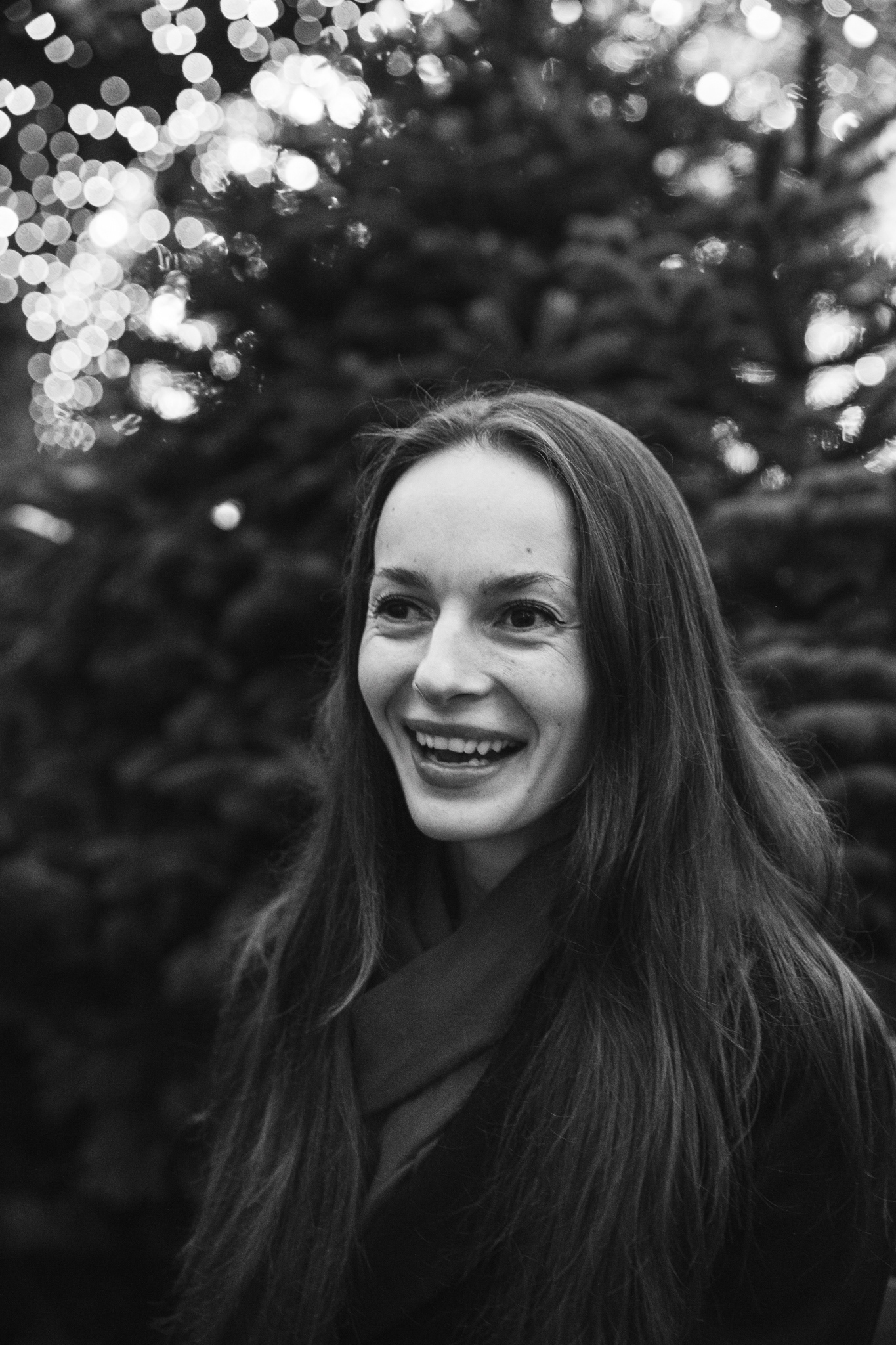
The hardest stage was the loss of social and professional status. In Kyiv, Diana was an experienced lawyer; she had worked in various fields before qualifying as an advocate. In London, she became a "person with basic English" who had to start from zero.
"I miss the Kyiv vibe. There, you’ve already achieved something, but here you have to start all over again. The level is different. As a lawyer, I have to requalify, and it’s exhausting—working full-time and studying."
The path to her first job in Britain was paved with hundreds of rejections. Diana sent out over 200 CVs. The statistics for one vacancy were staggering: 1,600 people applied for a single position, many of whom were Oxford or Cambridge graduates.
"One British company rejected me after the third interview. They said: 'You are overqualified to be an assistant; you have too much ambition, and we need someone for ten years in one position.' It hits your self-esteem. But you mustn't focus on that; focus on what you can offer the company. My journey began with charity and pro-bono work, which I continued even after finding paid employment. While job hunting, I met a British woman with Ukrainian roots who had founded an online school for Ukrainian children to learn English. I helped them organise fundraisers and later assisted with short-term visas for visits to language schools in Britain."
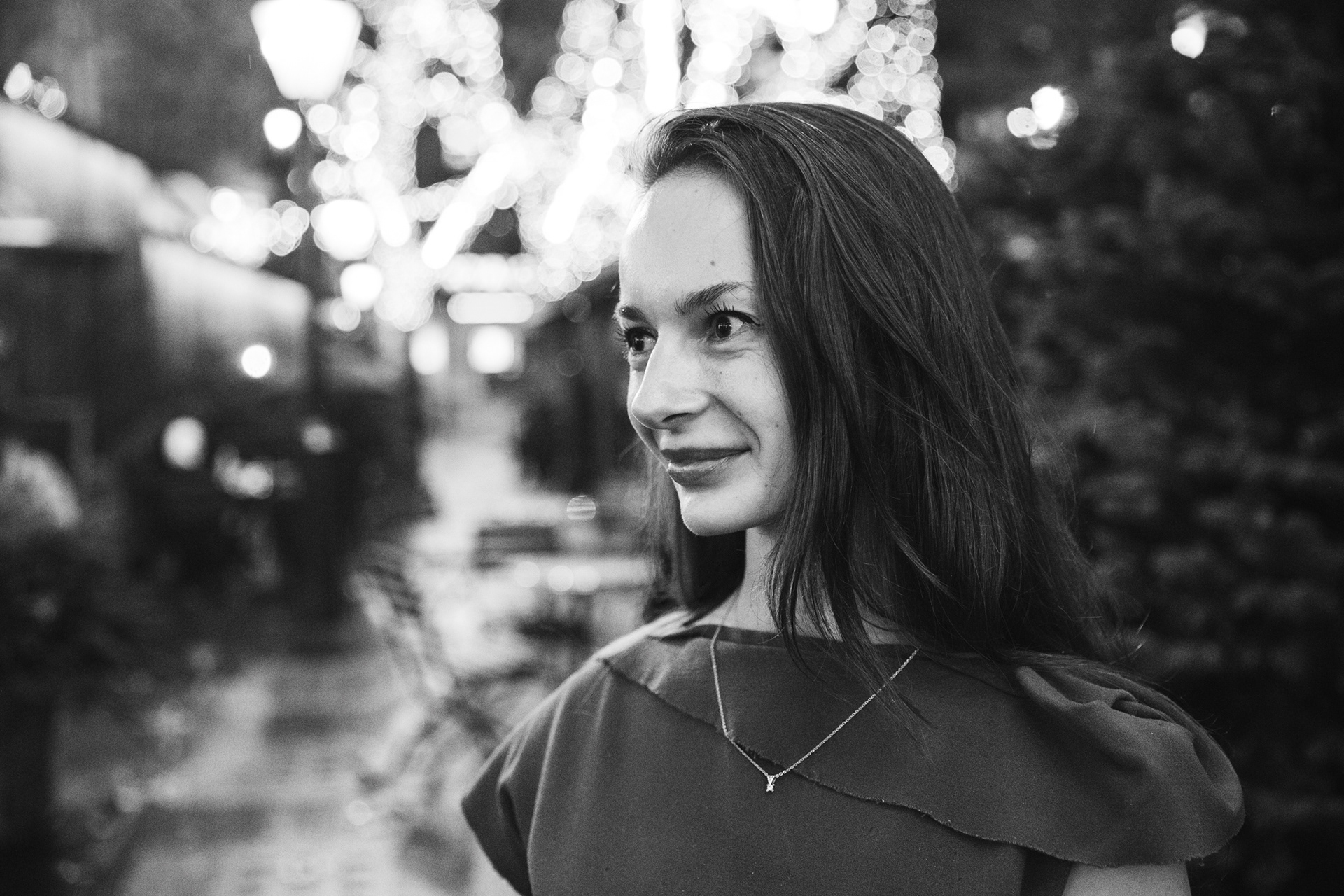
Currently, Diana works as a paralegal in a firm with Ukrainian roots. Her day is filled with the English language, complex immigration law cases, and preparation for gruelling qualifying exams.
"When I arrived, my English was very basic because I hadn't studied it at school or university—I studied other languages there. I only knew how to say 'I am Diana, I’m from Ukraine' and could describe a situation in very simple phrases. So, upon arriving in the UK, I began studying the language very intensively and took several intensive courses. Despite my desire to learn, I had culture shock in my first month at the office; I felt like I couldn't understand anyone. Now, I catch myself reading a book in English without thinking about the translation. These are small but vital steps."

The Price of Resilience
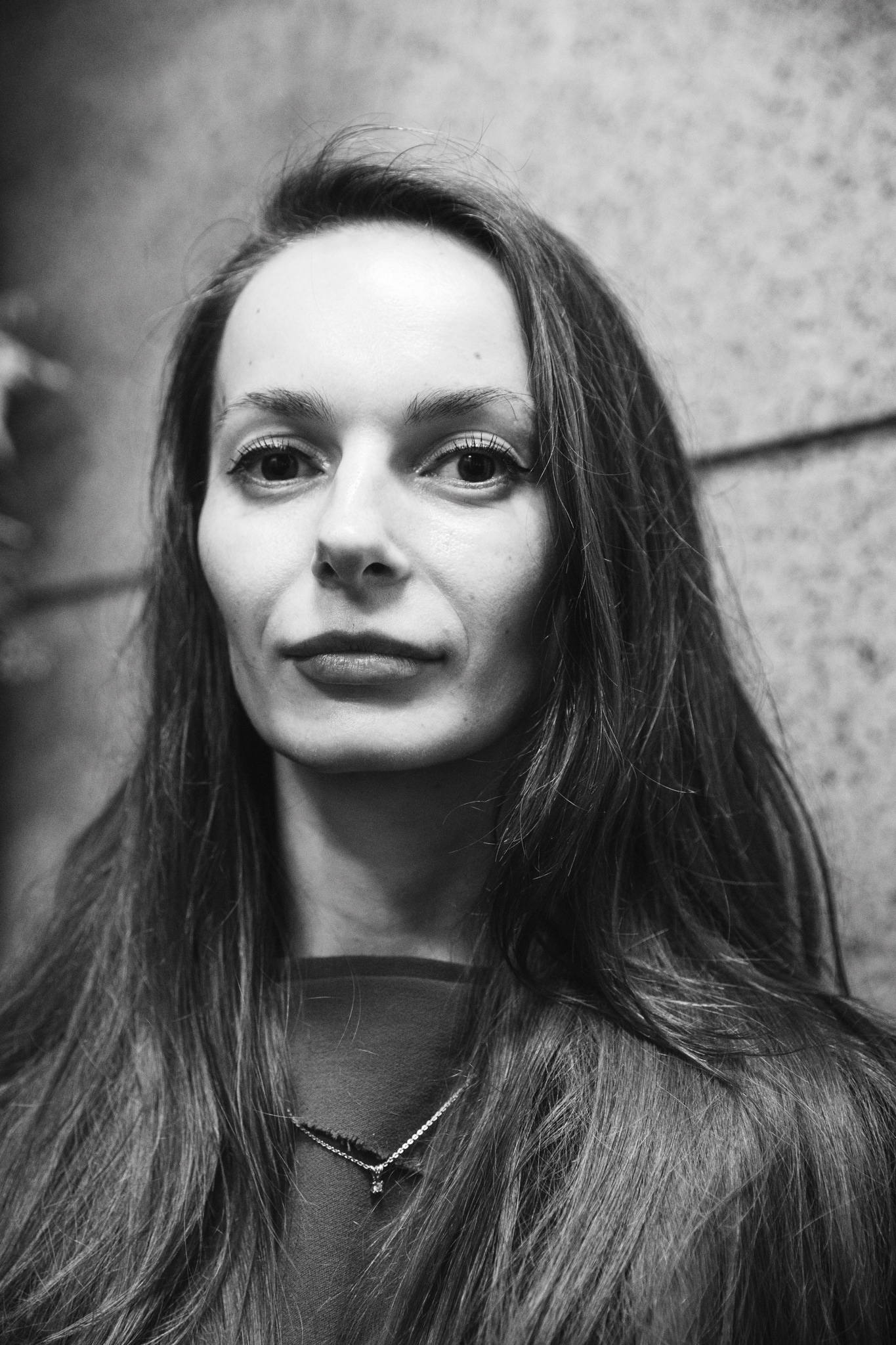
Beneath the outward success and professional integration lies a deep emotional layer. The war remains in the subconscious—in the sound of helicopters, in late-night messages with friends hiding in Kyiv hallways during another attack.
"For a year and a half, I couldn't look at old photos or videos. I’d just open my phone and cry. There was a dissonance: here, there are festive lights, while my parents near Sumy and friends in Kyiv are without electricity. How is that possible? People here care and empathise, but they continue living their lives. It was only after a year that I allowed myself my first holiday, just to change the scenery."
Diana speaks candidly about the fact that Ukrainians should not be asked about their "stress tolerance"—it is a quality now hardwired into their DNA.
"In interviews, they ask: 'Are you stress-tolerant?' I think: you shouldn't even have to ask a Ukrainian that. We don't praise ourselves enough. We should wake up, look in the mirror, and say: 'Well done.' It makes for a better start to the day."
Looking to the Future
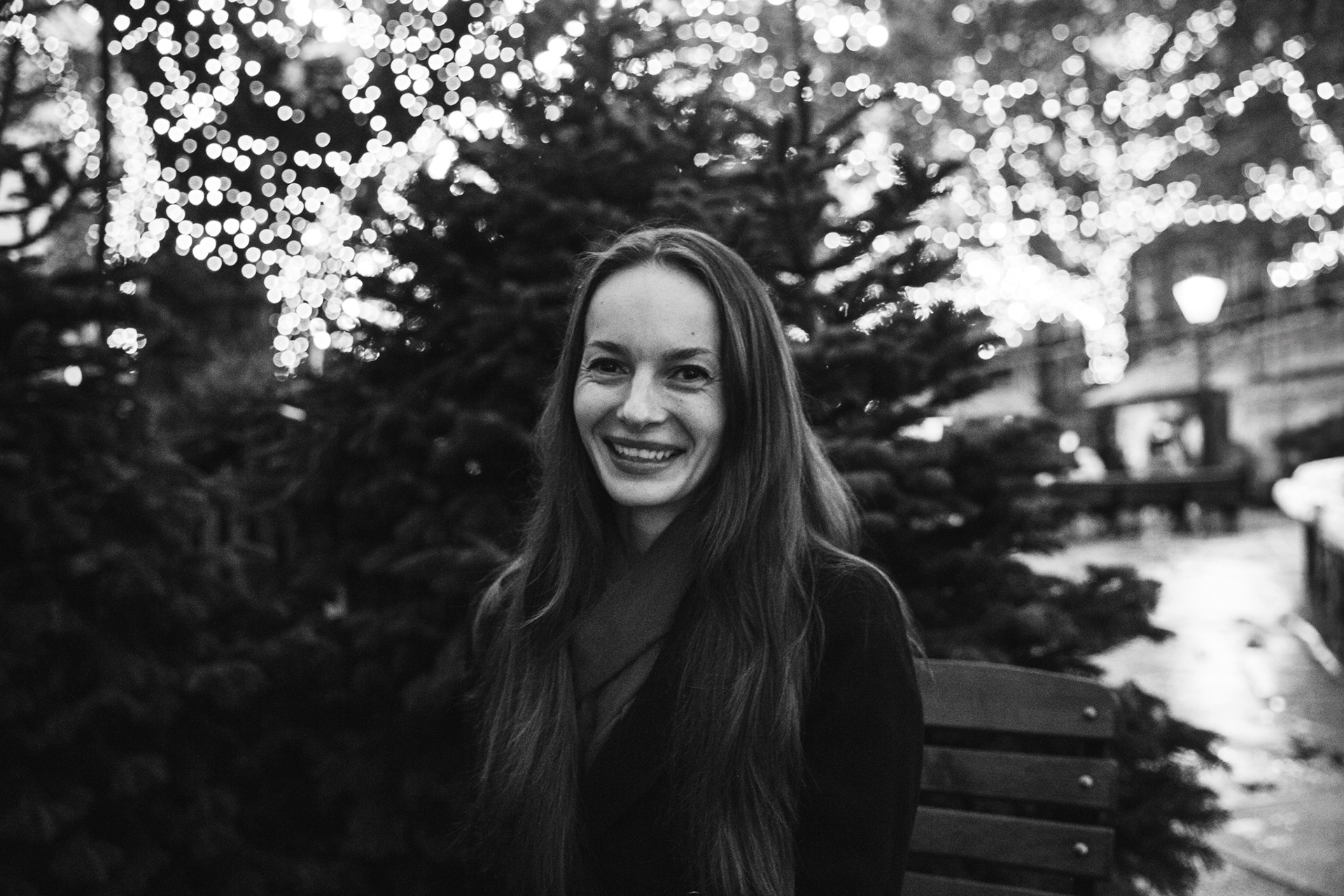
Diana offers no final answers regarding a return home. She has chosen a path of action over waiting. For her, every day in Britain is not "standby mode" but the active building of her own capital—both professional and mental.
"I don’t know if I will return. As long as it’s dangerous there, I’m uncomfortable. But I’ve made a decision: as long as I am here, I am working on my experience. I don't understand the 'I won't do anything here because I'm waiting to go back' stance. Time passes. If you return, you bring local experience and can change something in Ukraine. If not, you are already building a life here."
Diana Bondarenko’s story is one of strength that does not shout. It is a strength found in the daily study of foreign law, in the ability to thank a foreign country for sanctuary, and in the unwavering belief that professionalism and hard work are the best therapy against the chaos of war.
"We have to keep going. We mustn't waste time. Every step, every page of a textbook studied—it is our personal victory over the circumstances that tried to break us."