The Power of a Frozen Heart: Oksana’s Story
In the documentary series “Ukrainian Women: Power & Resilience,” Oksana becomes the personification of how war transforms personal tragedy into a greater mission. This is the story of a woman whose life was split into "before" and "after" on her birthday - and how, from the ruins of her own celebration, she built a bridge of aid between Britain and Ukraine.
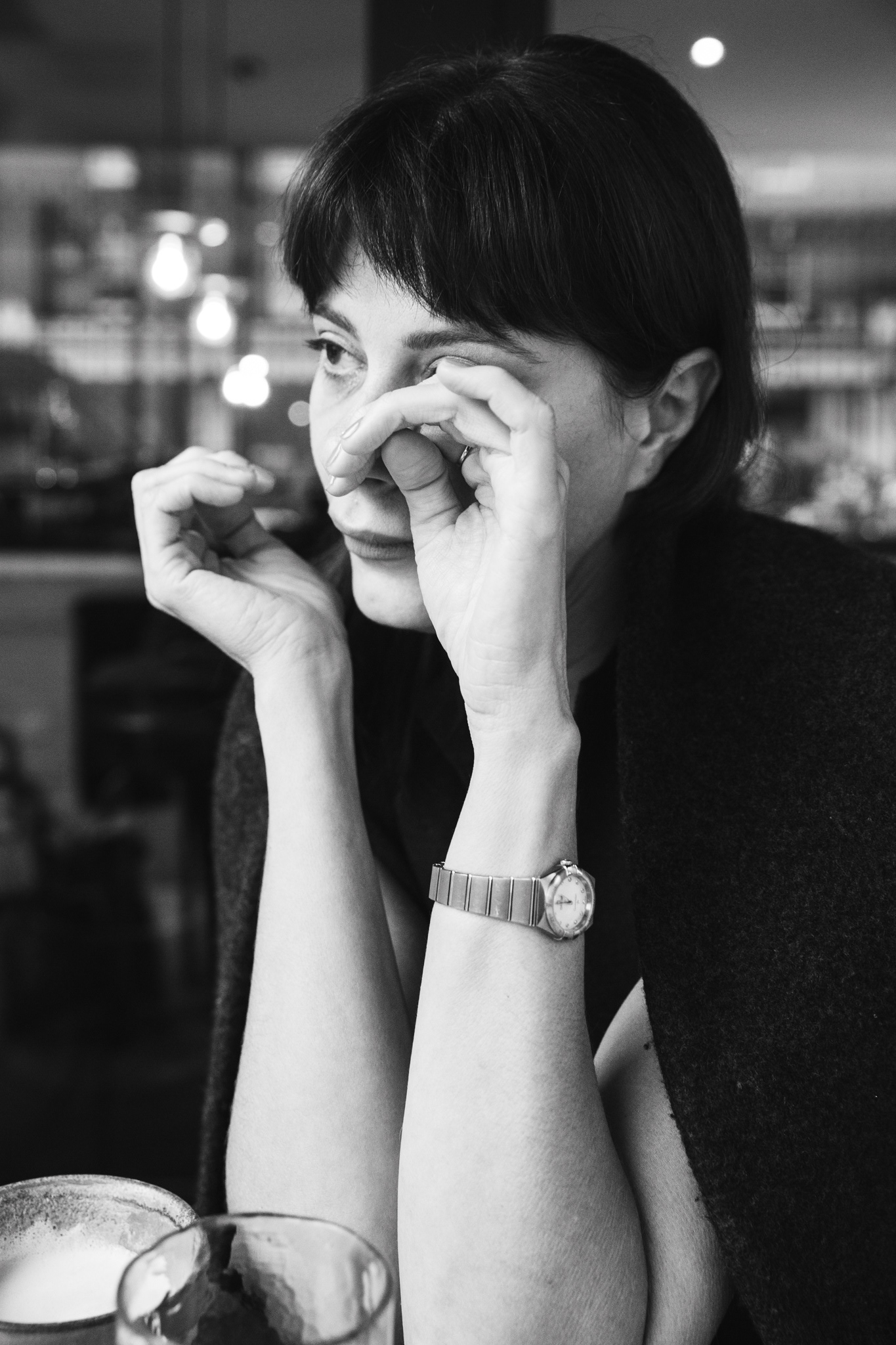
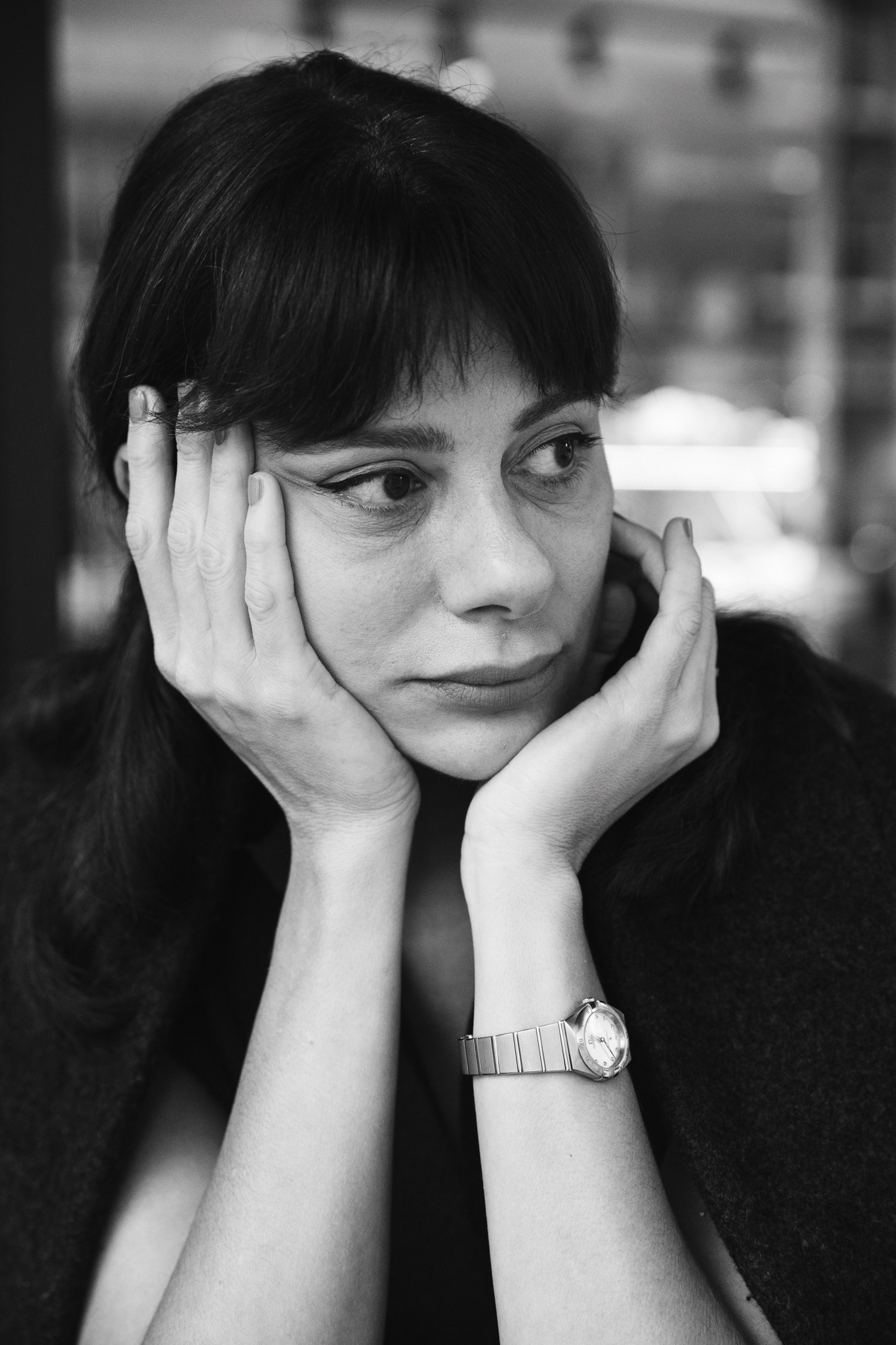
Chapter I. Gunpowder-Flavoured Cake: 24 February
The 24th of February was supposed to be a celebration - Oksana’s birthday. Her mind clung to the illusion of stability until the very last moment, even when the flights for her birthday plans were cancelled two days before the invasion. Oksana "fought" reality: she booked restaurants for her family and planned meetings as if doing so could stop the inevitable.
"I feel like it was just like in the movies - I didn't just jump out of bed at 5 a.m. on the 24th, I was physically pushed out by a shockwave. We lived four kilometres from a military airbase. I froze: What is happening? Am I dreaming? Then came the second explosion—and that was it, the switch flipped. I knocked on my mum’s door: ‘Mum, please don’t be scared, get ready. We have to go to the basement.’"
While neighbours gathered in their shelter, Oksana acted like a well-oiled machine: water, belongings, organising the space. But that evening, a moment of absolute surrealism occurred - one that became the symbol of how her war began.
"My mum had tried so hard - she’d baked a huge traditional cake for our family... And there I was, eating the whole thing with a spoon. I realised then there would be no celebration. It was a surreal image: me and this cake that I wouldn't be sharing with anyone. My friend Olena called to wish me a happy birthday and said: ‘Someone mixed up fireworks for your birthday with bombs.’’ A smile through tears — that was my only way not to frighten my mother, even though I myself was terrified beyond words.”
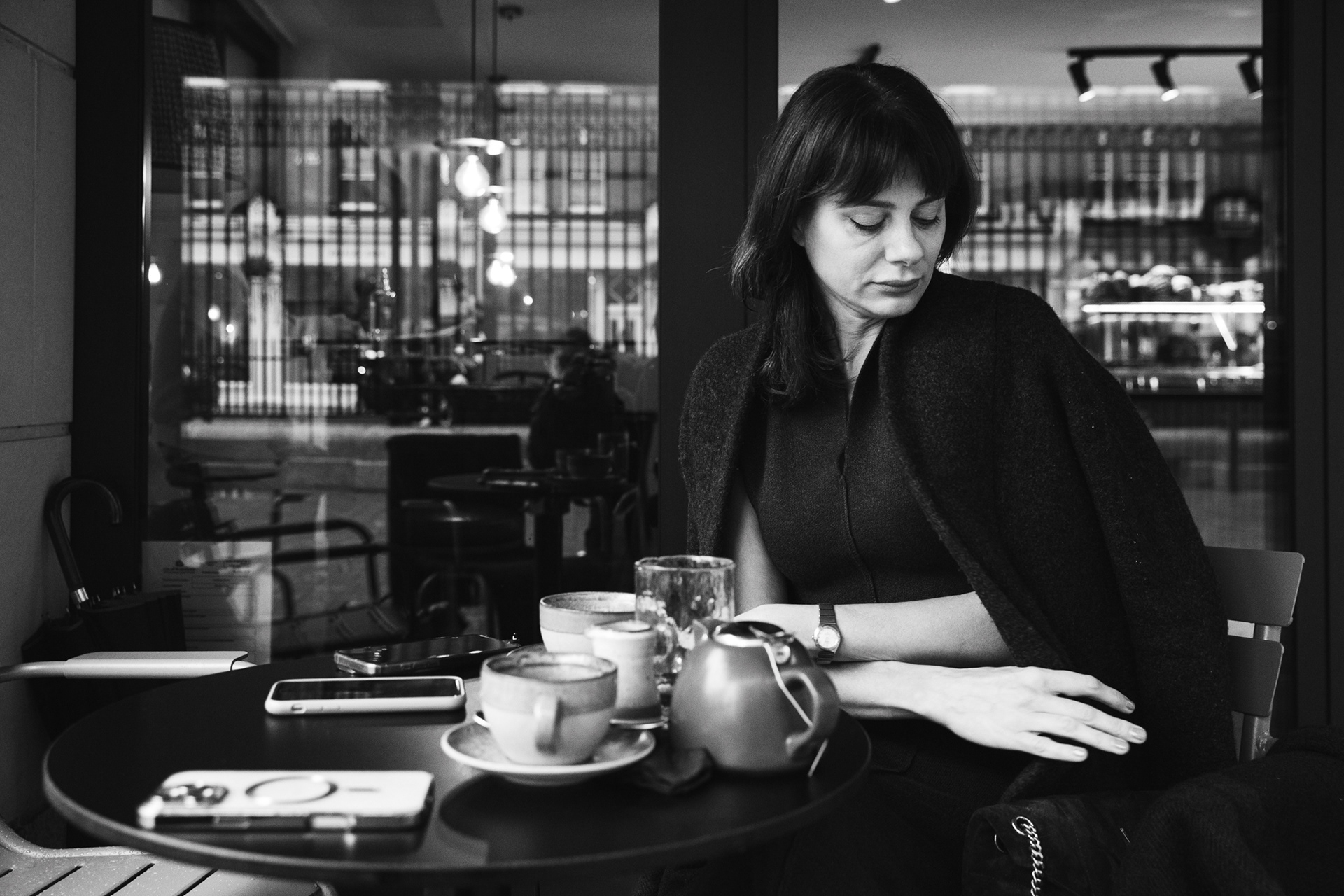
Alert Mode and the Road into the Unknown
The next two weeks turned into a blur of sleepless shifts and no appetite. Oksana learned to distinguish the sound of transport planes and lived in constant expectation of the worst.
"I was wound up like a spring, 24/7. At night, you listen to every rustle under the windows.Also it felt like scorched earth around me because everything was constantly exploding nearby. But I had to be strong. Two people were fighting inside me: the terrified daughter and the woman who had to organise a rescue."
Her lifeline was her "British family" - Diane and Nick Stafford, with whom Oksana had lived as a student 15 years prior. They didn’t just invite her - they gathered ten vans of humanitarian aid and drove from Britain to the Ukrainian border to collect Oksana.
“I remember how frightening it was just to leave our place and I’ve been sobbing the entire way to the border. Every time I saw our Territorial Defence boys at the checkpoints, the tears just flowed. But when I saw Diane and Nick... I just threw my arms around them. The border guards looked at us, unable to understand this emotional explosion. Tears are good - they meant I was still alive."
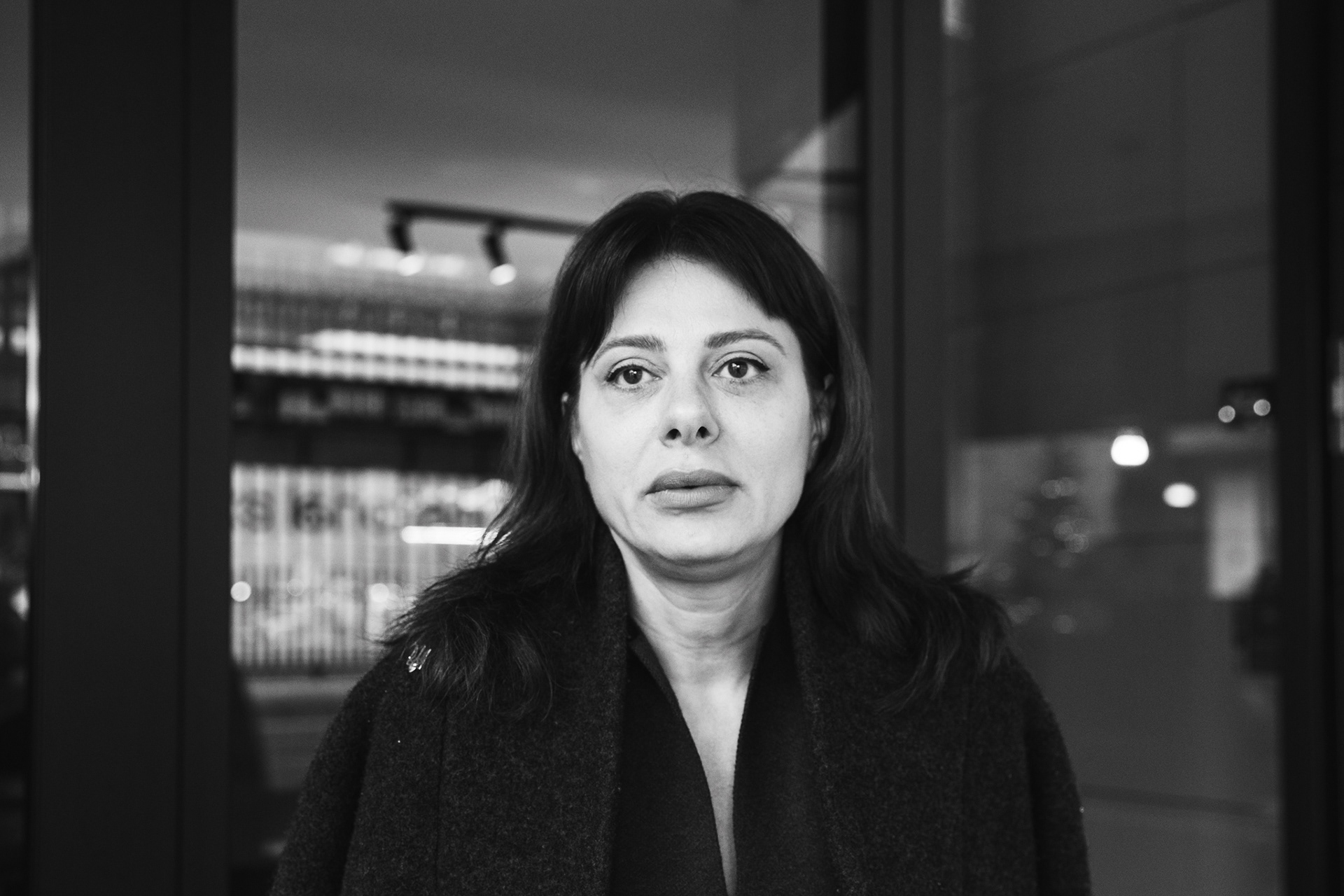
A Bridge of Aid: Sponsors and Grand Logistics
Arriving in Britain, Oksana couldn't simply "be" a refugee. Her experience as a Commercial Director and her professional network allowed her to lead a direction that raised medical aid to a new level. She became the director of a charity operating at a governmental level.
"We began working with British partners like Circle Health Group and Bunzl. They provided medical aid worth over £4.2 million. Boris Johnson personally visited our warehouse to load boxes and draw the world's attention. It was a rapid response while large international structures were still 'getting into gear.'"
Oksana coordinated supplies for seven regional hospitals: Kherson, Mykolaiv, Kharkiv, Odesa, Kyiv, Lviv, and Dnipro.
The Frozen Heart and Bachata
Adapting to life in Oxford was a struggle between external success and internal "freezing." For almost a year, Oksana "lived out of a suitcase," waiting for a quick return.
"I stopped meditating. I stopped ‘celebrating’ life. I told my friends: I can't go skiing or sailing while there is a war at home. I was frozen. Only after six months did I go to my first dance class - Bachata. It became my portal back to myself. Acting classes also helped me finally realise that by moving to another country with a new language, I had started a new life from scratch. The teacher said: ‘I see 40 years of experience, love, and pain in you, but where is your energy?’"
1,200 Doctors and Cultural Diplomacy
Today, Oksana is a leader of the Ukraine Medical Community, which consists of the Ukrainian Medical Association of the UK and the Ukrainian Medical Charity, uniting more than 1,200 Ukrainian professionals in Britain who found themselves here because of the war. She negotiates with UK healthcare institutions, the NHS (National Health Service), the British Red Cross, and others to change the registration policies for Ukrainian medics.
"Britain has a huge shortage of qualified staff - 36,000 people. We have 1,200 qualified professionals. I’ve been saying to partners all these years: ‘A medic without practice is not a medic.’ We are creating conditions so they can return to their profession, gain experience, and one day return to rebuild Ukraine with new skills."
Oksana has become a true ambassador. She hosts Ukrainian evenings for 150 people, introducing them to traditions, and adds that Ukraine is also an extraordinary source of experience - “the largest operating theatre in the world”.
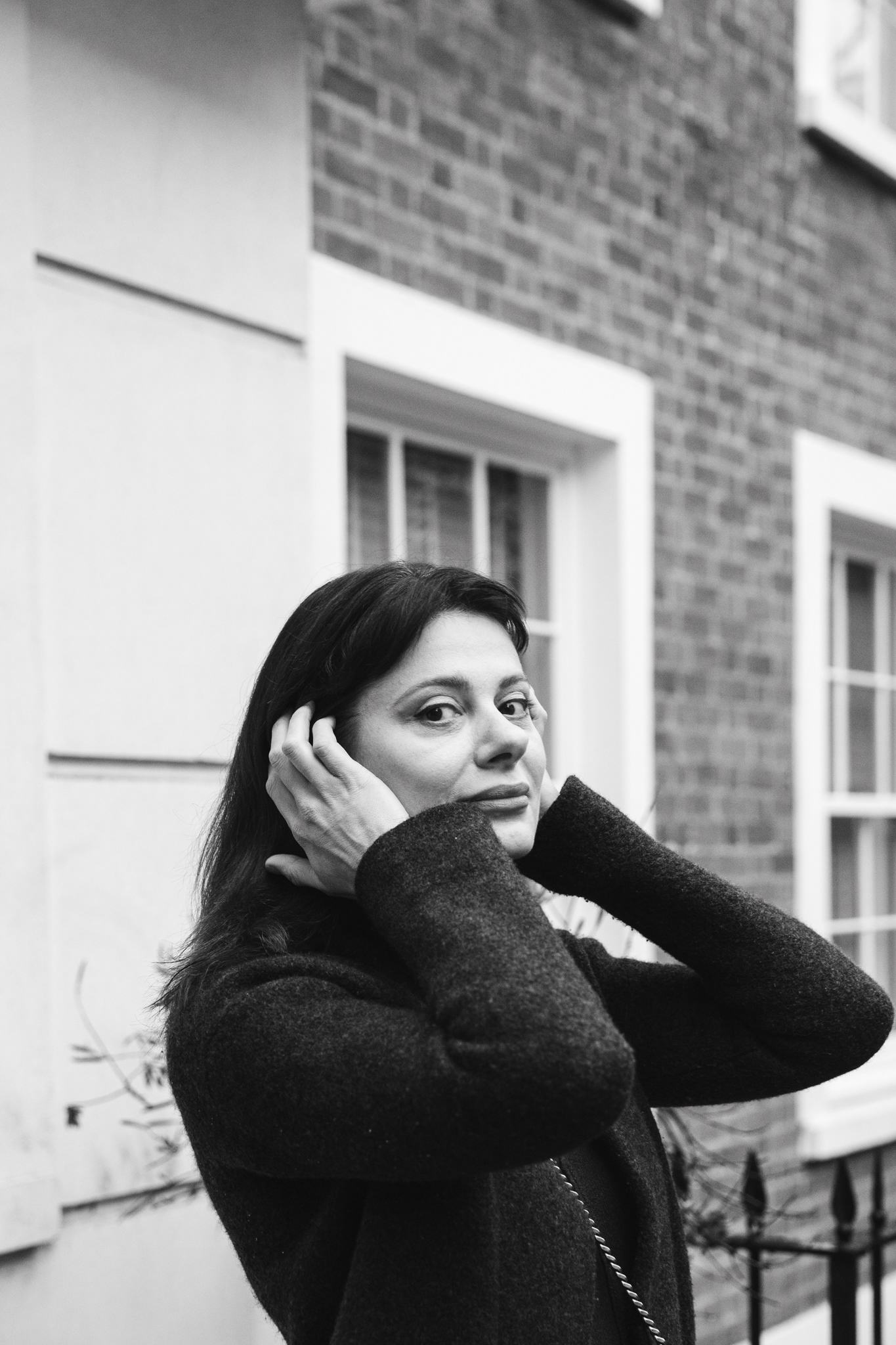
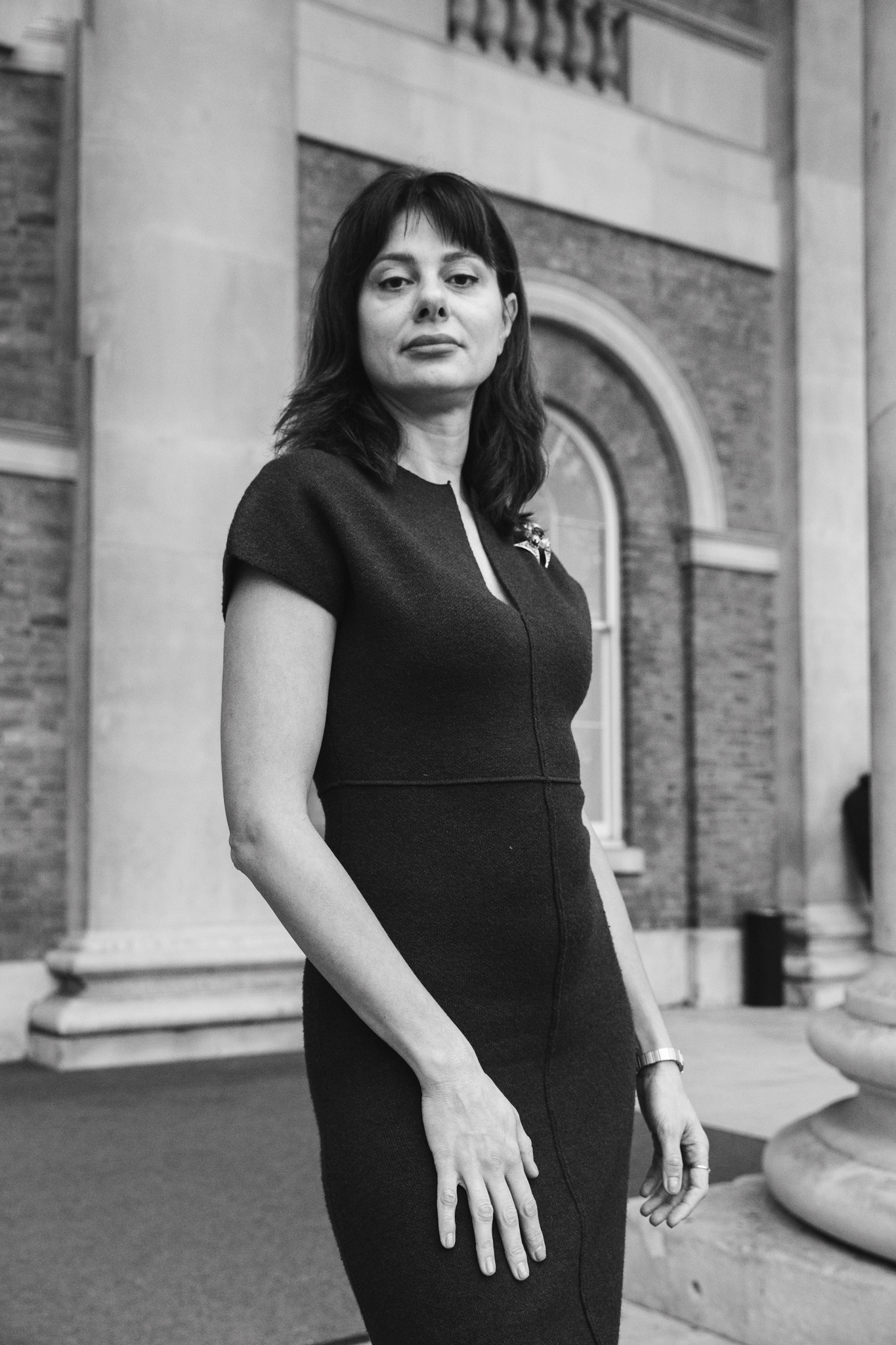
Two Women: A Reflection on Resilience
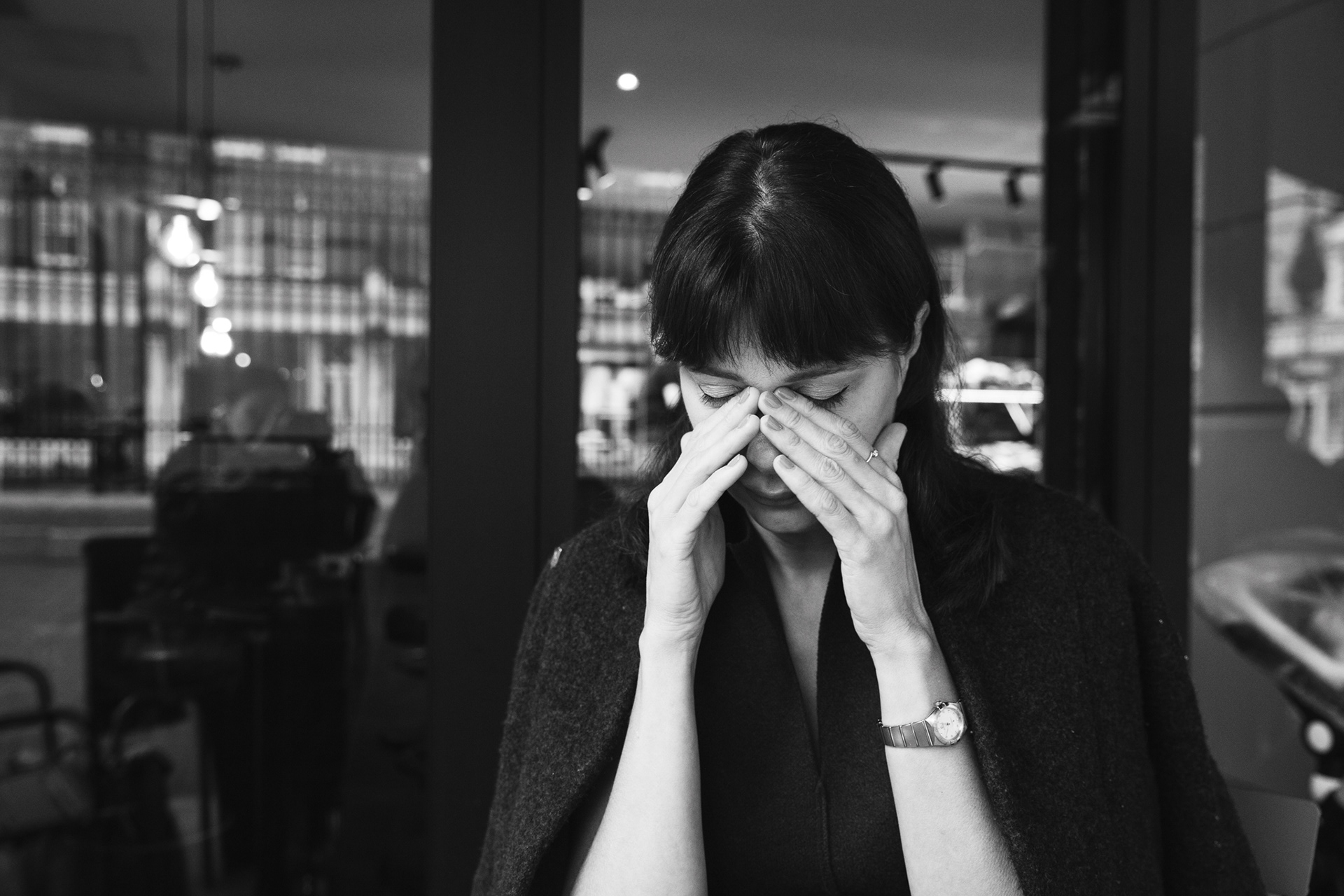
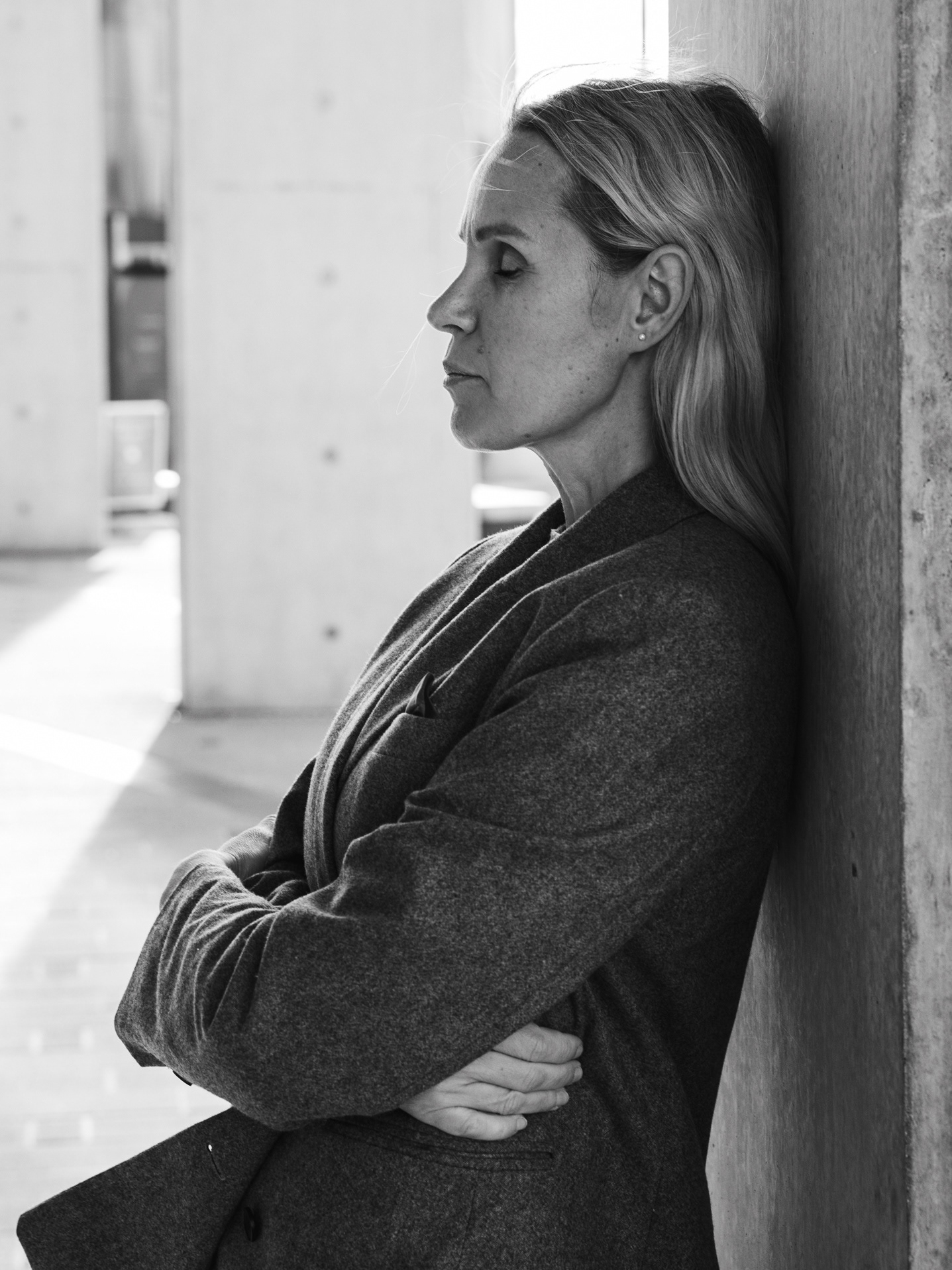
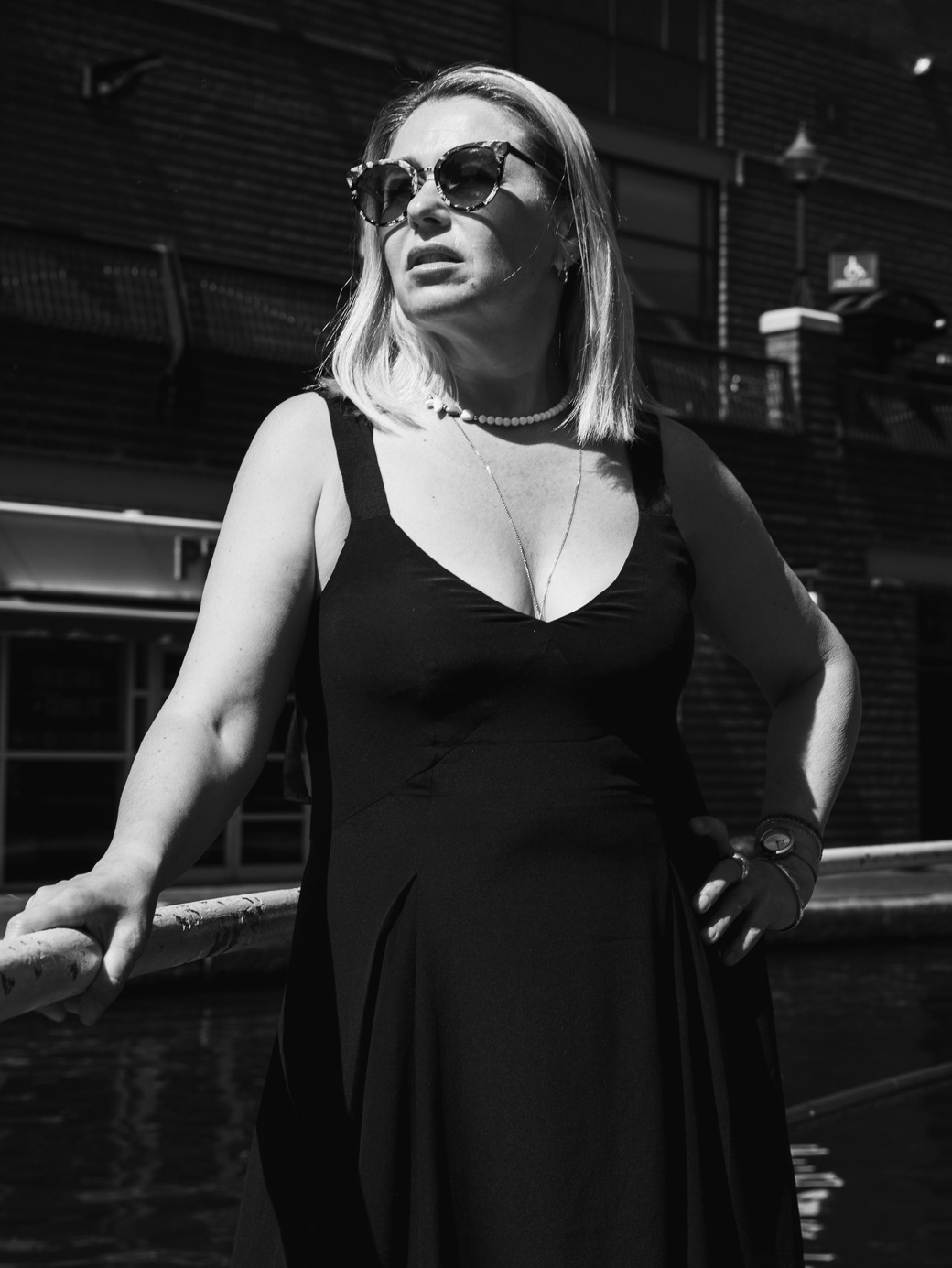
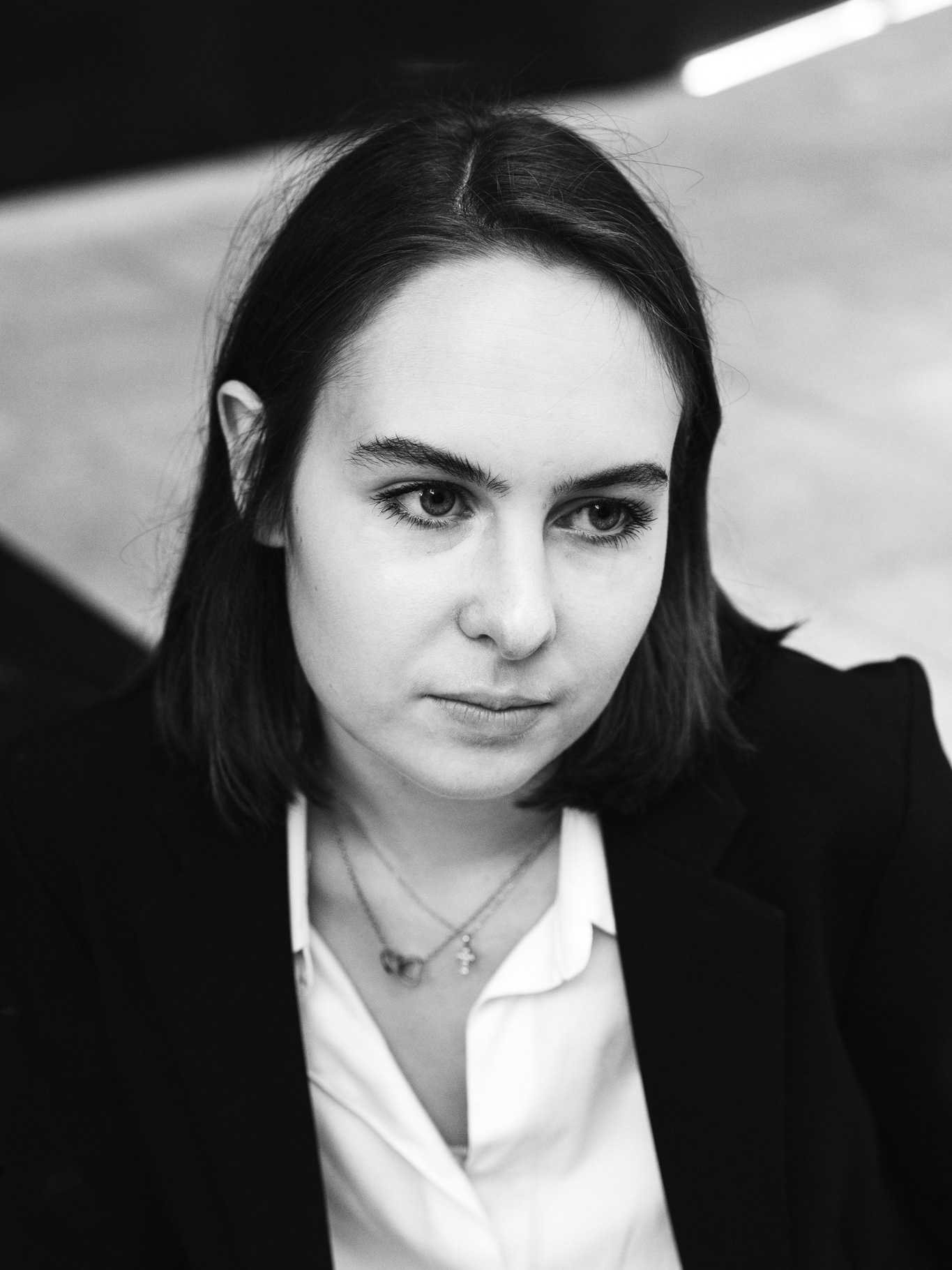
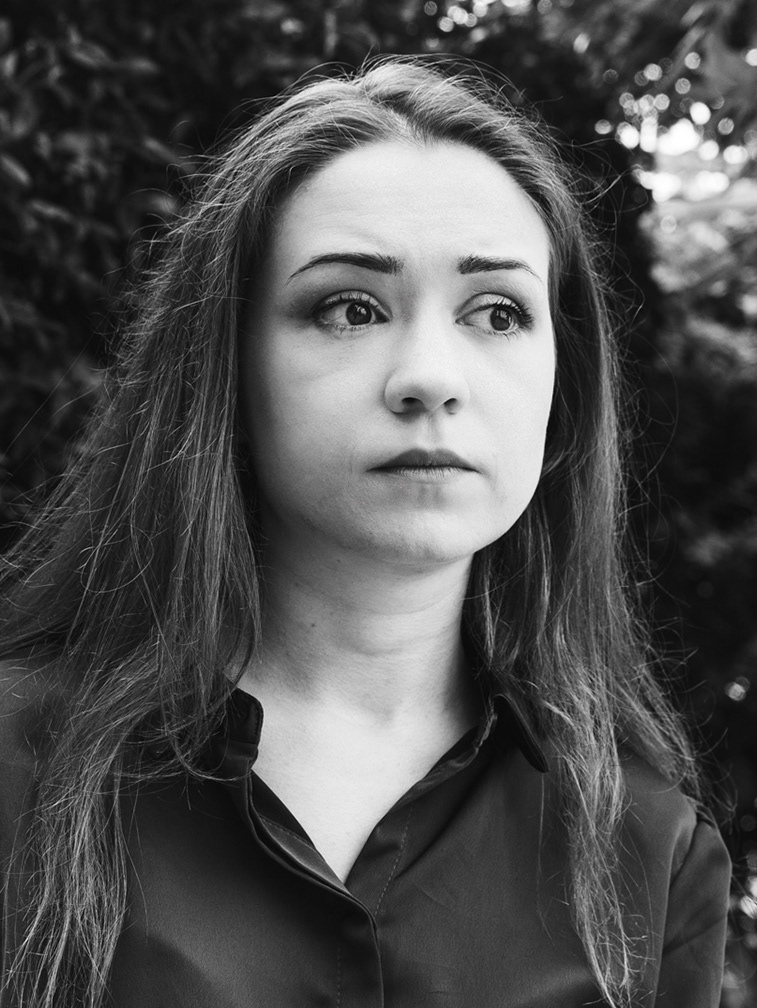
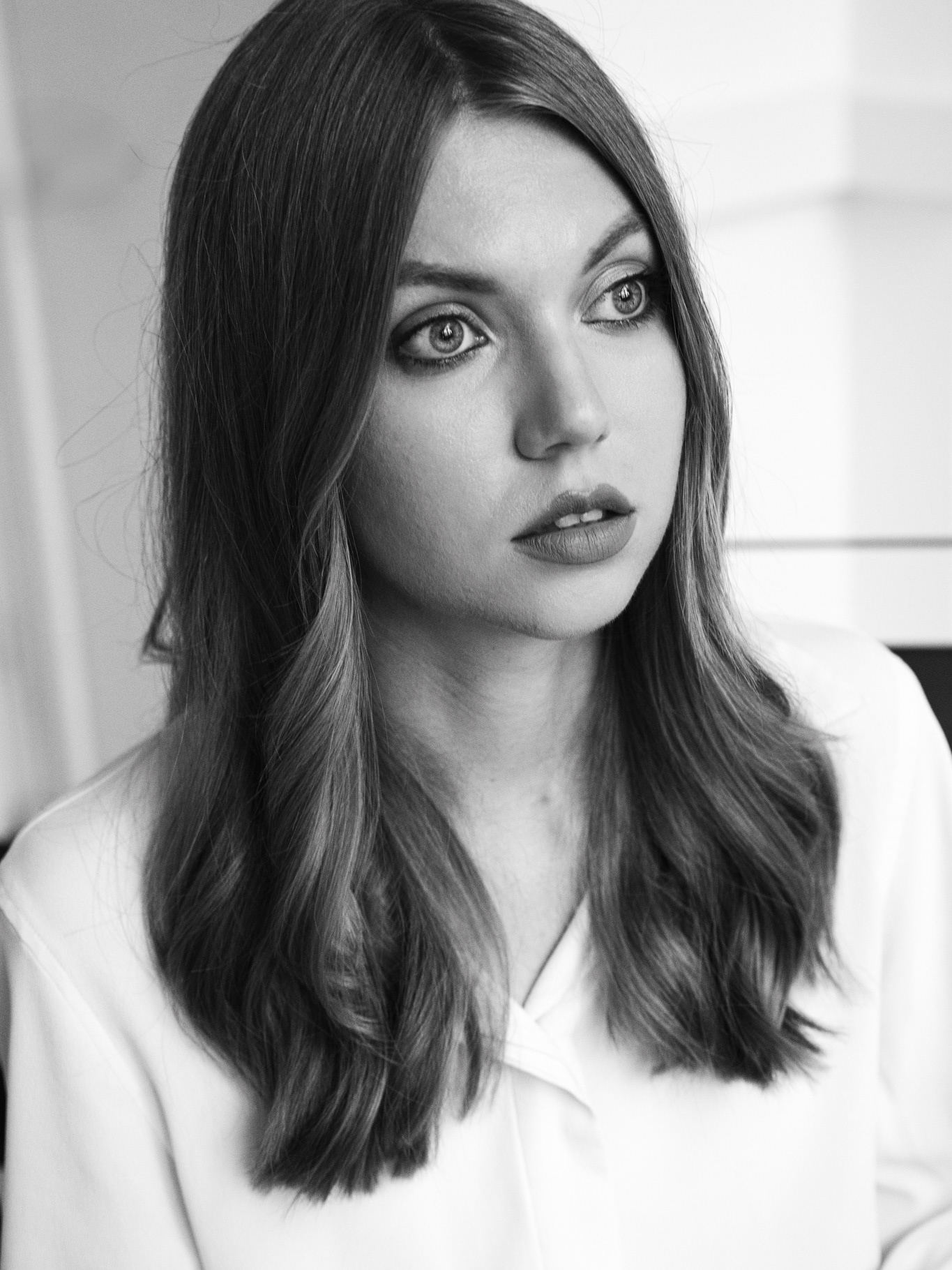
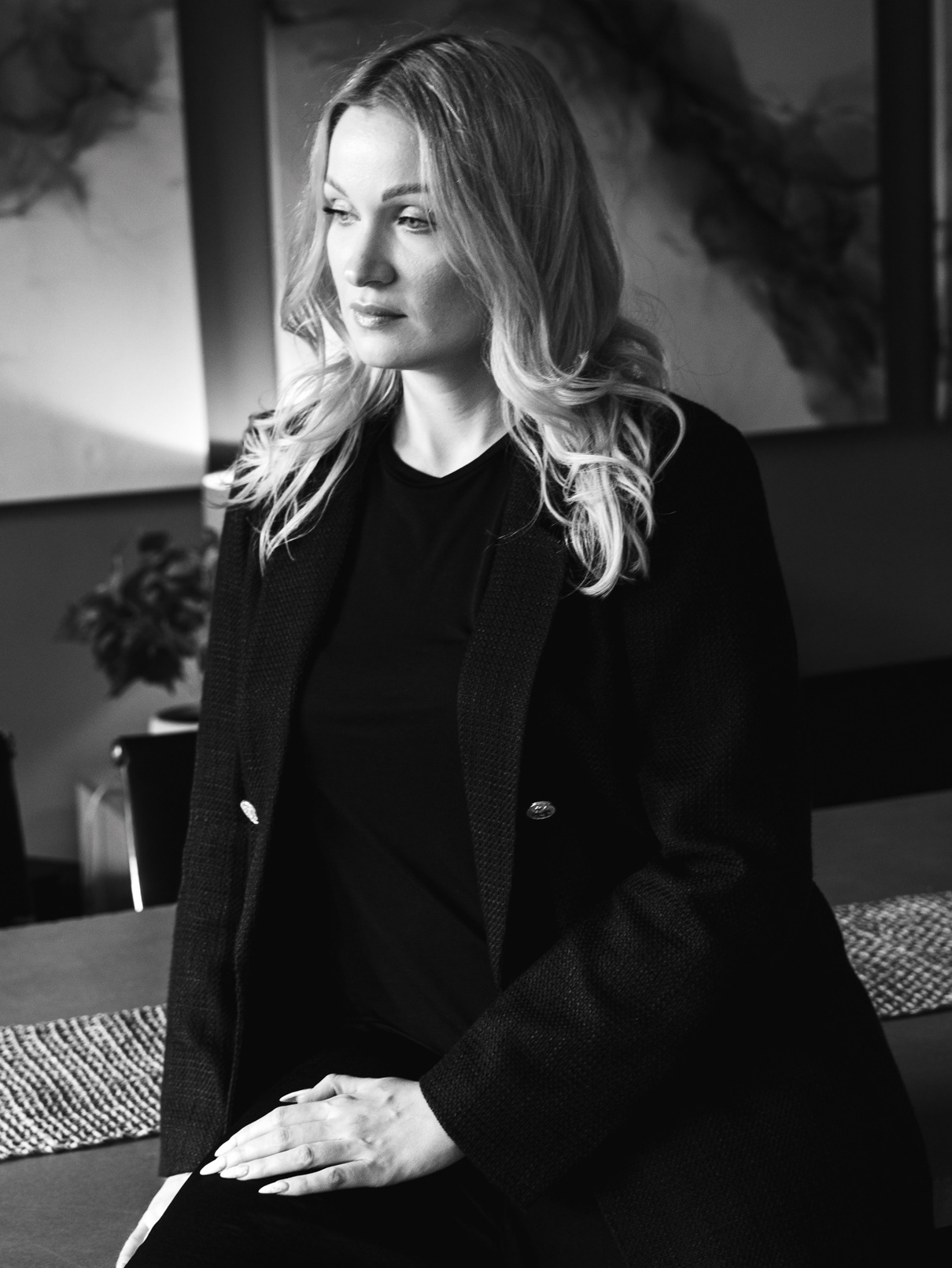
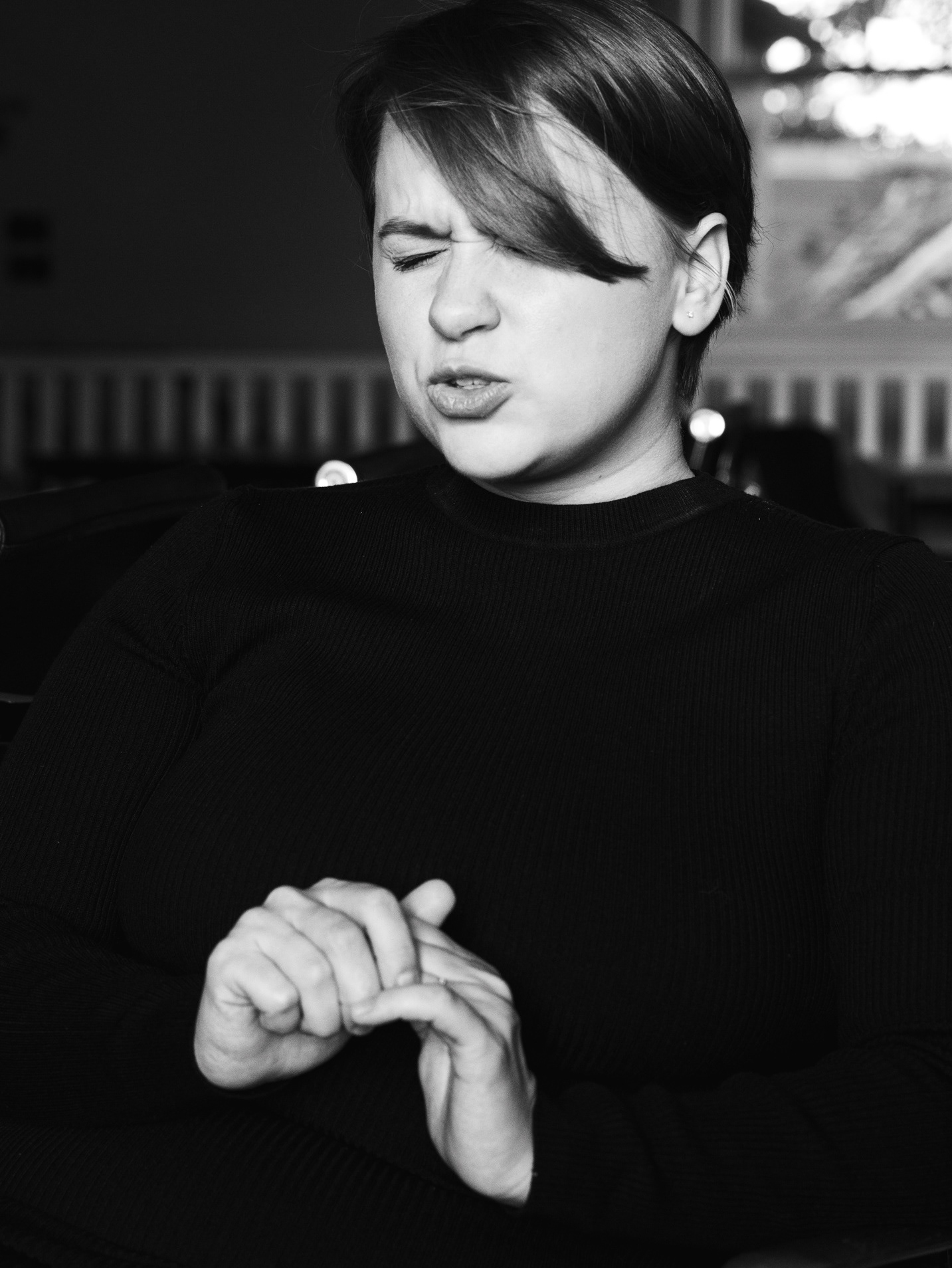
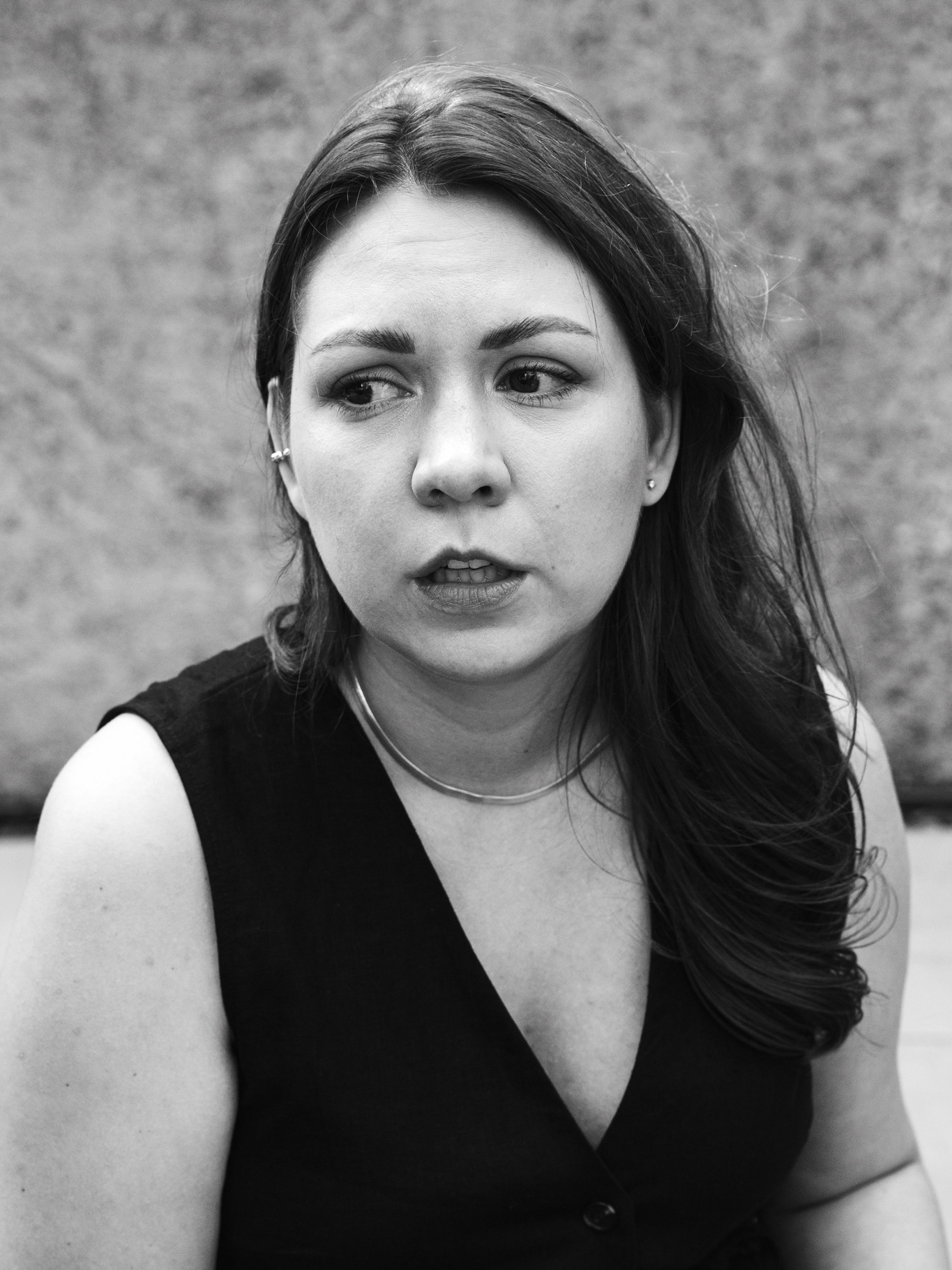
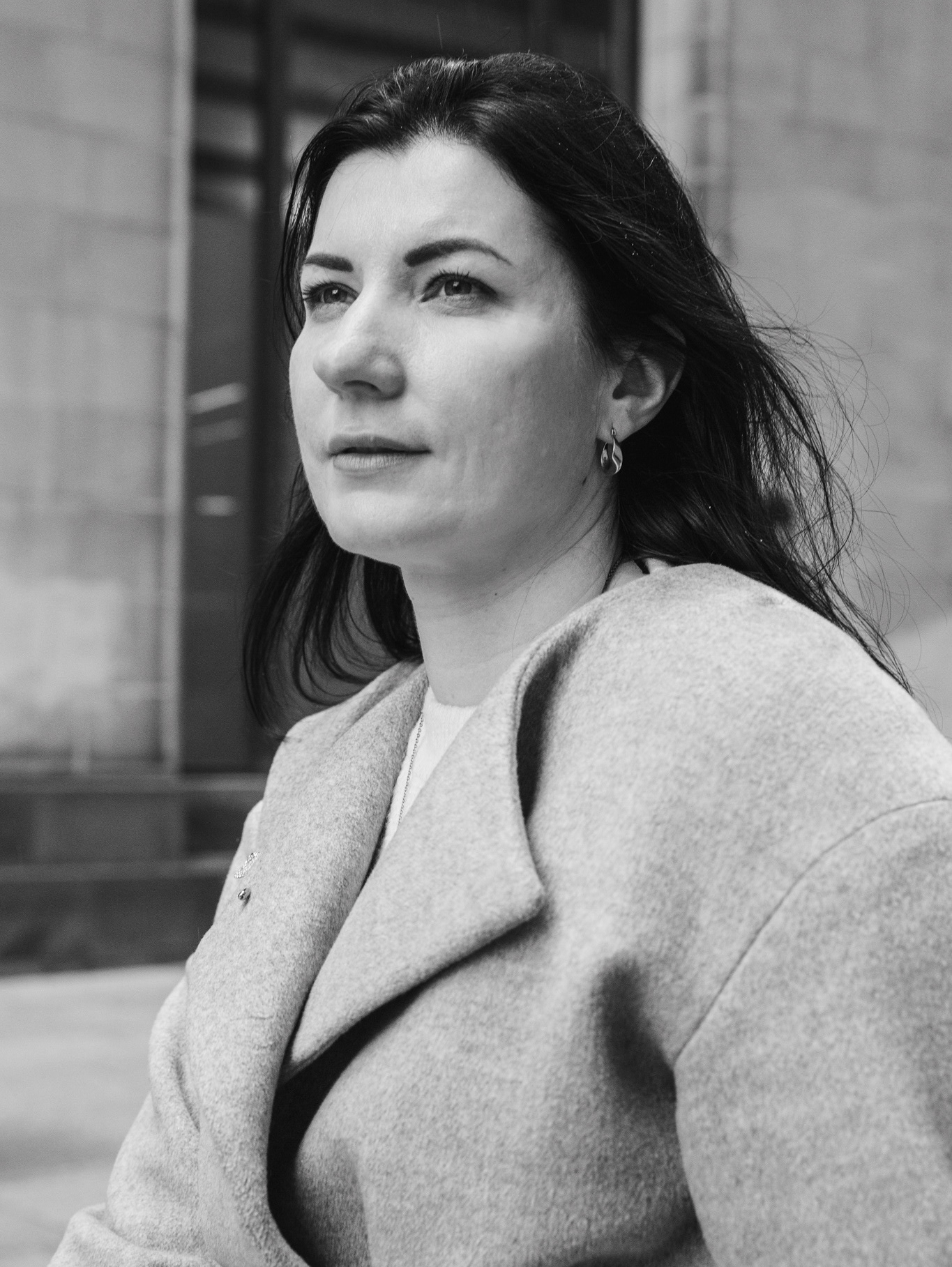
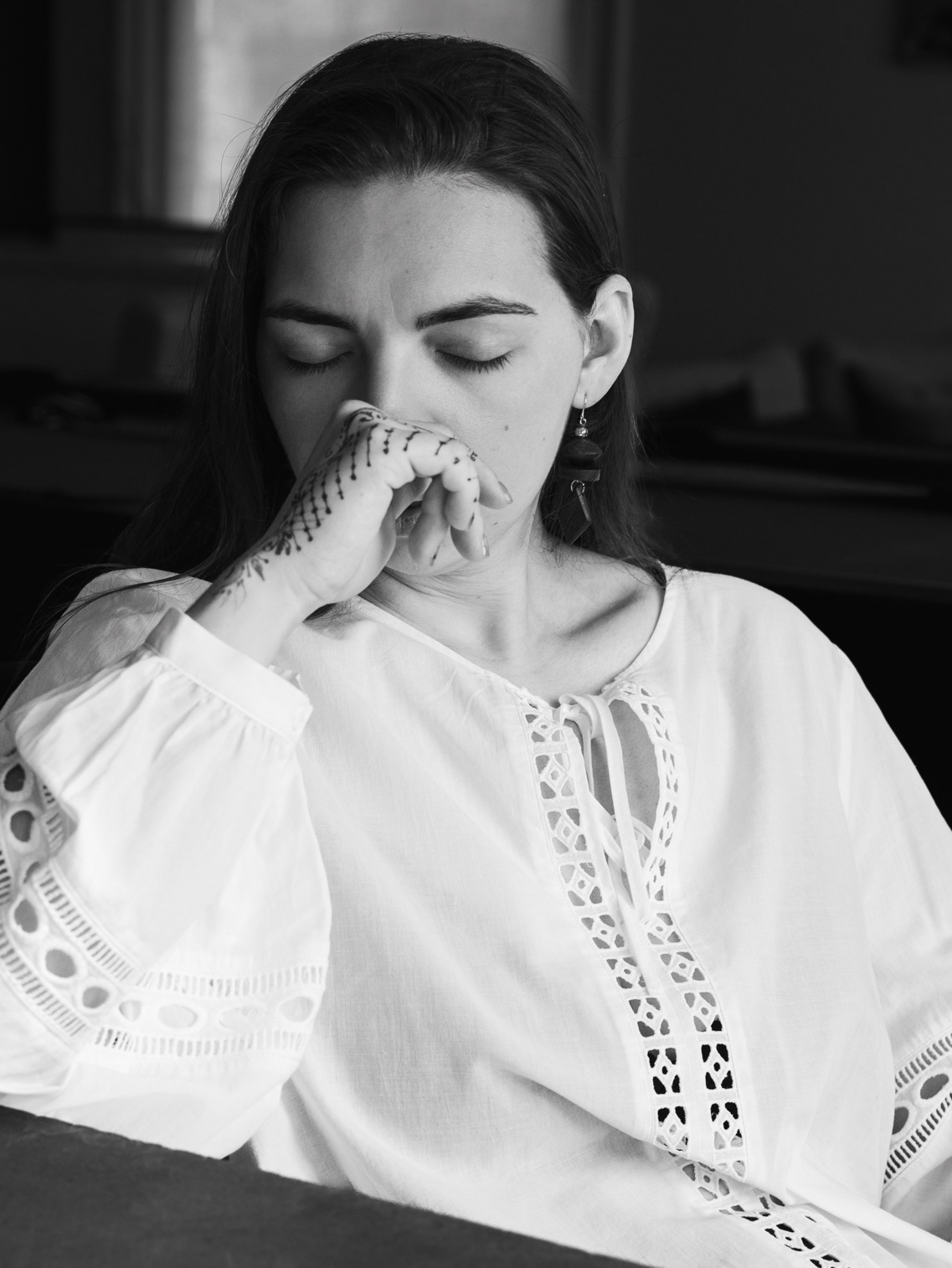
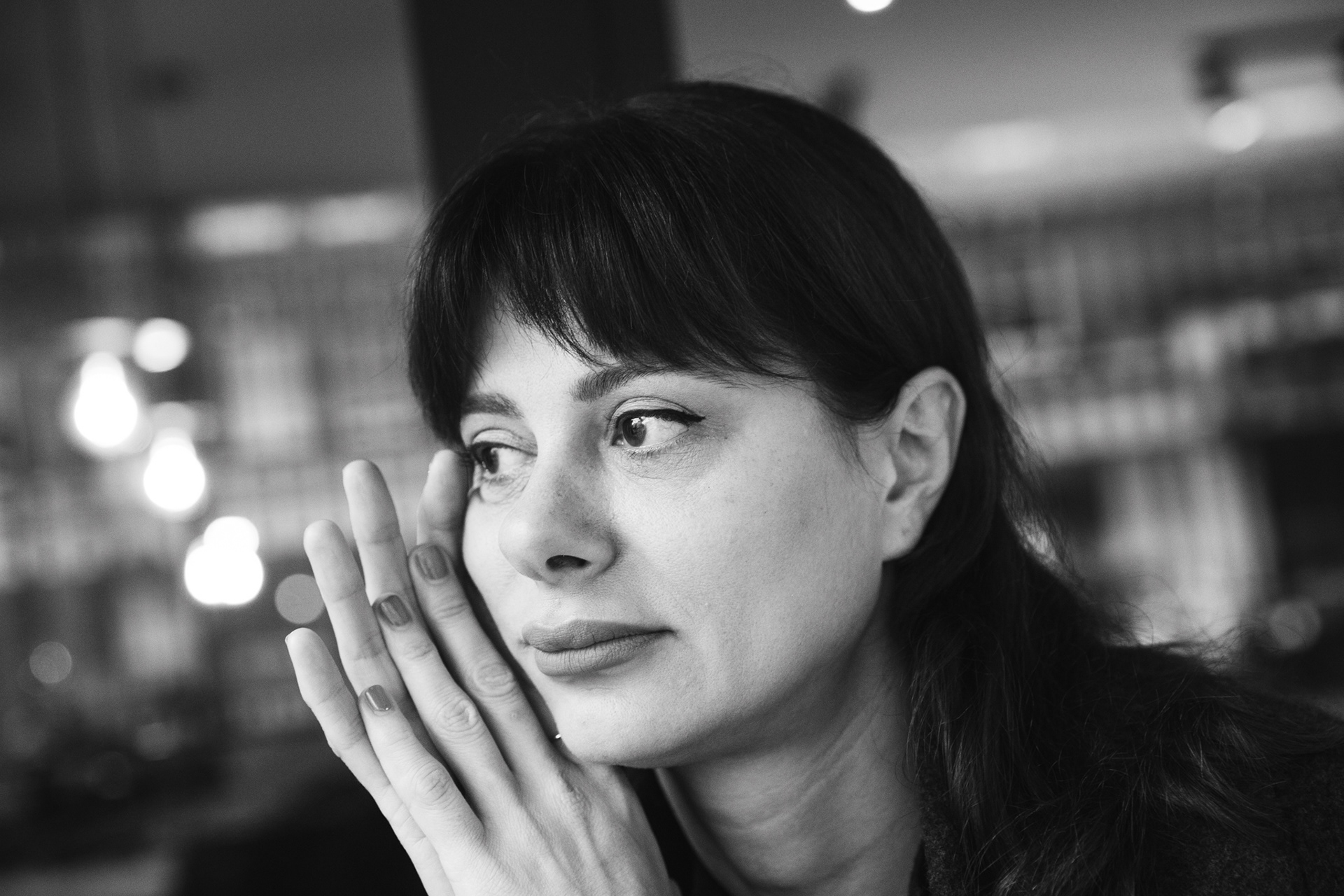
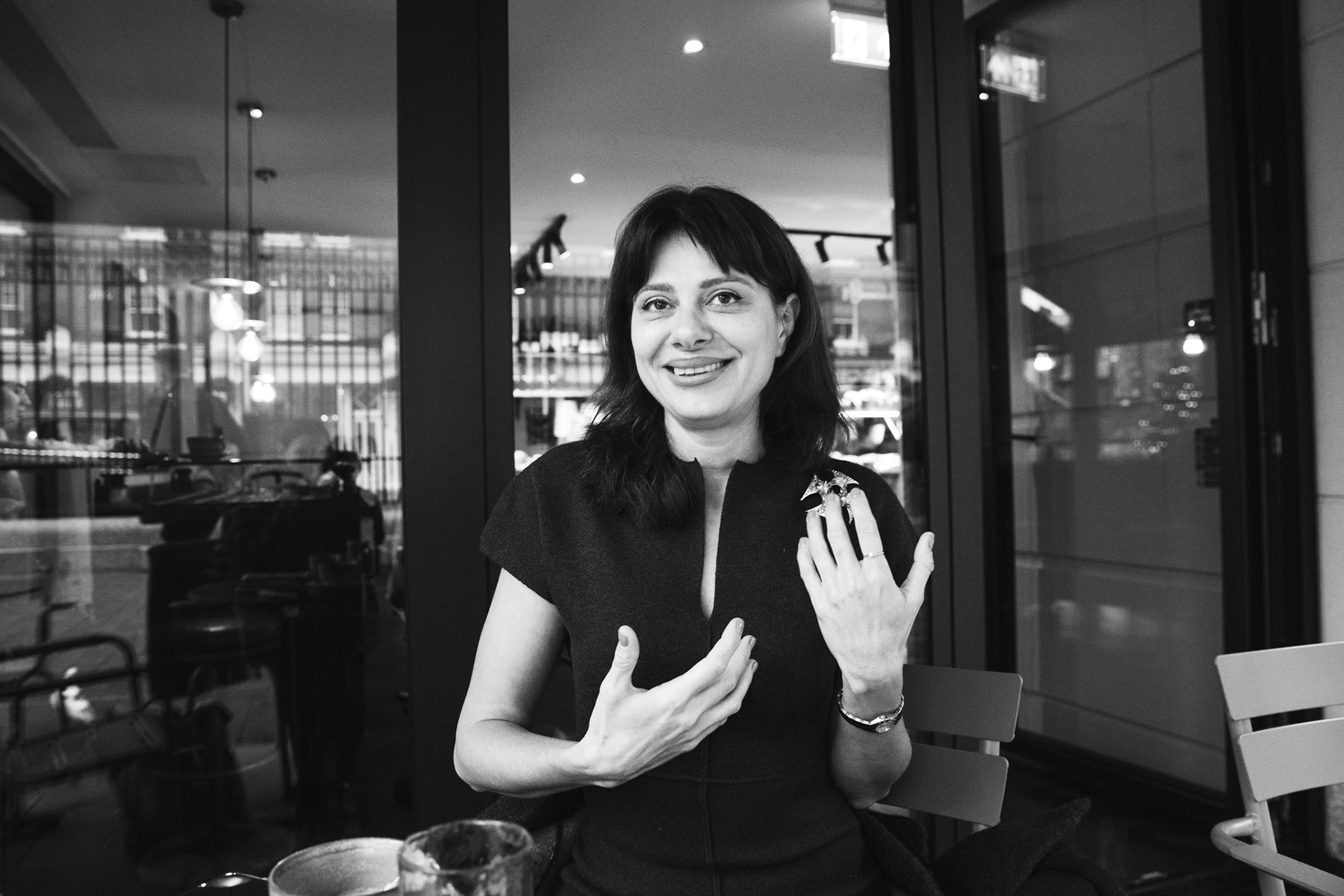
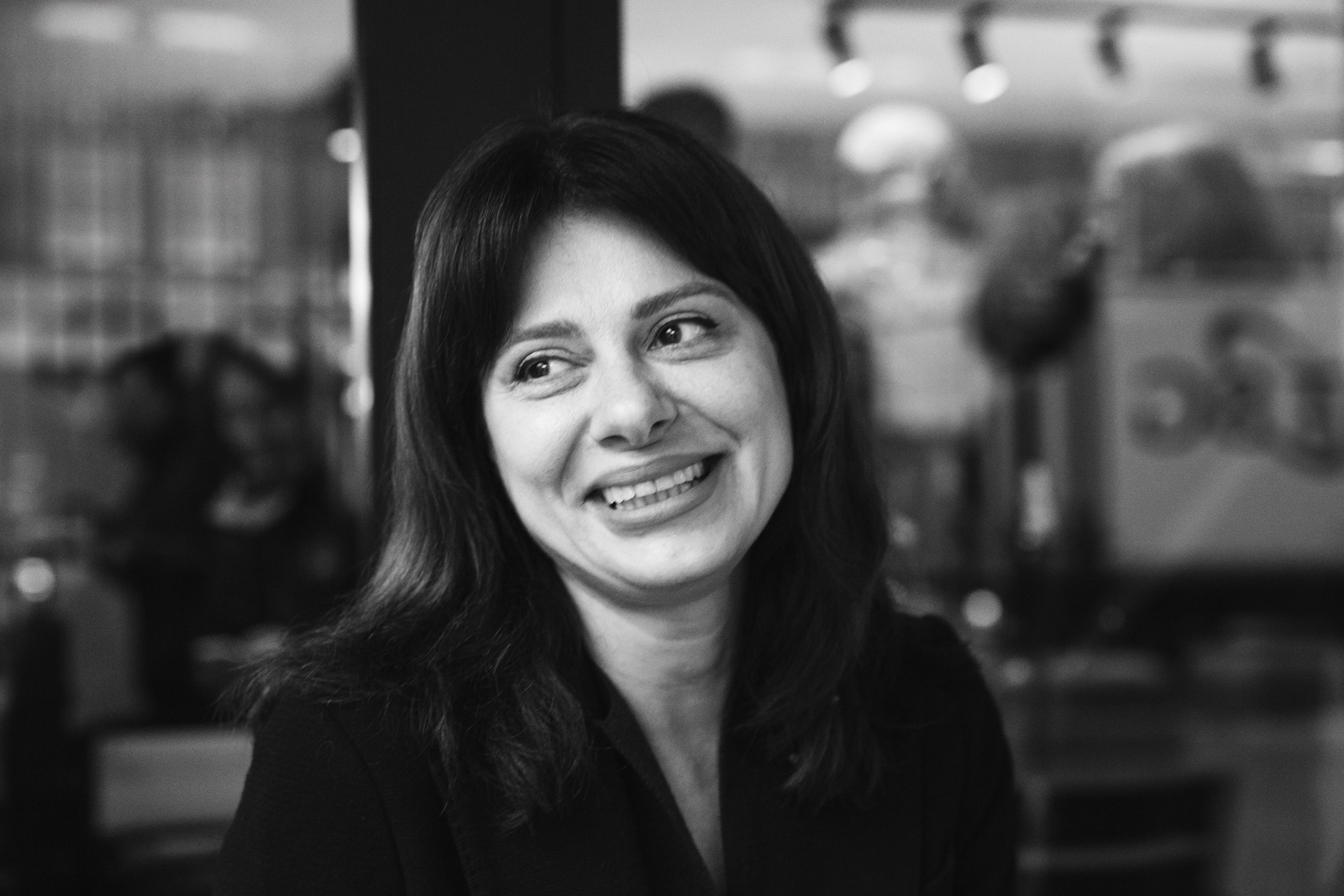
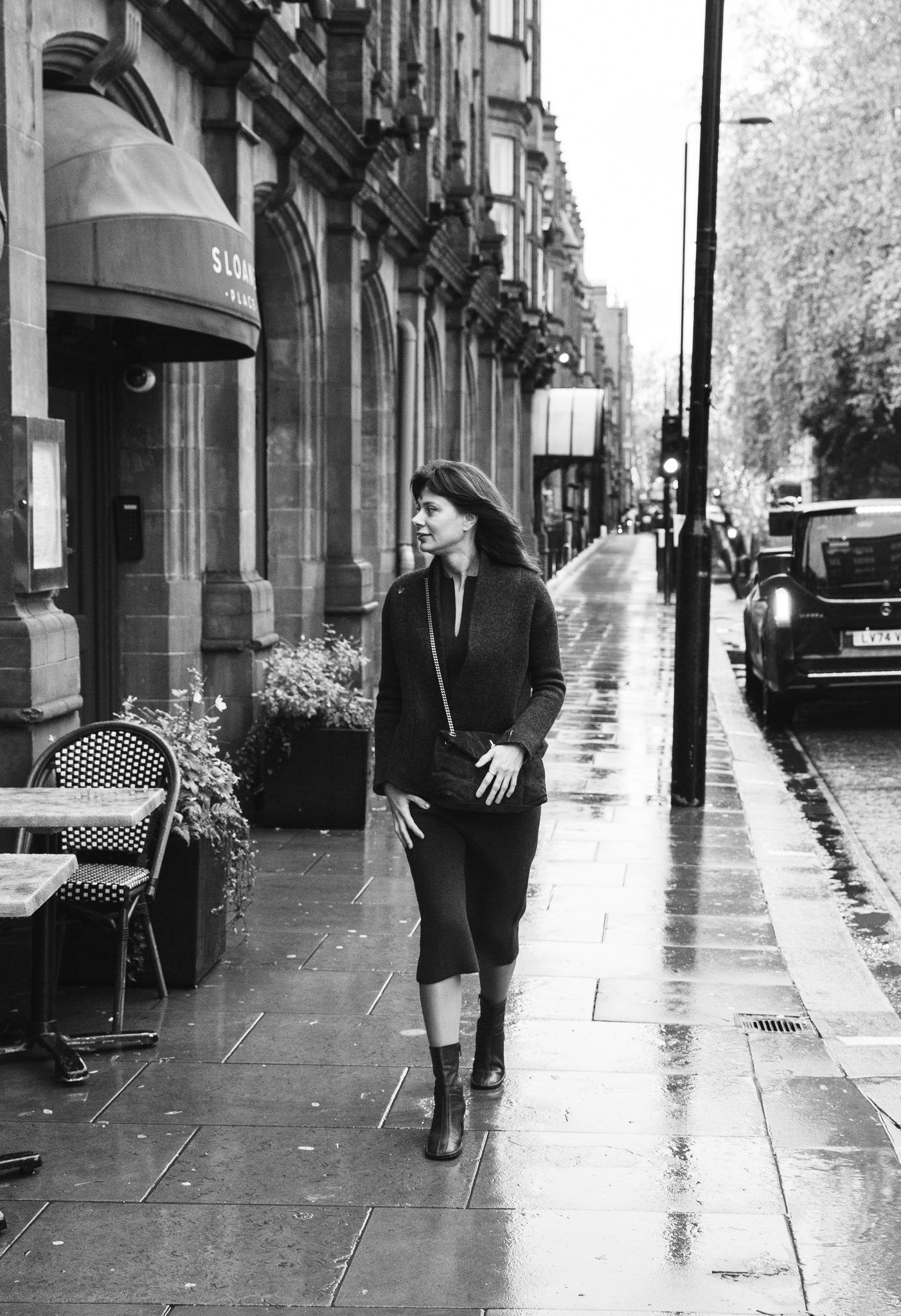
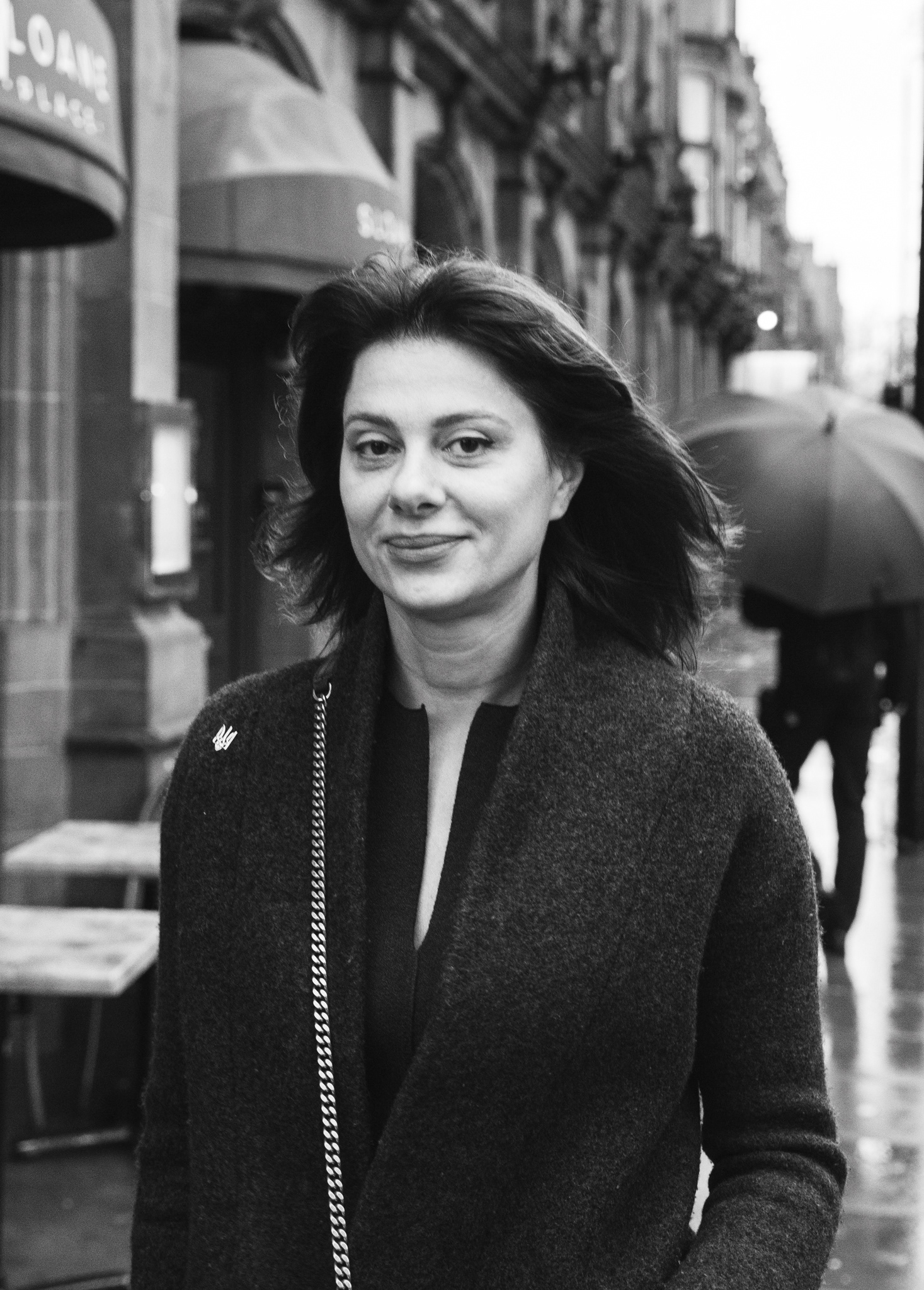
Concluding her story, Oksana shares something deeply personal - how she feels now as her photo becomes part of a project about strength. She admits that her life is now two parallel images that she learns to reconcile within herself every day.
"It’s only now, looking at myself from the outside, that I realise how far I’ve come. My life consists of two parts. The first is bright and successful - about motivation and positivity. This is the woman leader speaking at Imperial College, shaking hands with ministers, and organising convoys. This is the image the world sees."
But there is another part - one that remains behind the scenes of official meetings and fundraising events.
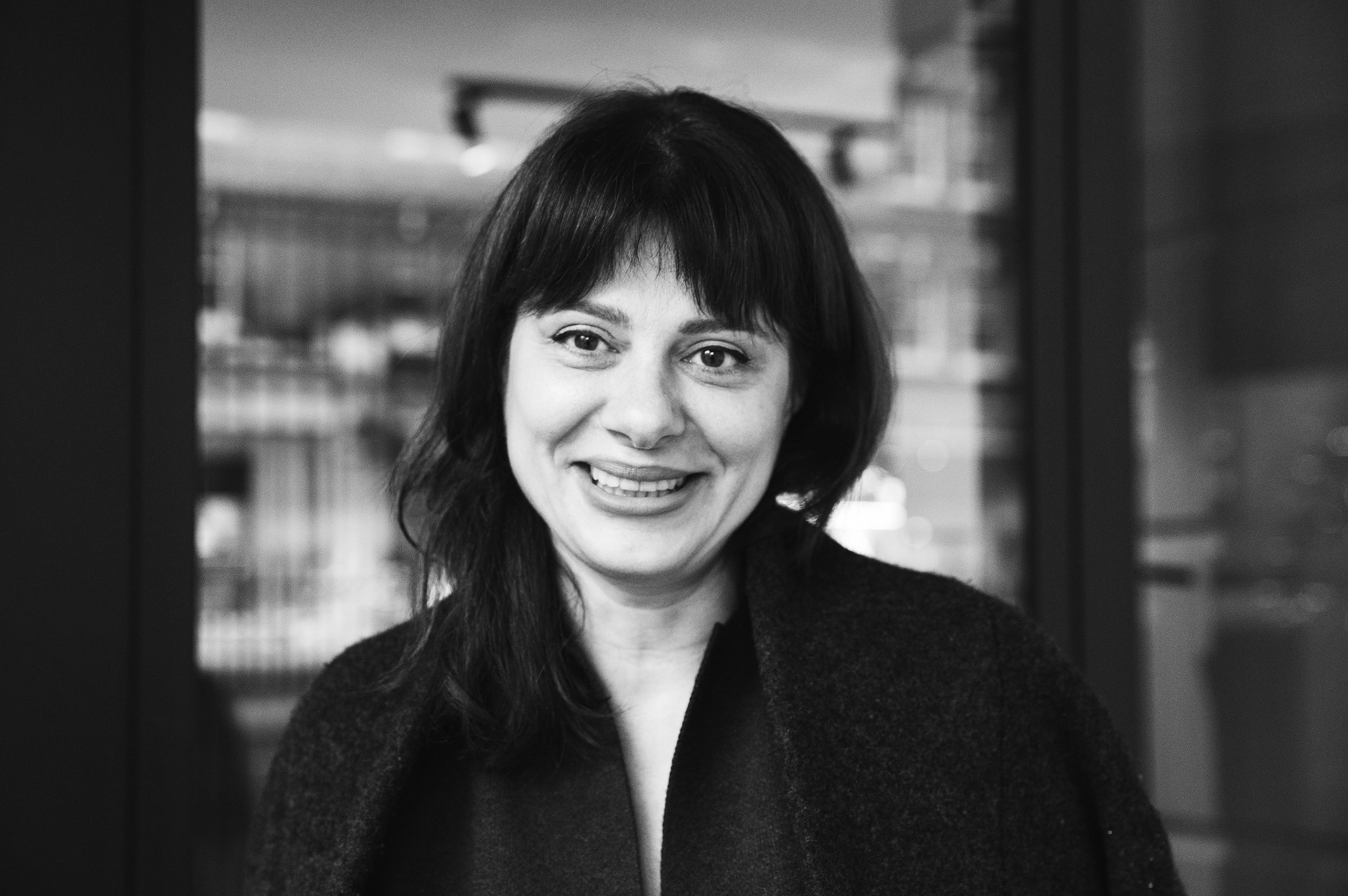
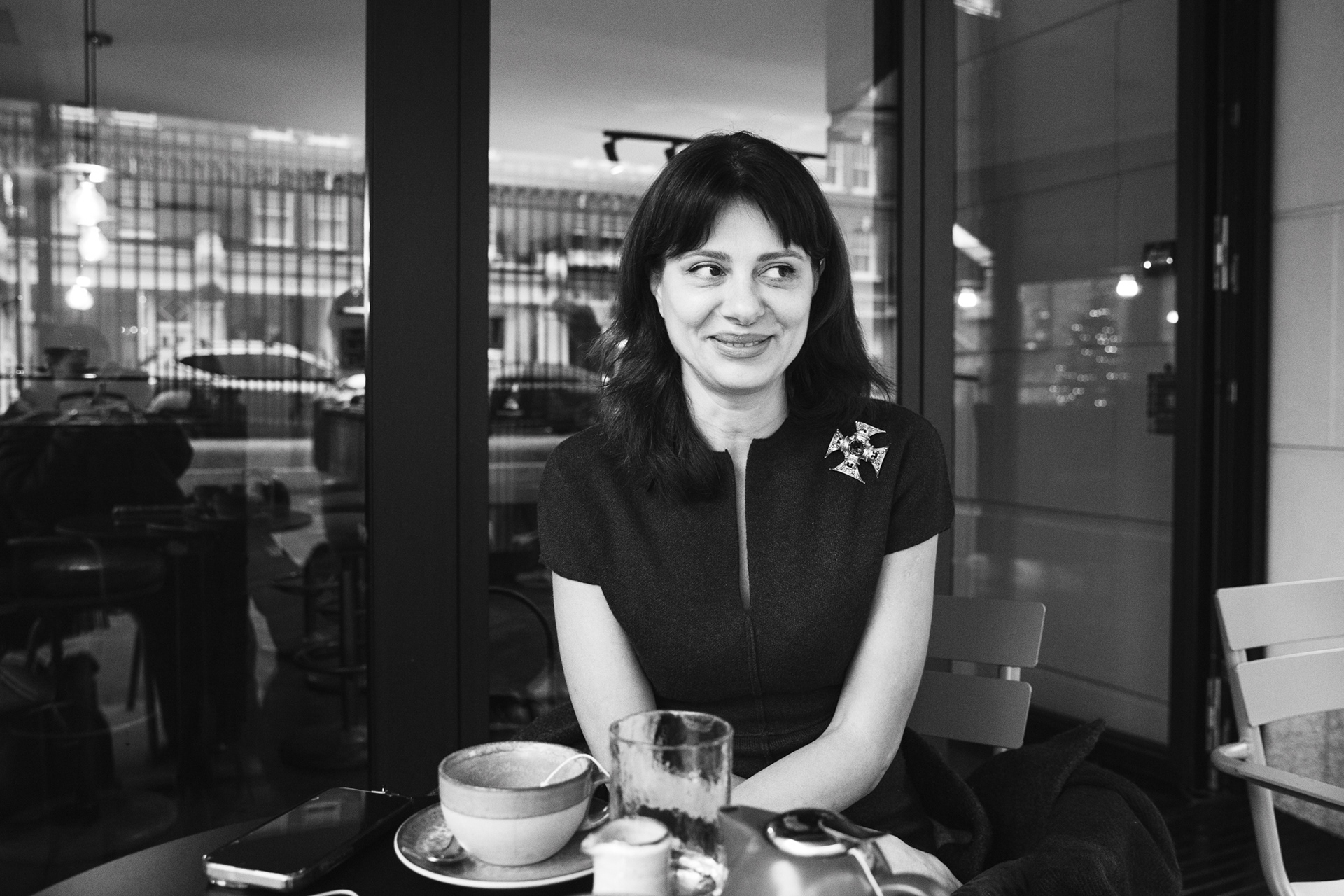
"The second image is black and white. It’s the background that hasn't gone anywhere since the 24th of February. In it, I am still that woman who flinches at loud noises, who remembers the taste of that birthday cake in an empty house. This is the reverse side of my energy. I radiate light, but sometimes I need to find it for myself. I still feel this instability: my visa expires in October 2026, and it’s that feeling again - that so little depends on you."
Despite this, Oksana does not stop. Her plans for next year include large-scale projects on rehabilitation and children’s mental health, using Ukrainian expertise to help children in conflict zones around the world.
"I want to turn our pain into a tool for help. Ukraine is not about defeat - it is about incredible expertise built on blood, and it must not disappear in vain. I am proud of our women—of my incredible, strong sister Olena in Lviv who stayed with our parents, and those who support Ukraine from the outside every day. But we are here to be the voice of those who remained there. We are not just refugees. We are a bridge to the future, which we are building with our own hands, despite all the black-and-white shadows of the past."