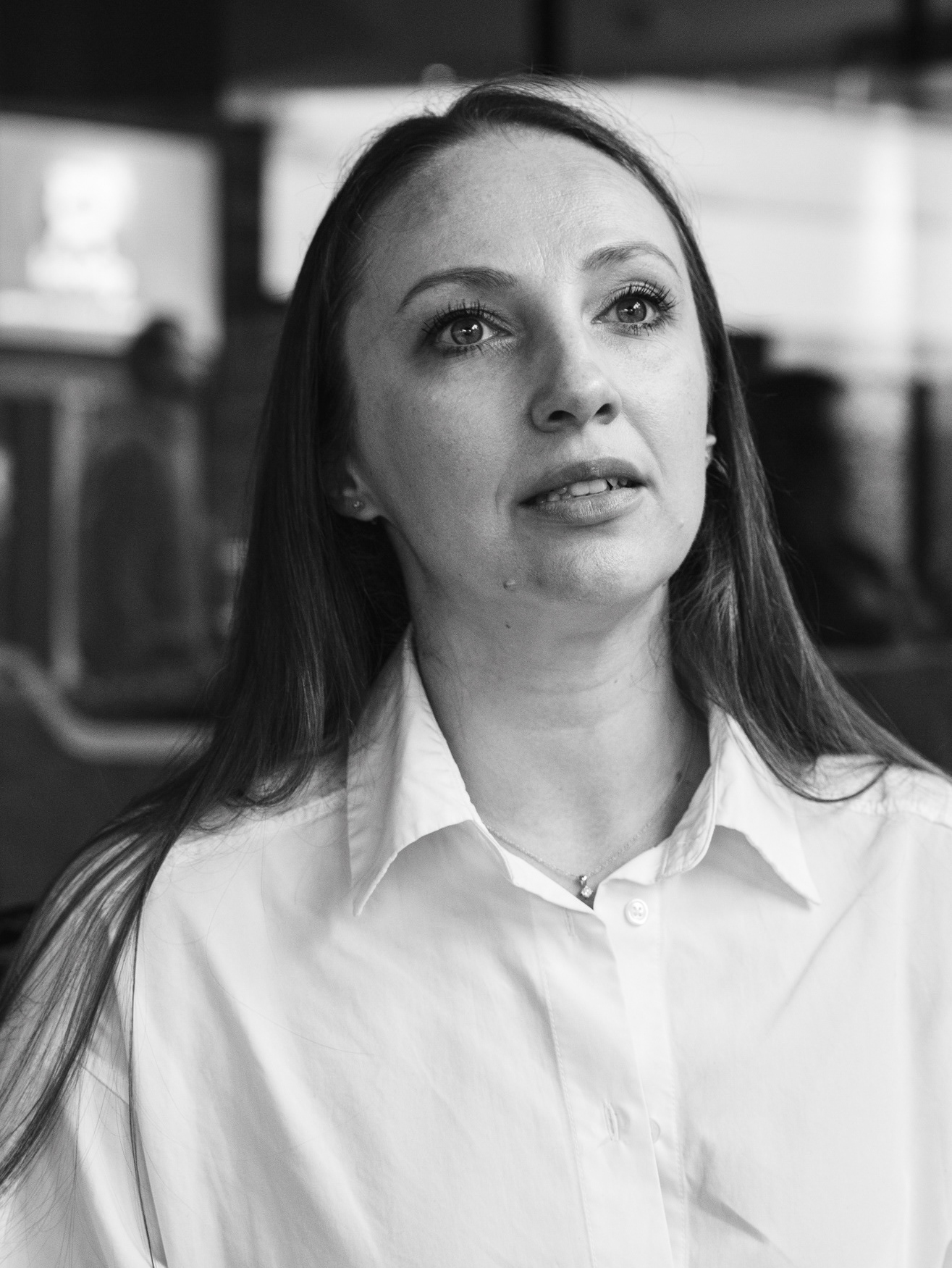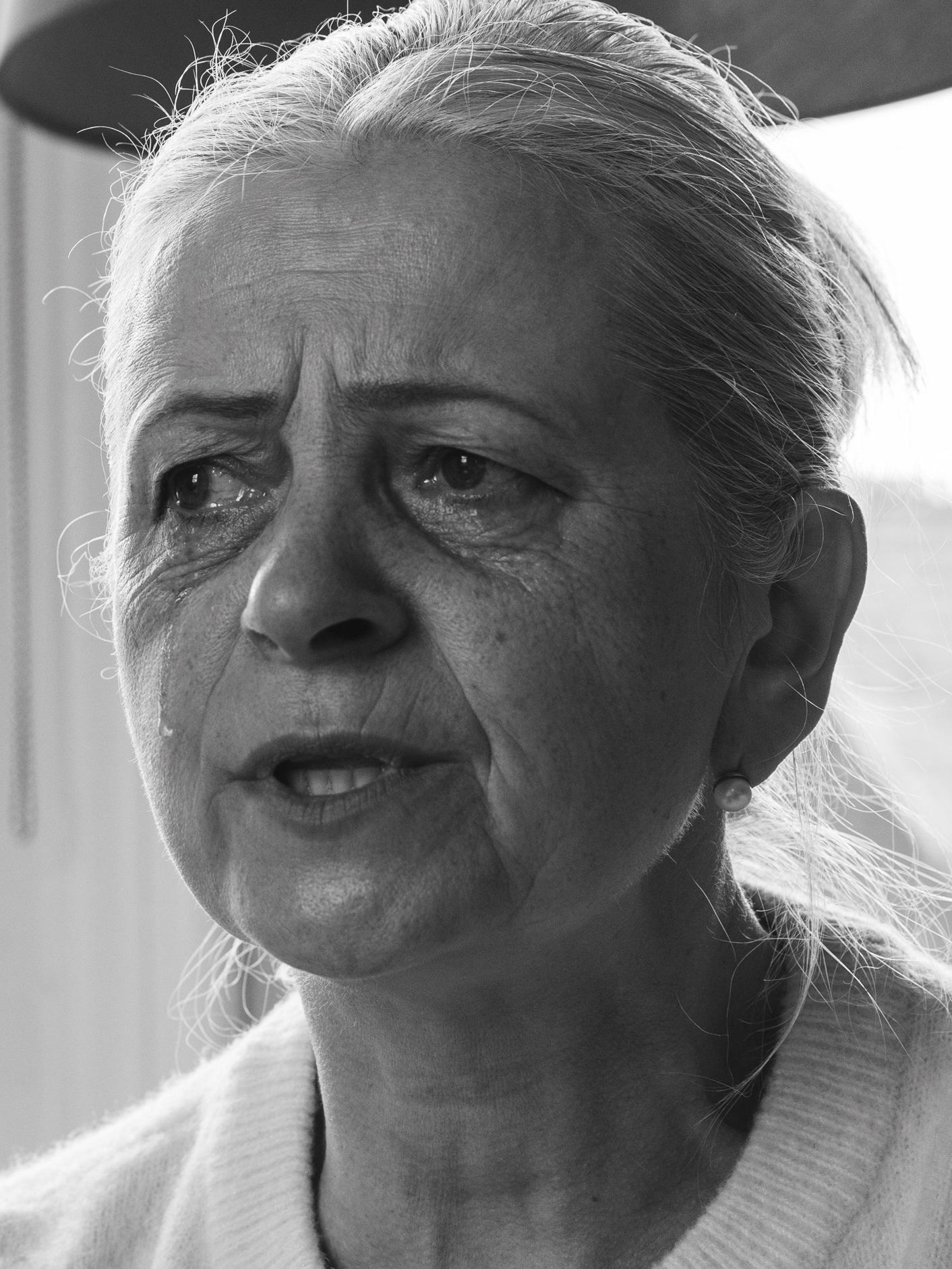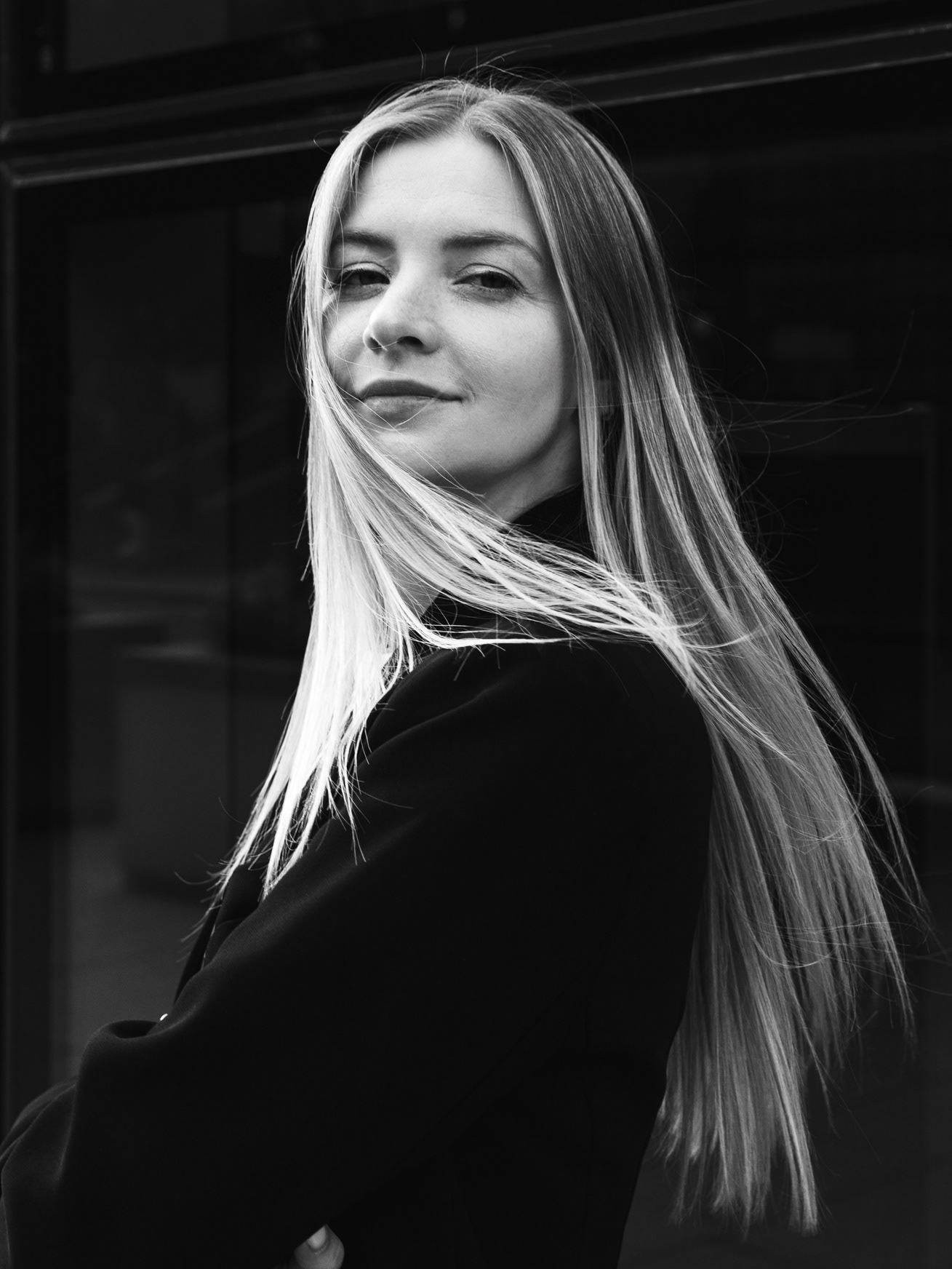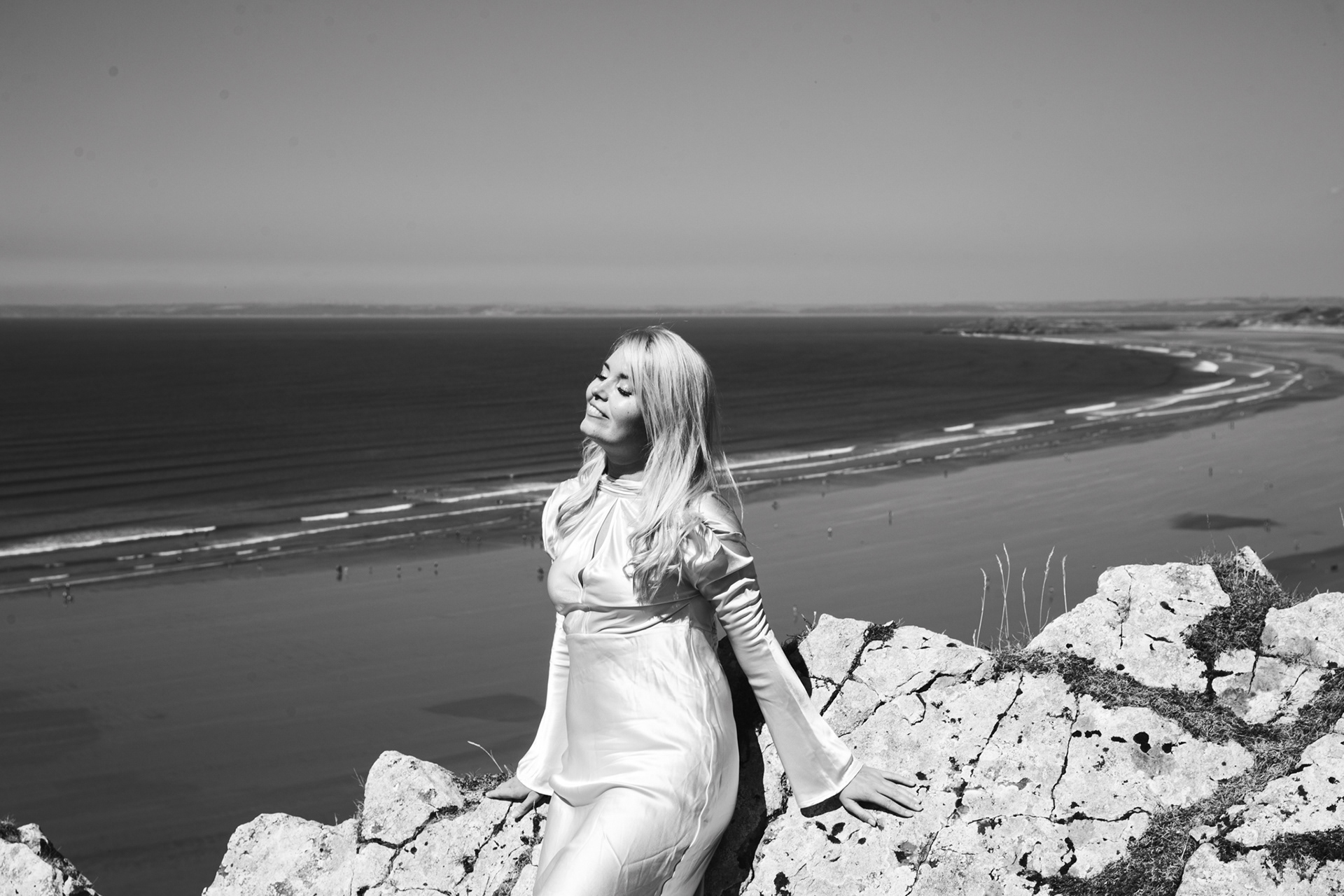
The story of one mother, one war, and an unbreakable will to live.
First came the sound. Not a roar, not an explosion, but something deceptively festive, like distant fireworks. In her Kyiv flat, bathed in the soft light of a February morning, Taisiia was woken not by the noise, but by the quiet, baby-like singing of her seven-and-a-half-month-old daughter, Solomiia, in the cot beside her. A miracle daughter, for whom she and her husband had waited fifteen years. A child who embodied her entire life, all her dreams, all her love.
"I woke up to thousands of notifications in every chat saying the war had begun." This phrase split reality into "before" and "after". The world, built on love and anticipation, had cracked. At that moment, Taisiia did not yet know that this sound, resembling fireworks, would become an echo that would haunt her child across years and kilometres. She did not yet know that her main mission would become not just to survive, but to preserve the light inside the tiny universe sleeping in her arms.
Taisiia’s story is not a chronicle of war. It is a testimony to the incredible power of maternal love, which becomes both a compass and armour. It is a tale of a woman who fell to the very depths of despair, only to find a strength there she never knew she possessed, and to build a new life on the ruins of the old. It is a story of resilience.
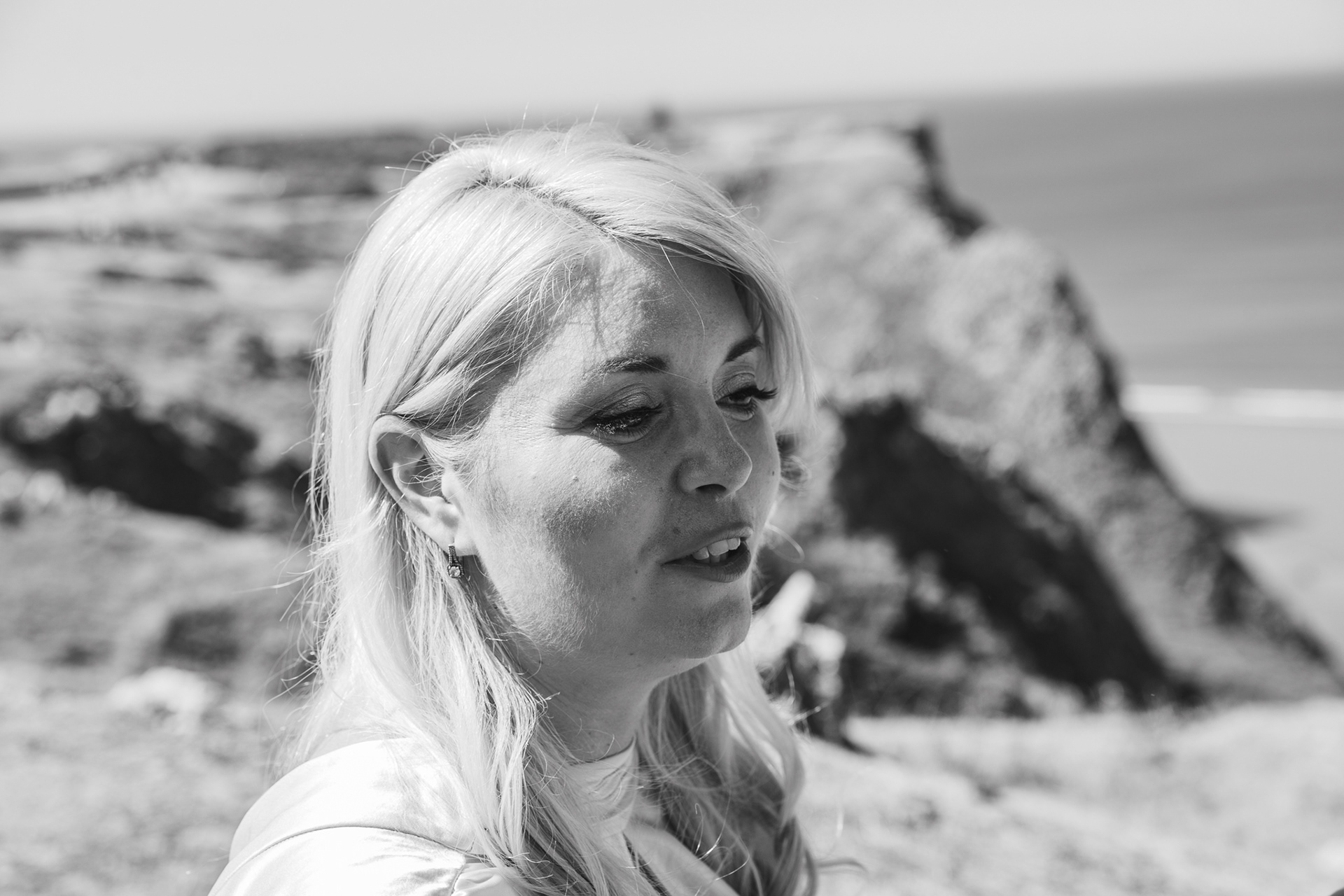
The Basement
Kyiv. Osokorky. The 26-storey building, which until that day had seemed like a fortress, was now vibrating from explosions coming from the direction of Boryspil. The first instinct was to run. The cash machine, the incredible queue, the fear. And then—down. Into the cold, uncomfortable basement, which became their home and shelter for the coming days.
"We were lucky," says Taisiia with bitter irony. "We were allocated a separate mini-room, about 2x2 metres, in the basement."
Happiness in that world was measured in square metres of concrete. She and Solya lay on a couch on the floor, whilst others slept on pallets in the corridors. But the walls could not save them from reality. The most terrifying image of that time for Taisiia was not the explosions, but the liquid running from her daughter’s nose, black with soot. The little baby she had waited for so long was breathing in basement dust and fear.
On one of the first nights, as she was breastfeeding her daughter, a powerful explosion shook the building. Something had crashed a mile away—a plane, a missile, or a drone. In that instant, fear became physical, animalistic. The fear of being buried alive under the rubble together with the most precious thing she had.
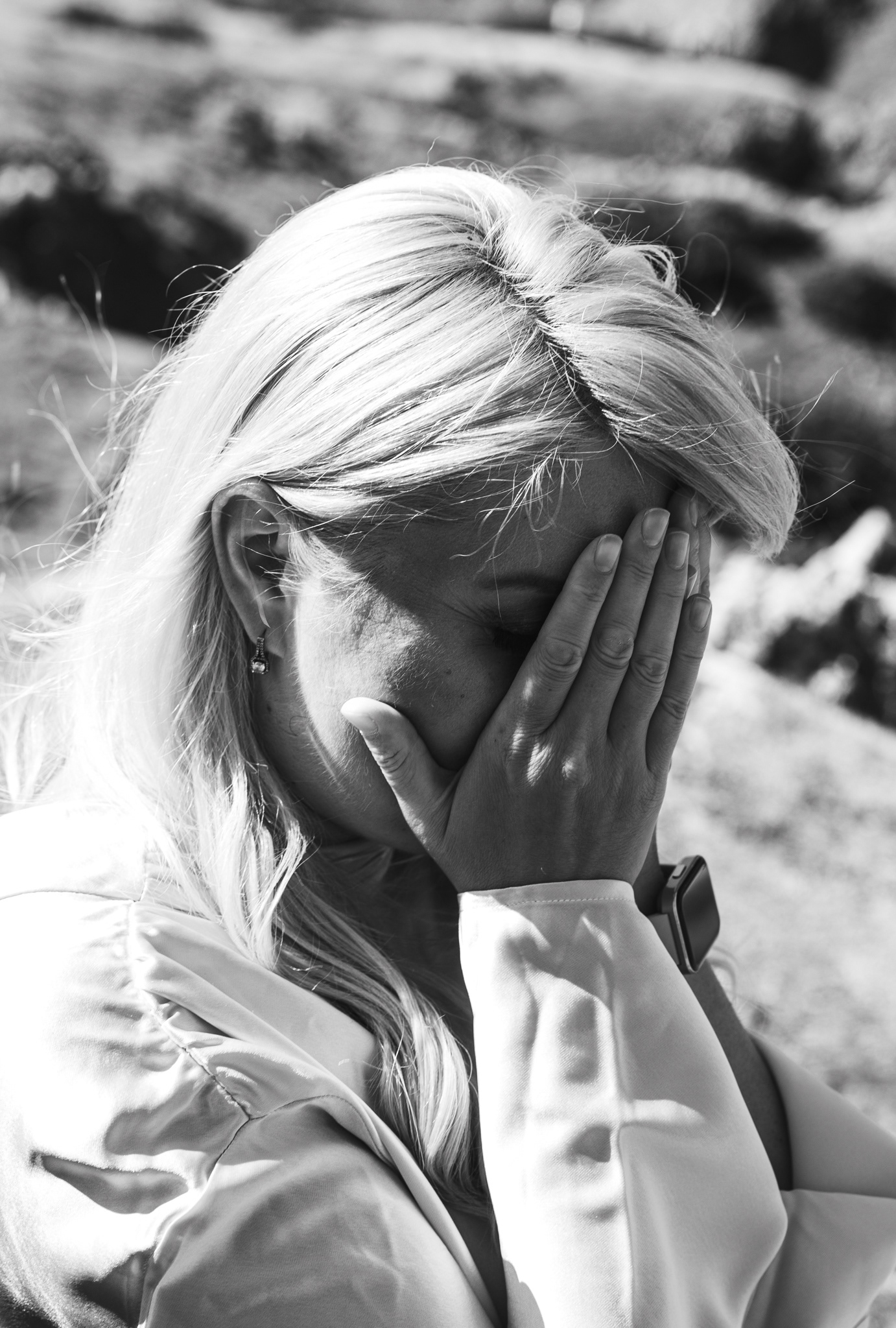
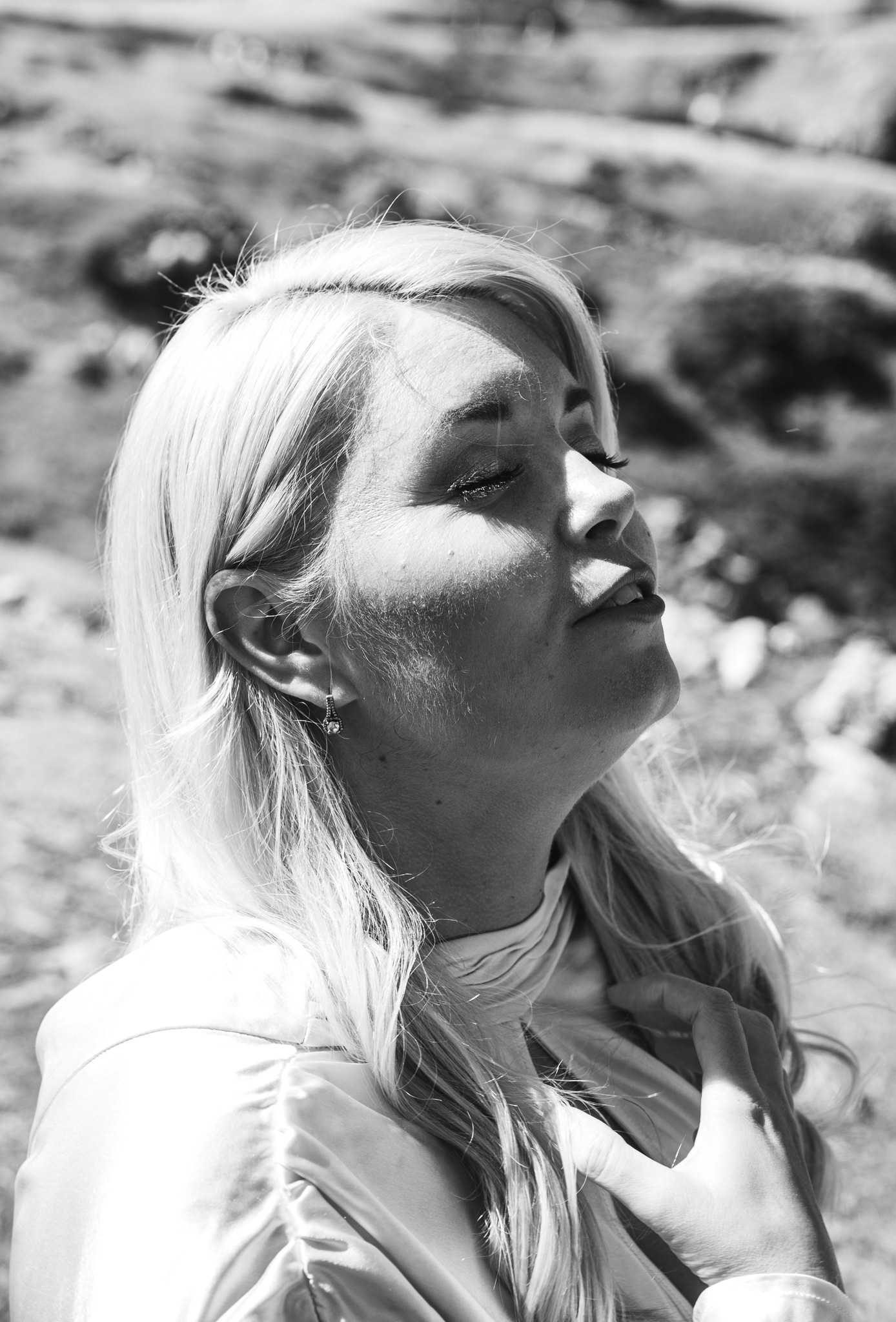
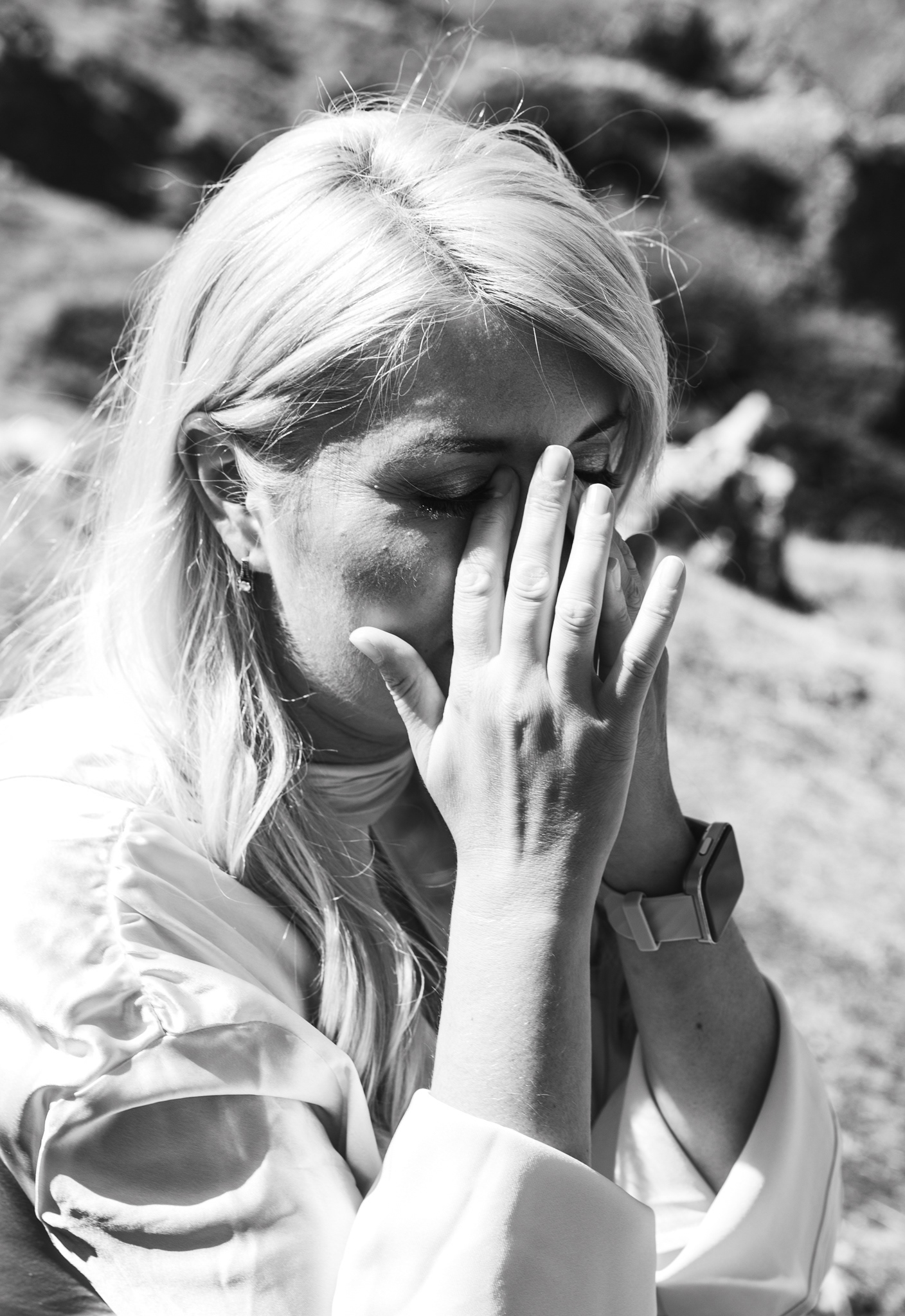
But the deepest pain was not physical. It came when history came full circle in a terrifying way. In the family chat, amidst panicked messages, Taisiia wrote words that came from the heart, connecting her personal tragedy with her family's history:
"All his life, my grandfather wept when telling how his mother threw him into a crater in 1941, breastfed him in that crater, and hid him from German rockets and bombs. And who could have thought that the colleagues and comrades of my own uncle, my godfather, would come to take my life and the life of my child in broad daylight in my own home."
The response from the Russian part of the family was silence. And then—a total severing of ties. This betrayal, quiet and personal, hurt no less than the explosions. The war came not only from the outside. It destroyed bonds that had seemed eternal.
Escape into the Unknown
On the third day, it became clear that staying was impossible. The escape began. First to Cherkasy, hoping it would be quieter there. But the sirens and basements found them there too. Then—the summer house. But there was no hiding from the war there either. When talk of a radiation threat began, panic washed over Taisiia with renewed force.
"I couldn't buy iodine anywhere. Nowhere. I was just running around; I wanted to save my child. And in this panic, there was the fear that, okay, a rocket might hit, a drone, a plane. But if, God forbid, it’s radiation, that is a terrible, slow death."
Her body stopped obeying her. Panic attacks began. It wasn't just fear. It was a sense of total loss of control, a feeling of death rising from within.
"I was suffocating, and you know, it’s that feeling like you are falling, dying. Your heart races, you can't control the heartbeat, the thoughts, the emotions. And it seems like you’ll drop down right now and never wake up. I begged: 'Please, hit me, beat me, pour water on me, scratch me, do something, bring me back to life'."
The decision was made. She had to leave the country. Alone. With a baby in her arms. Where to—she didn't know. Simply into the unknown, away from the sirens and death. Her husband was not allowed to leave Ukraine.
The first stop was Poland. Kind people, shelter, help. But the internal storm did not subside. The panic attacks grew stronger. One day she simply collapsed on the floor, unable to move, with her daughter lying beside her. "I thought I was dying. In your head, you understand you are alive, but you cannot breathe."
That was when a friend suggested an idea—Britain. A country whose language Taisiia knew. It was a "straw" she clutched at. A volunteer found a family for her in Wales. Sincere, friendly, and intelligent teachers with two children. After a video call, it became clear—this was a chance. A chance to breathe.
Total Acceptance
Wales welcomed her with silence, greenery, and something she had never felt in her life.
"Honestly, for the first time in my life, I felt full acceptance. Such a full, deep breath, when you are accepted however you are, unconditionally. I don't remember feeling that from anyone in my life."
The host family surrounded her and Solya with incredible warmth. They didn't just provide a roof over their heads. They shared their home, their daily life, their traditions. They helped with the baby when she was teething, drove them to doctors, and taught Taisiia everyday English. Neighbours brought mountains of toys and clothes for Solya. It was a wave of humanity that began to heal her wounded soul. The panic attacks retreated. For the first time in a long while, she could breathe.
But the nine months for which the housing scheme was designed were passing. The war was not ending. She needed to move on, to stand on her own two feet. And here began a new trial. A battle not against rockets, but against the system.
Taisiia spent six months looking for a rental property. And for six months, she received rejections. "I am a single mum with a 13-month-old child, unemployed, without an official contract in the UK." Her Ukrainian documents and her husband's income were of interest to no one.
The only solution she was offered was to declare herself homeless. This word sounded like a sentence. Her hosts, with heavy hearts, had to officially inform the authorities that they could no longer provide her with accommodation. A sense of helplessness and humiliation. When the local council finally offered her a social house, it seemed like salvation. But the reality was shocking. It was a new low.
"The state of the housing... words can't describe it. I cried. I didn't just cry, I sobbed. Honestly, the condition of the basement in Kyiv was much better. Peeling black walls, holes in the walls, the smell of dog urine, missing flooring... And this was in the most dangerous area, about which I was told: 'Don't go out anywhere, don't talk to anyone'."
She stood in the middle of this horror with a small child, and the thought of returning home, even under shelling, seemed the only way out. It felt like the end.
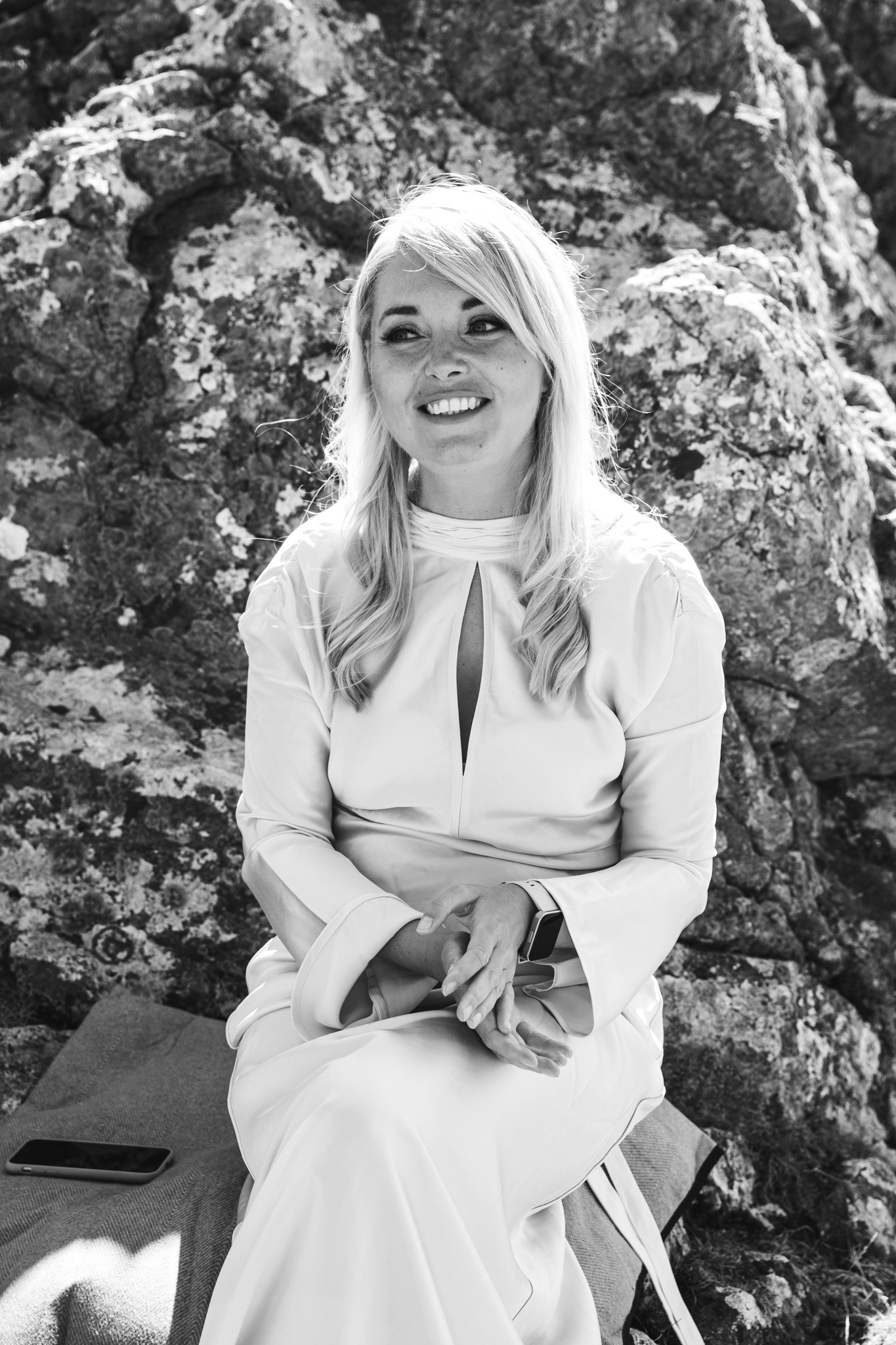
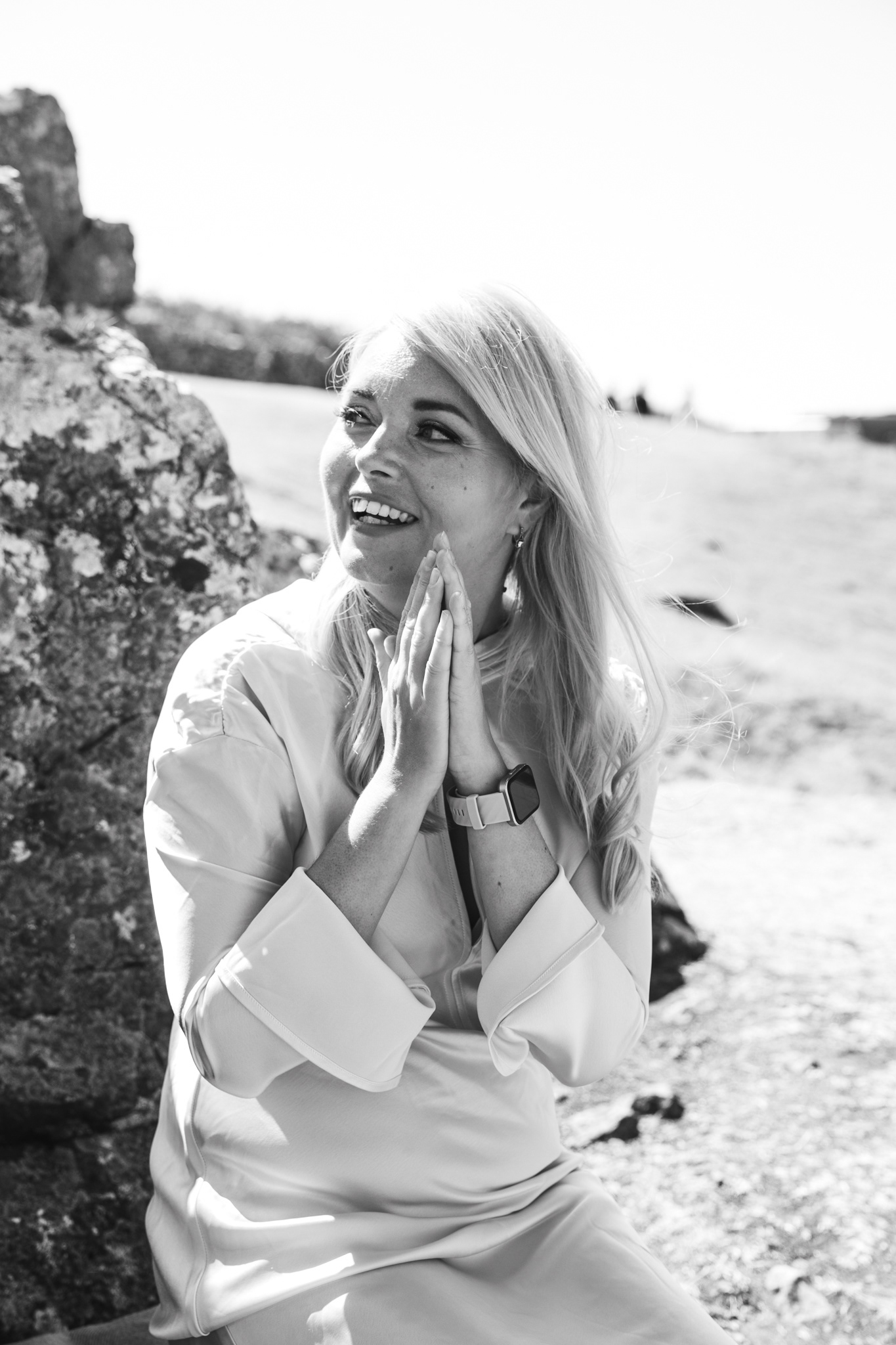
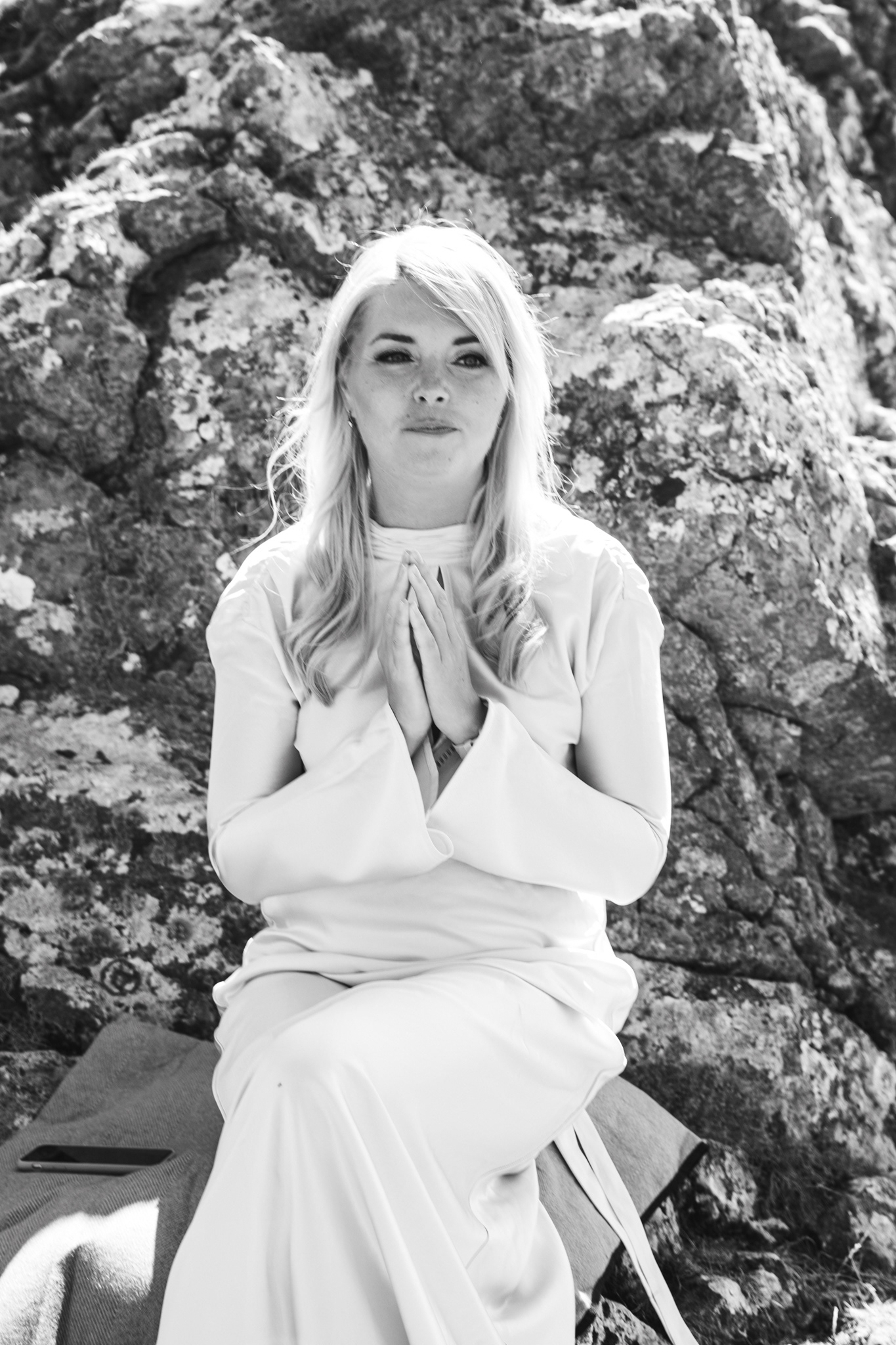
The Convulsion
But fate had prepared one more, most terrifying trial for her. That day, nothing foreshadowed trouble. She and 2-year-old Solomiia were playing and reading books. Suddenly, the little girl lay down on her, and her body began to shake.
"I turned her face," Taisiia’s voice trembles even now, "her eyes had rolled back, her teeth were clenched, and it was blue-black around her mouth and eyes. I thought my child was dying. She was just dying in my arms."
The panic she had experienced before was nothing compared to this terror. She ran out with the child to a neighbour, unable to explain in English what was happening. The neighbour called an ambulance.
"I remember falling to my knees right on the tarmac because for me, this was the end of the world. The only thing I asked God was: 'Please, take me. If my child dies now, I don't want to live any longer'."
It was a febrile convulsion—a reaction to a sudden spike in temperature. A life-threatening condition. Thanks to the neighbour and the doctors, Solomiia was saved. But this experience left another deep scar on Taisiia. It showed her the absolute limit of her fear and her love. And it was on this edge, at the very bottom of the abyss, that her journey upwards began.
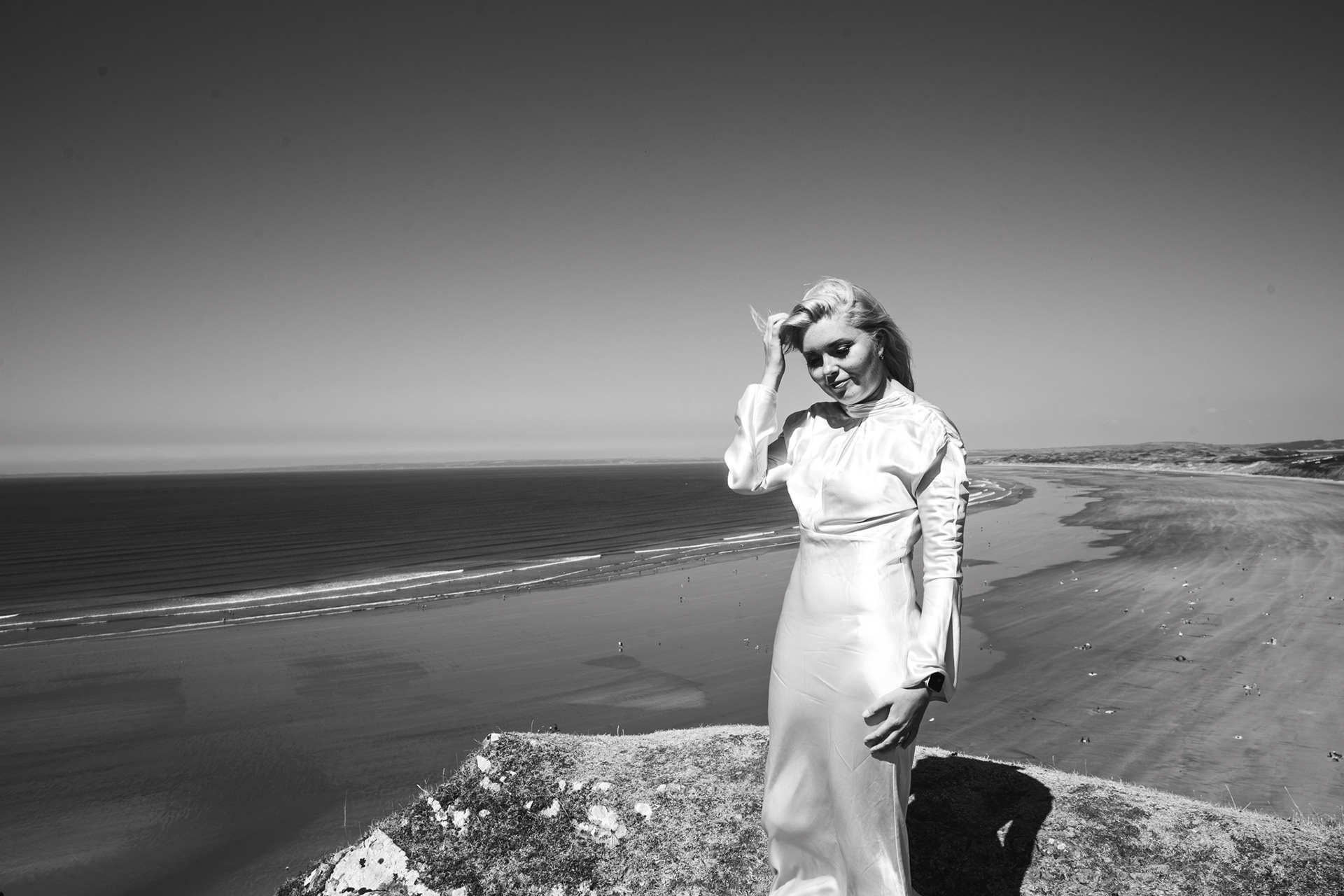
Rebirth and the Miracle of Science
The community saved her. The very same Ukrainian friends who came to that terrible house with bags of groceries. The neighbours who helped during her daughter's illness. People who didn't let her break. They helped with renovations, brought furniture, and brought back the feeling of a home.
And then Taisiia made a conscious choice. A choice to fight. But the fight was not just for survival. Another, equally painful question arose: what to do with her life? In Ukraine, she was a PhD in Personal Potential Development, a company director, head of mentors at STEM schools, a trainer, an education expert, and founder of the "School of Wise Parents" project. She had built a career and realised ambitious projects. Here, in Britain, she was just a refugee with a small child.
"For two years I tried to find any position at the university in my city relevant to my experience and broad expertise: STEM, Computer Science, Psychology, or Education. I applied for anything, even Junior positions, assistant roles, and so on." For two years, she knocked on closed doors. Her CV, her academic degree, and her experience shattered against the reality of a new country. To avoid losing herself, she decided to act. Instead of waiting, she went to study—at a local college for psychology and counselling. It was important to "upgrade my skills and my technical English skills" to feel more confident.
She didn't sit still. She actively developed her LinkedIn profile, volunteered at hackathons in London, led training sessions and webinars, became an ambassador for a global network of women in STEM, and spoke at and participated in conferences. She looked for any opportunity to be heard, to be useful. And step by step, the universe began to respond.
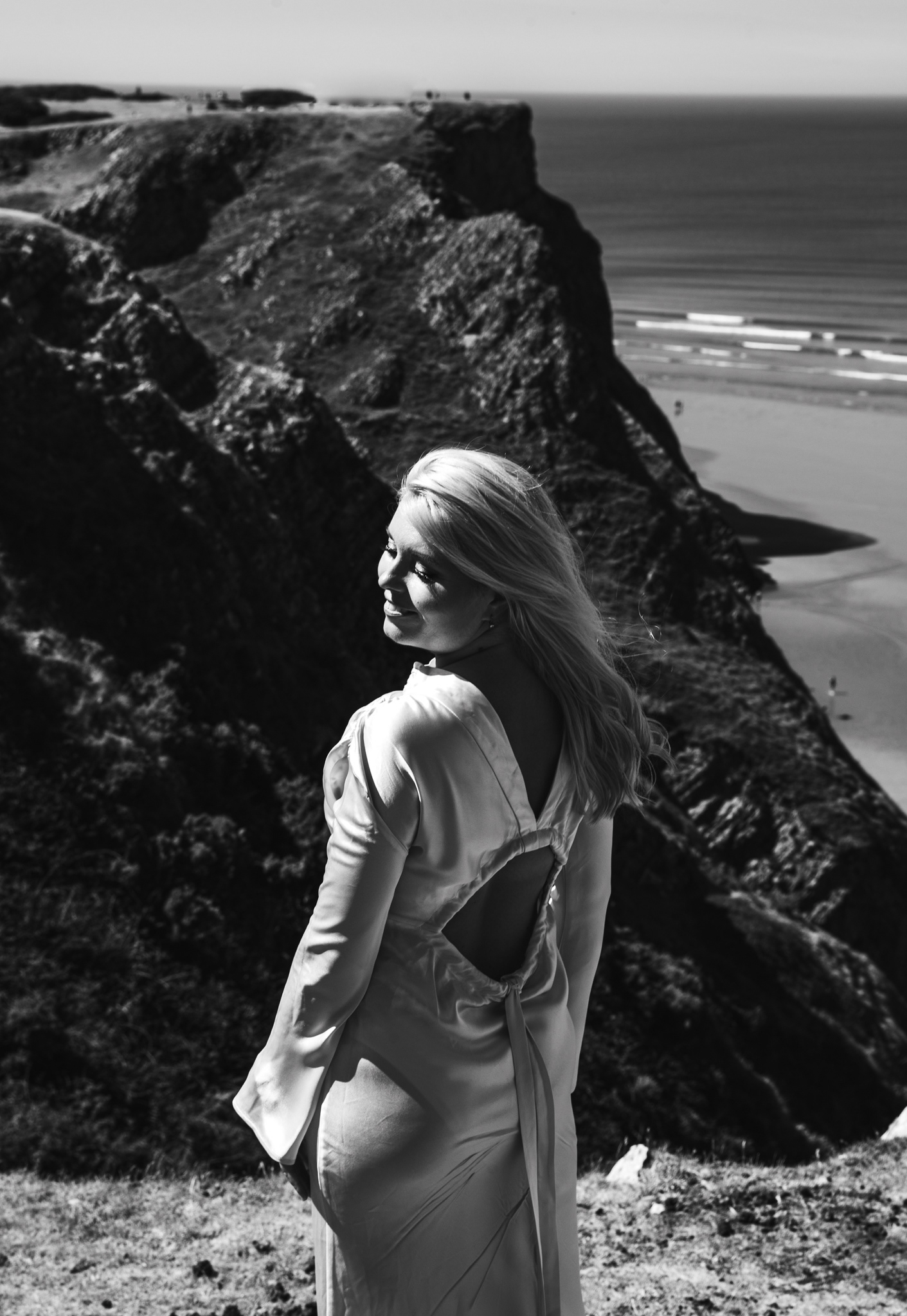
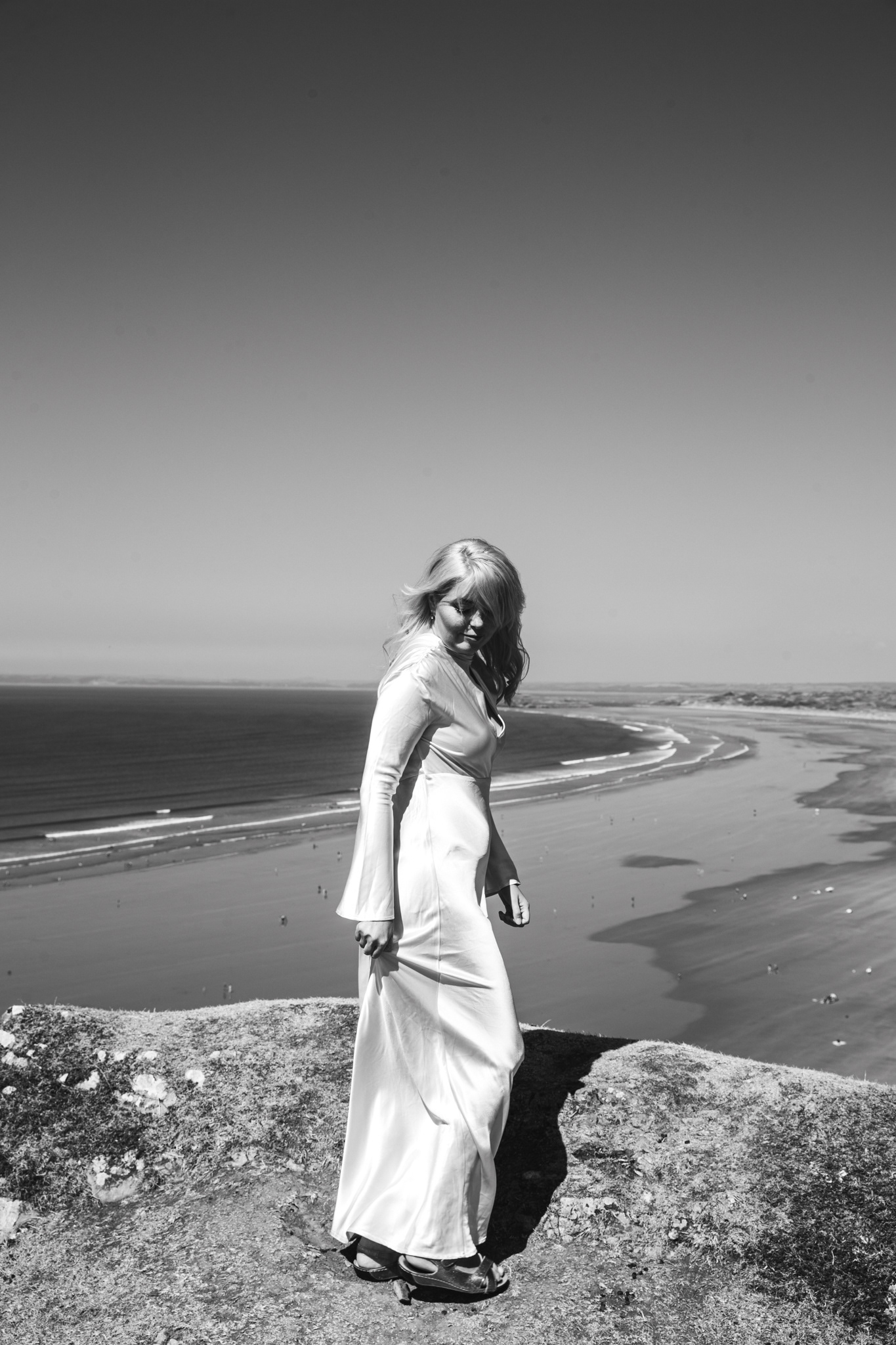
The first miracle, despite extremely high competition, was an invitation to speak at Oxford University. For her—a scientist and practicing teacher on a salary of a hundred dollars—Oxford had always been something from "the realm of dreams that never come true". Getting a visa with such a salary was simply unrealistic. Seeing an announcement for a scientific colloquium on the topic of Artificial Intelligence—a subject close to her heart—she decided to take a risk and submit her research.
"I thought, well, why not? I sent it, and lo and behold, I passed this huge competition on the first try, and they invited me. My biggest dream came true!"
This speech at Oxford became a turning point. It returned her sense of self-worth and professional strength. And it was at this moment, whilst she was already negotiating a potential job, that it appeared—the perfect vacancy in another UK city.
"I saw an ad for my ideal vacancy, which aimed to research the mental health of Ukrainian children, their potential, and well-being, with elements of art therapy and the creation of a book at the end."
It was a perfect match. Everything she had been through—her maternal experience, her trauma, her professional knowledge in psychology, her love for art—merged into a single point. It wasn't just a job. It was a mission.
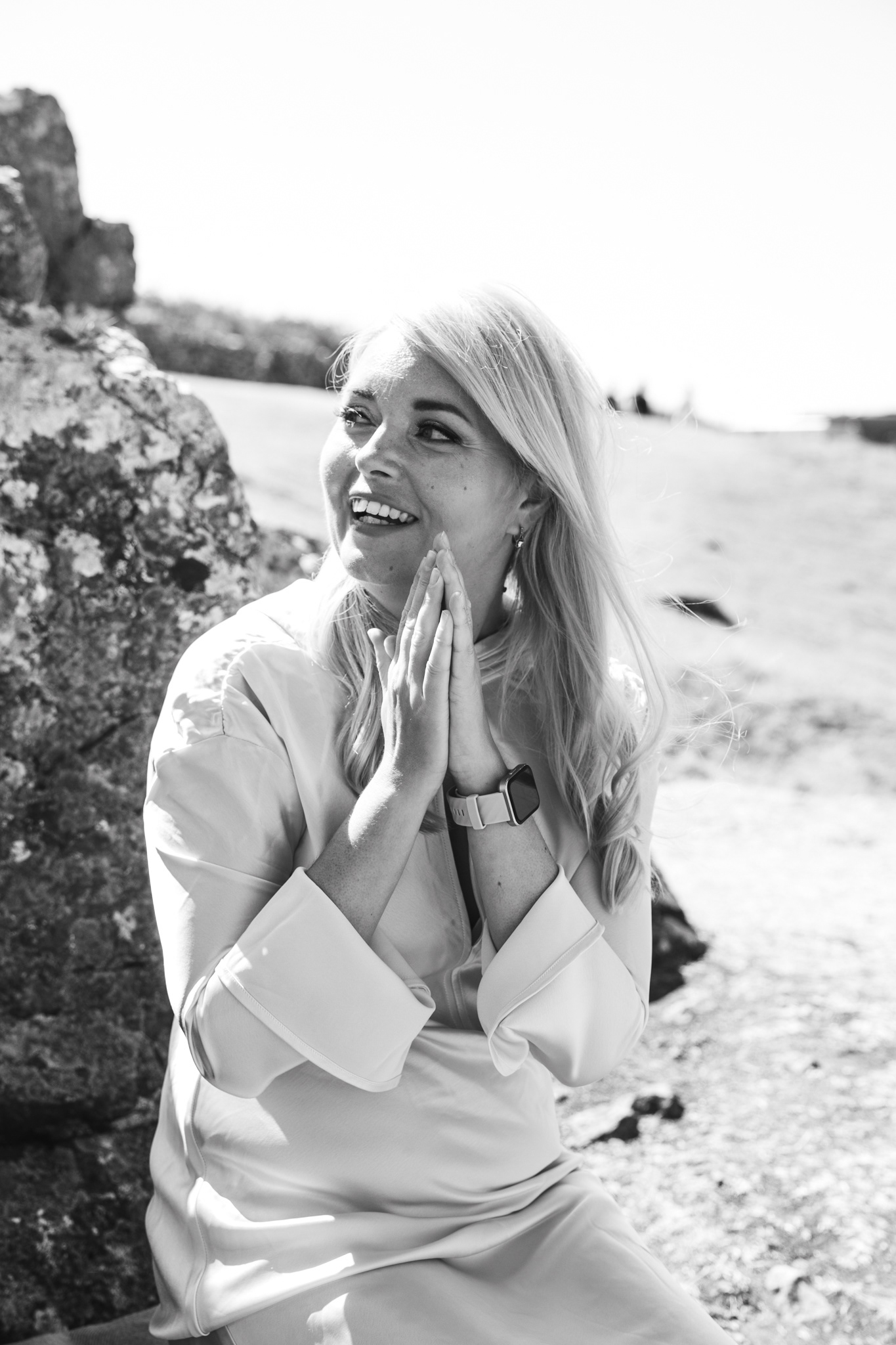
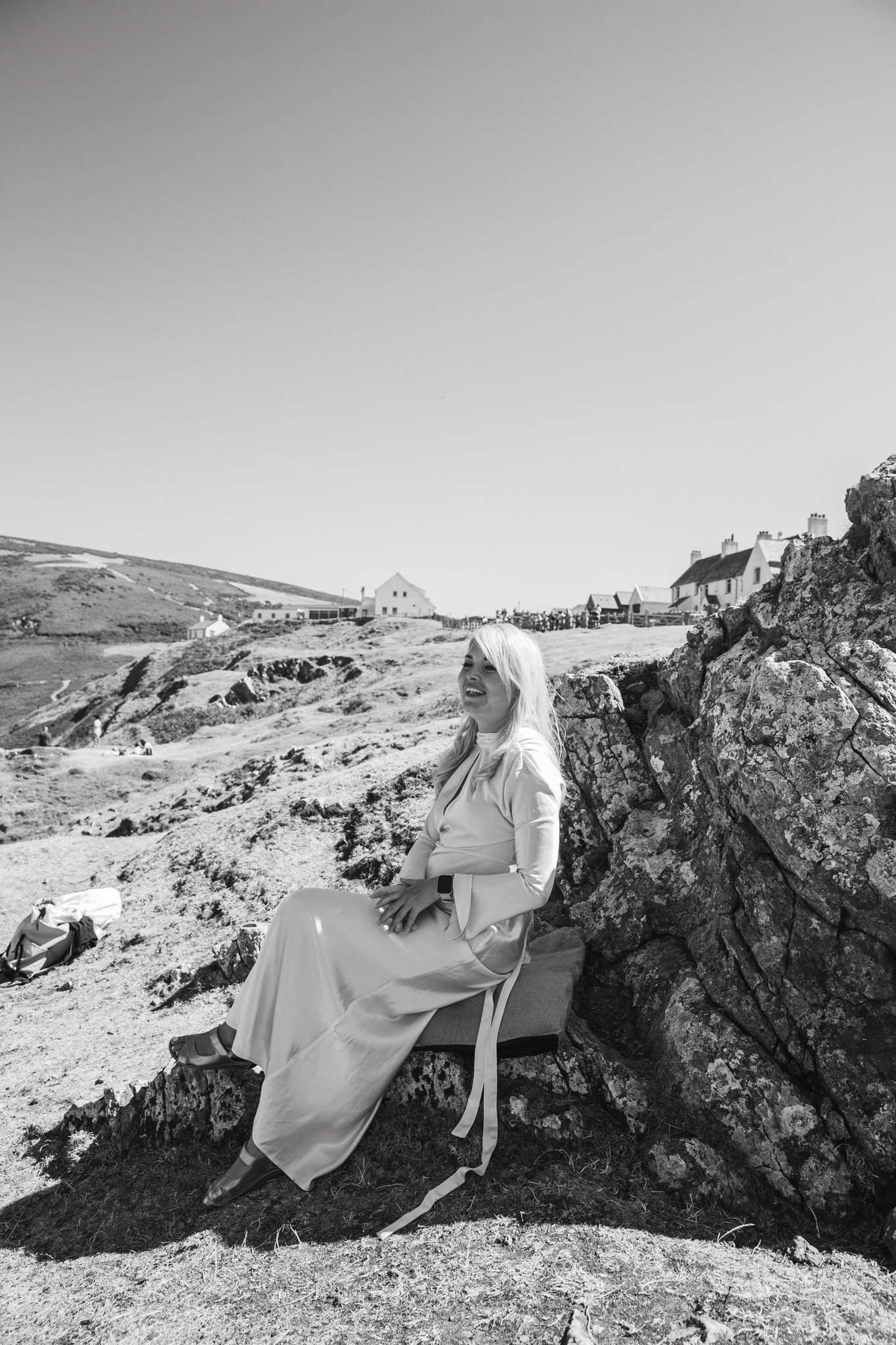
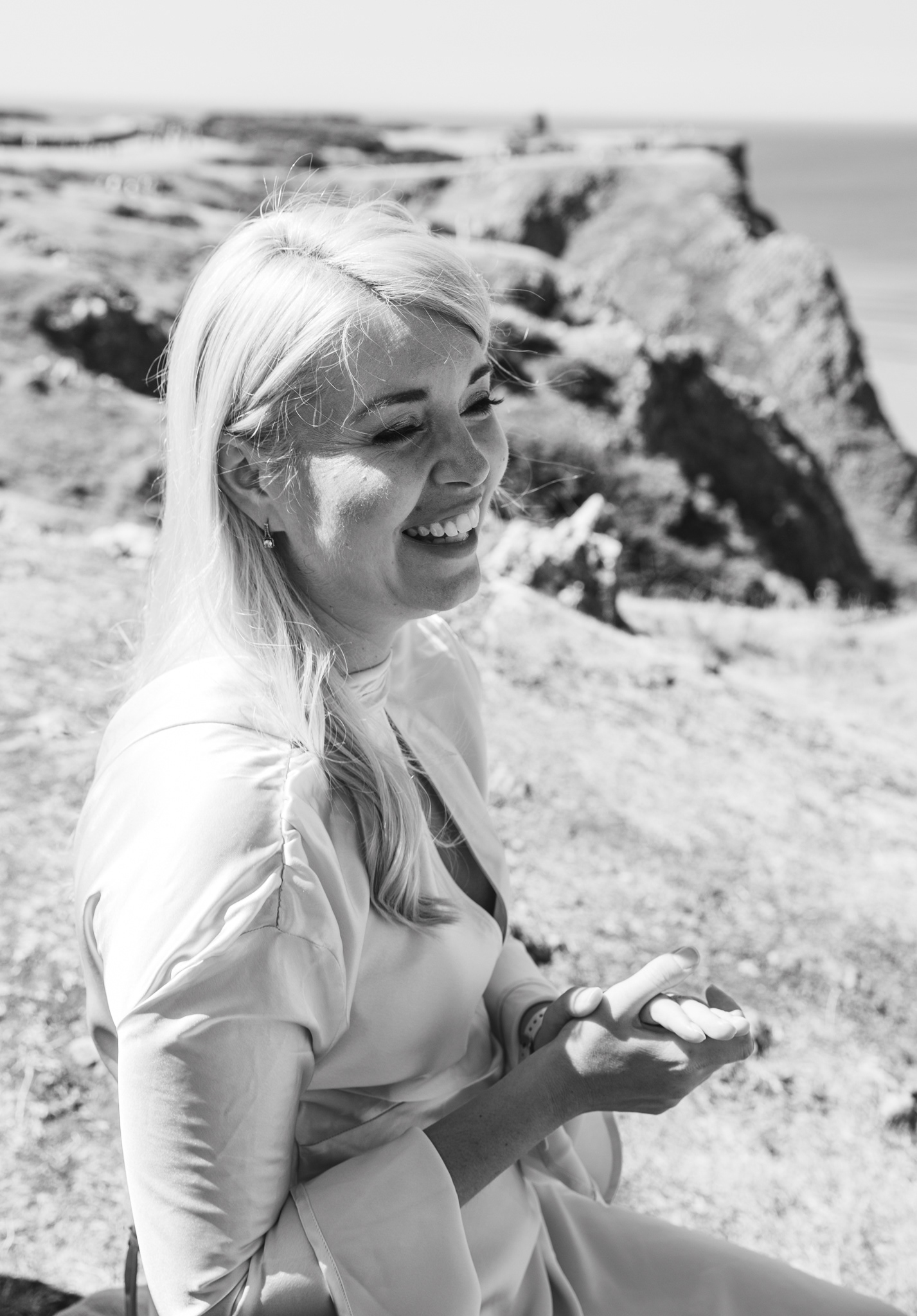
She applied. She was invited for an interview—only the second in her life in Britain. And just two hours later, the phone rang. She had been accepted as a Research Associate at the university.
"I am very happy that my professional dream has come true. After all, the focus of my professional attention is the mental health of Ukrainian children, exactly the psychological methods and tools that I would very much like to develop and use to work with my own child, with her trauma, and with my own trauma as a mother."
It was a long journey home—to herself. She turned her pain into her mission. Her experience—into a tool to help others.
Today, Taisiia is a strong, confident woman. But the war has not vanished. It lives on in her daughter. Solya, who left Ukraine as an infant, is terrified of loud noises.
"When Solya hears the sound of any plane, fireworks, or loud car noises, she runs and hides in the corner. She knows there are good planes and bad planes. For me, it is still a mystery and a research paradox how the code of fear of war sounds was written into a child from such a young age."
There is a ritual in their life. When it gets scary, Solya runs to her mum and asks: "Mummy, make me a nest." Taisiia hugs her, creating a small safe space with her own arms.
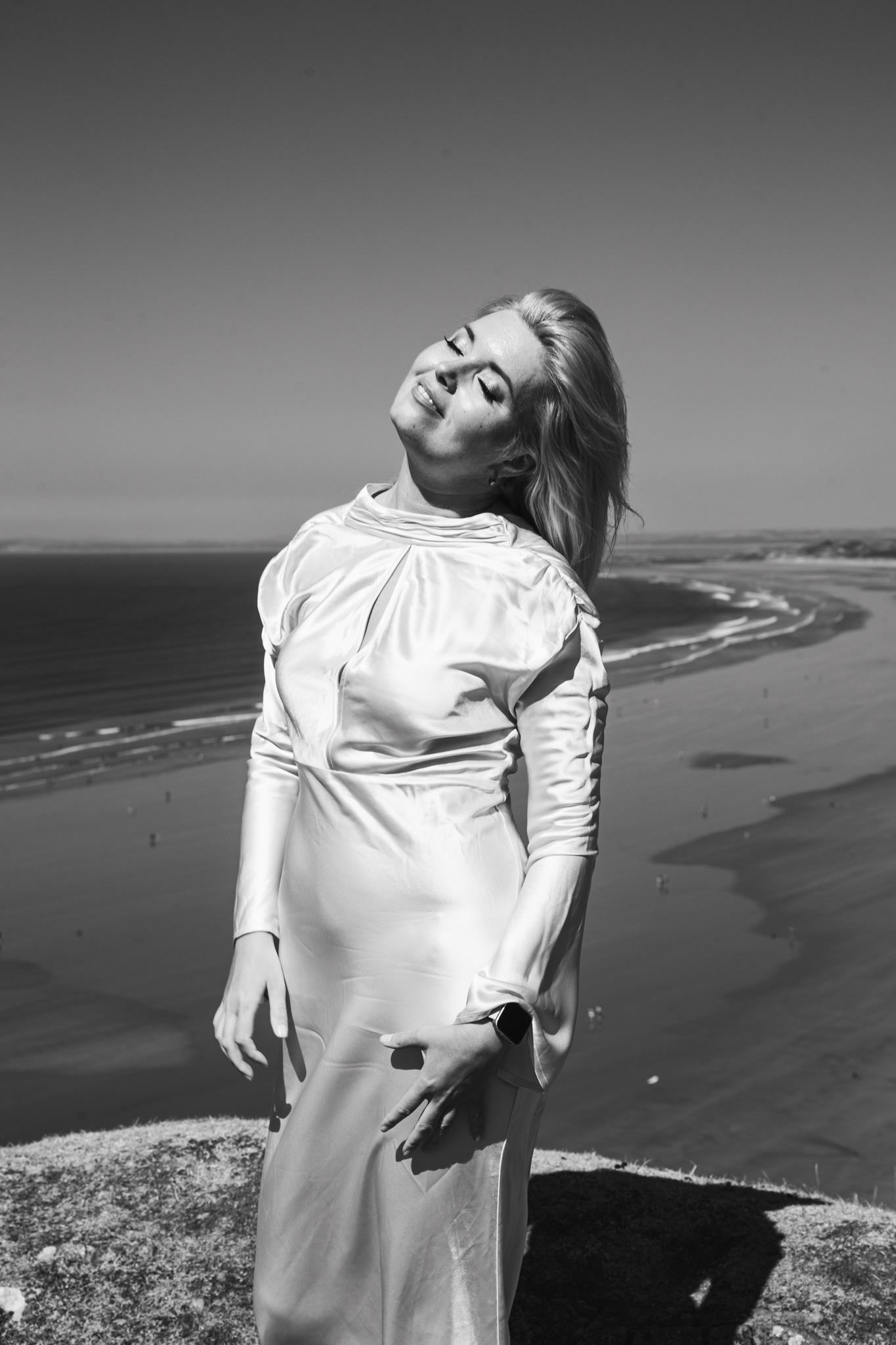
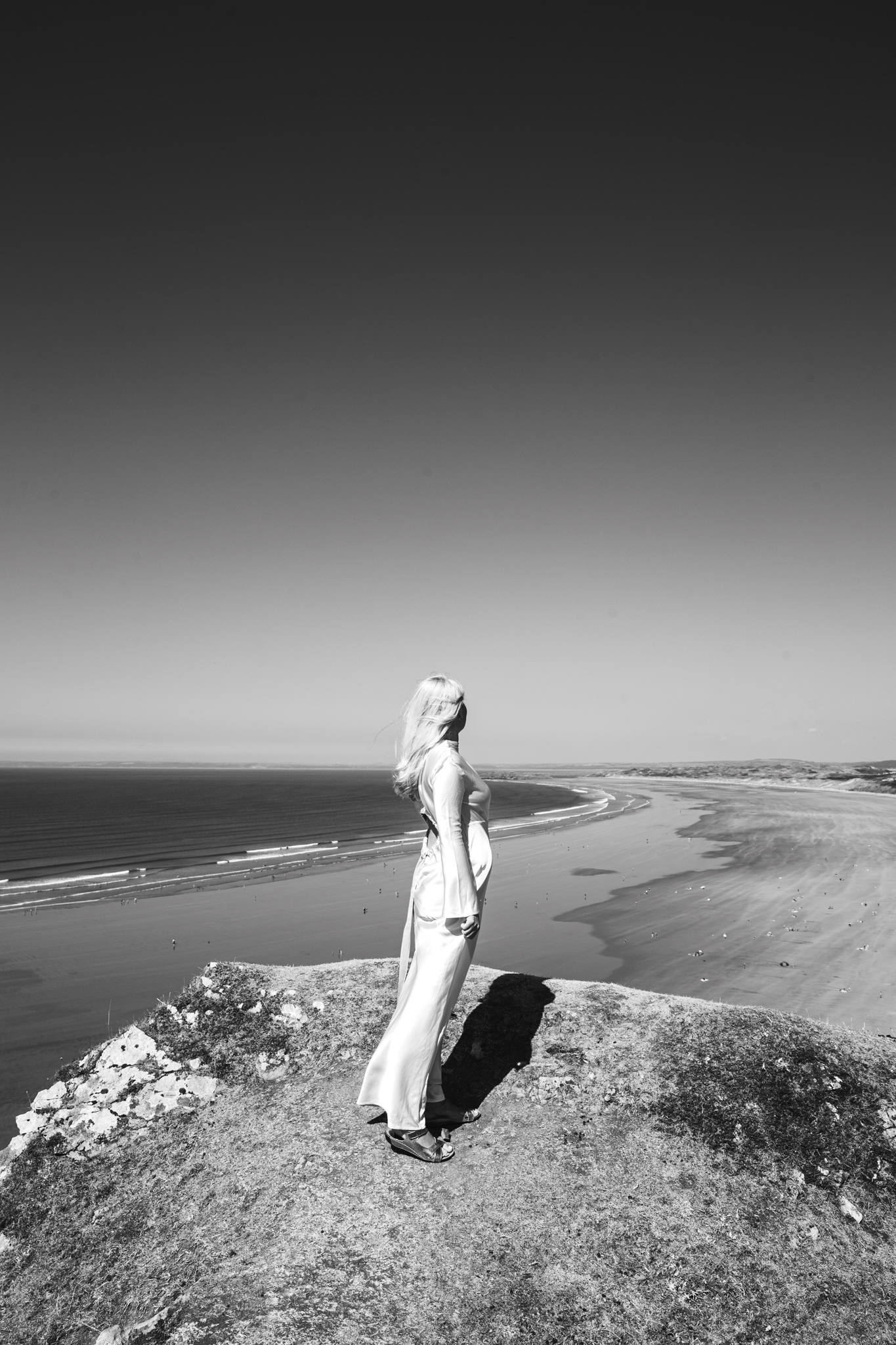
This nest is a symbol of her journey. Amidst the debris of the world, amidst fear and pain, she managed to weave it—for her daughter and for herself. This is not about returning to a past life. It is about creating a new one, where strength is born of love, and resilience is a daily choice. A choice to live, to fight, and to build a future. Even when planes drone in the sky, and you don't always know if they are good or bad.