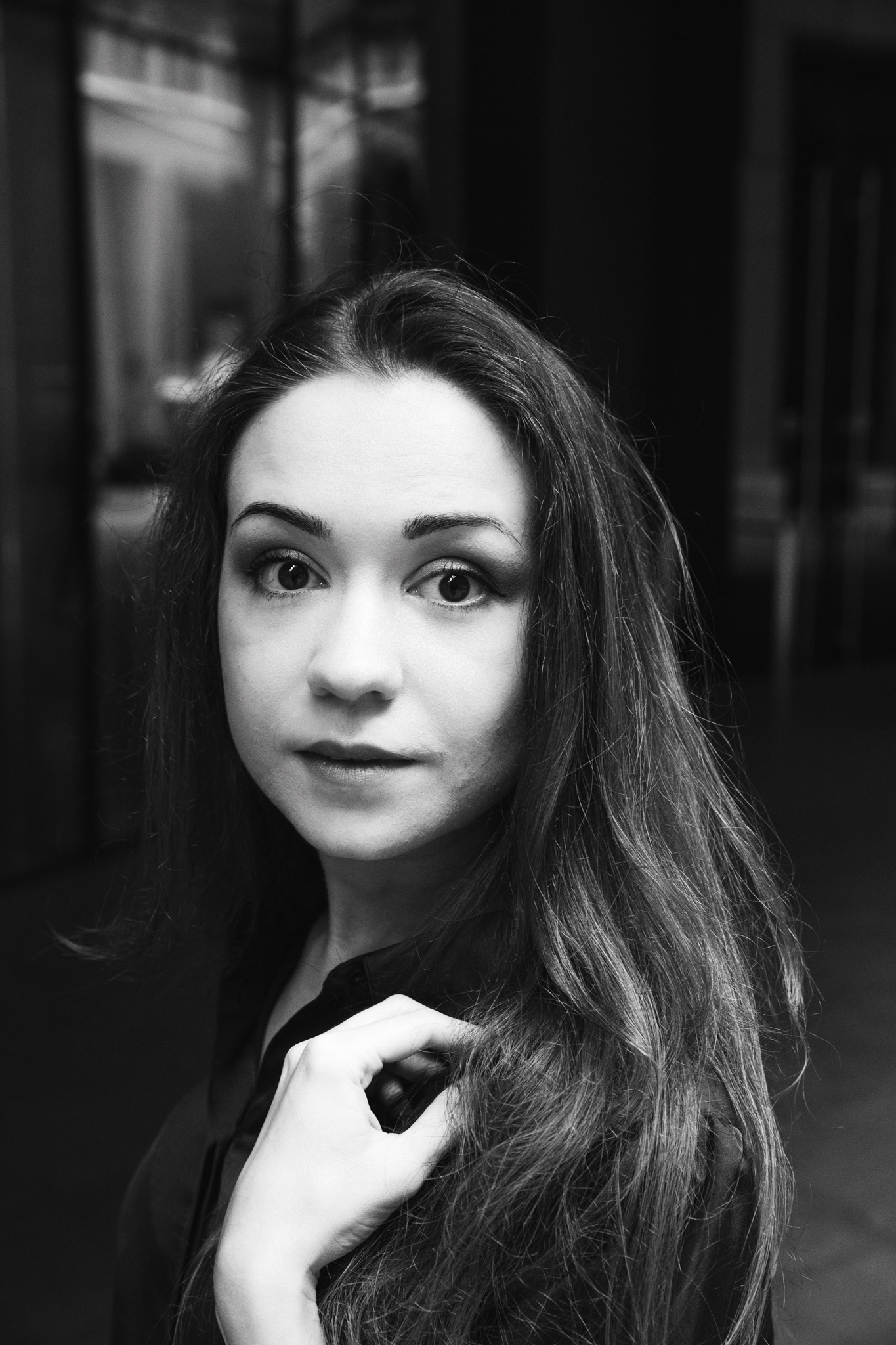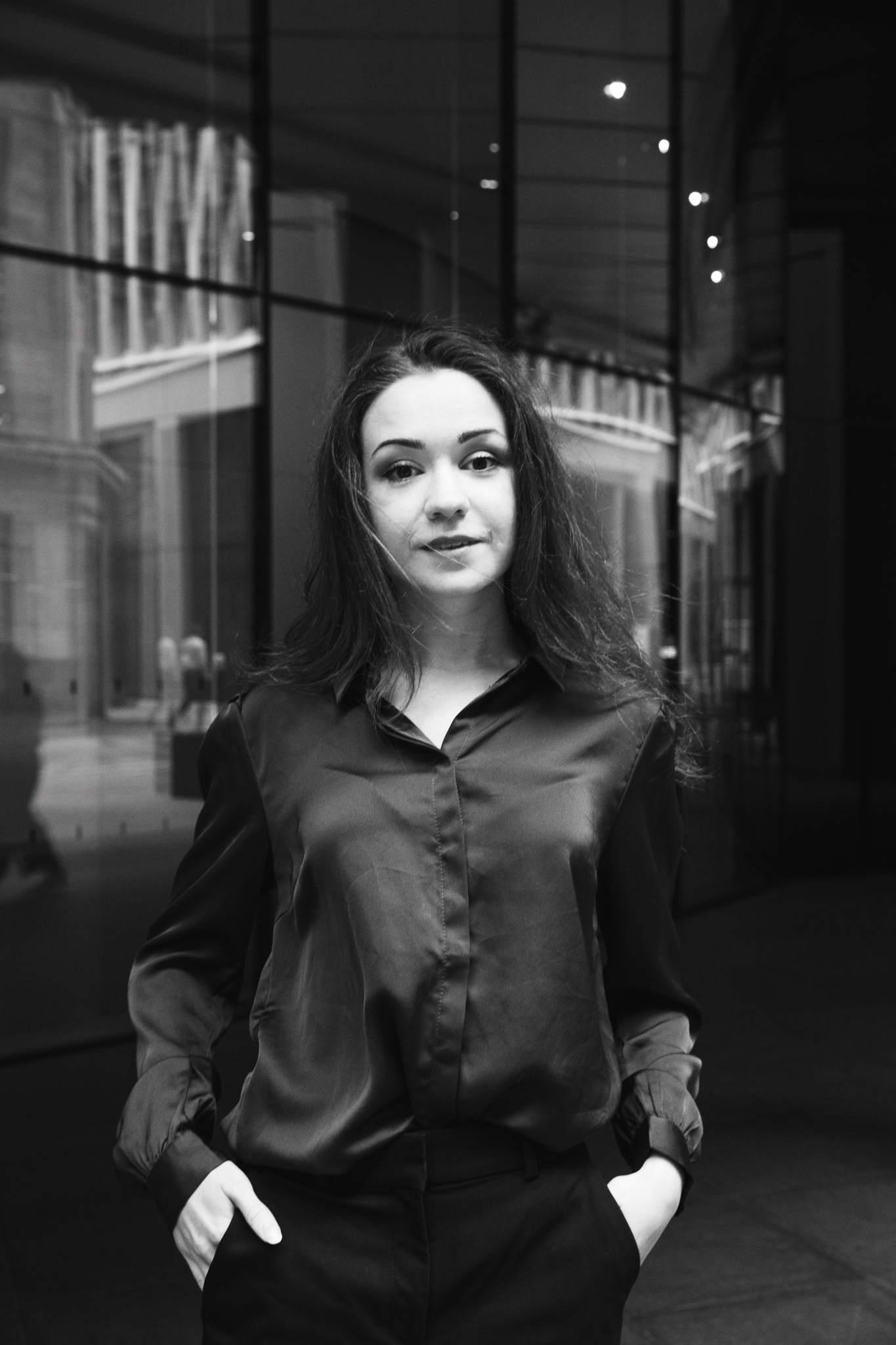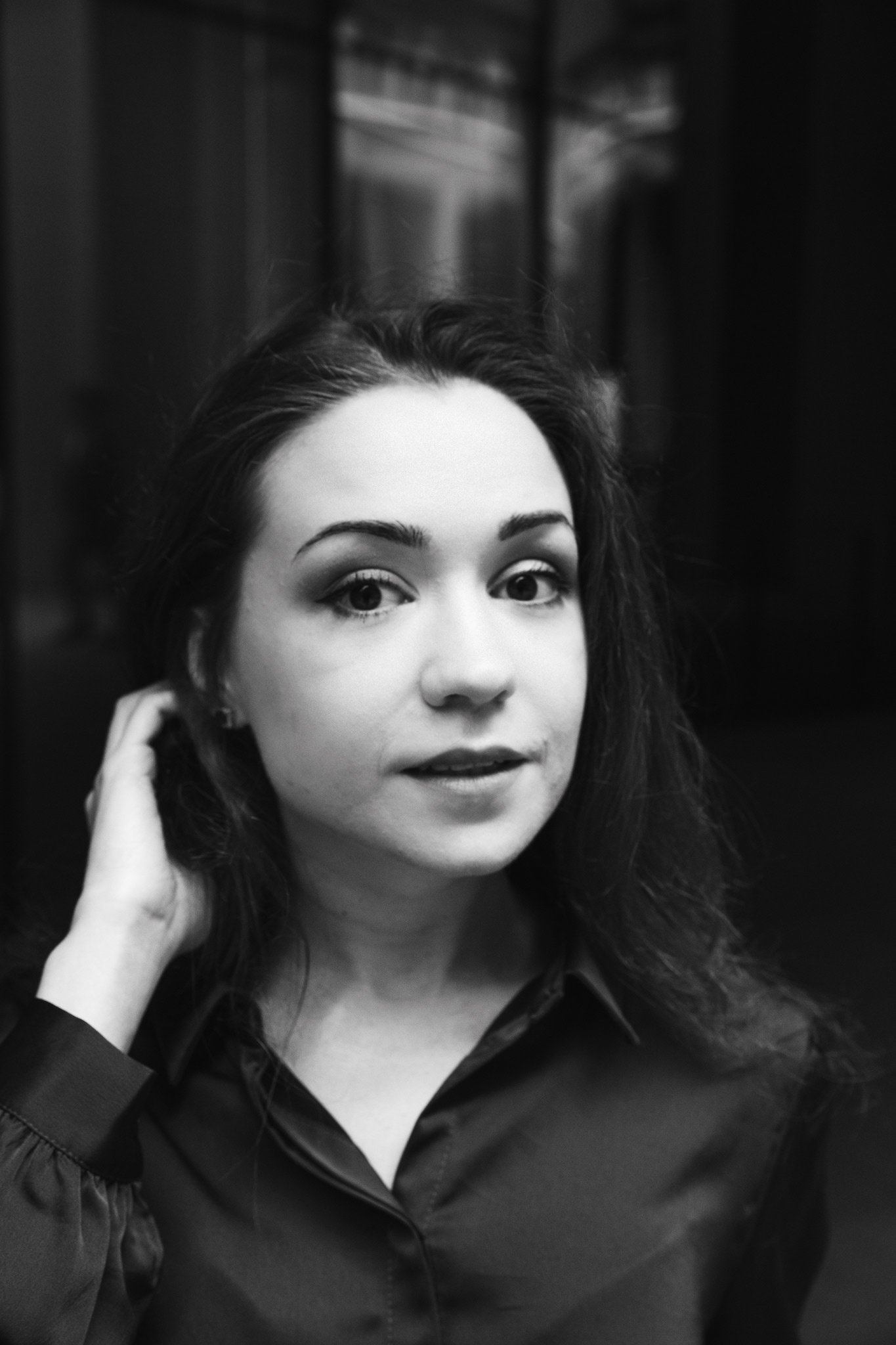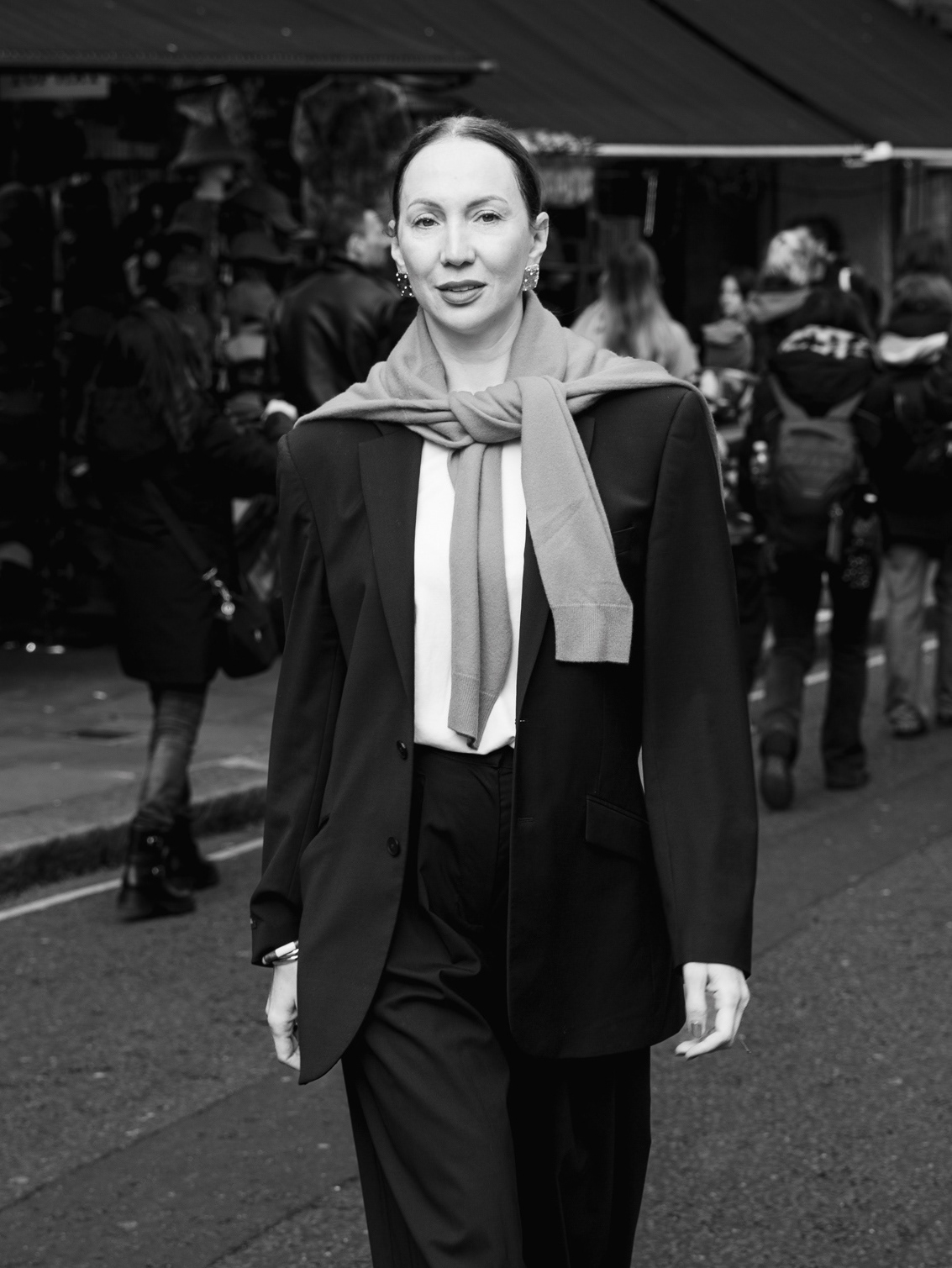
A Lift to a New Life: The Story of Olia Bunesku's Resilience
February 24th 2022, was meant to be just another normal day for 24-year-old Olia Bunesku from Kryvyi Rih. But instead of waking up to the smell of coffee, she woke up to her mother’s anxious voice on the phone with a relative. There was something in the air that her mind refused to accept. War. A word that had always belonged to history books and distant news reports had suddenly entered her own home.
"We didn't believe it could happen until the very last moment," Olia recalls, her voice quiet but firm. "We were watching television, listening to the news and our government, and we just believed that something like this couldn't happen in the 21st century. It seemed absurd, some kind of fabrication, just intimidation tactics."
But the intimidation became a reality. Shortly after the family phone call, the ground shuddered in Kryvyi Rih. A dull, powerful strike on a nearby military base made the walls of their flat tremble. This vibration became the physical embodiment of the old world's collapse.
“It was the first time in my life I felt what it’s like when the walls shake,” says Olia. In that moment, the familiar world she knew – living safely under her parents’ roof and building her career as an IT manager – shattered into pieces. A new life began, one that demanded her to grow up overnight.
The first few days became a blur of fear and uncertainty. In a city with no underground system and no proper bomb shelters, the sense of safety quickly disappeared. People reacted to the chaos in opposite ways: Olia’s mother decided to wait it out, while something different awakened in Olia – the instinct to run.
“I suddenly had to pack a suitcase, come up with an escape plan – where, how, when – because I knew I was terrified of staying in one place. My only task was to find safety.”
This inner conflict – torn between staying with her family and facing the fear that pushed her into the unknown – became her first test of resilience. Meanwhile, she kept working online, interviewing people who were just as lost as she was, trying to give them a sense of stability while losing her own.
She remembers one moment during a work meeting when she read that a tank division was moving toward her hometown. Her heart pounded, and one question echoed in her mind: What do I do?
The city she loved seemed to fade before her eyes. “In the first days of the war, I noticed our city had simply lost its colour. Everyone had lost the colour in their lives,” she says. “I’d walk into a shop, and people looked faceless. It even felt like there was no more music, like colours no longer existed.”

Her industrial yet vibrant city had been stripped of its spirit. And while fear consumed her, she somehow found the strength to help others on her team. She searched for housing for colleagues from Kharkiv and Kramatorsk, arranged transport, offered financial support from the company, and organised daily check-ins to lift morale and simply ask, “How are you? Are you safe?”
“Other people’s feelings and experiences became more important than my own,” Olia admits. It was her way of fighting back against the chaos – turning her fear into action, her pain into help. But the fear never really left. This was just the first two weeks. Only the beginning.
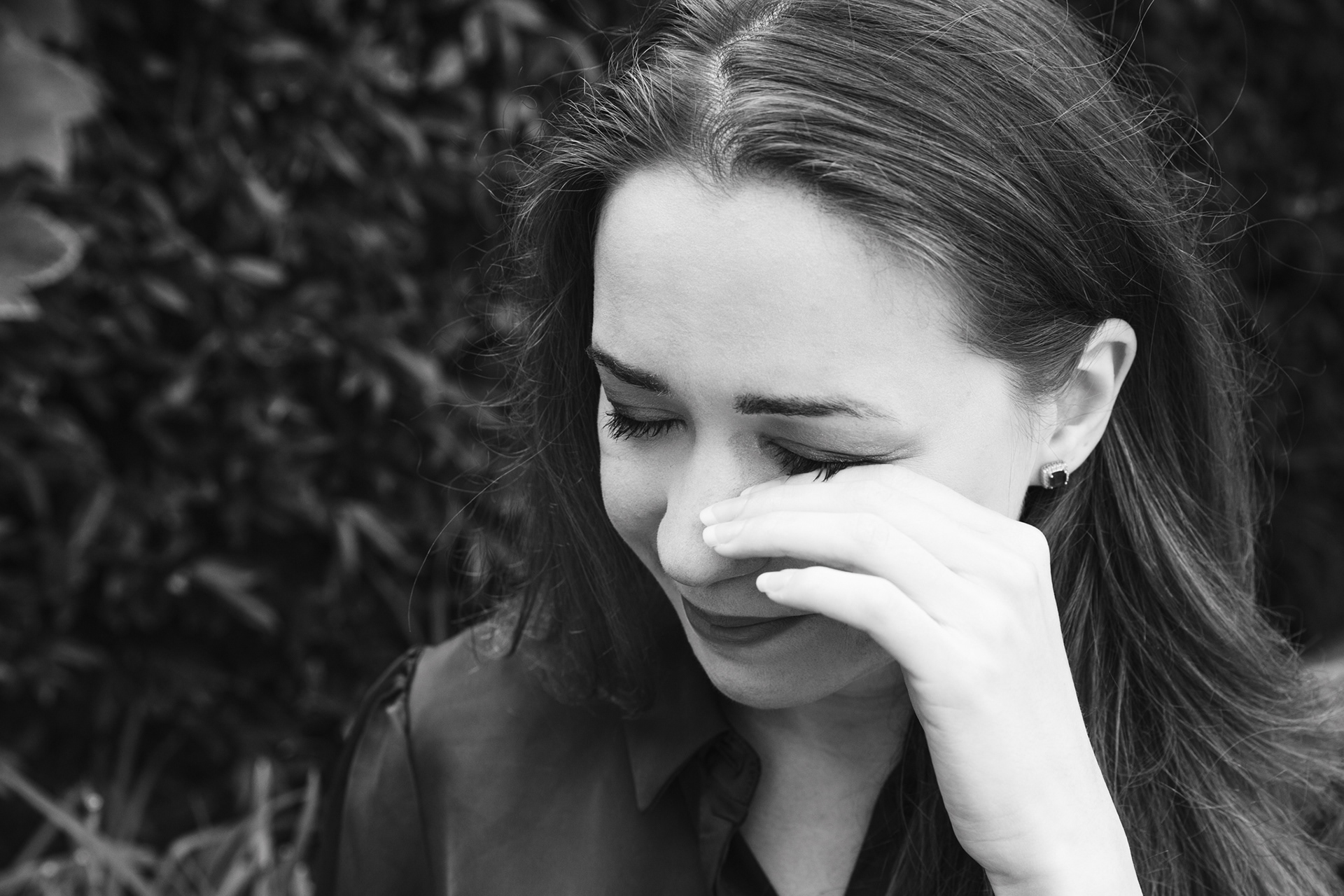
Her brother’s arrival became a turning point. His determination to protect and support their family left no room for hesitation. But it also marked a painful split in their paths. Her mother chose to stay, while Olia knew she couldn’t. She had to move forward – into the unknown.
It was time for the hardest decision of her life: saying goodbye to her family. Not for a day or a month, but for an indefinite time that has now stretched into years.
“The moment came when we had to separate. Just like that – painfully and suddenly,” Olia recalls. It was a tectonic shift in her mind. She was no longer a daughter living safely at home; she was becoming a woman responsible for her own survival.
“I haven’t hugged my mum in person for almost four years now.”
The next scene of her story unfolded at the Ukrainian-Moldovan border. Olia’s family drove her to a pedestrian bridge – beyond it lay another country and another life. She walked across as they stood waving goodbye. That simple gesture became a symbol of leaving behind everything she had known and loved.
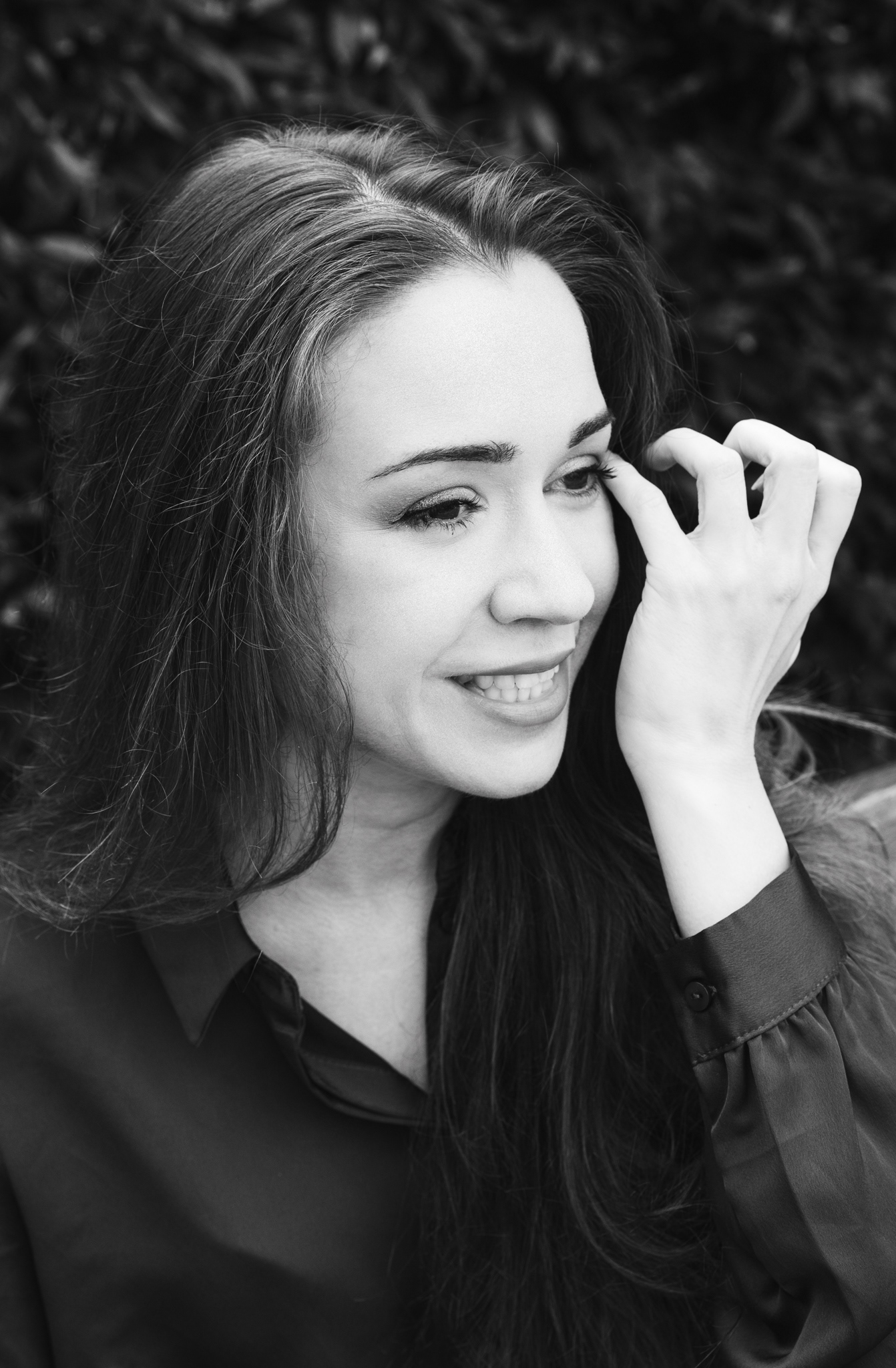

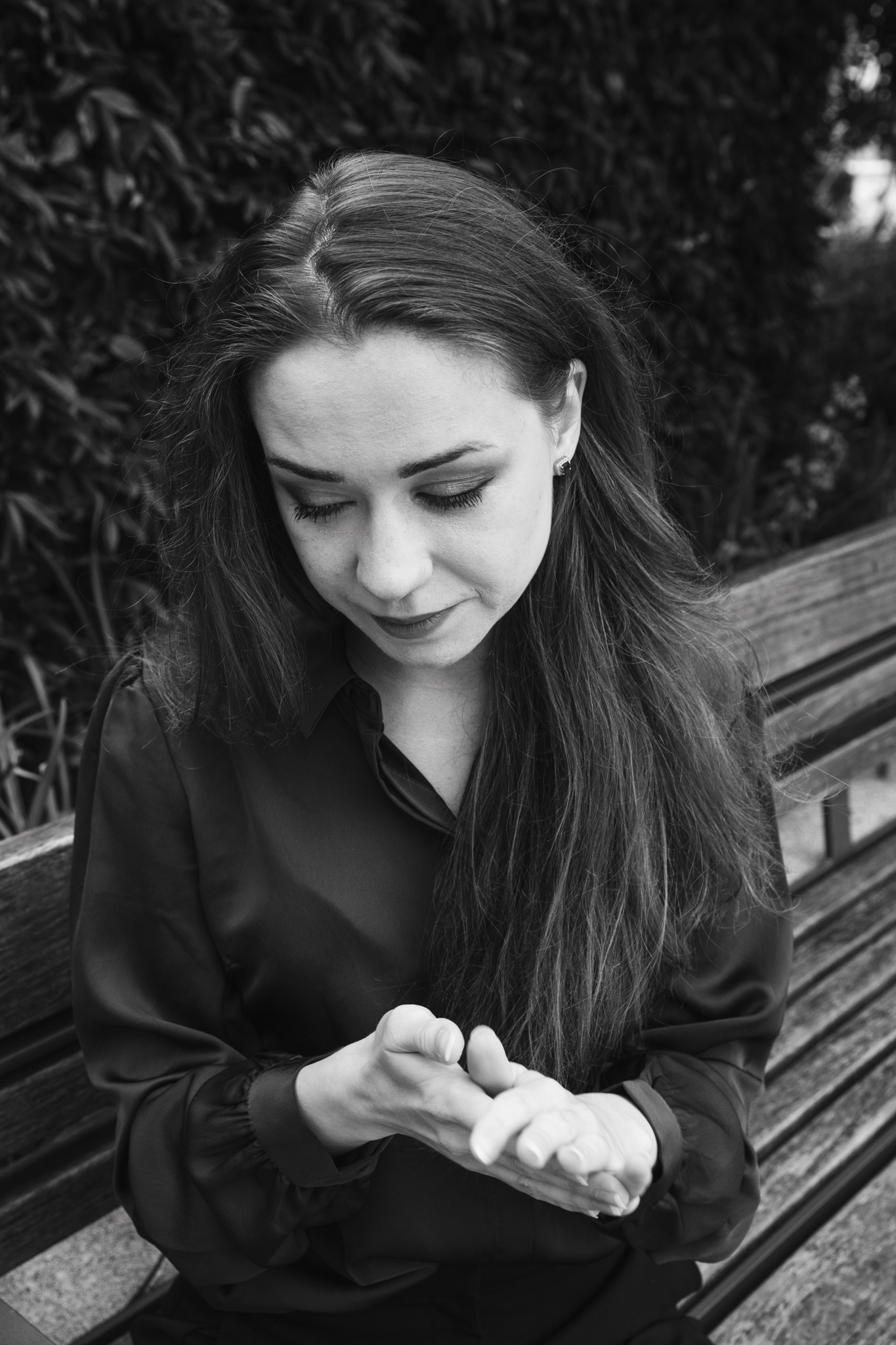
“I remember crossing that bridge, seeing my family wave. I waved back and realised – this was another goodbye to my childhood. It hurt so much to let that life go. I wasn’t just waving to my family; I was waving goodbye to the old me.”
That image captures the essence of her transformation. She wasn’t just leaving her country – she was leaving behind her old self, her dependence, and her fears to meet a new version of herself: alone, but free.
Moldova became a temporary refuge, but Olia knew it was only a stop along the way. Her mind was already racing, searching for the next step. She found it in the “Homes for Ukraine” UK scheme. She didn’t want to simply survive; she wanted to grow, to use her skills, to start again.
The decision was made. Ahead lay a flight into the unknown – to people she had never met, in a country she only knew from books and films. On the plane, she caught herself thinking, “Who needs me there? Who’s waiting for me?”
Then came the answer: “No one is ever waiting for us anywhere – we build the places where we want to belong.”
It became the philosophy of her new life – one of strength, choice, and self-creation.
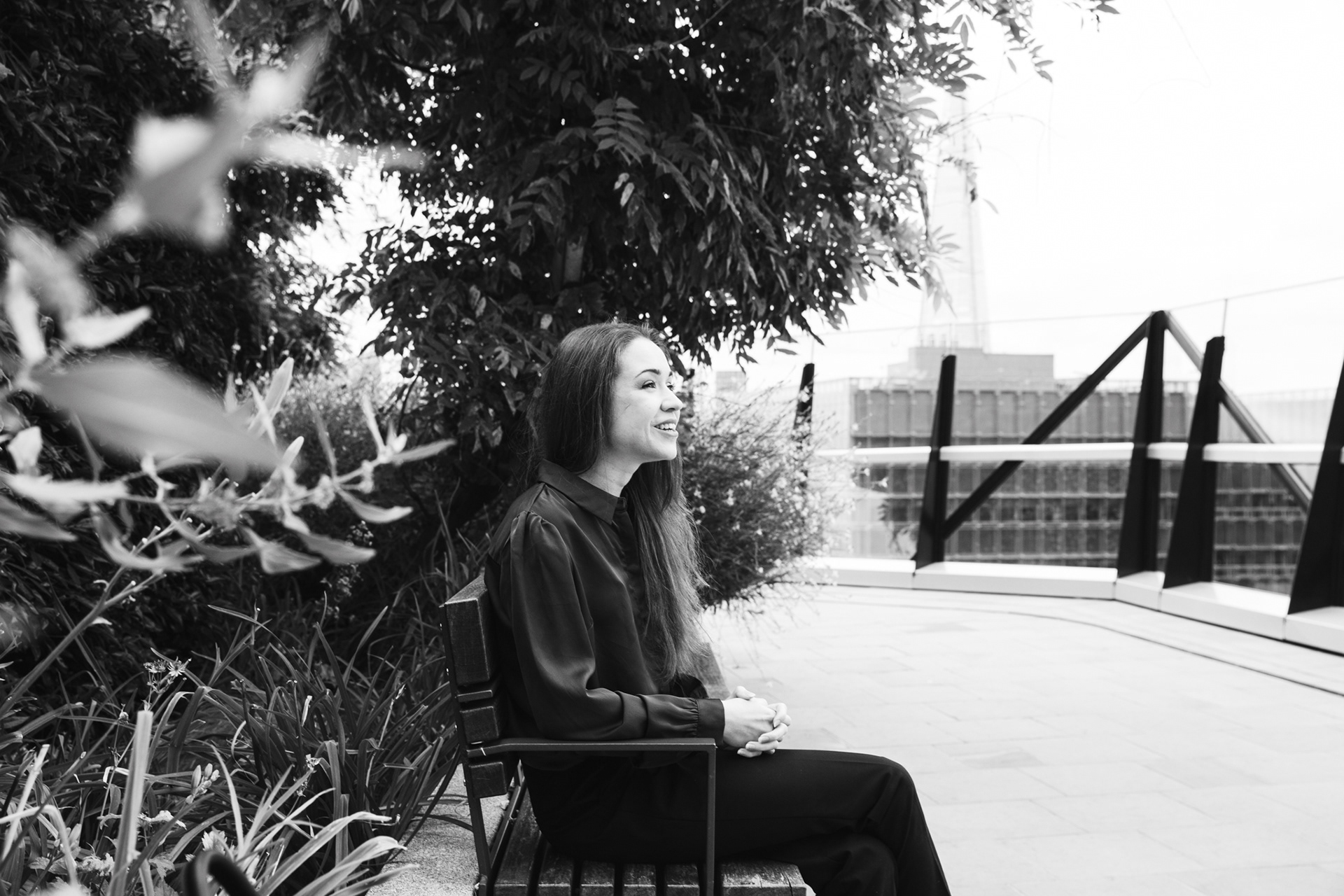
Arriving in England felt like landing on another planet. The feeling reminded Olia of a dream she’d had just before the war. “I dreamt I was on another planet where everyone spoke a different language, and I couldn’t get home,” she recalls. “But the planet was incredible – pink cherry blossoms, a watery glow, as if everything was breathing with fairytale magic. It took my breath away. And at the same time, it was terrifying because I’d lost all my anchors.”
London became that planet – beautiful, overwhelming, and full of contradictions. Its scale, energy, and endless opportunities were both intimidating and magnetic, offering everything and nothing at once.
Her host family in Surrey became her first anchor in this new world. Ann and David welcomed her like a daughter, surrounded her with warmth and care, and gave her something priceless – safety and the feeling that she mattered. They introduced her to their big family, friends, and neighbours, inviting her to dinners, fairs, and local festivals. They shared British traditions, stories from their lives, and taught her how to find joy again in life’s small moments.
Olia was never one to stand still: her determination demanded action. Even while in Chisinau, she had been scanning job listings. Her goal was clear – a major tech company, TikTok. Just two days after arriving in the UK, she sent off her CV for a Ukrainian-language content moderator role. She didn’t hesitate. And her timing was perfect – the very next day, the vacancy closed. She had managed to jump aboard just in time.
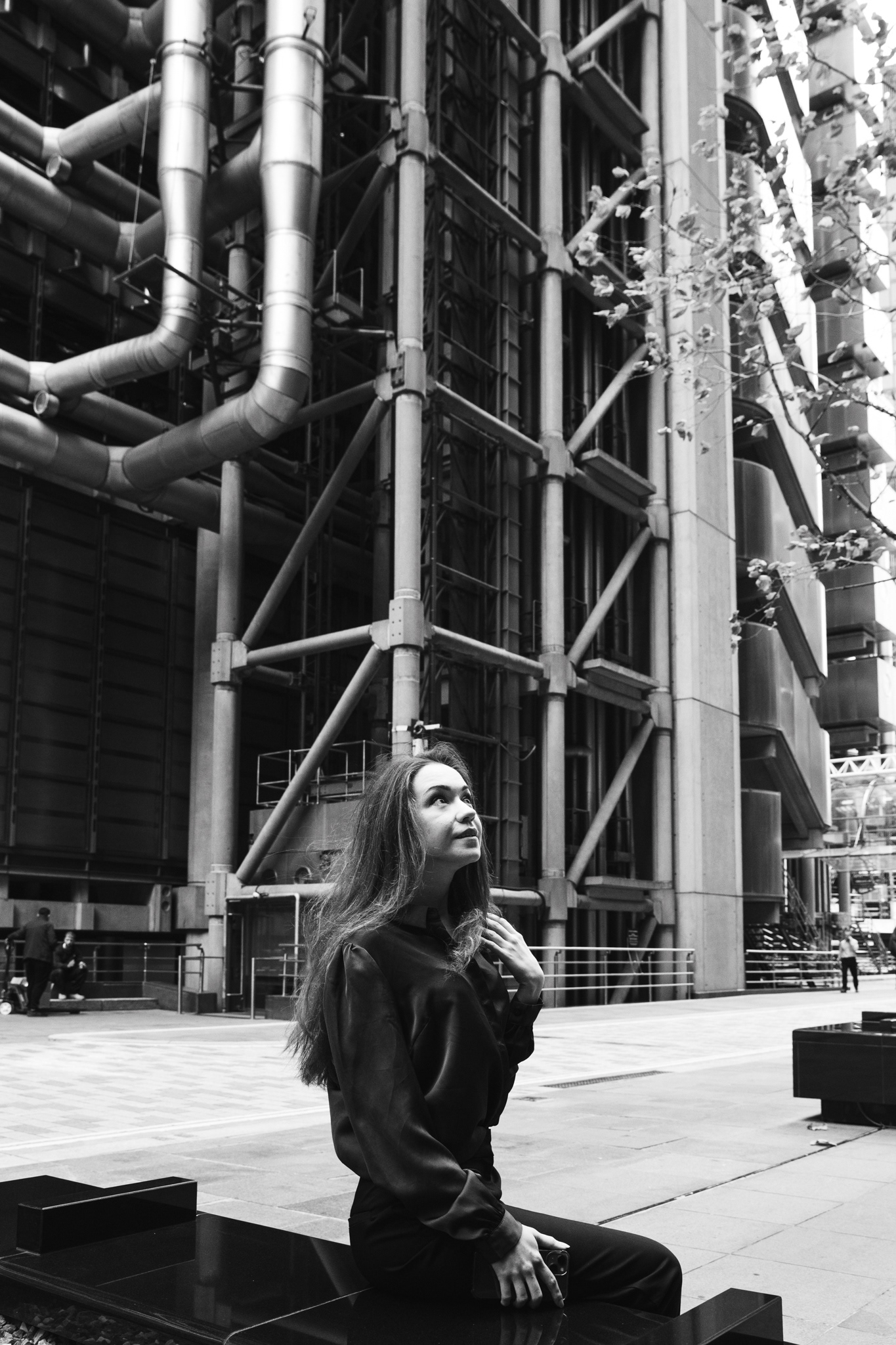

The interviews were gruelling. In the final stage, she heard what sounded like a verdict: “I don’t think you’re suitable for this position. You should look for something more aligned with your expertise.” The recruiter was firm. For many, that would have been the end – but not for Olia.
She gathered all her courage and replied, “You know, I really want this specific position at TikTok. It’s a company where I can bring together my ideas, energy, and passion for products – and I’m confident I can add value.”
Her sincerity, persistence, and sheer determination to hold on to this chance worked. Soon after, she received an offer. It was a huge victory – not just professional, but deeply personal. She proved to herself that she could achieve her goals even in the hardest circumstances.
But the new job brought not only stability, it brought new challenges too. Olia had escaped the war physically, but now she faced it every day on her screen. She had joined the digital war setting, reviewing endless streams of brutal, propagandistic, and heartbreaking content from the Ukrainian segment of TikTok.
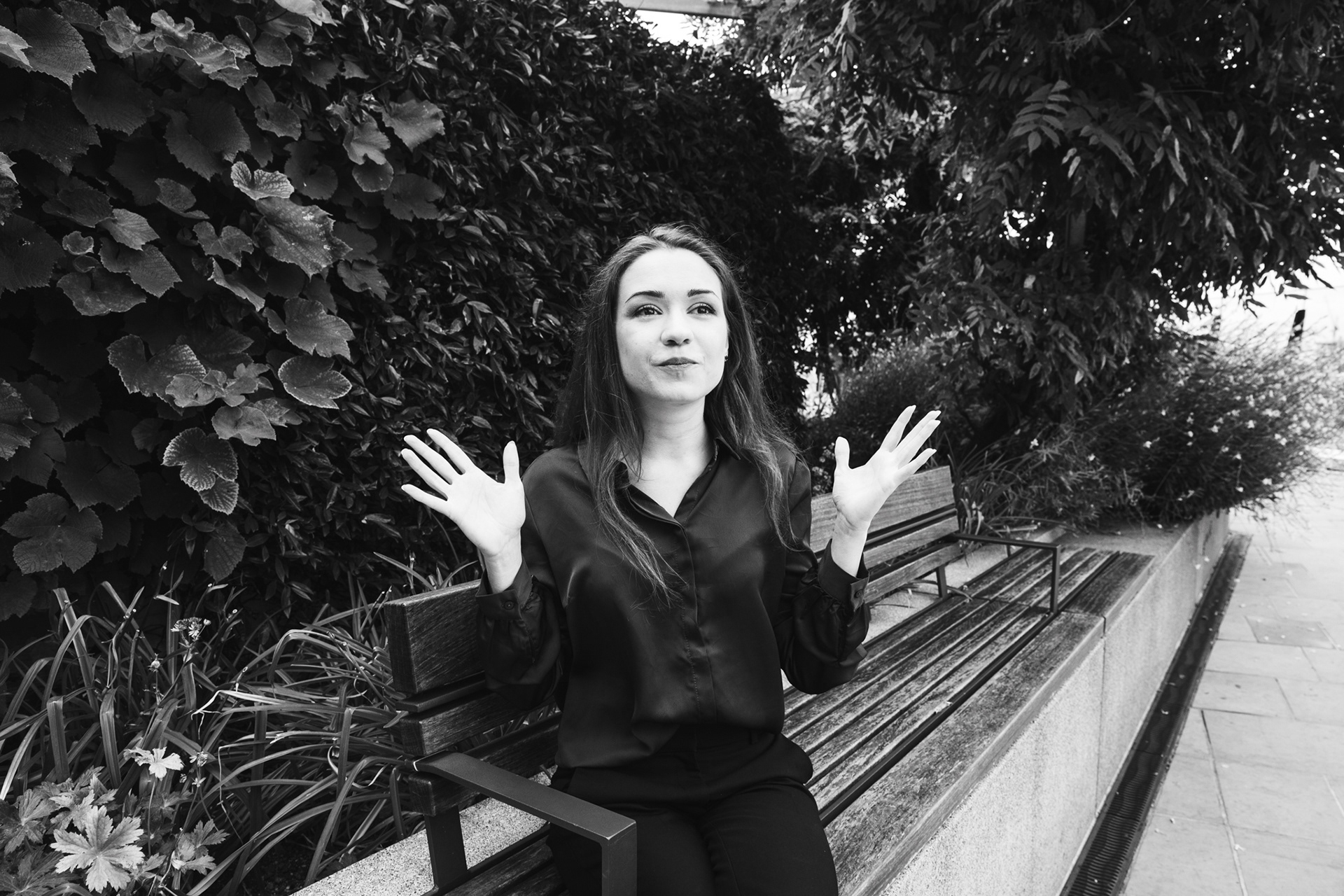
“You escape the war in real life – and then see it for eight hours a day online. The brutality, the propaganda, the chaos,” she says. It was work that demanded immense emotional strength. Each video felt like a needle piercing an open wound. Her mind processed it as if it were happening in real time, sparking a desperate urge to help – yet she couldn’t change a thing. The events had already happened. That sense of helplessness was something she had to fight off every single day.
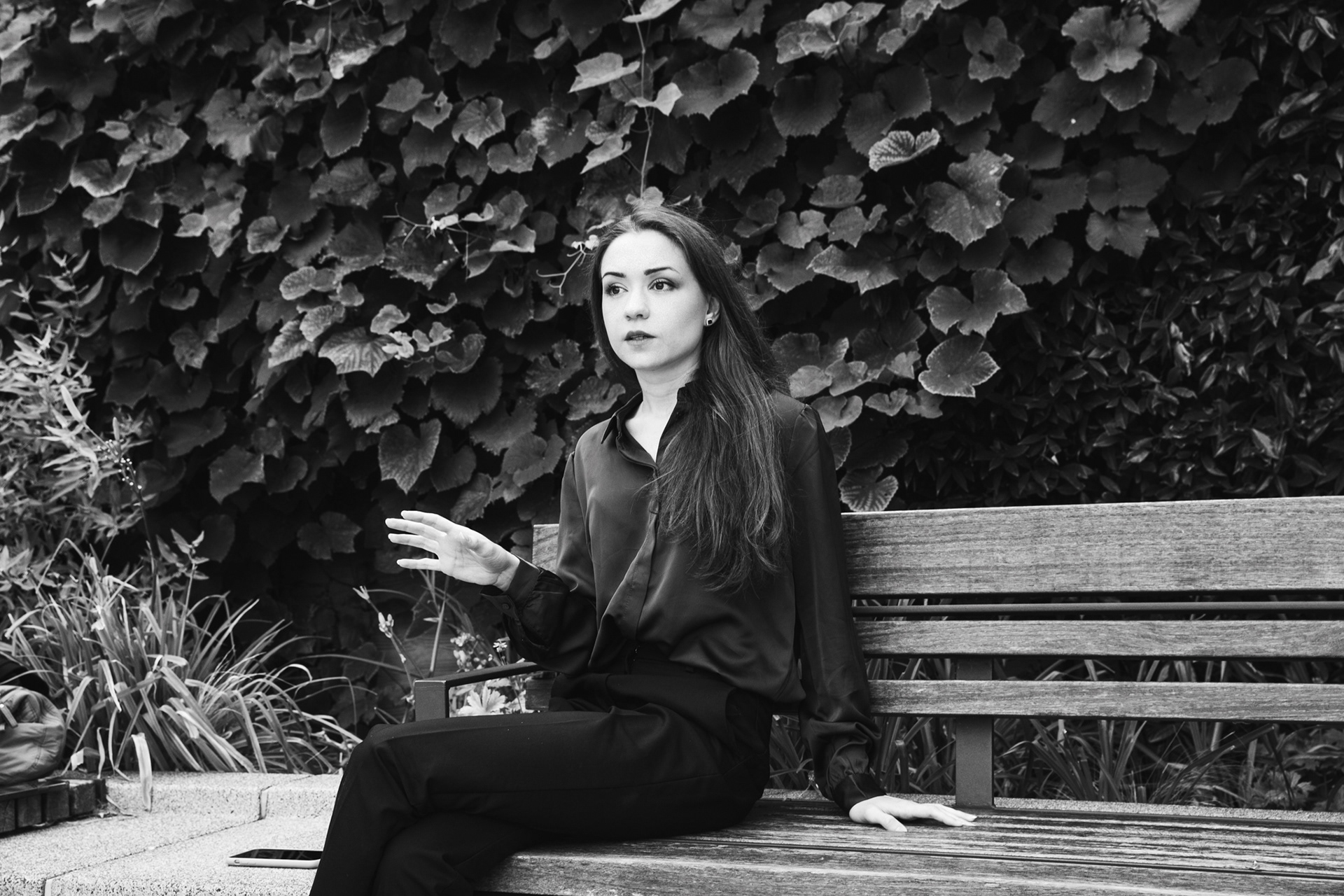
Life in London became a strange duality. On one side – a new city, new friends, and a growing career in a global company. London unfolded before her like a buffet of opportunities. On the other – a daily confrontation with war through her work and a constant, gnawing sense of guilt.
“I definitely felt guilty for leaving Ukraine,” Olia admits. “But at the same time, I felt this euphoria – that I was in a city full of opportunities, and I could finally use my skills to their fullest. It was hard to accept the idea that I had the right to be happy.”
That inner battle was, in many ways, harder than any external struggle. She didn’t allow herself to feel true joy, often hiding away in her room, wrapped in a kind of invisible cocoon. Her inner voice kept whispering, “You came here to survive, not to live.”
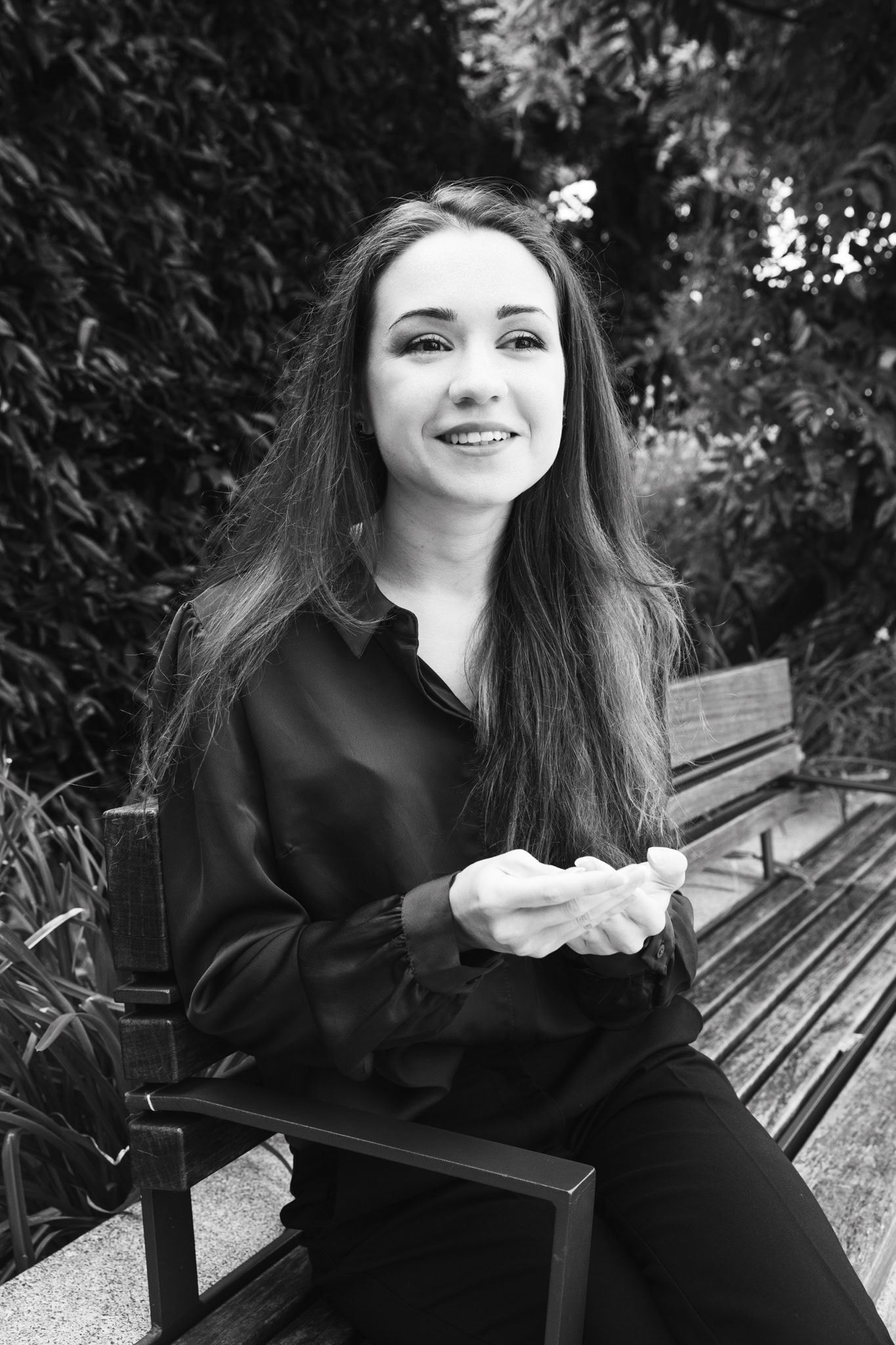
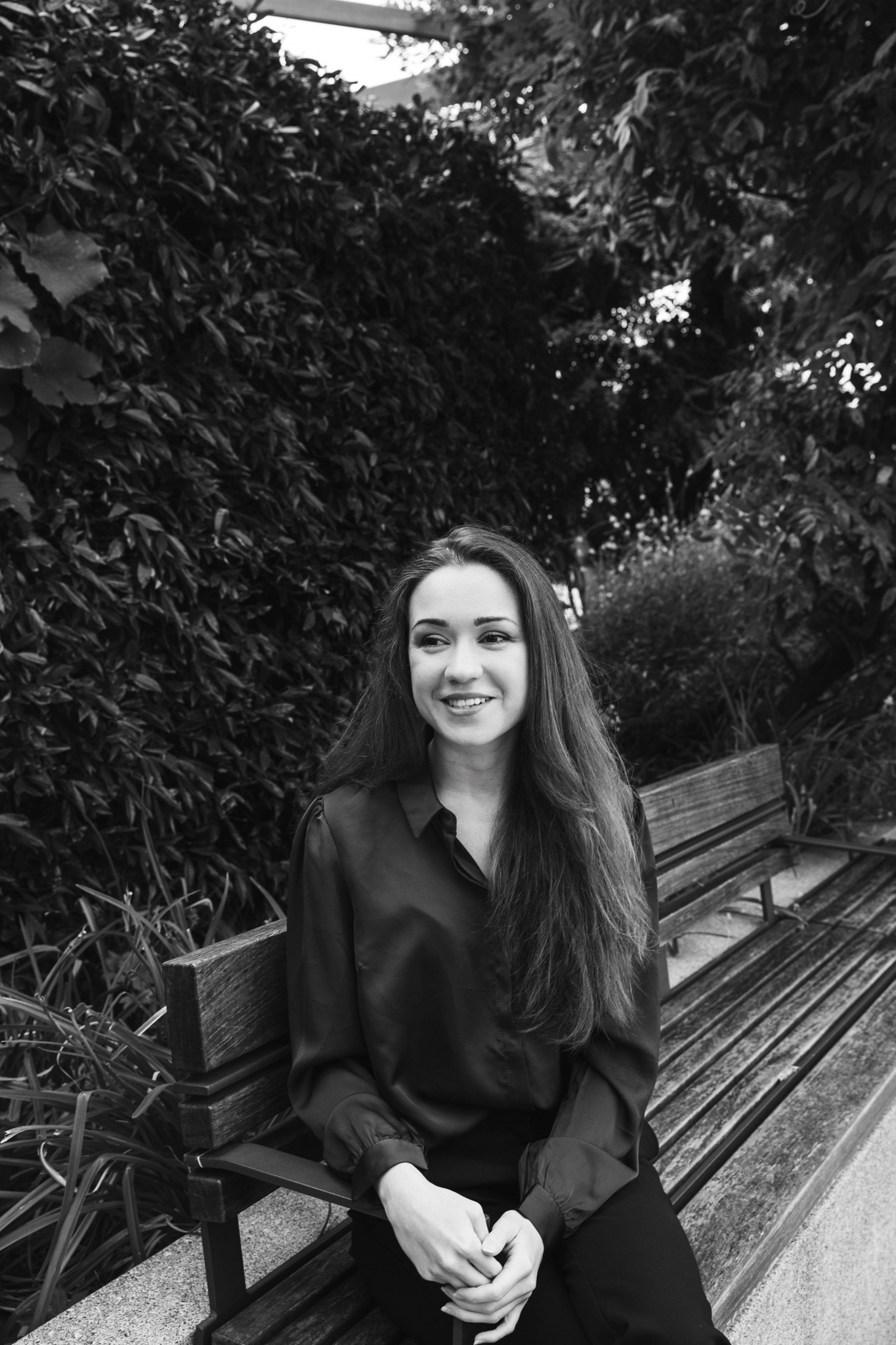
Even talking to some friends (not all) who had stayed in Ukraine became painful. An invisible rift had opened between their worlds. Their lives were filled with sirens, drones, and constant danger – while she was in the safety of London. “What problems could you possibly have over there?” she could almost hear between the lines, and deep down, she agreed. It made her feel as though she didn’t even have the right to ask how their night had been.
But Olia found the strength to accept that rift. She came to an important realisation: “I chose to take the risk of leaving, while others chose to take the risk of staying. They’re different risks, but we share the same strength – to live as best we can and not give up. None of us has the right to judge the other.”
By letting go of the responsibility for other people’s choices, she was finally able to focus on her own path.
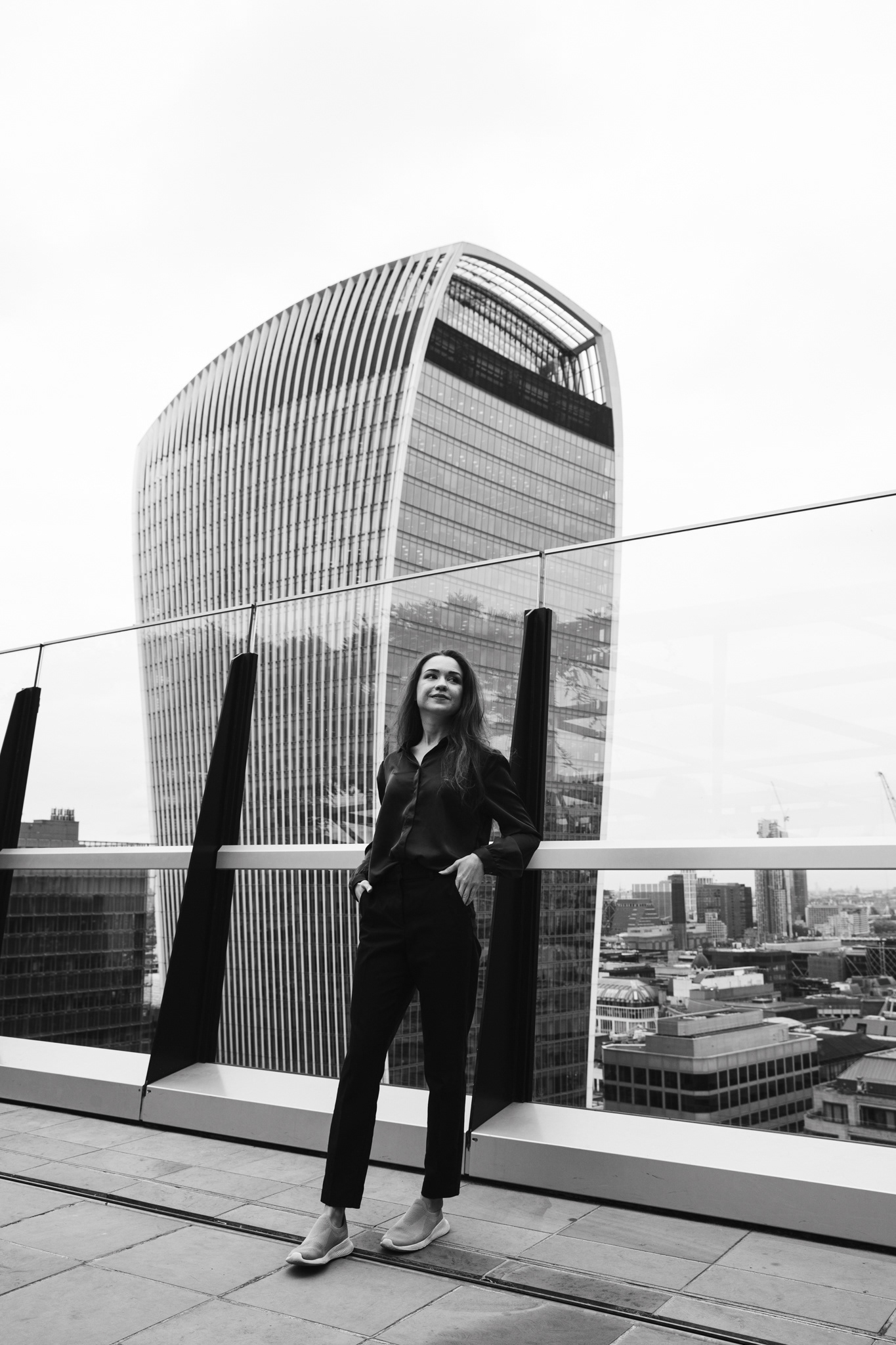
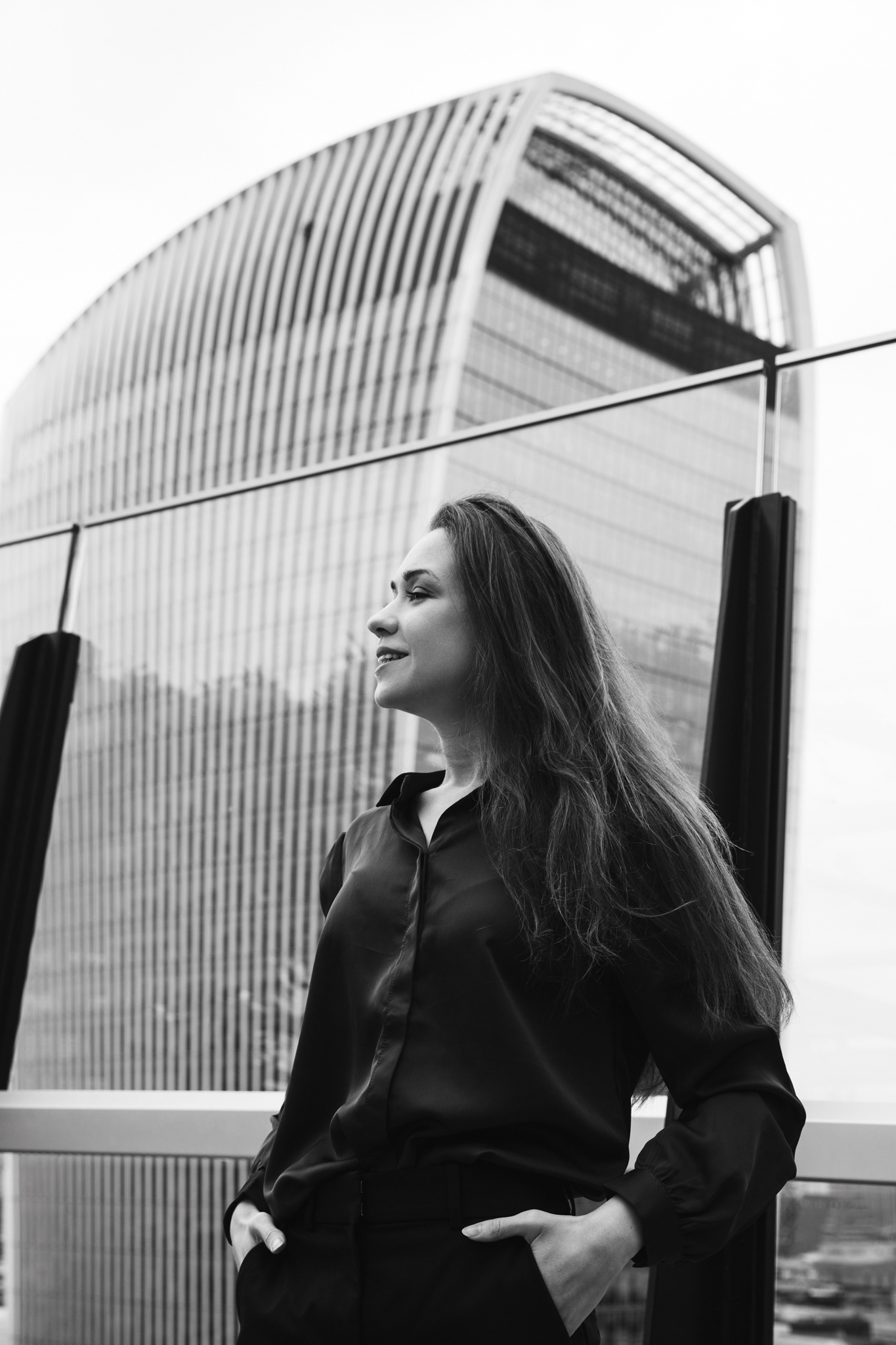
And that path was leading upward. Despite emotional exhaustion, Olia proved herself to be a talented and dependable employee. After a year and a half, she earned a promotion and moved into project management. It was a whole new level – she was no longer just moderating content, but creating projects that improved the platform and made her colleagues’ work easier. She started going on business trips, learning from top leaders, and truly immersing herself in the corporate culture.
“That’s when I realised how much I’d grown,” she says. “I was no longer the girl who arrived here two years ago with no experience in a new country. Now I understand how corporations think, how processes work – and I feel I have the power to influence, not just to adapt.”
It was at this point – at the height of her career at TikTok – that an old dream began to take shape again. A dream born when she was just 14, sitting in her room in Kryvyi Rih, running an international fan club for American actress Emma Stone. A dream about bringing people together, building communities, leading. A dream of creating something of her own.
She had always felt that spark inside her, but now, strengthened by everything she had lived through, she knew she was ready. Ready to take a risk once more.
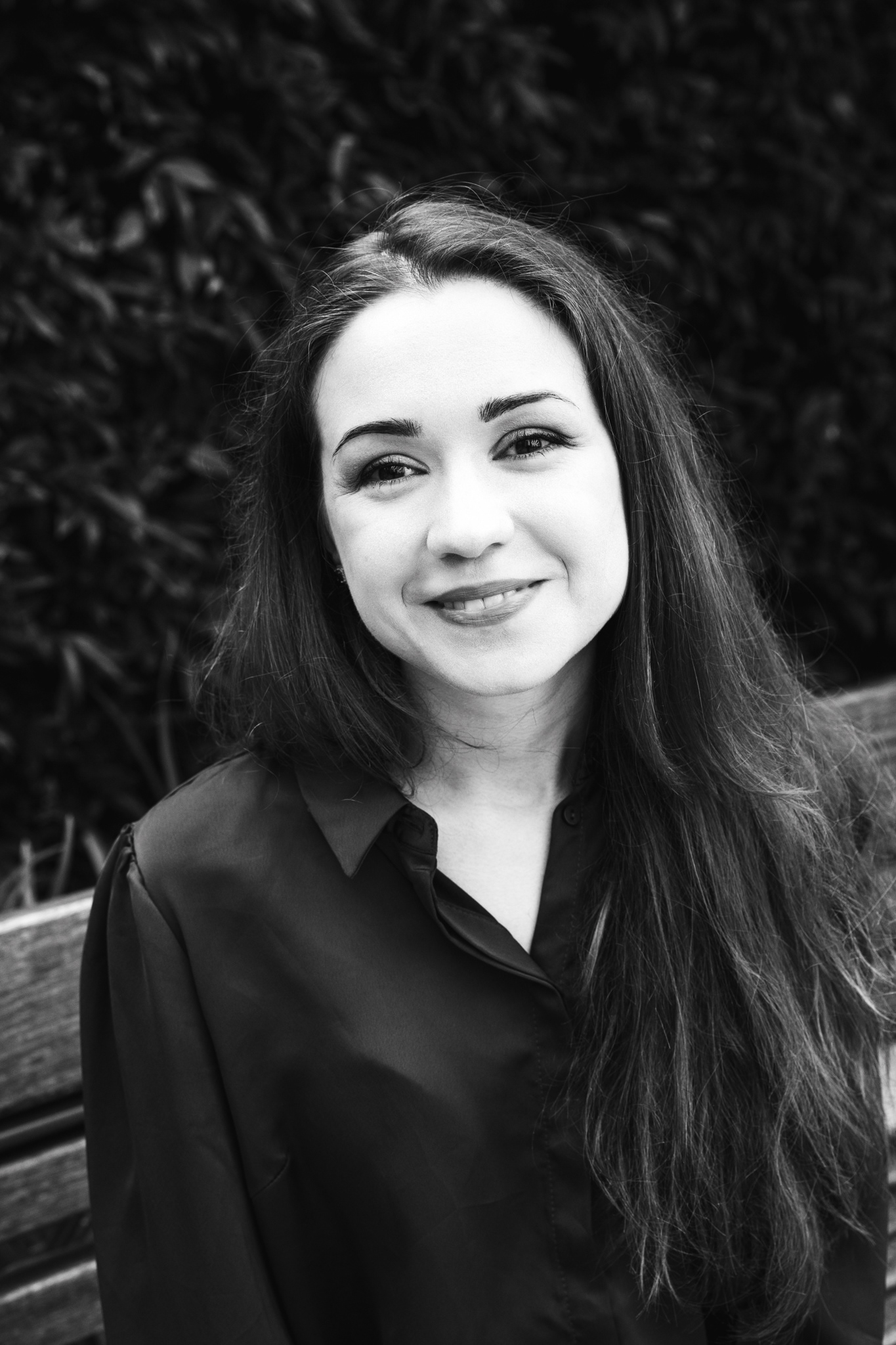
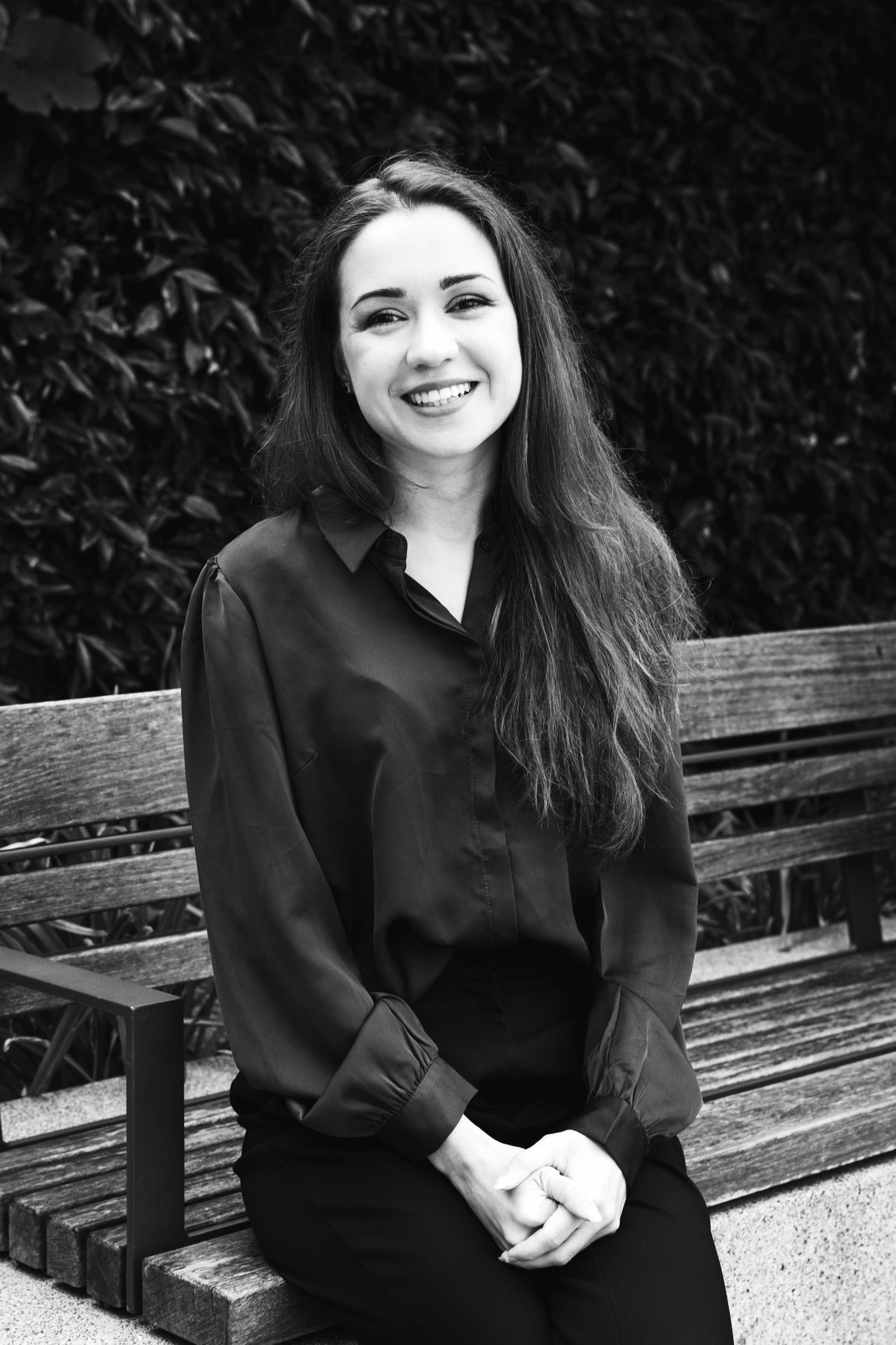
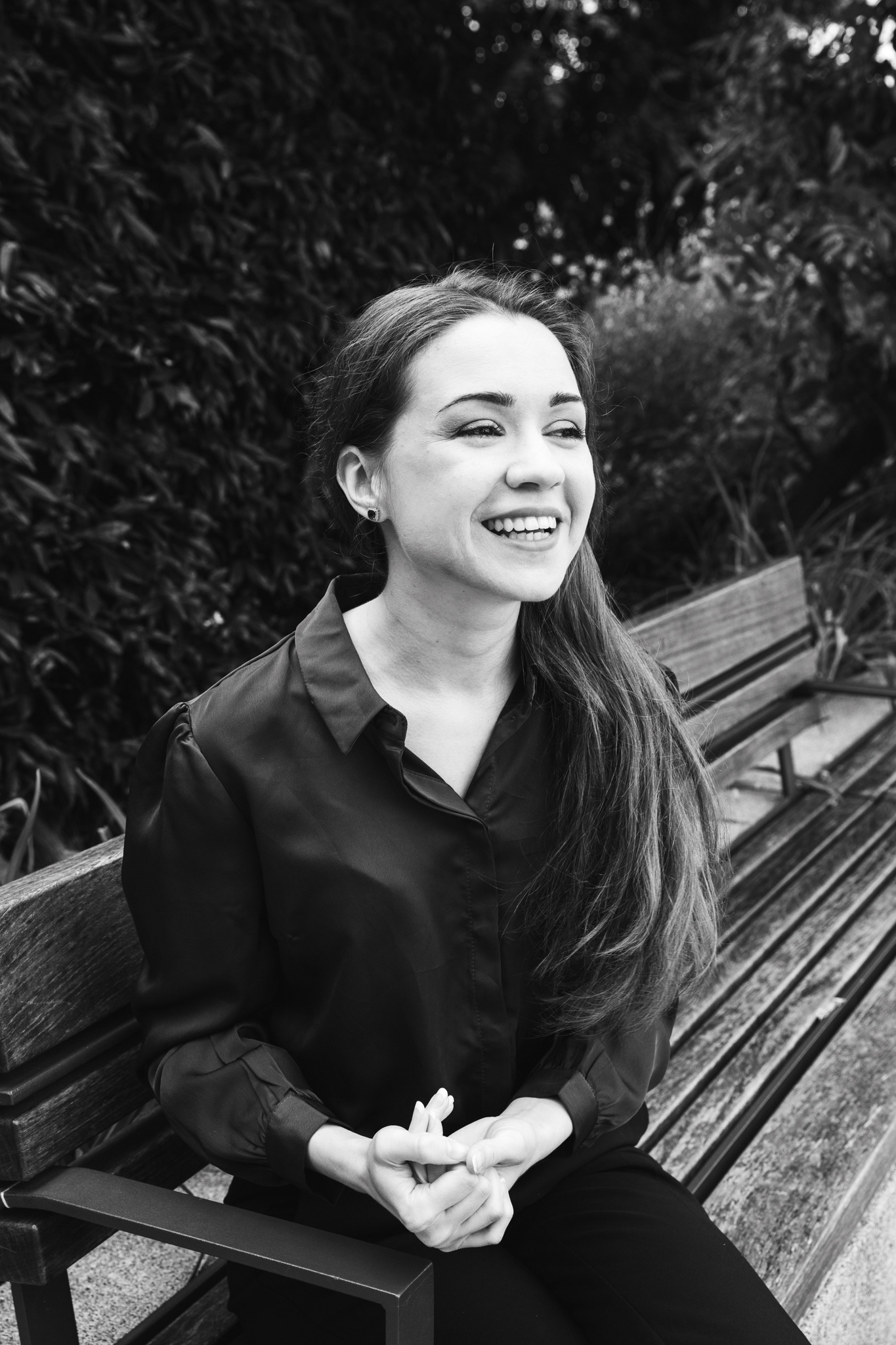
The idea for her startup grew out of her lifelong love of stories and her deep understanding of human emotions. Olia, who had always found comfort in books and films, realised that we don’t watch movies just for entertainment – we watch them to feel something we’re missing, or to process emotions that are too heavy to face alone.
“People who love detective stories or true crime are often very anxious without realising it,” she explains. “They project that anxiety onto the story, live through it, and find a sense of release. And how many comedies about strong women have helped us survive a breakup? We go back to our favourite films like we’re coming home – to give our inner child the love it needs.”
She wanted to create a tool that could help people understand themselves better through film. And that’s how FeelReel was born – a startup that matches films and series to the person’s emotional state. It’s not just another platform with ratings. It’s an attempt to merge artificial intelligence with emotional intelligence – to build an ecosystem where people can explore and heal their feelings through art.
“I want more people to be emotionally aware in the age of artificial intelligence,” Olia says with conviction. “AI shouldn’t take away our humanity or empathy. On the contrary – it should remind us to develop them.”
The idea gripped her completely. She started gathering a small team and turning her vision into reality. But soon, she realised that to make the product succeed, it needed all of her – her time, focus, and energy. And so she made another life-changing decision: to leave her stable, well-paid job for the uncertainty of building her own company.
It was a huge risk. Her visa, her financial security – everything was once again on the line. But Olia already knew what risk felt like. She calculated her savings, made a plan, and took the leap.
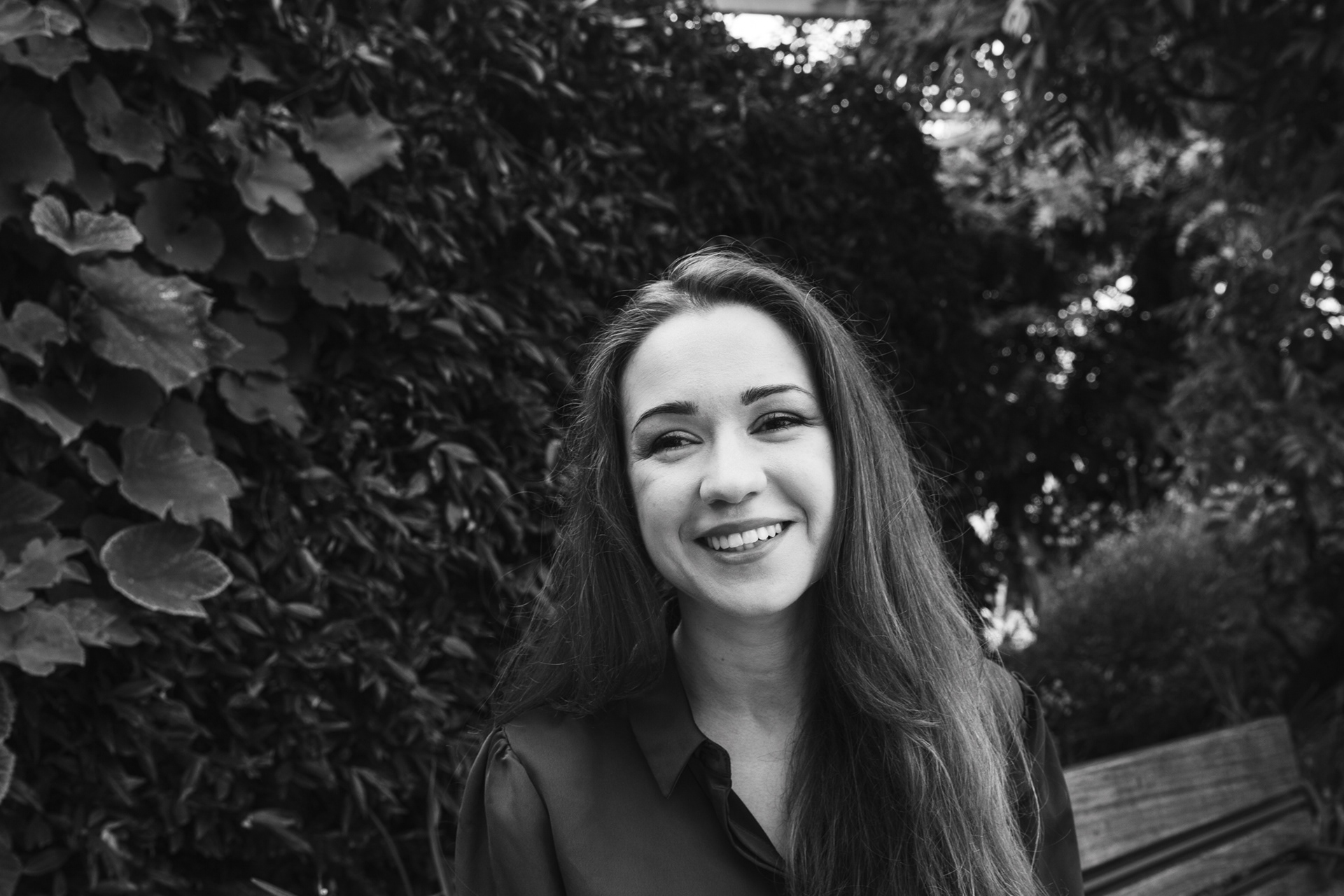
During this time, one of her biggest sources of strength was her partner, Tom, an Englishman she met in London. Their relationship had become her safe harbour. Still, her decision to walk away from a secure job for an untested dream came as a shock to him.
“European men value women with a strong backbone and their own path,” Olia says with a smile. “For my partner, it was both a challenge and a revelation – how could someone leave stability for a dream? But over time, he saw that my professional goals didn’t clash with our shared life – they actually complemented it.”
She had an honest conversation with him, explaining her plan, her budget, her vision. And he didn’t just listen – he believed in her. He believed not only in her as a woman, but in the idea itself, seeing its technical and product potential.
His support – along with the faith of her friends, team, and Ann and David, host family – became her “village behind her,” as Lana Del Rey once sang. Olia knew she had to walk this path on her own, but knowing she wasn’t alone gave her incredible strength.
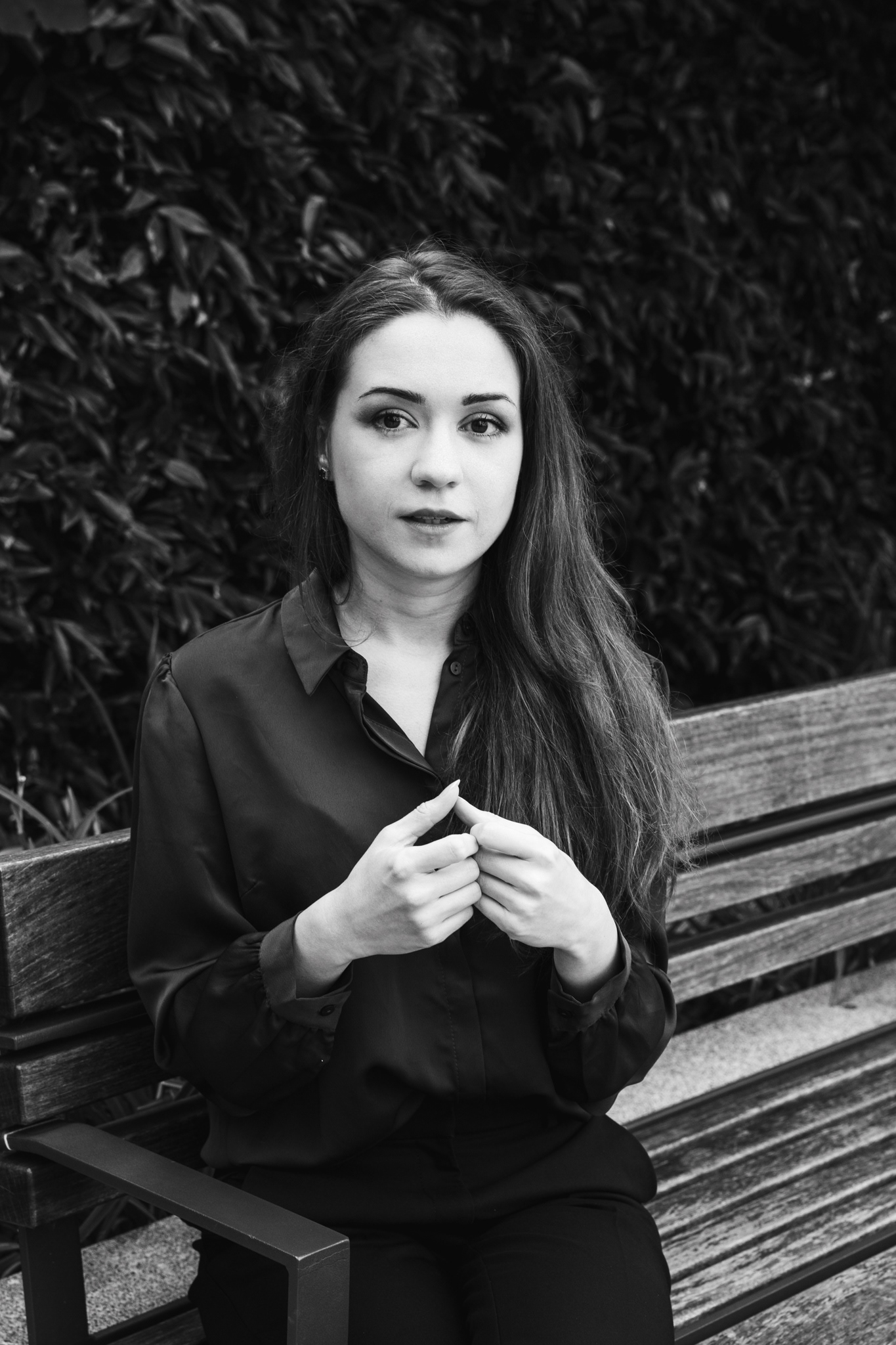
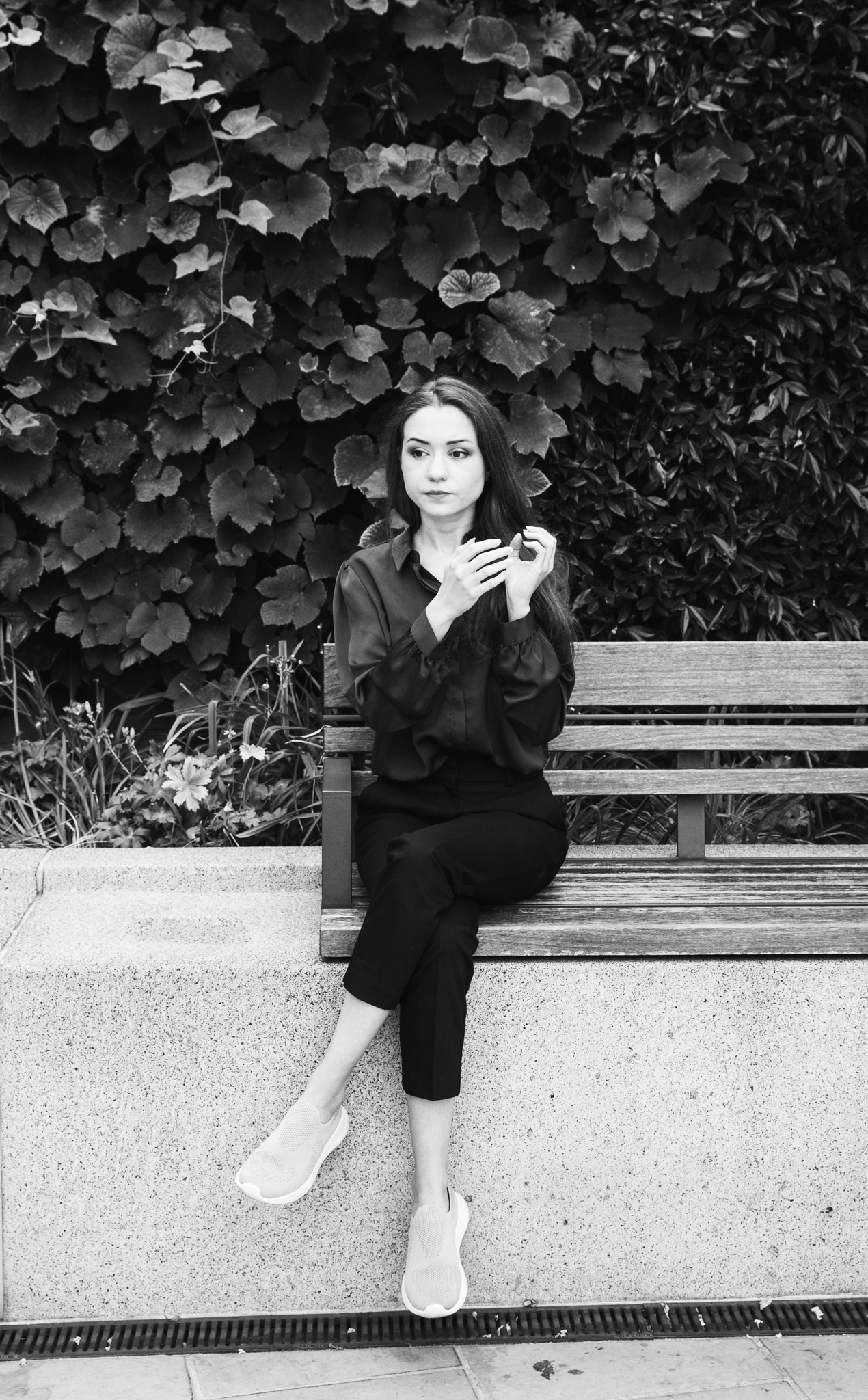
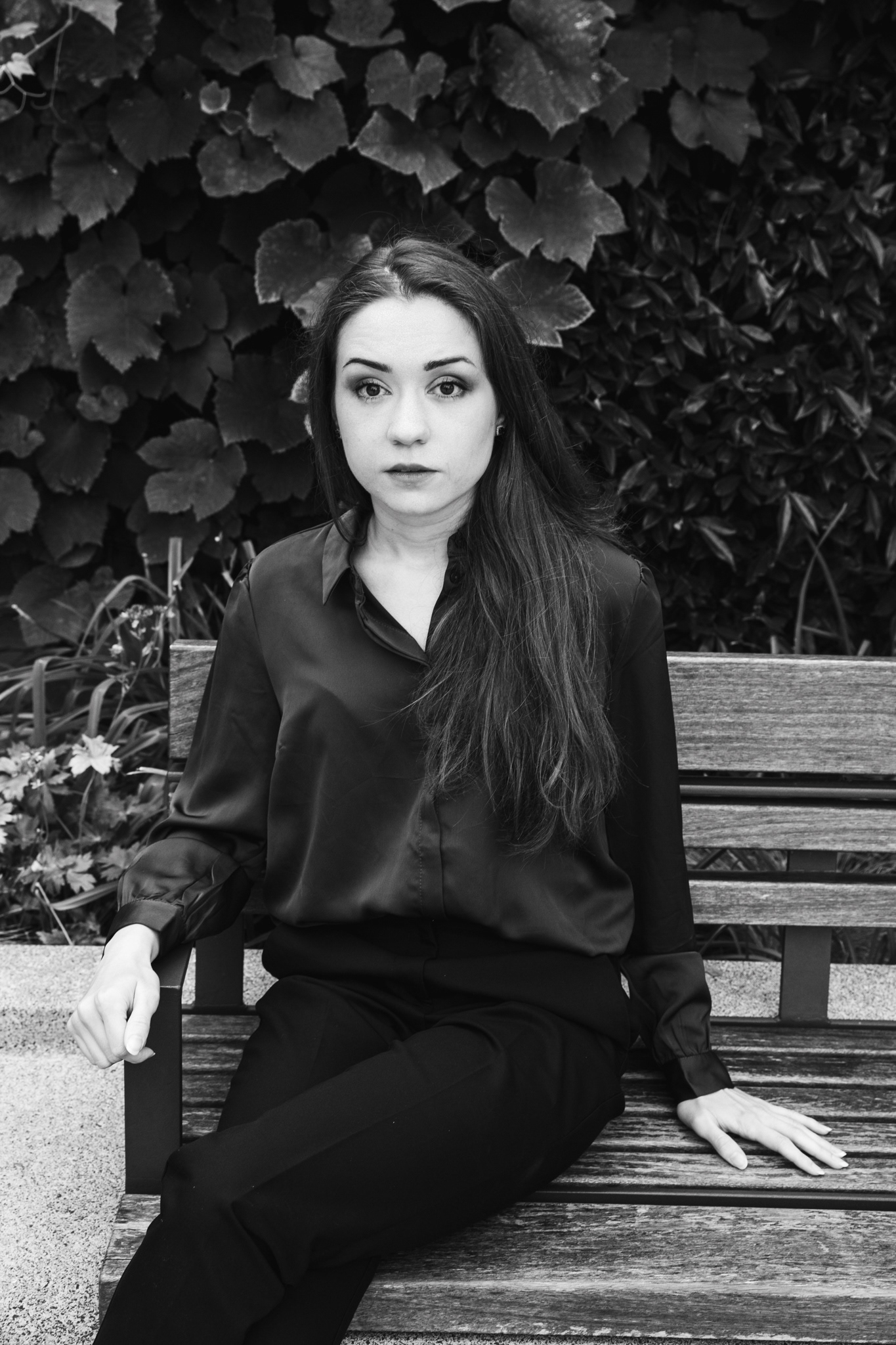
Today, Olia Bunesku is the founder of a tech startup in London. She brings people together, connects with investors, and is building a company grounded in emotional awareness and humanity. Her journey is one of transformation – the girl who once waved goodbye to her past on a bridge between two countries hasn’t just survived; she’s flourished.
Her story isn’t a fairytale. Behind every success lies immense inner work – facing fear, pain, and guilt. She still goes to therapy, reflects deeply, and continues learning to understand herself. The nightmares of war haven’t completely gone away, and she’s still afraid to return, even in her thoughts. But that pain no longer paralyses her – it fuels her growth.
Symbolically, before the war, Olia had been writing a book about a woman who found herself in London against her will and took coffee every morning by Tower Bridge. She used to google photos, trying to imagine what the city felt like. And one day, she was standing on that very bridge – her fiction had become reality.
“I froze, realising that this was in my book,” she says. “And I thought – anything is possible in this world, even the things we’re afraid to dream of.”
Olia had never dreamed of London. Her plan had been to move to Kyiv. But life – which she now calls “a lift” – took her much higher. She has gone from losing everything to creating her own reality. Her strength lies in her ability to choose, even when it seems there’s no choice; in her courage to take risks; and in her capacity to turn pain into wisdom, and wisdom into purpose.
Olia Bunesku’s story is a hymn to the resilience of the human spirit – proof that even when the walls of your world collapse, you can still find the strength not just to rebuild them, but to create something far greater in their place. She continues to build her life and her company, showing that the biggest opportunities often hide behind the biggest fears – and that happiness isn’t something to earn, but something you must allow yourself to feel.