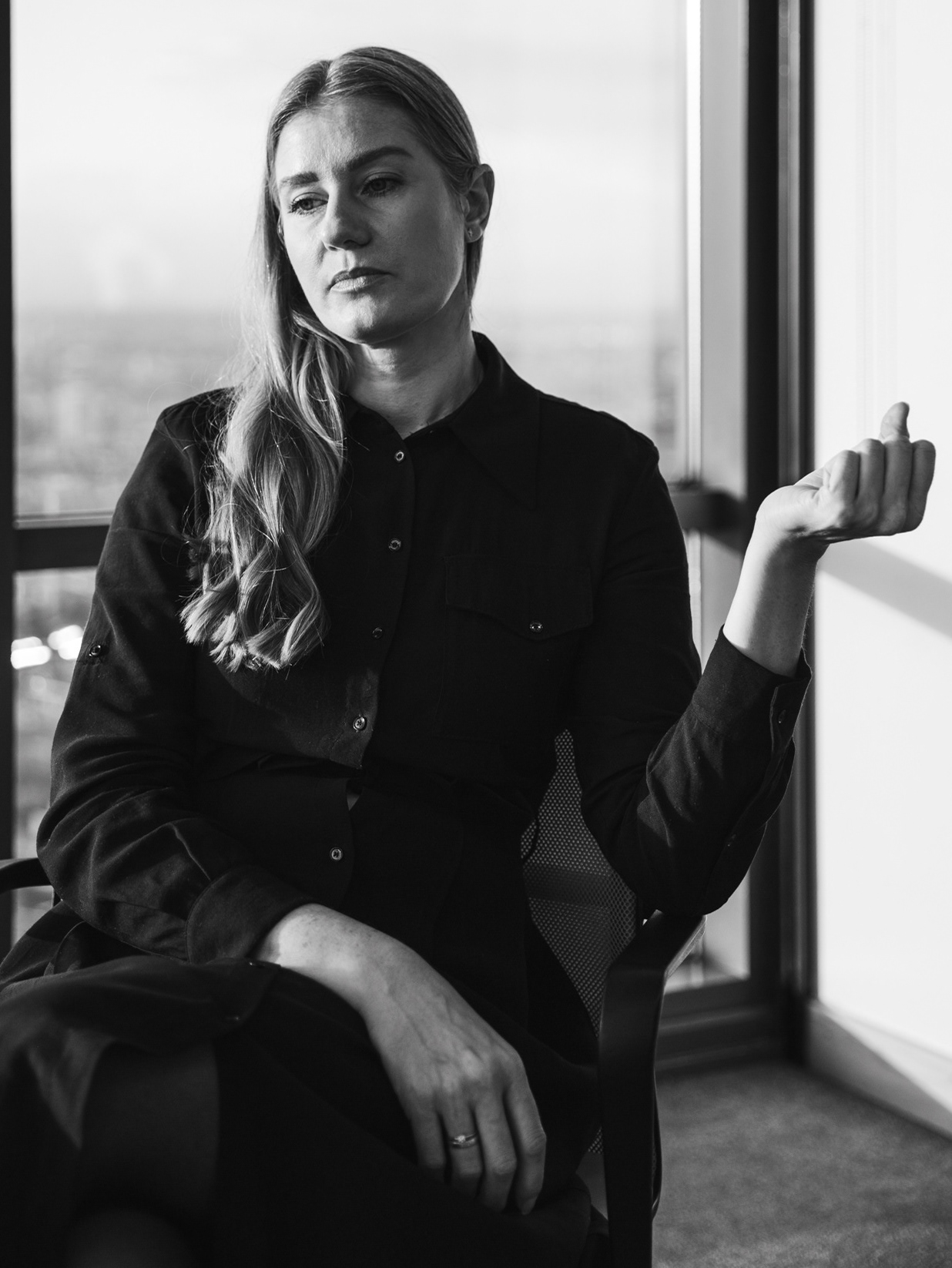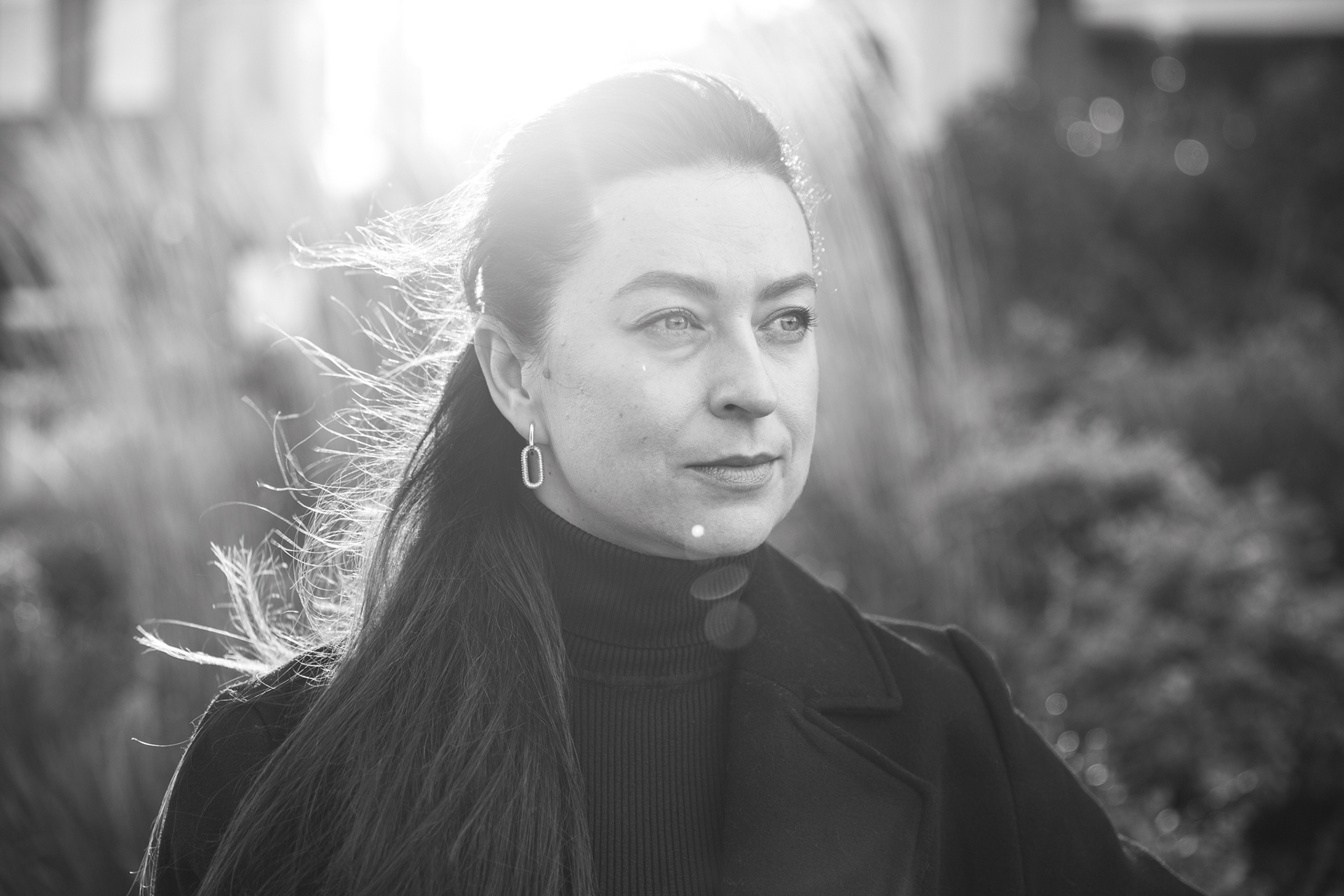
Dual Residency: A New Geography of Life
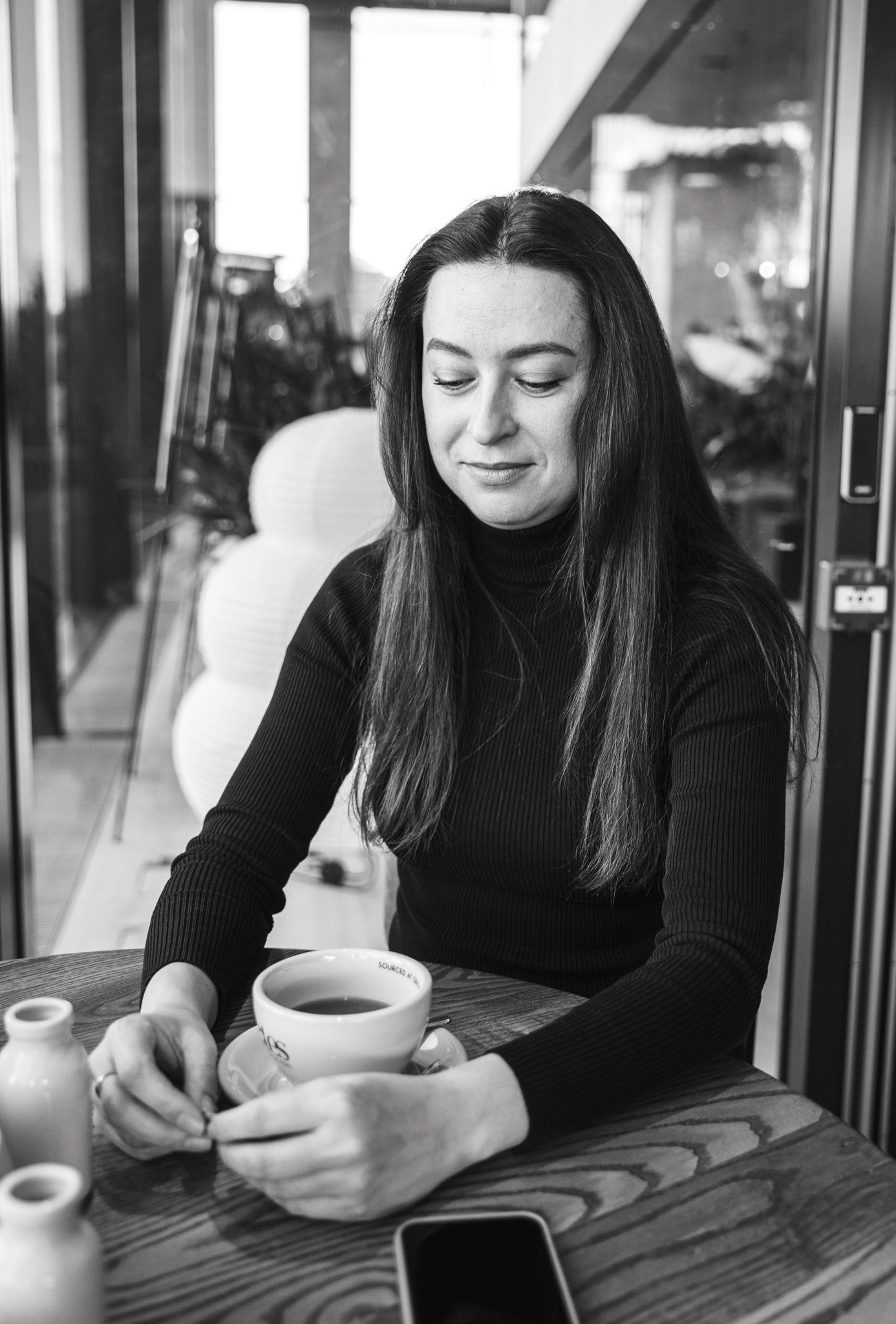
When you first arrive in Wokingham, the silence is the first thing you notice. It isn’t a haunting silence, but one that offers a profound sense of safety. Ganna Marchenko, an Odesa who now calls this town home, explains the local logistics with a smile:
"This town is incredibly cosy, comfortable, and small. It has everything. People from neighbouring towns even drive their children to school here because the schools are considered better. It’s not as bustling as Reading, but everything is within reach—parks, infrastructure, entertainment."
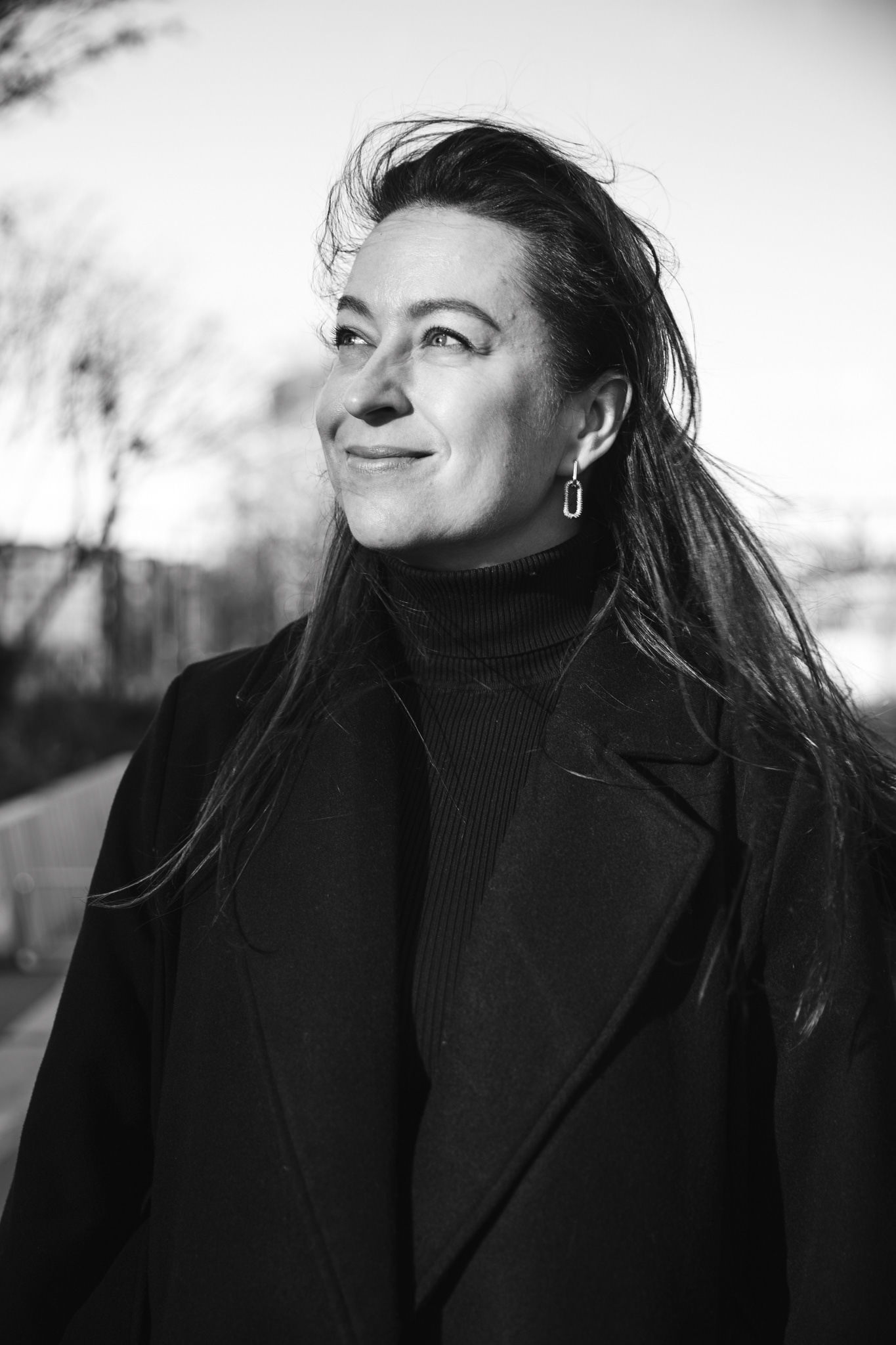
She speaks of a particular British trend: at a certain stage of life, those with the means move to the "countryside" or quiet market towns. Ganna found herself in just such a place—a town locals describe as a picturesque blend of green fields, forests, and nature reserves, offering a peaceful mix of suburban and rural life with easy access to London. Locals value Wokingham for its "quintessential Englishness" and safety. It is here, amidst the steady British rhythm, that Ganna tries to reconcile her past with her new present.
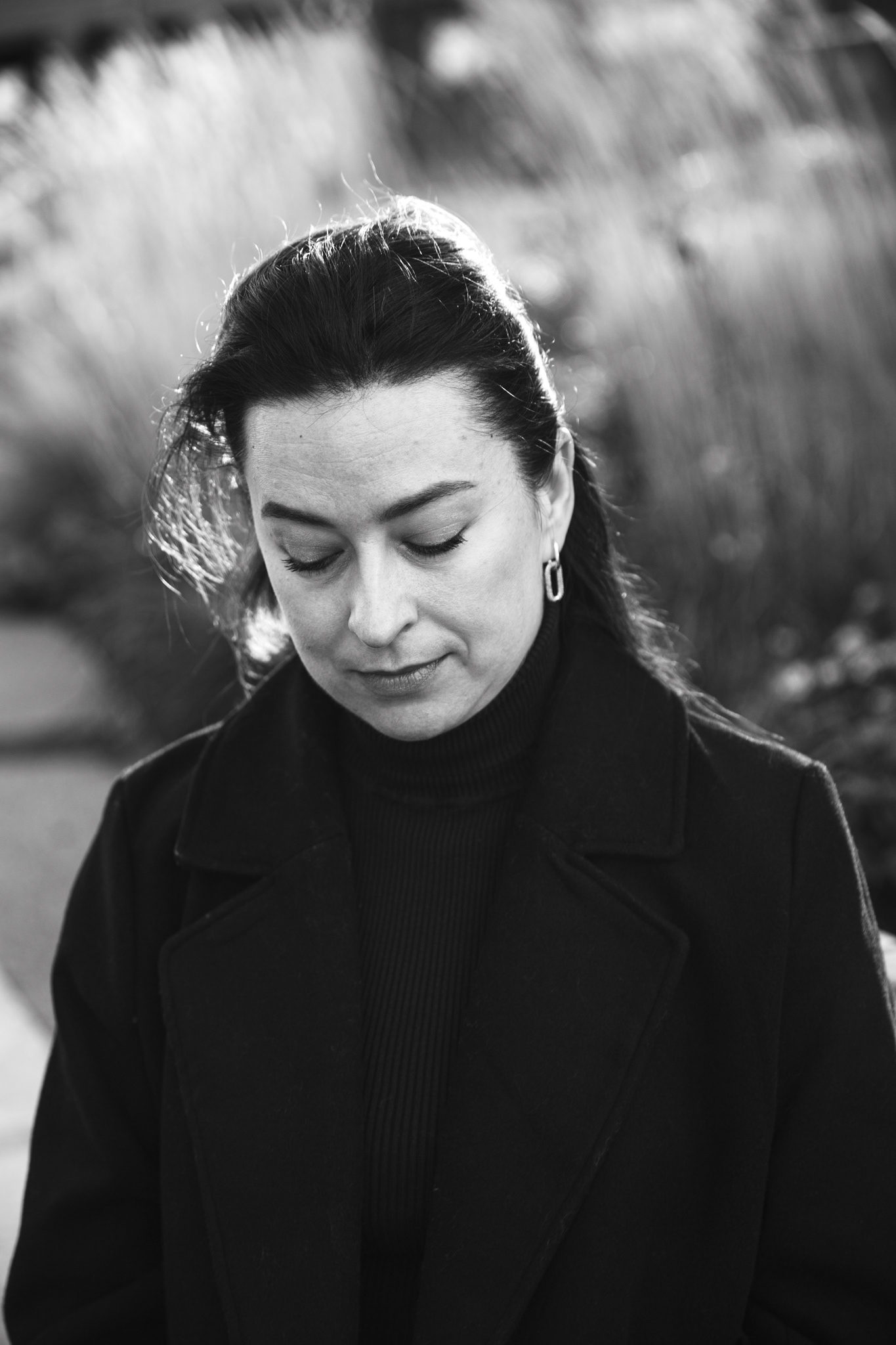
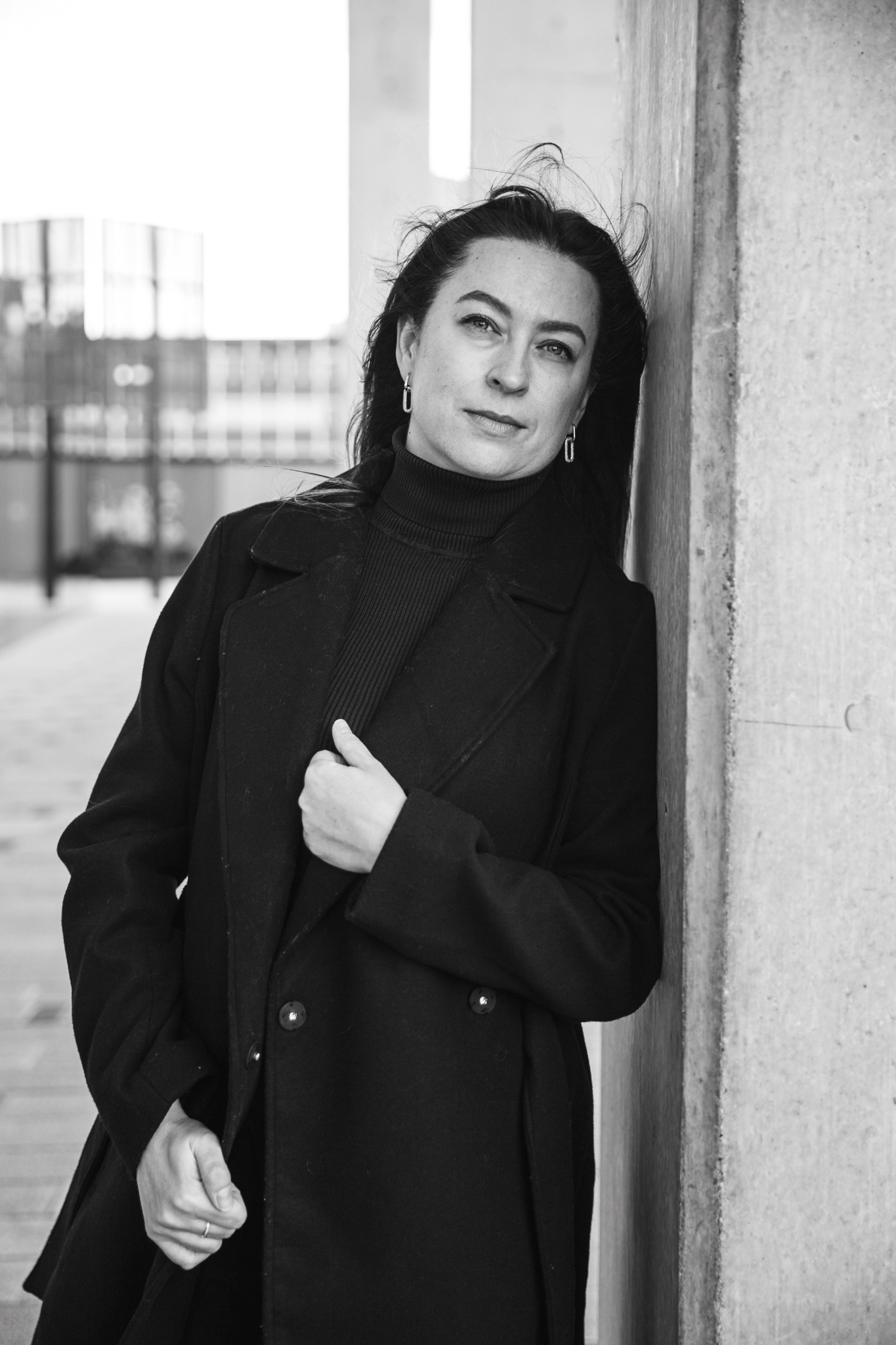
"I Froze": The Morning of the 24th and the Smile of Fear
For Ganna, the war began through a slightly open window on the 16th floor in Odesa. It was four in the morning.
"I heard explosions coming from the sea. I will never forget them because when the sea swallows the sound, it’s terrifying. I jumped up and closed the windows. I thought—maybe it’s fireworks? But I couldn't see anything; it was still dark. Then my son ran in—he was ten then. 'Mum, what is it?'. I said: 'Son, I think the war has started.'"
As a professional psychologist, Ganna observed her body’s reaction with scientific precision, despite the shock.
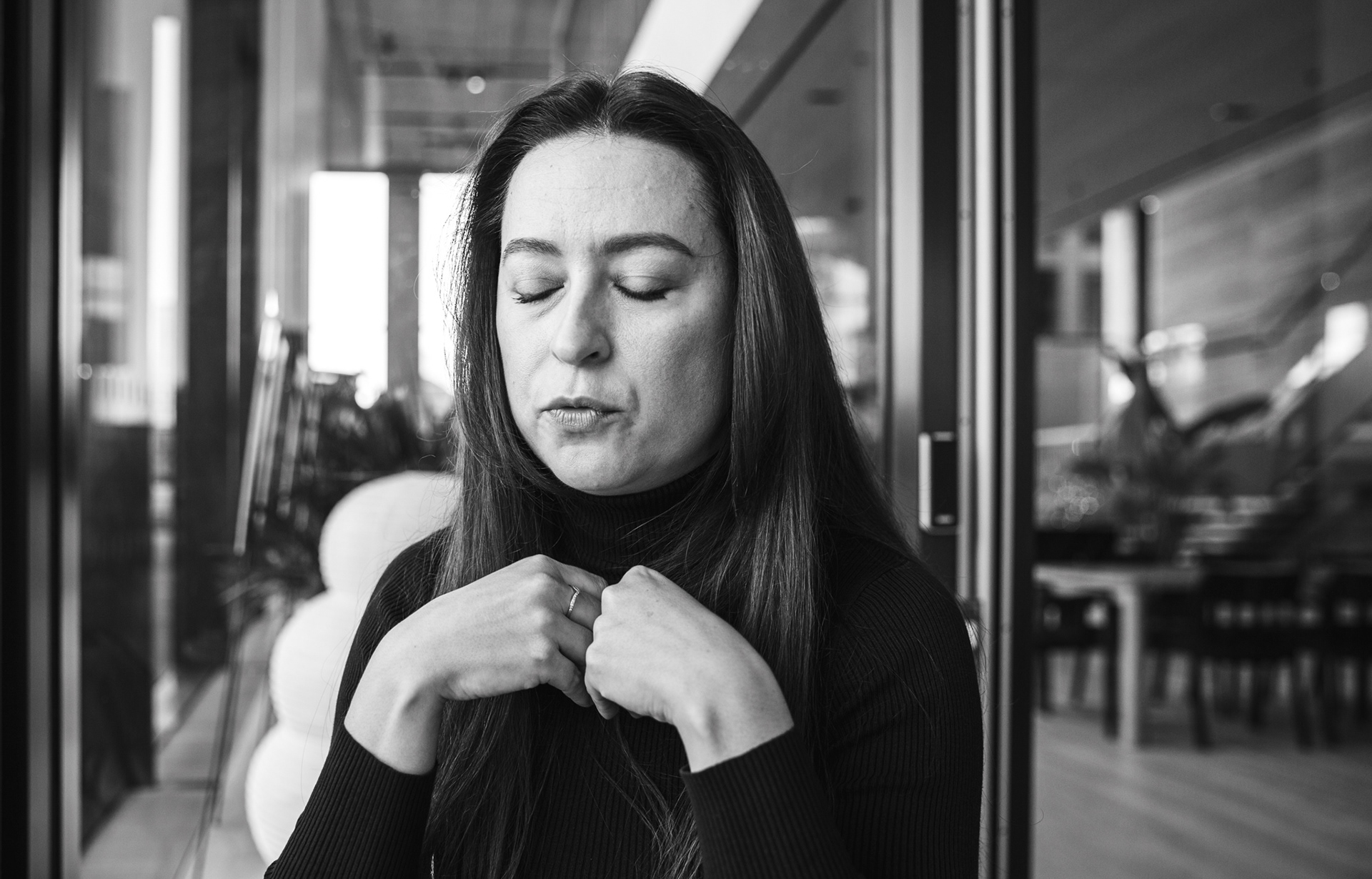
"The sensation was a total freeze—psychological and physical. I froze. I stopped noticing my breath. Everything just stopped inside. I don’t remember breathing, but I certainly felt my body seize up a few days later."
From her windows, she could see the airport and a stretch of the sea. While the news was still silent, Ganna watched the smoke rising from hits on the military base and the airport. Her reaction was atypical to many, yet familiar to specialists:
"I had a defensive reaction—I was smiling. I’d see an explosion, and I’d have a smile on my face. I thought, 'God, this isn't funny,' yet I was smiling. It was a terrifying smile. I suppose it was easier for the psyche to cope with the threat by devaluing it, just to keep from going mad."
Two "Ones" and the Path to Safety
A week after the invasion began, Ganna’s son, Kostya, turned eleven. Life as they knew it had vanished in Odesa: petrol stations were dry, and shop shelves were empty.
"I went looking for birthday candles. I found a 'one' in one shop, and another 'one' in a different shop. They were completely different, but it didn't matter. The cake was the simplest one I could find. We invited the friends who were still in Odesa and celebrated very quietly, almost in secret. It was war; celebrating felt almost inappropriate."
Immediately after her son's birthday, Ganna decided to leave. Palanca—the border crossing with Moldova—was jammed. People stood in queues for two days. The bridge at Zatoka was later bombed, cutting off the route. Ganna and her son headed to her sister in Kiliya, in the south of the Odesa region. There, among orchards and fields, a slow return to life began through the grounding of daily routine.
"I developed a coping strategy—baking. I have never baked as much in my life as I did during those two months in Kiliya. Burgers, pies... it was the foundation that pulled my psyche through."
The Profession as an Anchor
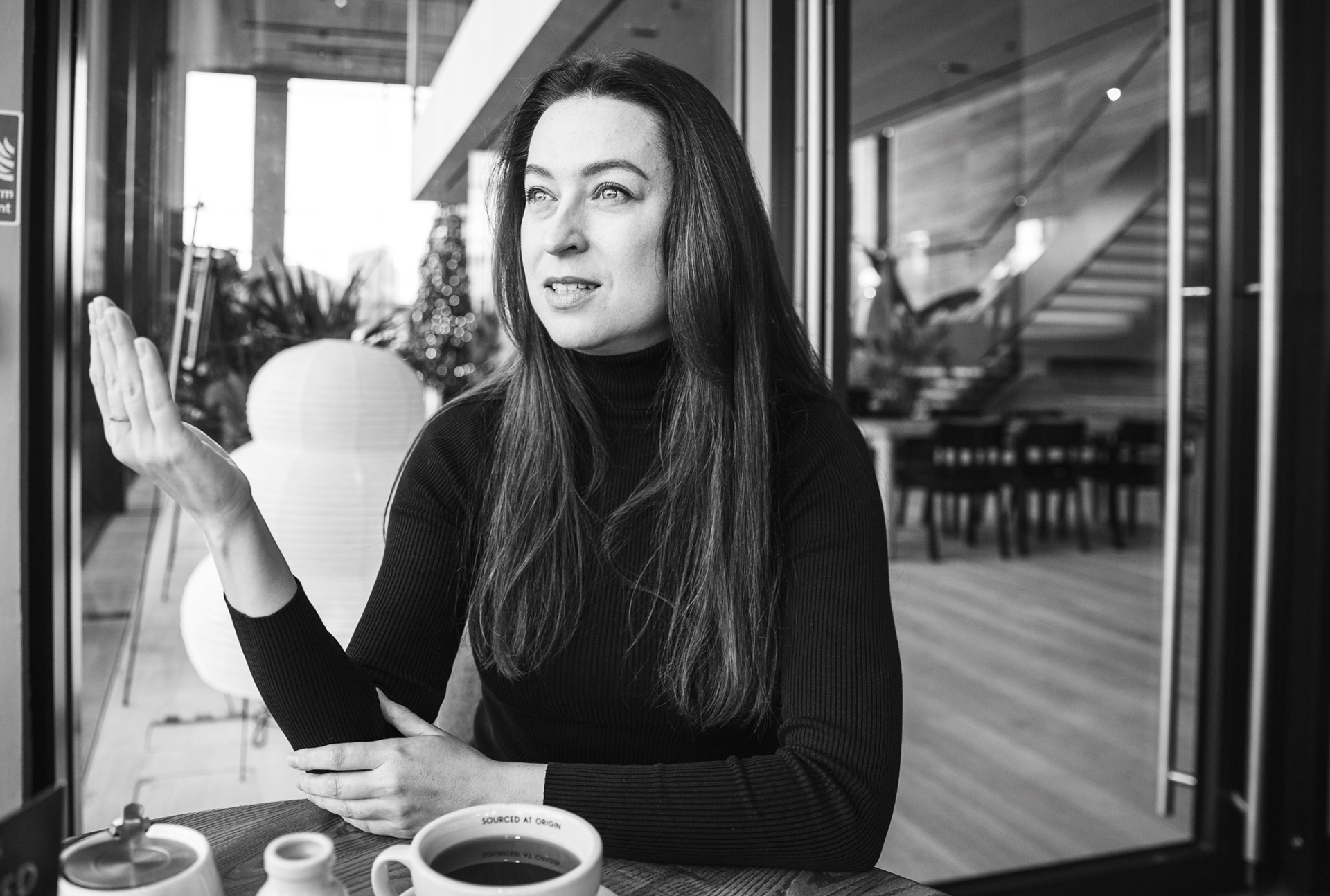
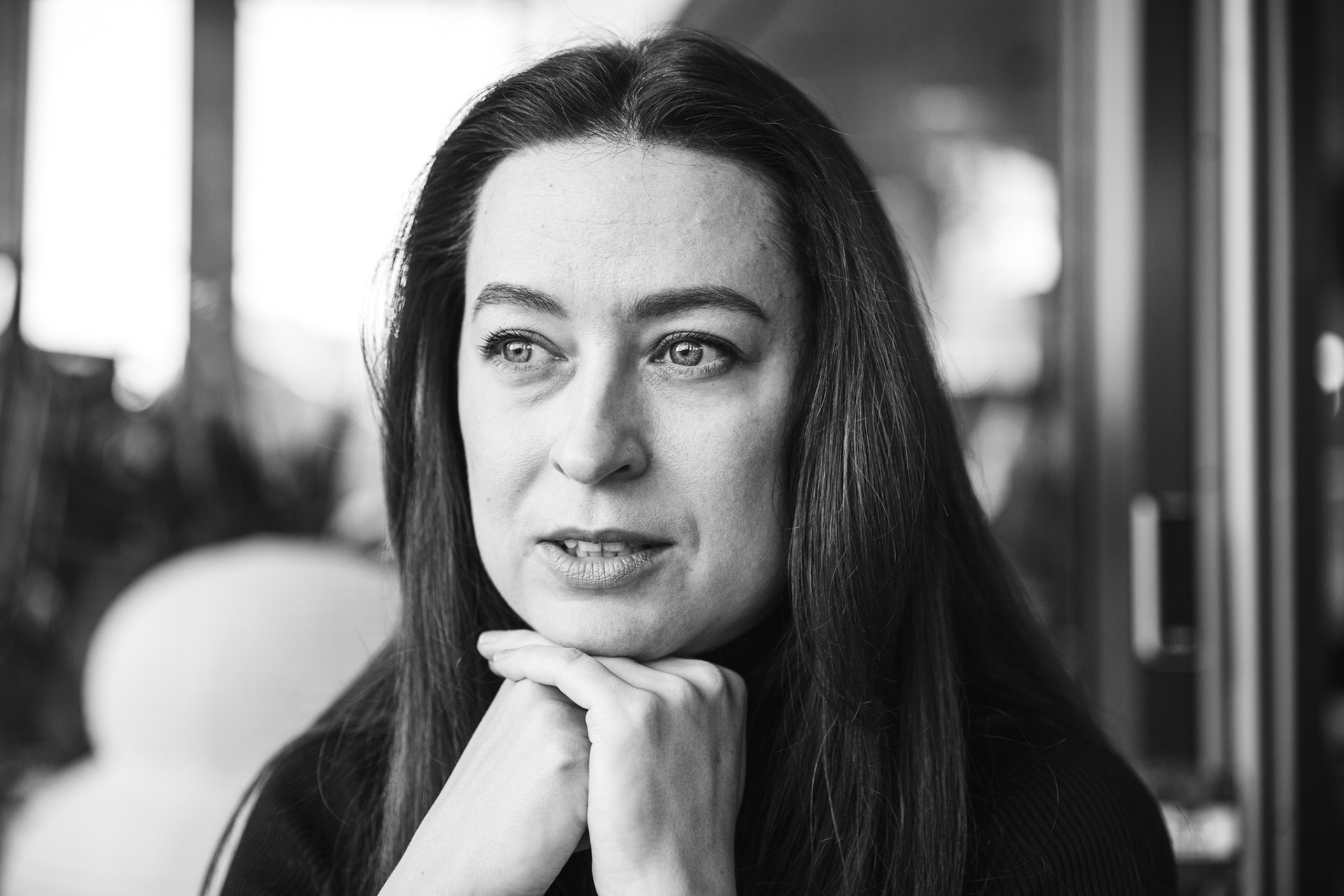
Even in a state of personal "freeze," Ganna never stopped working. She began writing to her clients two weeks after the invasion: "I am safe. If you need support, I am here." She worked for free, as everyone around her had lost their jobs and stability.
"I couldn't take on many clients; I couldn't handle it mentally. One or two people a week. My fellow therapists and I gathered in a supervision group, and our trainer told us: 'Girls, you’re doing great. Work as much as you can, but don't force yourselves. You will have plenty of work to do later.'"
She even went to the local library in Kiliya to give a lecture on psychological health during wartime. It sustained her professionally. But a call from a friend in England changed everything: "Come here, I’ll find sponsors. Save your child. You need to sleep properly to work. If there’s no sleep—how will you work or live?"
Ganna remembers the video call with her sponsors. She was standing in a car park in Odesa, having returned for a few days to check on her flat.
"Missiles were flying over us, and I’m there on the screen with that same sticky smile saying: 'Yes, I’m in a car park, it’s safe here.' They must have been in shock at my composure." By May 2022, her visa was ready.
English Realities: From Hosts to a Home of Her Own
Arriving in Britain was a new challenge. Ganna and her son moved in with a French-English couple.
"He was a true gentleman; he showed us his family tree going back generations. He was kind and supportive, taking my son to football and out to walk their dog, Gracie. The wife was a beautiful, active lady—the heart of the home. She loved creating a cosy atmosphere, dressing elegantly, and was incredibly helpful. I still remember our traditional dinners three times a week. It was important to them, and it became important to us."
Later, the couple's two adult daughters moved back in, making it a house of six. "It was a vital year of adaptation, and I was so glad to live with a family. It helped us integrate. I am so grateful to them for everything."
A year later, she found a flat in Wokingham. She was lucky: her English landlady had already had a positive experience with Ukrainians.
"Ukrainians had lived there for five years before us and remained on great terms with the landlady. Now we are friends with those Ukrainians; they bought a flat two floors above us."
Therapy the British Way: Certificates and Protocols
Ganna’s journey to qualifying as a psychotherapist in England is a story of resilience in itself. Despite 14 years of experience in Gestalt therapy, she had to dive into British bureaucracy.
"It’s daunting to work here. You need excellent English, insurance, Data Protection registration, and memberships in professional bodies. If a client feels you’ve harmed them, they can take legal action. In Ukraine, we aren't used to that level of regulation."
She joined the Gestalt Institute in Manchester and went through the UKCP registration process. Ganna even completed a government-funded "Counselling Skills Level 2" course.
"I thought I would die on that course because of the English! There were so many articles. But it puts everything in its place. I understood why the NHS relies so heavily on CBT (Cognitive Behavioural Therapy)—because it is evidence-based and cost-effective for the state. Six to ten sessions, and that’s it. If it hasn't helped, you move to private therapy."
She also worked with a British client between 2022 and 2023.
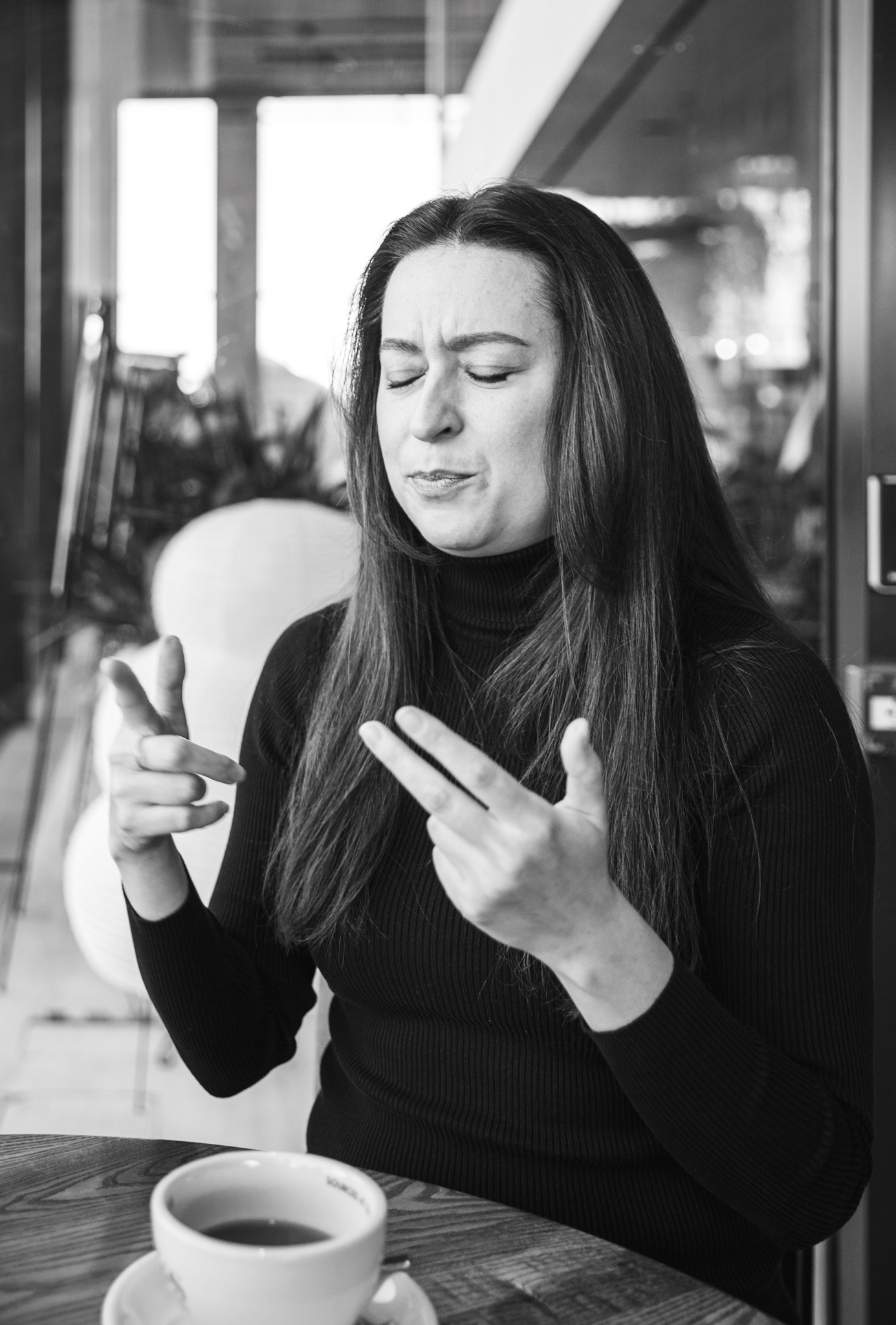
"I don't know how I managed to speak with her. The longer I live here, the more I feel I understand nothing of the English language! Working with an English-speaking client takes an incredible amount of resources. You can’t just translate; you have to feel, analyse, ask the right questions, and help transform human experience into new insights."
Ganna now has several English-speaking clients in therapy—a new experience she has successfully integrated into her practice.
Loss as a Rupture, Roots as a Pillar
During these years, Ganna suffered a great loss—her sister’s husband was killed in the war.
"I said: it doesn't matter what the ticket costs—five hundred pounds or a thousand—I will be with my family on that day. My son and I went to the funeral of our warrior. A week with family healed our wounds. Grieving alone in a foreign country is a catastrophe; I wouldn't wish it on anyone. The psyche needs to grieve alongside loved ones for the burden to lift even a little."
Ganna compares emigration to a divorce:
"It's uprooting, living and raw, with blood and pain. I even had my favourite frying pan and kitchen knife from Odesa sent here by post, just to have something that reminded me of home. I also printed photos of my family and put them in frames. Now I see them every day! Moving brought back that flashback of divorce—the feeling of being solely responsible for everything again. But I remember: I built a life in Odesa from scratch, did the renovations, bought a car. It means I can do it here, too."
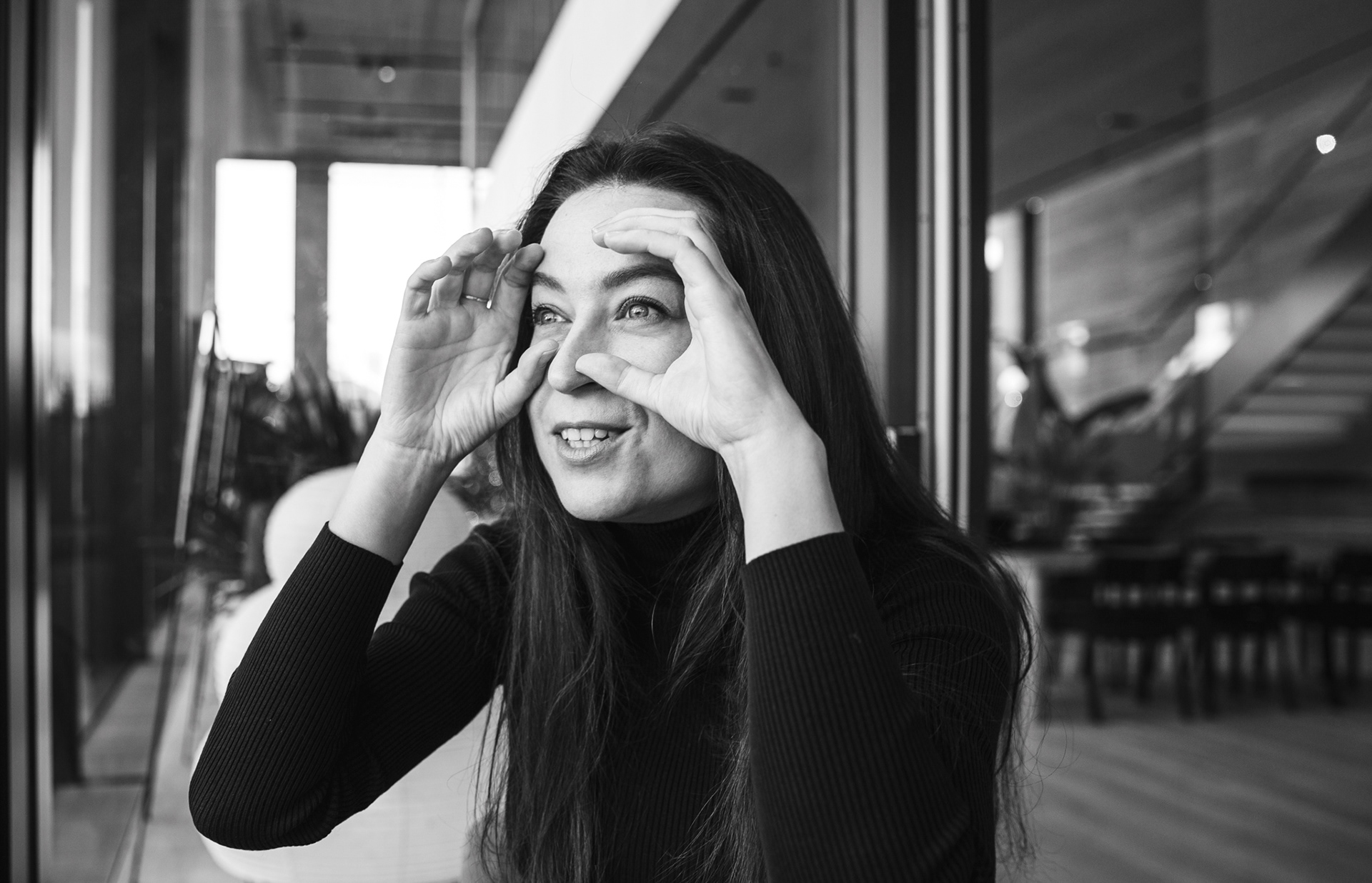
"I Bloom Where I Belong"
Today, Ganna sees the changes in her son every day in the mirror.
"He’s nearly fifteen. He’s already taller than me—a young man. When we visit Ukraine, the grandmothers look at him with such wonder and joy. We are loved and waited for at home! He is afraid to go back because he fears the war, and he’s grown used to the stability of an English school. And I... I feel lonely here."
Ganna has maintained a long-distance relationship with her partner for four years now.
"It is an art—preserving a relationship for so long—but of course, it is very difficult and a huge challenge for us both. When I go to Odesa, everyone tells me: 'Anya, you’re glowing!'. Because everything there is home. That is where I bloom."
Yet, Wokingham offers her what Odesa cannot right now—silence, peace, and safety.
"Every evening, I lie in bed and feel this 'high'—it’s quiet outside. My child is sleeping in the next room. Everything is stable. I don’t regret that we left, because we are recovering here. We have the strength to survive, to keep living, to grow ourselves and our children, even when the world around us is crumbling."
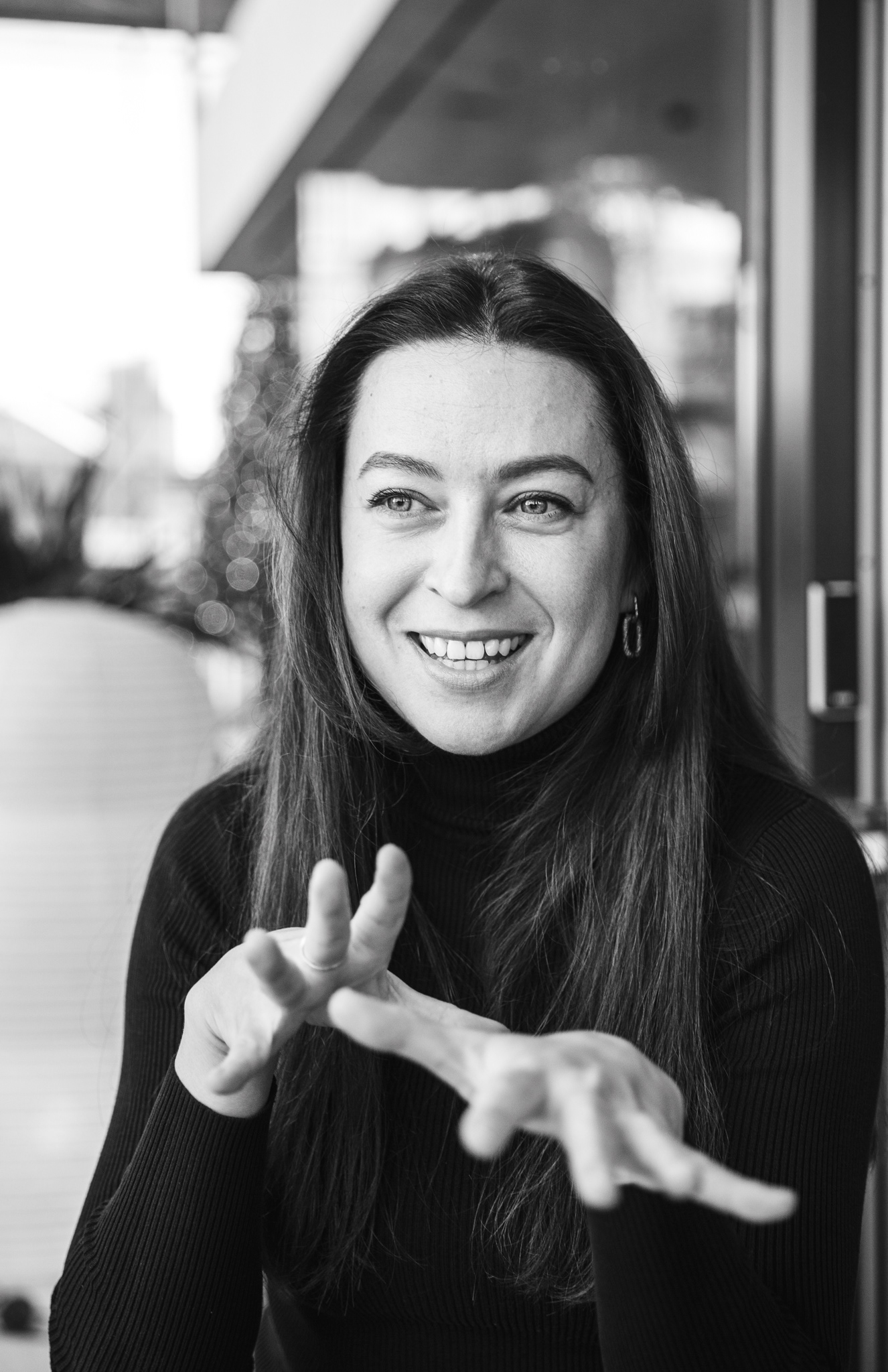
Ganna Marchenko continues her psychological practice, raises her son, and learns every day to be happy in "quiet Wokingham," while holding the sound of the Odesan sea and the warmth of her large family in her heart.