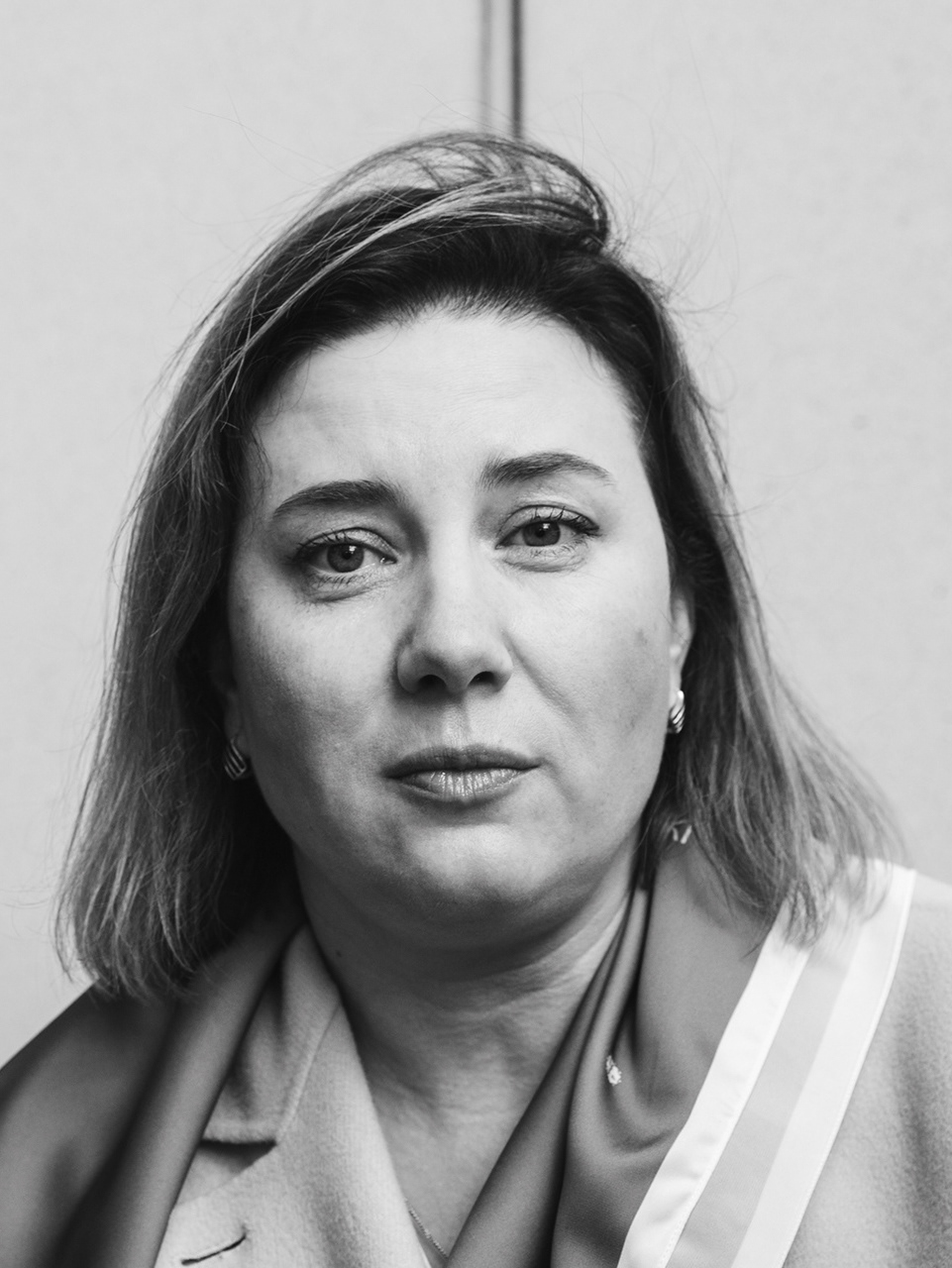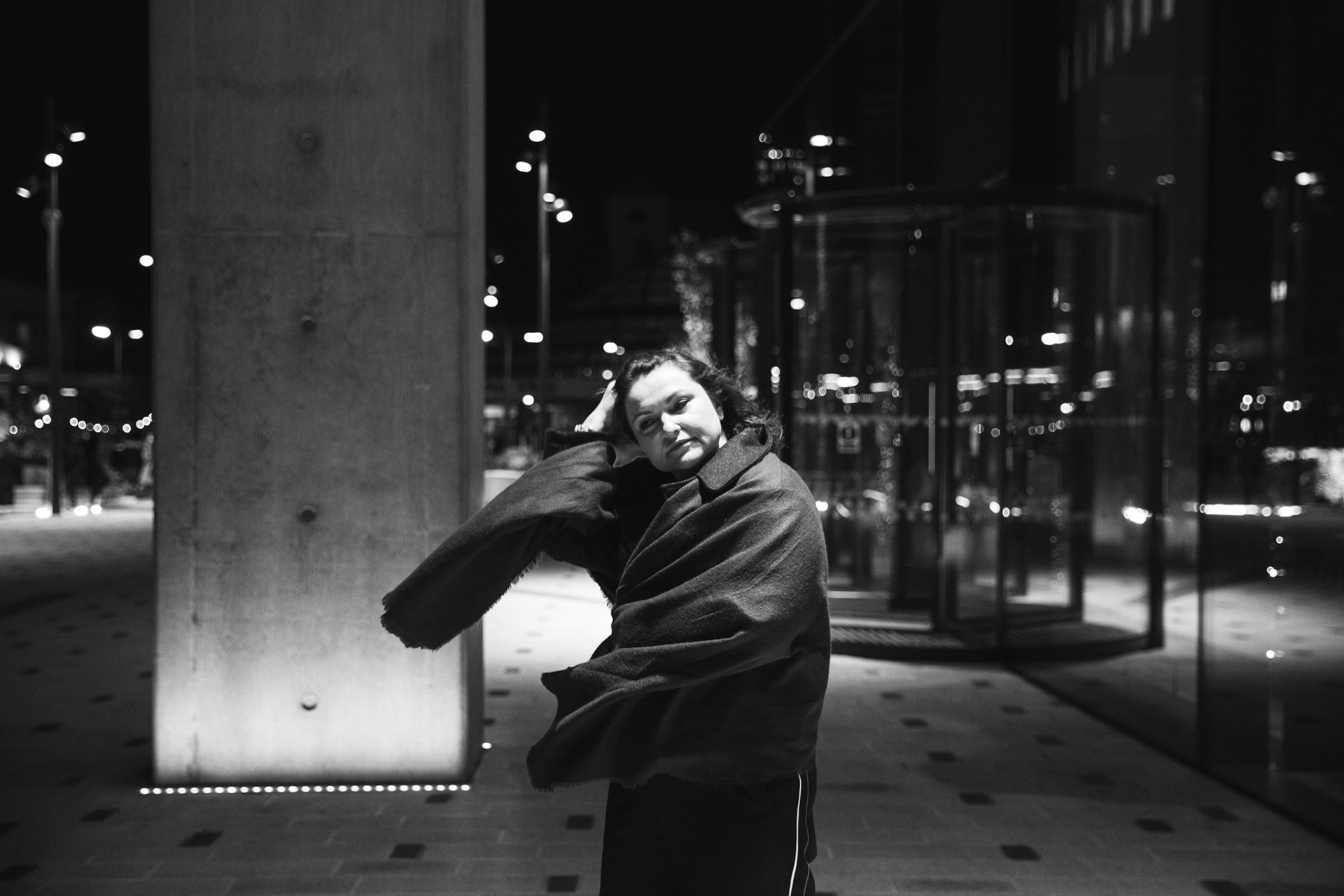
Five to Twelve: The Morning That Changed the Paradigm
For Kateryna, the war did not begin with the news, but with a phone call she initially declined. At five in the morning, her flat in Troieshchyna was silent, but the phone kept insistently springing to life. It was the school security guard — a lycée in the centre of Kyiv where Kateryna was the headteacher.
"I will never forget that moment. The guard called, and I cut the call... I thought I’d slip out into the corridor and call back because it was so early. The whole family was asleep. But the moment I tried to step into the hall, the supervisor of the after-school club called. I knew her father was in the military, and I realised: two calls at the same time could not be a coincidence."
The voice on the line was trembling: "Kateryna Vasylivna, the war has started." In Troieshchyna, the rumbling was already nearby; the city was shuddering from the first explosions. While her husband packed and the children still slept, Kateryna was already acting as a leader.
The Shelter: Preparing for a War She Didn’t Believe In
A few weeks before the full-scale invasion, Kateryna, following her professional intuition, began preparing the school basement. At the time, it seemed strange to many, almost excessive.
"I gathered my deputies and said: 'Girls, look, we are just women. What can we do? Let’s use our common sense and think it through.' The basement had to be dry; there had to be light."
She ordered buckets with lids from Lviv and bought biscuits, sugar, and water. Colleagues chuckled, but Kateryna stood her ground. She personally took each of the school's thirty classes — from the first-years to the school leavers — on a tour of the basement. She wanted the children to see that it wasn’t scary, that there were no "monsters," and that there was enough room for everyone.
"I remember what I told them by that far wall of the shelter: Ukraine never started a war, and Ukraine will never lose. Even if a war begins, Ukraine has always triumphed because it is not a bellicose country; it doesn’t attack, and it will never lose this war."
Interestingly, while preparing the school for the worst, Kateryna did nothing to prepare her own home. She believed in her professional duties, but subconsciously, she didn’t believe the war would truly reach her doorstep.
The School as a Fortress
On the first day of the invasion, Kateryna and her family headed to the right bank, to the school. The roads were at a standstill; panic filled the streets. By the time she finally reached the lycée, the school had ceased to be just an educational institution. It had become a sanctuary for the civilians of the Podil district.
"The second day was the most terrifying. The first day was about the unknown, but on the second, the radio started reporting sabotage in shelters and provocations from within. We had about six hundred people. I just opened up the premises and cleared out all the cardboard packaging, mats, and gym mats so people could at least sit down. A stream of people, pets, all sorts of people from different places... we didn't know who they were."
Together with her husband and a young soldier (a lad who also found himself in the shelter), Kateryna organised a round-the-clock watch. Male volunteers stood guard around the perimeter, hidden behind large flower pots they had dragged from every floor. Life in the basement followed a strict schedule: dog walking, smoking breaks, guard rotations — everything by the clock.
"I didn't sleep for the first five days because I didn't trust anyone. I understood my responsibility. I even called the authorities and said: 'We have no weapons, give me an assault rifle. We need something to defend ourselves with.'"
The Choice Between Duty and Motherhood
After two weeks, the situation became critical. Rumours of what the occupiers were doing to people — including school heads in occupied territories — reached Kyiv. Kateryna’s children saw this online and pleaded to be saved. Parents and colleagues literally pushed her out: "Get the children out."
This was the hardest internal breaking point.
"It was the worst moment of my life because, internally, I felt I was abandoning the school. I had a choice between my position — the responsibility I had placed on myself — and my own children. I realised I didn't have any spare children. I took my colleague's children, my own, and we set off."
The journey to Lviv took three days. They spent nights in flats under renovation and in furniture factories among hundreds of other refugees. It was there, on the floor among strangers and pain, that the scale of the tragedy caught up with Kateryna.
"The apocalyptic nature of it hit me there... as if we were being intentionally displaced, like some mass shuffling of people was happening. I cried a lot. I realised that nothing was as I had expected."
Volunteering and the Online Front
Once in Lviv, Kateryna couldn't just sit still. She began volunteering at a headquarters managing evacuations abroad. Simultaneously, she continued to lead the school remotely.
"From the 11th or 14th of March, we started running all lessons online. We raised money for bulletproof vests, helmets, and tourniquets. Everything was targeted — for the parents of our pupils who had gone to the front, for friends. I would visit Kyiv when it was almost a ghost town. I remember in April, the magnolia blossomed on our school grounds. People would come up just to look at it — it was such a grounding landmark."
In the summer of 2022, the question of her eldest daughter's future arose. Despite plans to study in Ukraine, colleagues convinced Kateryna: children must have an alternative. That is how Britain came into the picture. Kateryna went to support her daughter during her entrance exams, planning to return. But visa delays changed everything: the children received their documents quickly, while Kateryna waited five months for hers.
This was a period of acute guilt. The school in Kyiv was preparing to reopen, but the headteacher was "blocked" abroad.
"People were coming to work, and the headteacher wasn't there. I was ashamed of it... there was judgement, a feeling that you were a traitor. This was my own private battle, and it was destroying me. I was being ignored. But I didn't look for excuses. I knew I was doing everything I could at that moment, and I regret nothing."
Reading: A New Start and a "Call" from the Universe
Eventually, Kateryna returned to Kyiv for a year to complete her contract and see her final-year students graduate. But later, when her younger daughter decided to study in Britain, Kateryna made a second fateful decision — to move for her children again.
In Reading, everything was a "first": finding a home in 10 days without a guarantor, the language barrier, the loss of her familiar status. Kateryna decided: "No more schools." But life had other plans.
"I changed my CV 158 times. I asked for feedback, and they told me: everything is great, but you need to polish your English. Then came a moment of testing. I was offered a job in an after-school club, but I realised that would be a betrayal of my dreams of coaching. I turned it down. And that same day, I received an offer from another school for a position that truly resonated with me."
Now, Kateryna works in a British primary school as a Welfare Assistant and Teaching Assistant. She balances working with children, volunteering in a Ukrainian choir and library, and growing professionally as a coach.
Transformation: From Result to Process
The war and emigration have changed Kateryna. She says she has become softer, learned to listen to herself, and allowed herself to "be in the moment."
"I am transforming from Kateryna the 'achiever' into Kateryna who enjoys the process. I savour these moments. I’ve started creating rituals for myself. Coaching and Britain have grounded me. I’m tired of living at high speeds. What if we lived not in a timeframe, but in a frame of things accomplished? I don't want to race at full throttle anymore."
She continues to lead a volunteer project supporting Ukrainian educators and organises a theatre for teenagers in Reading. For her, it is a way to "grow" people, giving them the support she once needed herself.
"I see the change in me. This trust in the process is growing inside. I see how people change when they trust me with their stories. My children are my teachers. They reproach me for the past, for the times I chose the school over them. But we are learning to live our lives without making ourselves a sacrifice."
An Original, Not a Version
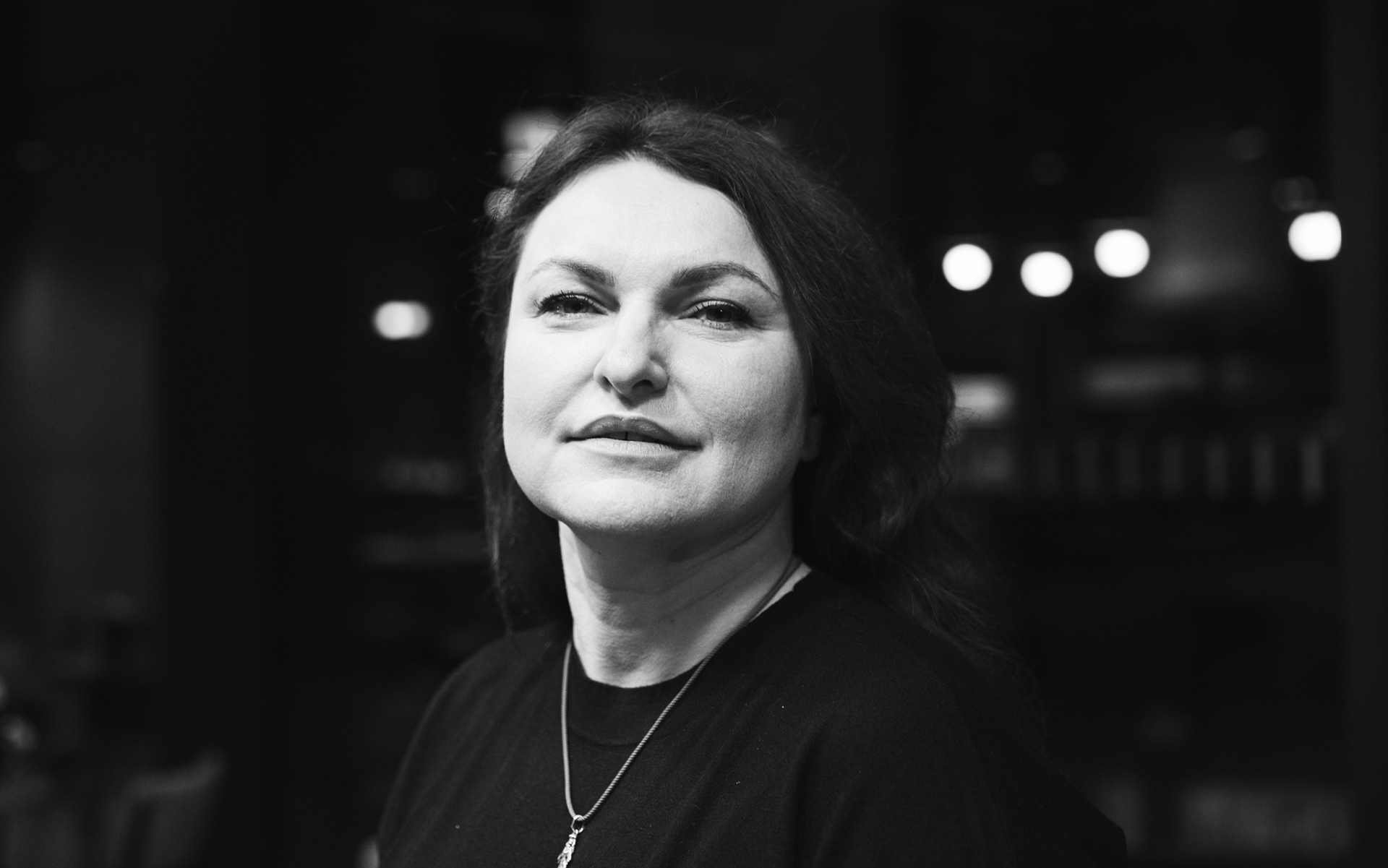
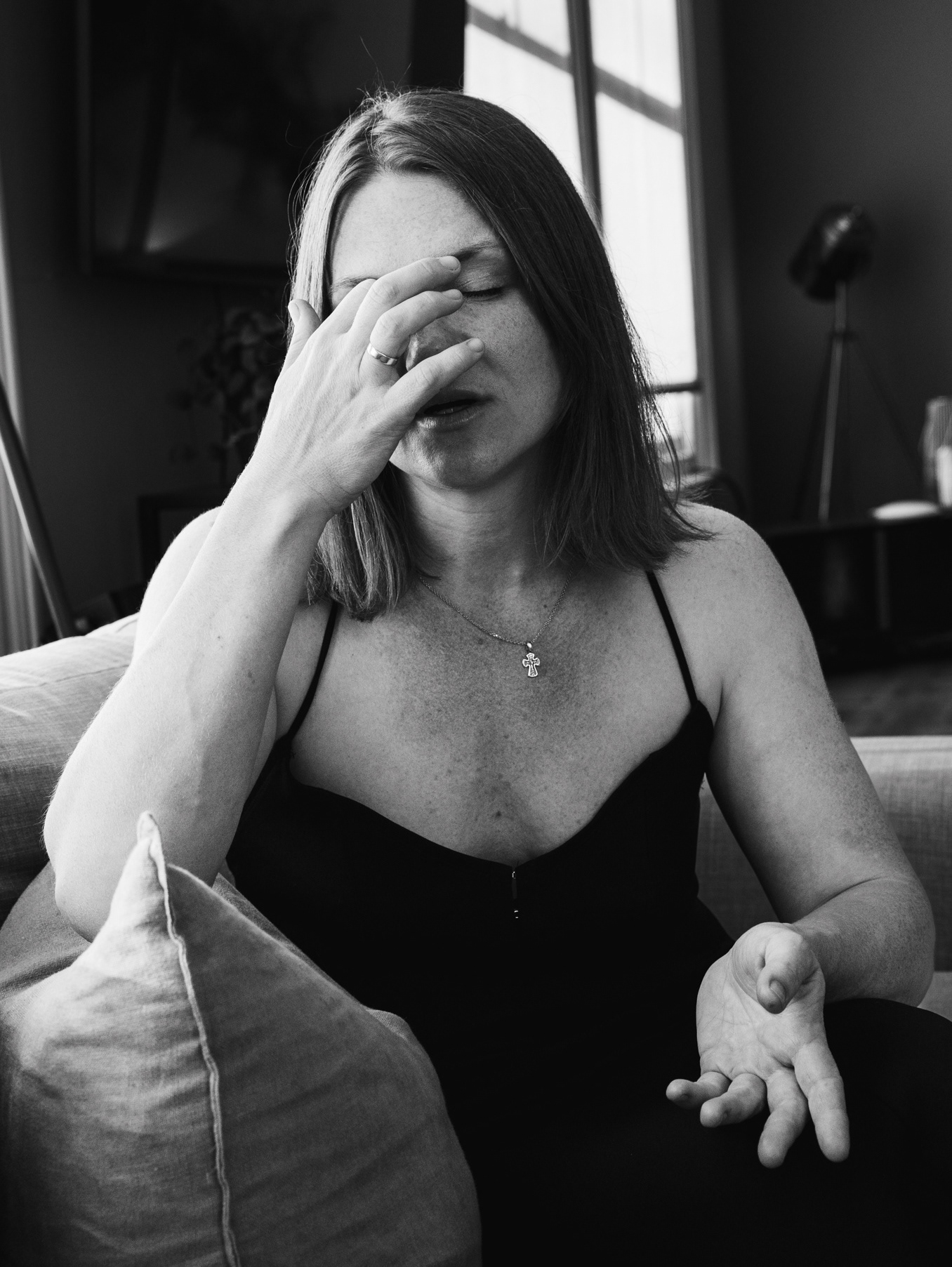
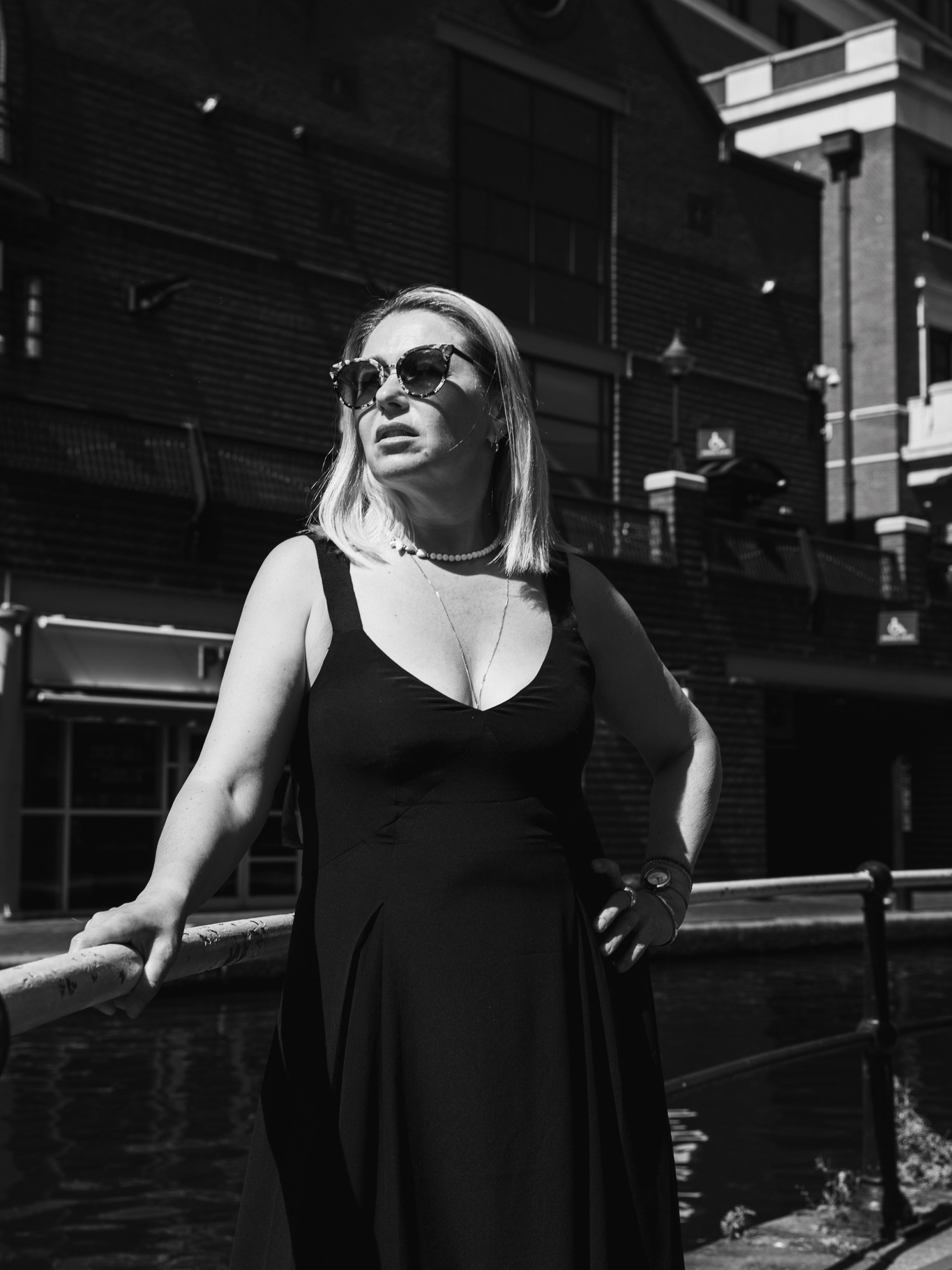
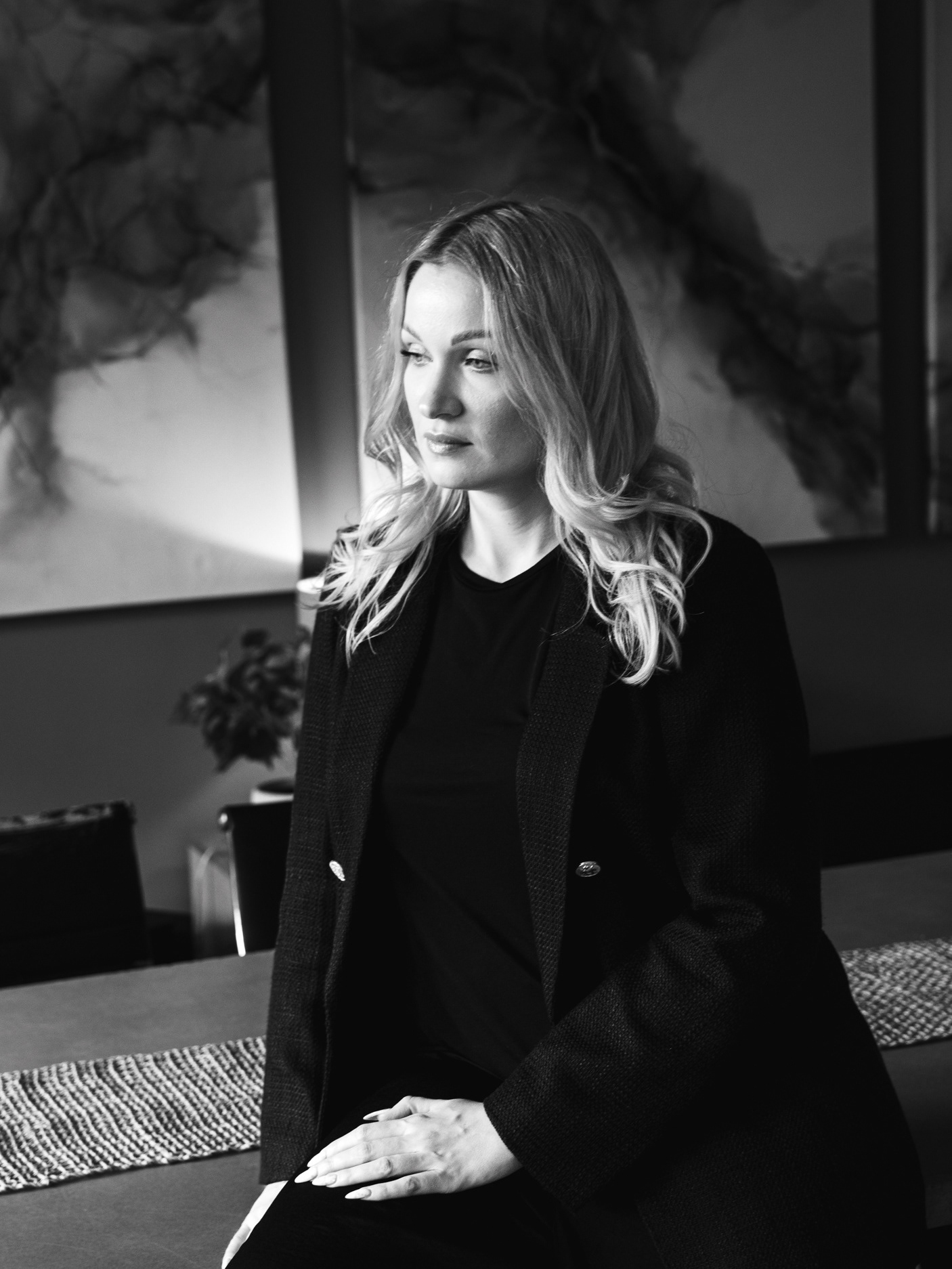
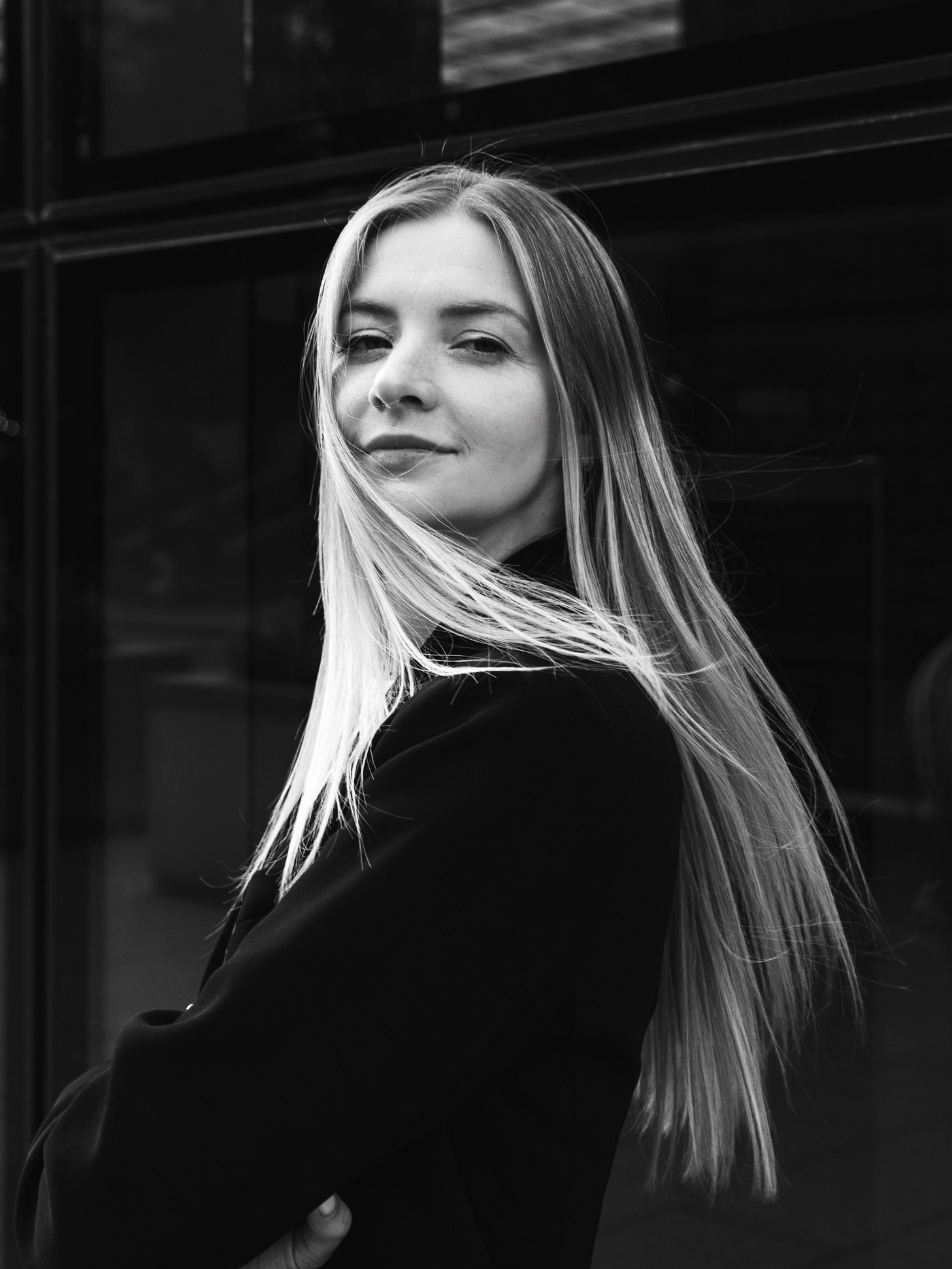
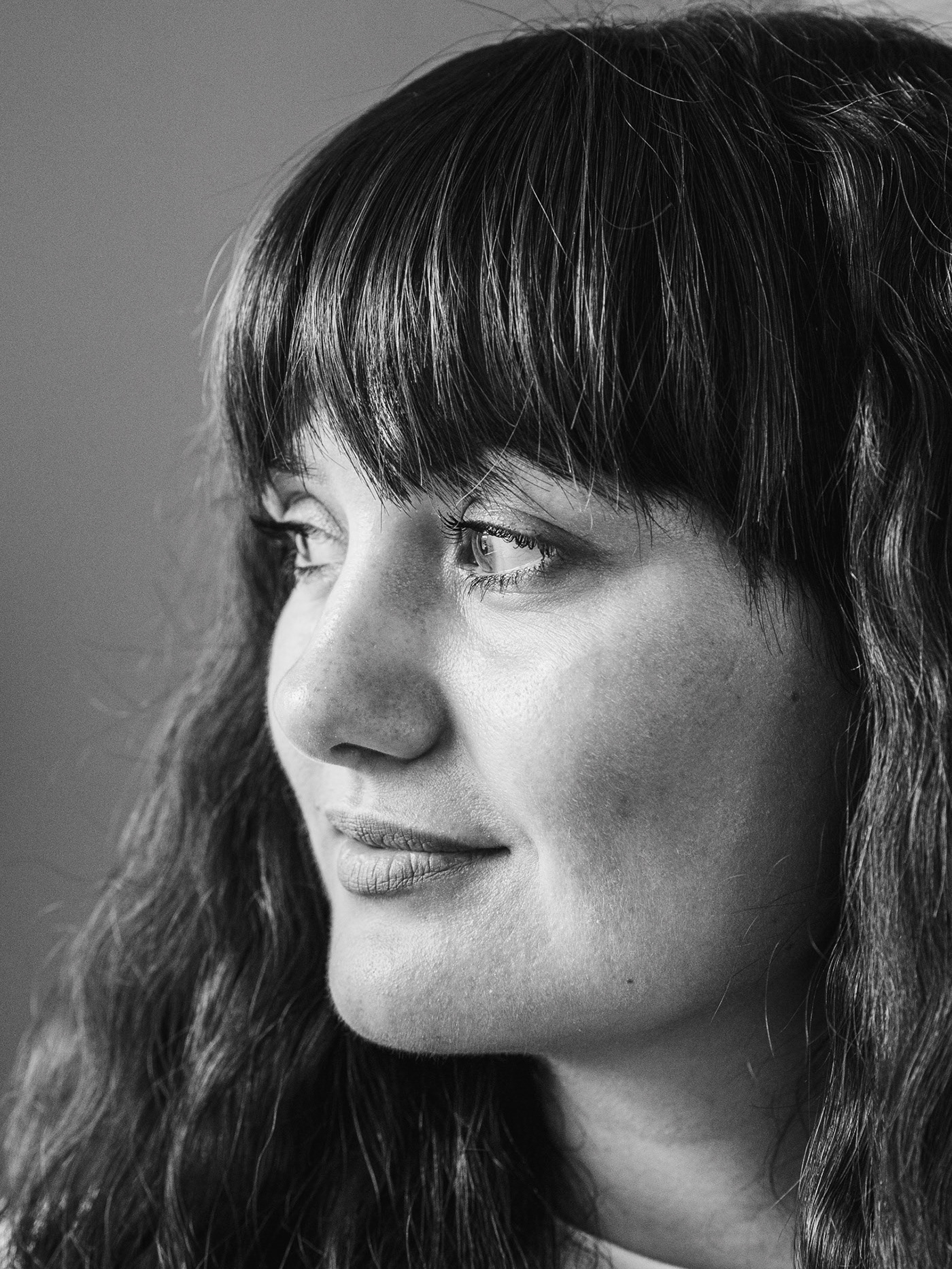
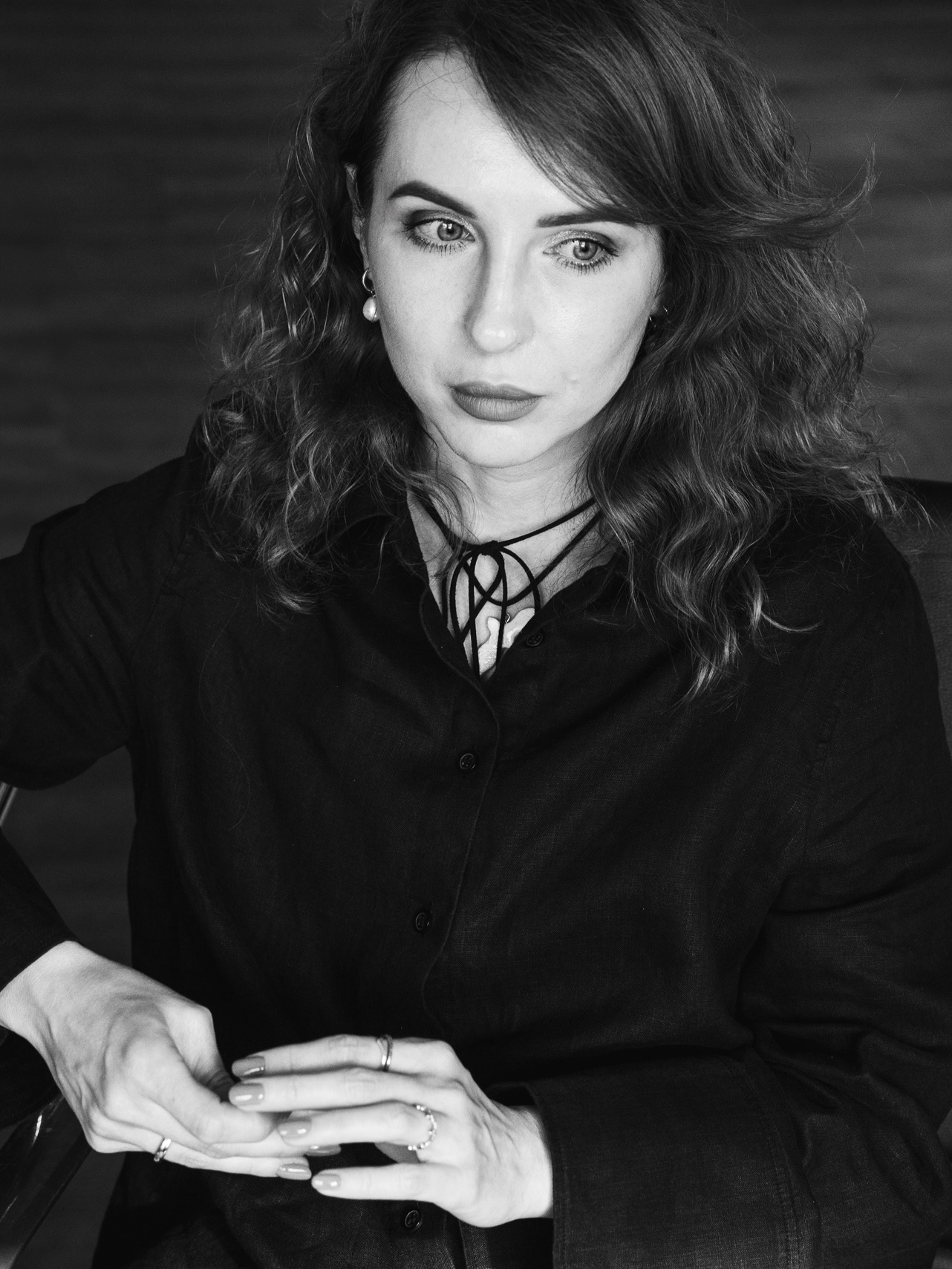
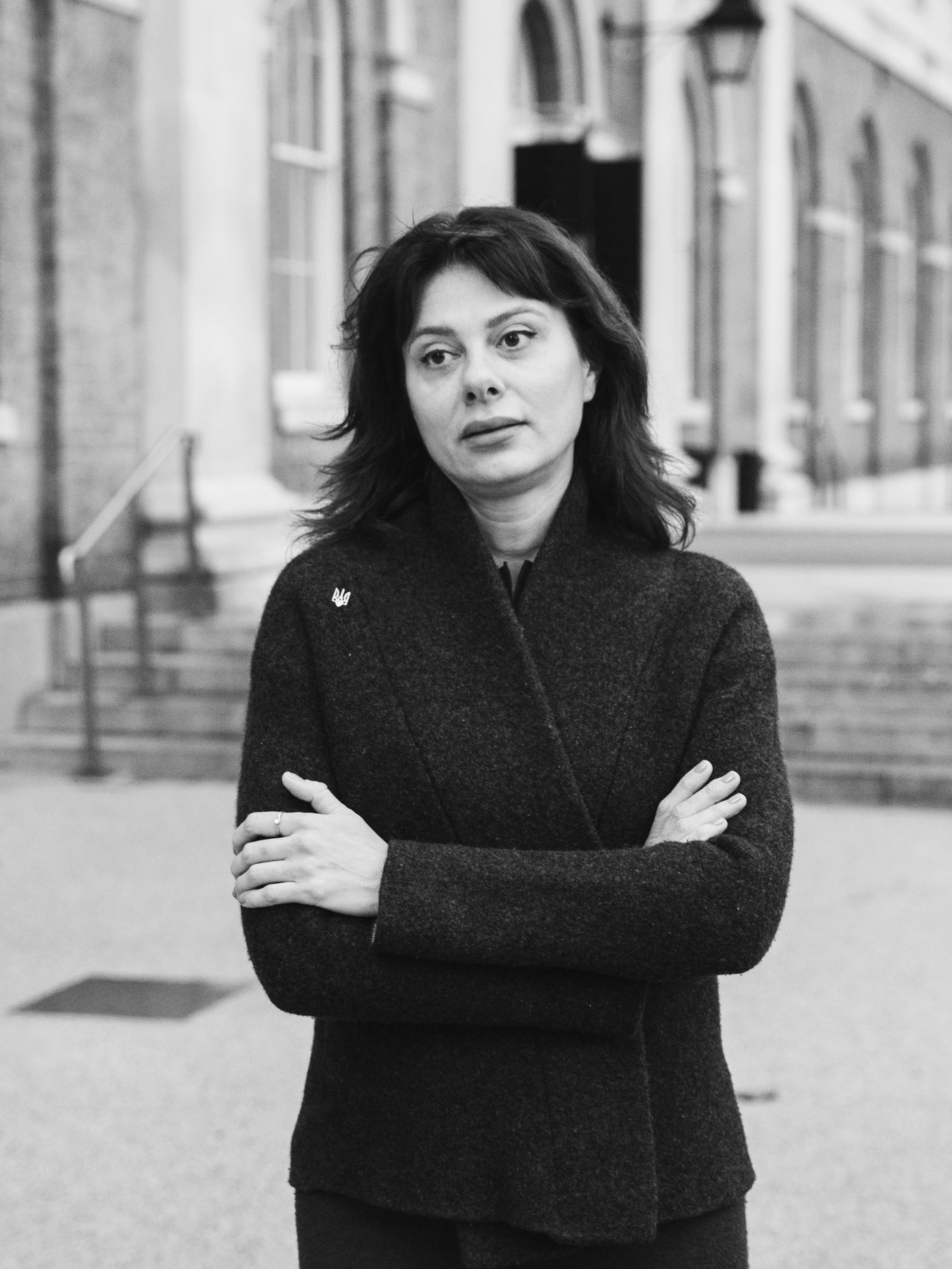
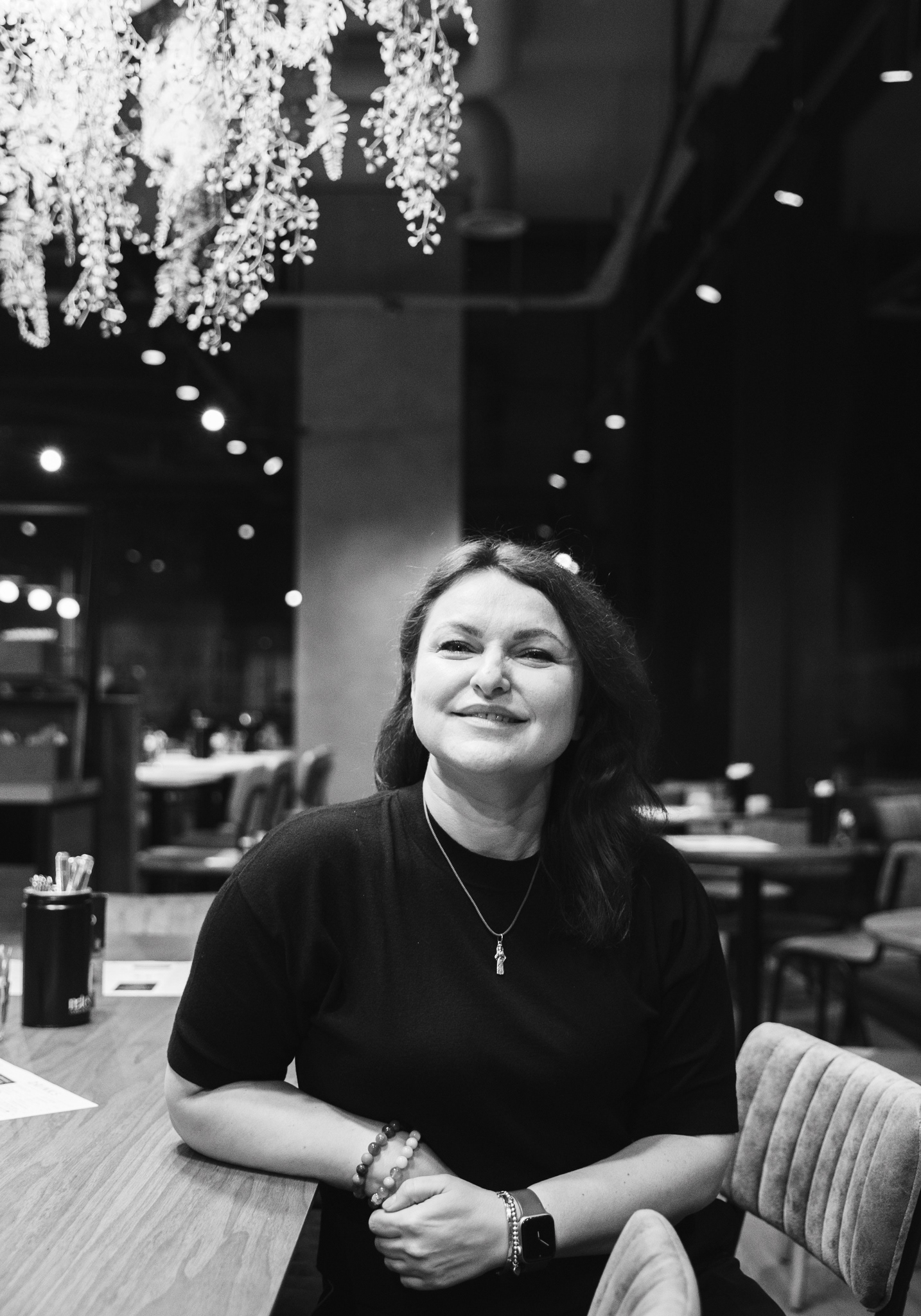
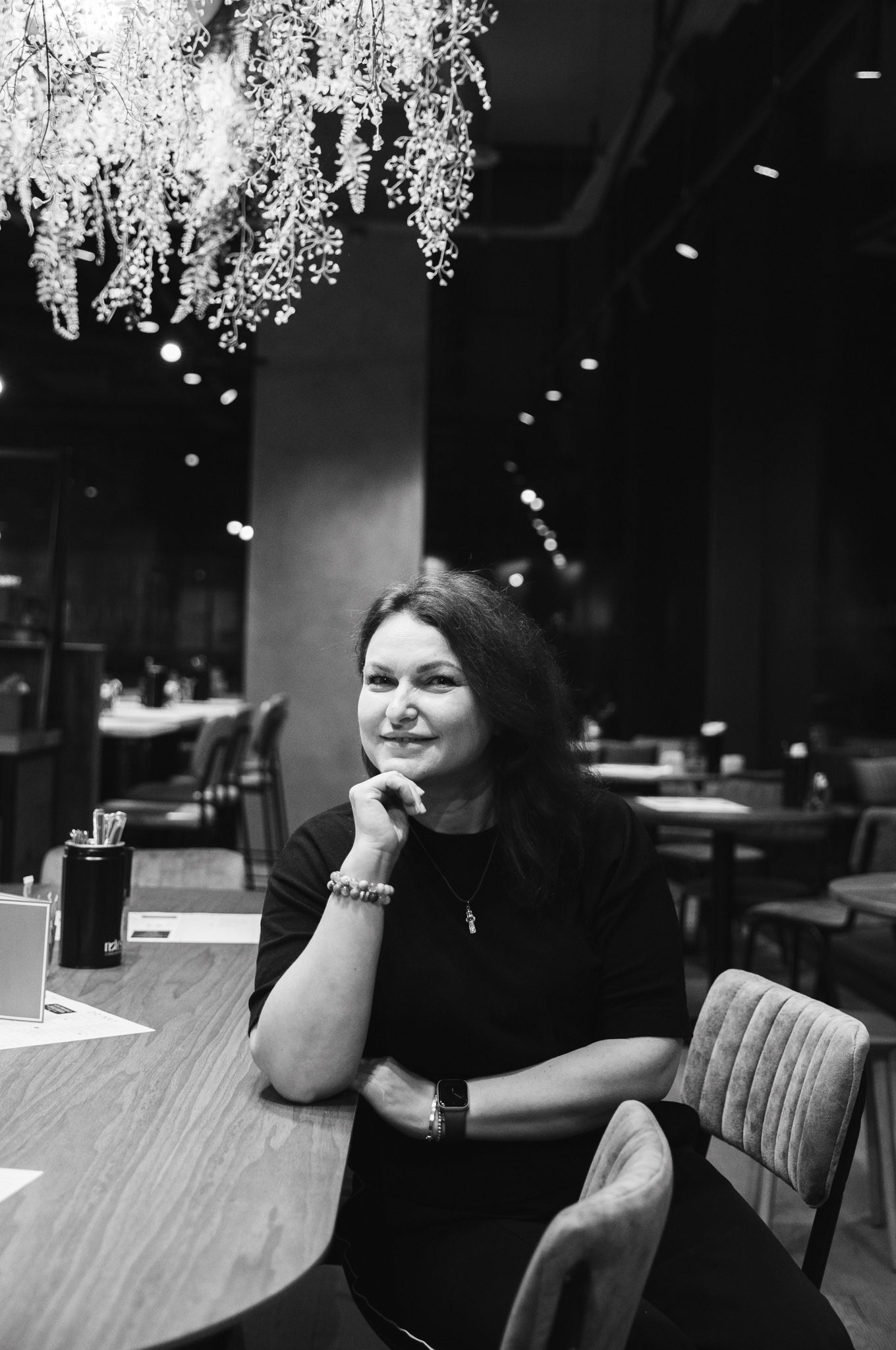
Today, Kateryna Spitkovska is a woman who isn't afraid to start from scratch. She believes in the Universe, in her mission, and that every path, even the most painful, leads to growth.
"I can see how much I’ve grown. This year, I finally feel like myself. As one of my pupils once told me: 'Kateryna Vasylivna, what you lack in language, you’ll make up for with charisma.' I don’t want to be a 'better version of myself.' We are the originals. I just want to grow beyond who I was."