A World Built of Love
Prior to 24 February 2022, Kateryna Polonska’s life was a masterclass in the harmony she had spent years cultivating. It wasn’t merely a "bubble," but a consciously designed space: a successful marketing career eventually transformed into deeply intentional motherhood, a reliable circle of friends, and a peaceful family home.
"I had been moving towards that point my entire life. I had enough of everything: personal growth, love, children. Even the pandemic didn’t shake my inner peace. My mind was so accustomed to the safety I had nurtured that it simply refused to believe in any threat," Kateryna recalls. Even a profound personal loss—the death of her mother in 2019—became a trial she navigated with dignity, unaware that an ultimate test of endurance for her entire nation lay ahead.
Algorithms Against Chaos
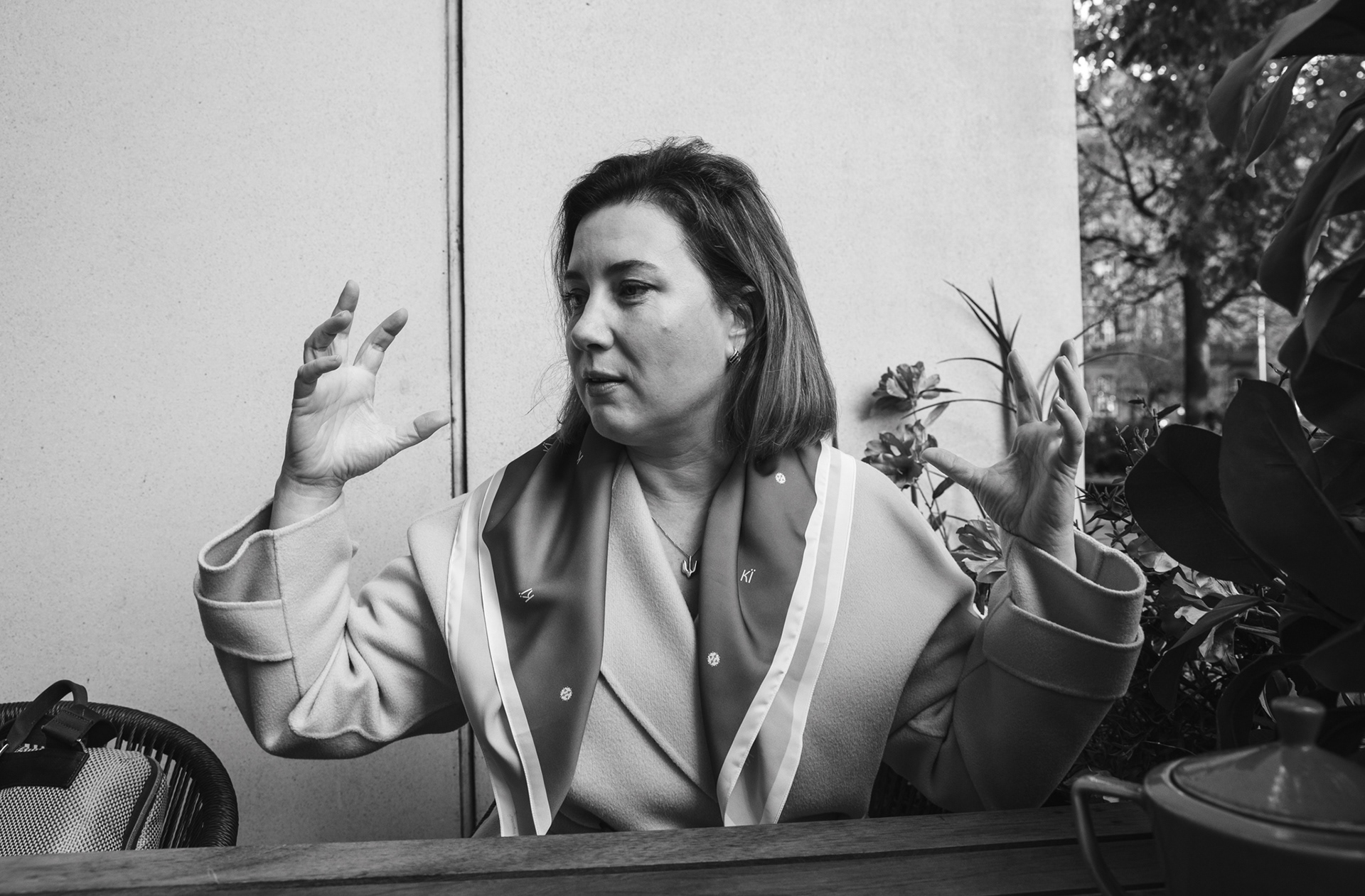
On 23 February, following an alarming phone call from a friend, Kateryna began to pack. As an experienced manager, she didn’t succumb to panic; instead, she converted emotion into action. In her suitcases, thermal base layers sat alongside dresses; swimsuits next to warm scarves.
"I didn’t know where we were going, so I followed the logic of preparing for any scenario. There was a strange internal silence: you just do what you must, as efficiently as possible. The brain froze to allow the body the capacity to act."
Twenty Minutes to Leave
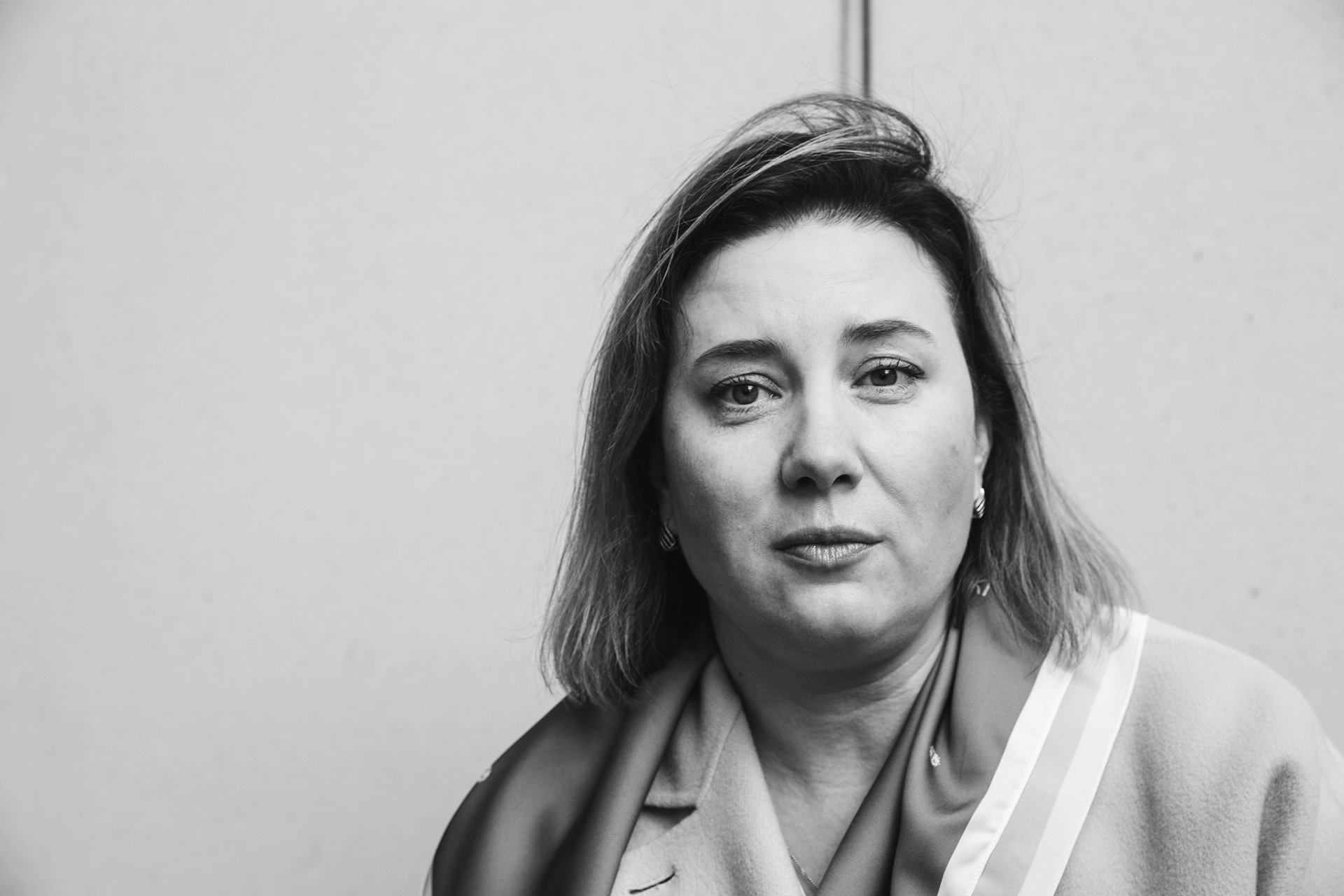
At five in the morning, her husband woke her with the words: "Wake up, it’s war." Their flat’s windows faced two directions: the Dnipro River and Boryspil. The sounds of explosions instantly turned a theoretical threat into a physical reality.
"We had a plan: if anything started, we would head to the Vinnytsia region. Within 20 minutes, we were in the car: with the parrots, two children, and four suitcases. The children handled it with surprising readiness—or so it seemed then. My 9-year-old son took a toy machine gun to protect the family, while my 12-year-old daughter, Anya, took her maths textbook because she had an exam scheduled for the next day."
Mission: Preserve and Protect
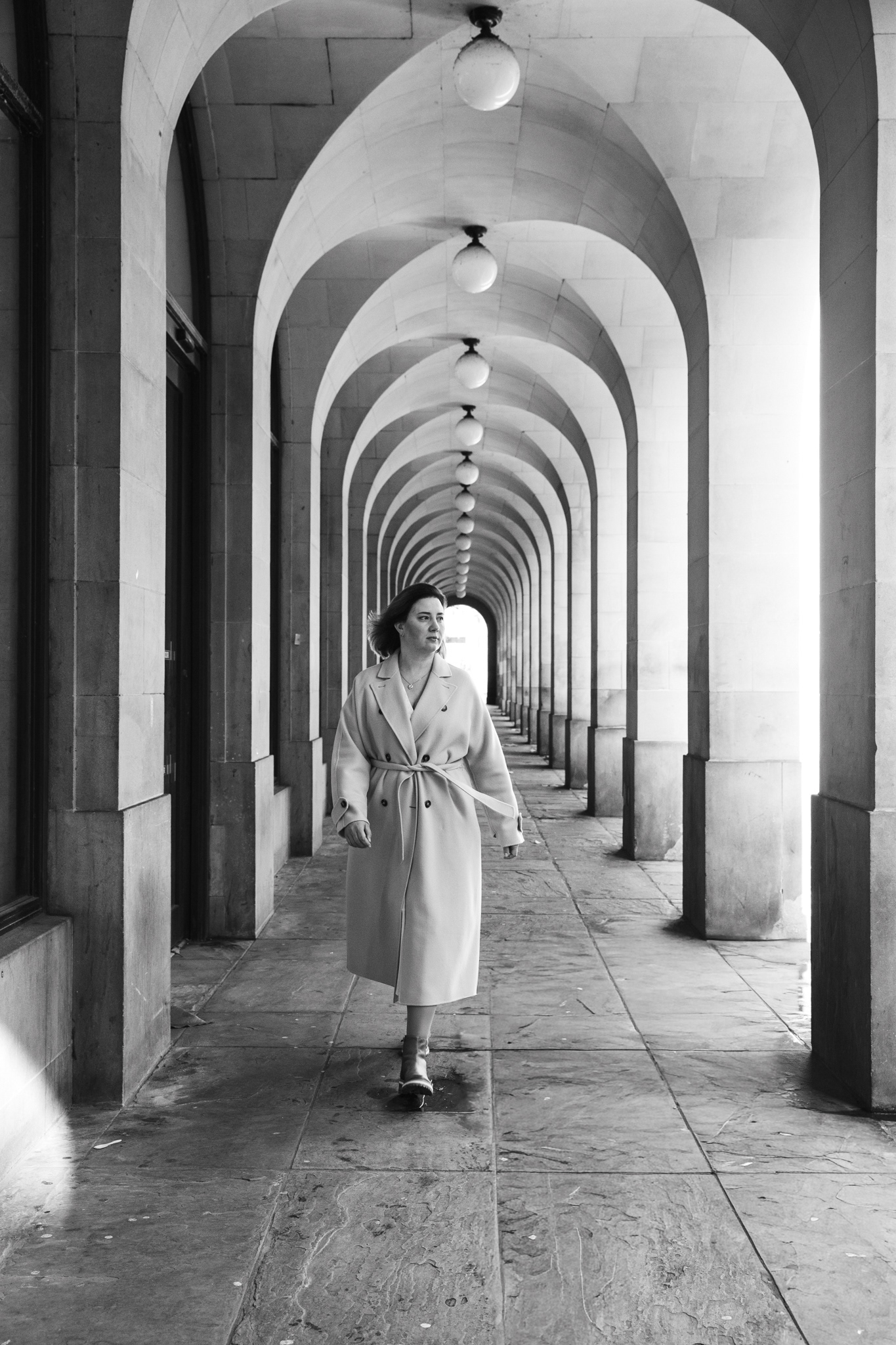
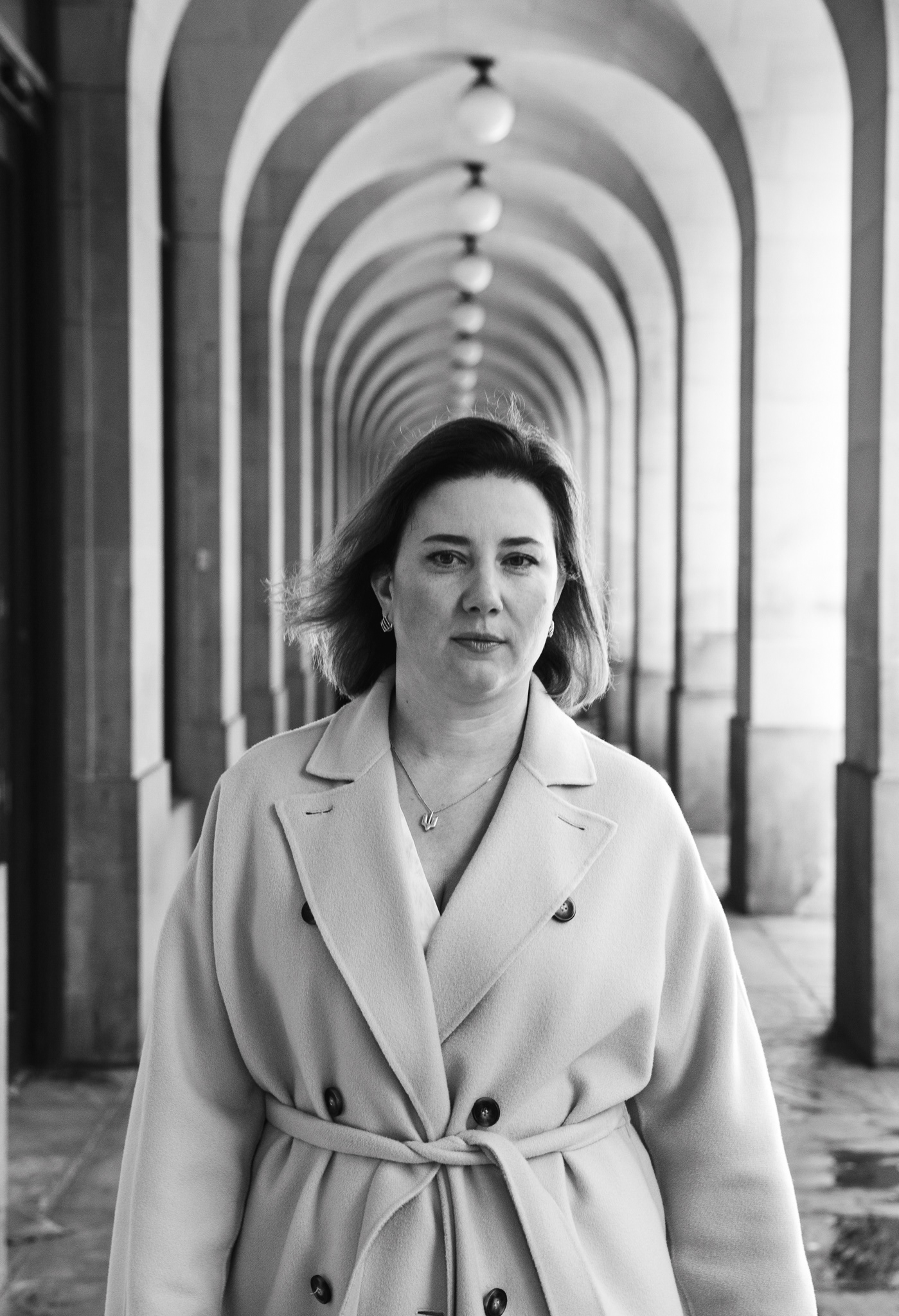
The journey to the border became a marathon of endurance. Kateryna describes this period as a "state of iteration"—when you don't have time to process the pain because you must be the instrument of salvation for your children.
"My husband acted decisively, pushing us toward safety like little kittens. Back then, I wasn't choosing a strategy; I wasn't deciding or choosing anything at all—I simply trusted him. Now I understand: that wasn't weakness; it was solidarity and the ability to act as a team for our collective survival." Ahead lay Slovakia, unfamiliar but kind-hearted people, and the difficult decision to move to the United Kingdom.
A Strategy for the Future
"While we were in Slovakia, I organised online school for them, music lessons, PE. I did everything so they wouldn't feel the war. To allow myself a cry, I first had to occupy every single minute of their day." The choice of Britain was a conscious step for the children’s future. "My husband insisted: 'This is the only thing you can do in this war—keep the children safe and give them an education.'" They arrived in Britain under the Homes for Ukraine scheme, finding sponsors via LinkedIn in just a few days.
The Diary and the Tart: Trauma Through a Child’s Eyes
Once in evacuation, Kateryna happened upon her daughter’s diary. It was documentary evidence that the children understood everything. "She had been drawing from the moment we left the flat: the parrot, the road, a coffin with 'Putin is a ****' written on it. She switched from Russian to Ukrainian right there in those entries. But the real emotion exploded over a trifle. She baked a tart, and it slipped from her hands. She sat on the floor and sobbed as if a loved one had died. It wasn’t about the tart—that was her entire war coming out."
BeBook: Rebirth Through Action
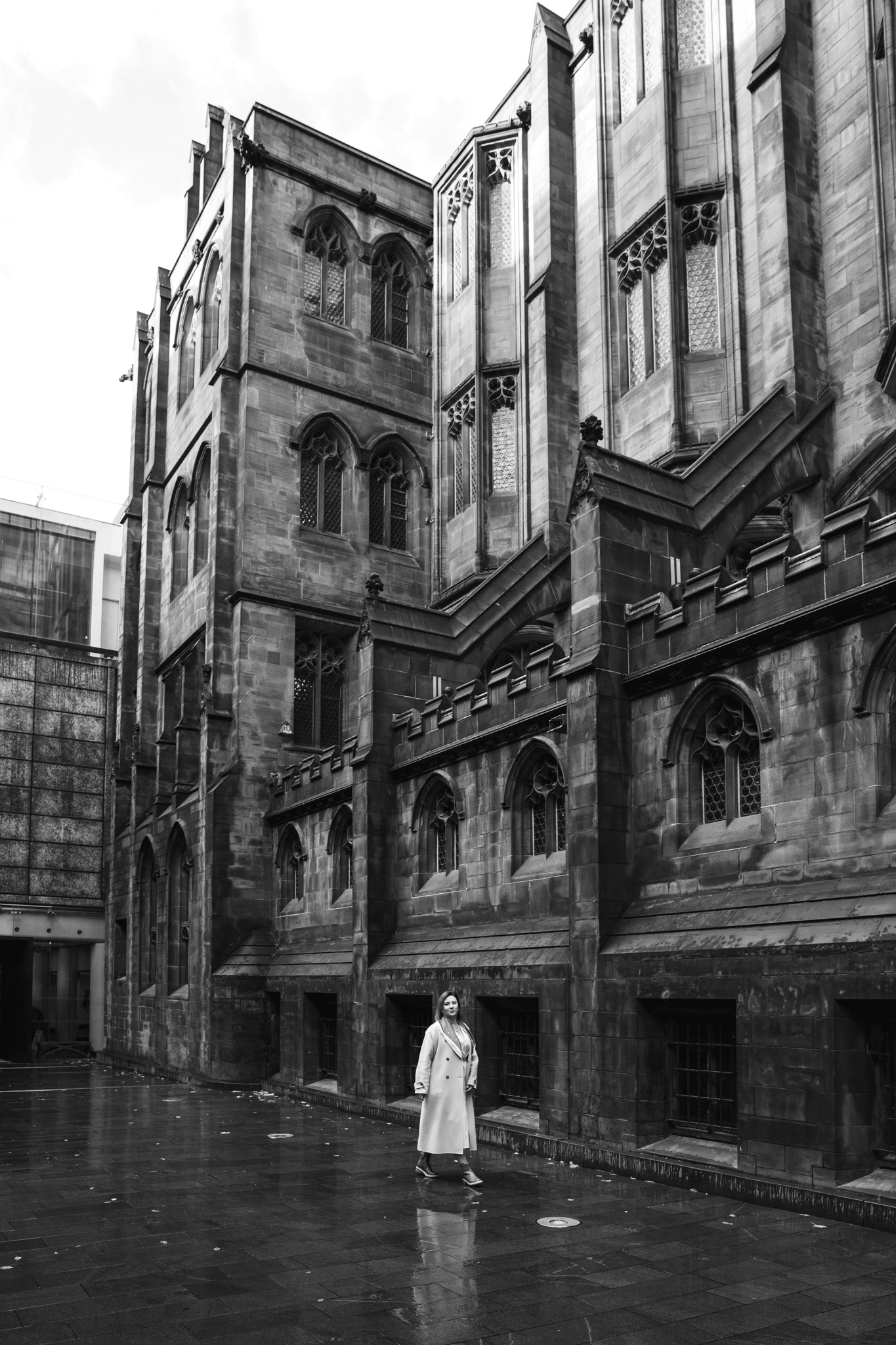
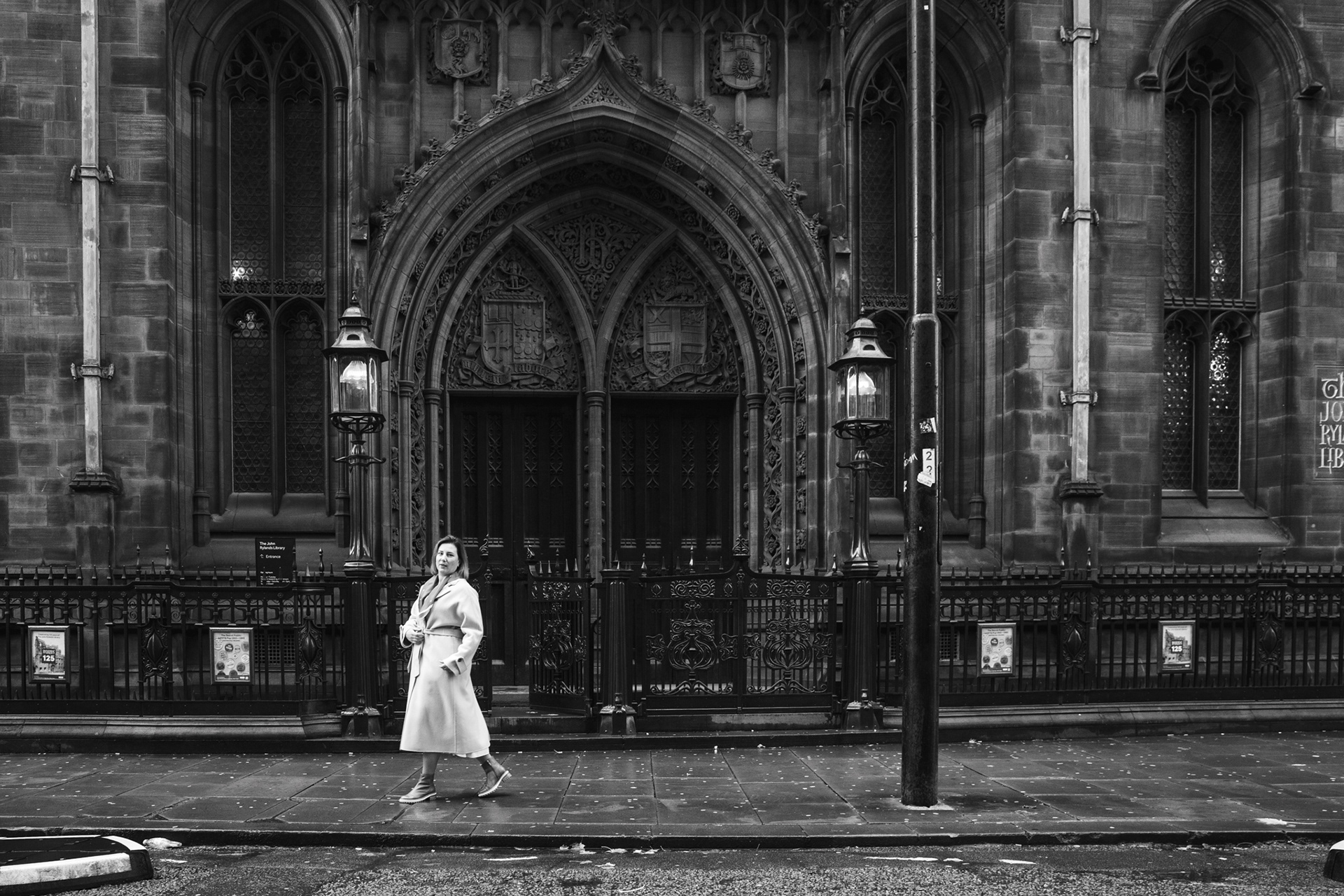
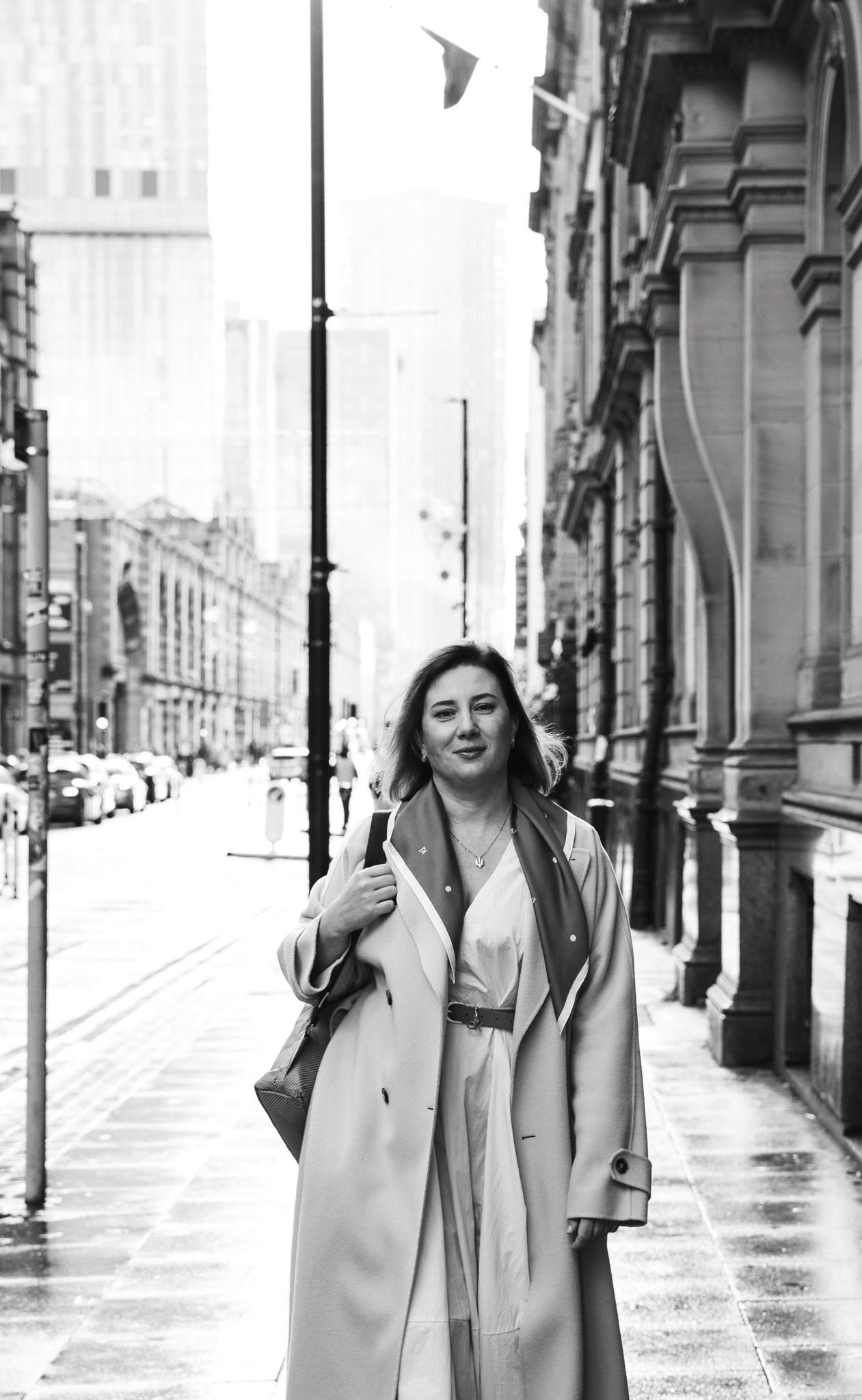
In the small town of Nantwich, Kateryna began to find a new footing. Her "inner manager" demanded action. It started with a Ukrainian shelf in a British library—700 books, workshops, and exhibitions by Ukrainian teenagers held in English to bridge the two cultures. Then came BeBook—a project sending English books to children in Ukraine and supporting Ukrainian libraries both at home and in the UK.
"I realised: for the British to support us, they need to see us not just as victims, but as a nation of intellectuals. When I collect books to send to Bucha, Zaporizhzhia, or the liberated parts of Kherson, I explain: books are an intellectual resource during wartime. This is my soft power. I am changing the perception of us: we aren't 'poor people fleeing'; we are a proactive nation—intelligent, professional, and creative." In 2025, the BeBook project delivered over 10,000 books to Ukrainian communities.
The Inner Vacuum and the New Shell
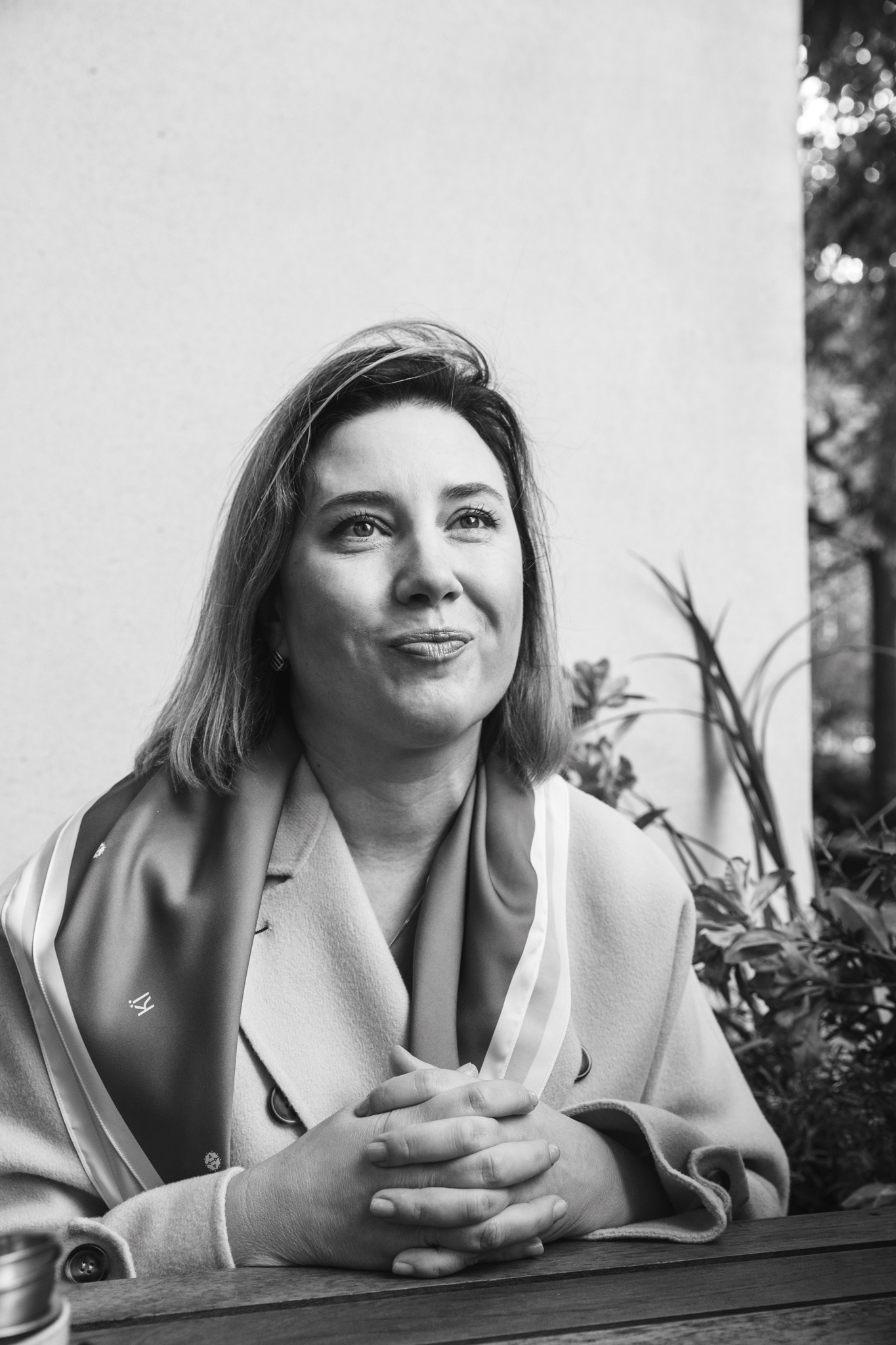
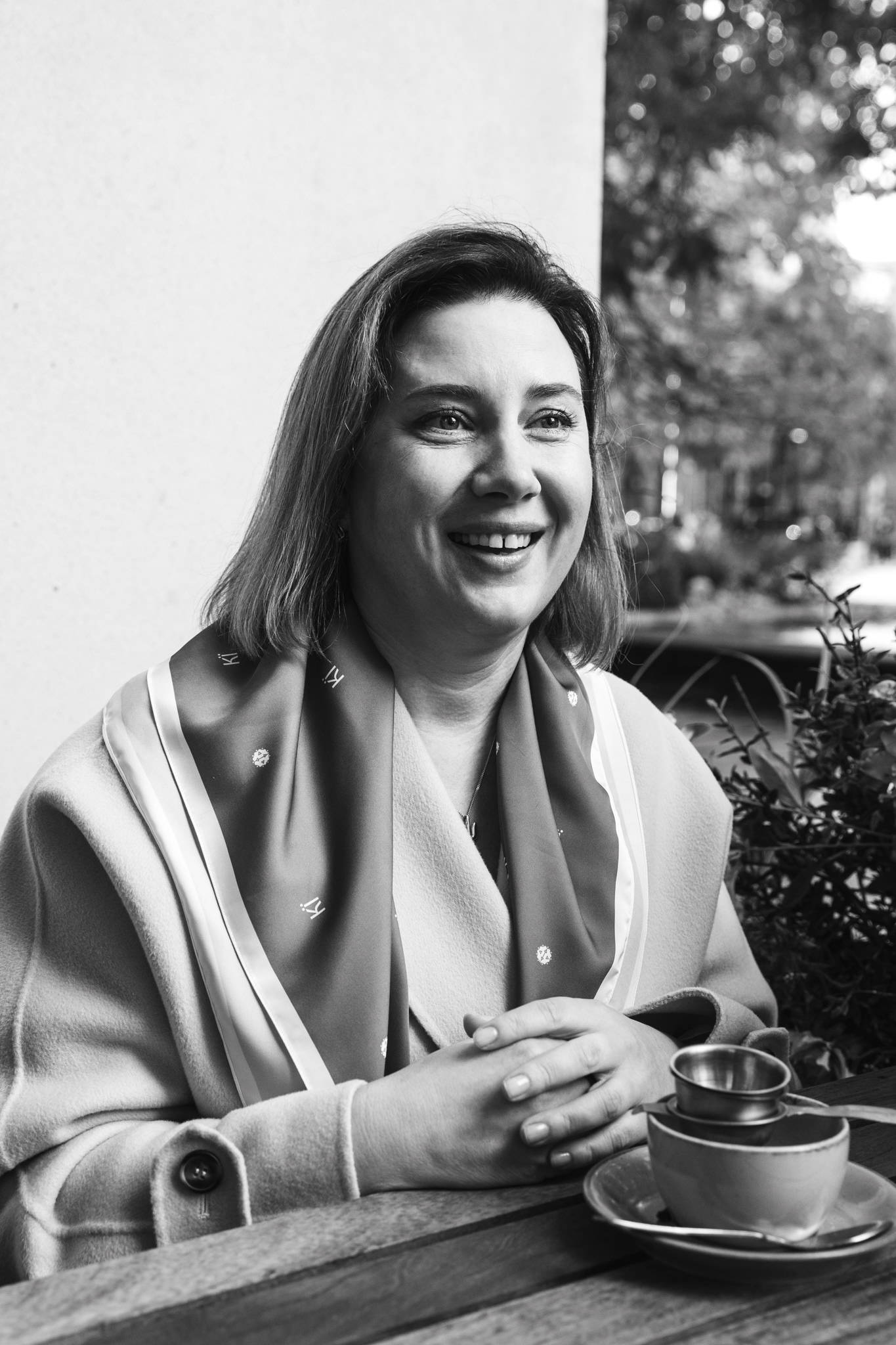
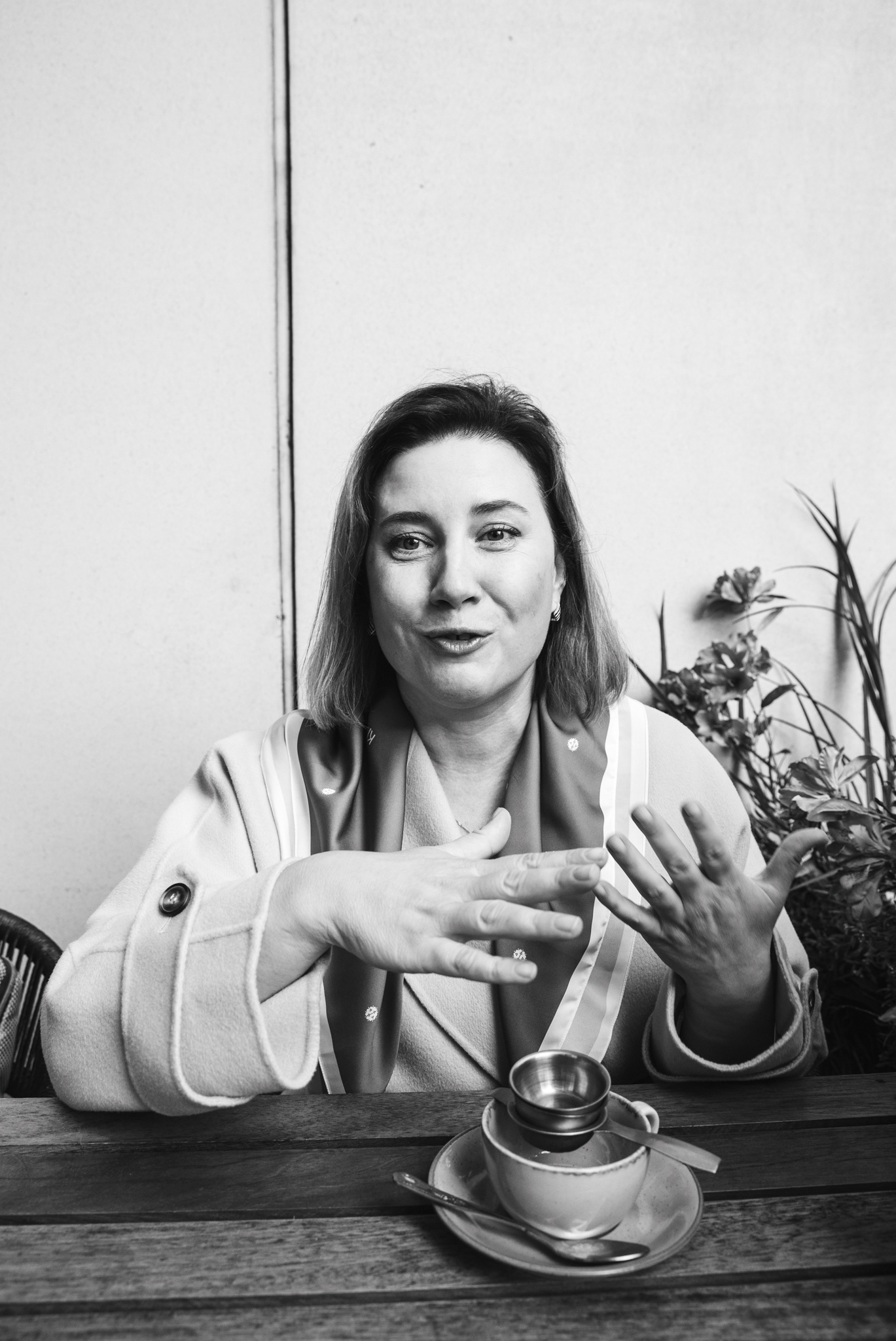
Despite the successes—her daughter winning a scholarship, her son becoming a leader at school—Kateryna is honest about her internal state. "I call it an inner vacuum. It’s not anxiety, but an absence of peak emotions. The psyche has switched off everything non-essential so you can simply function. When I hear 'it’s easier for you over there,' I feel a resistance. There is no yardstick for pain. We lost our social capital, our sense of home, our loved ones. We are snails who have crawled to a new place, and a new shell is only just beginning to grow over this vacuum."
The "Here and Now"
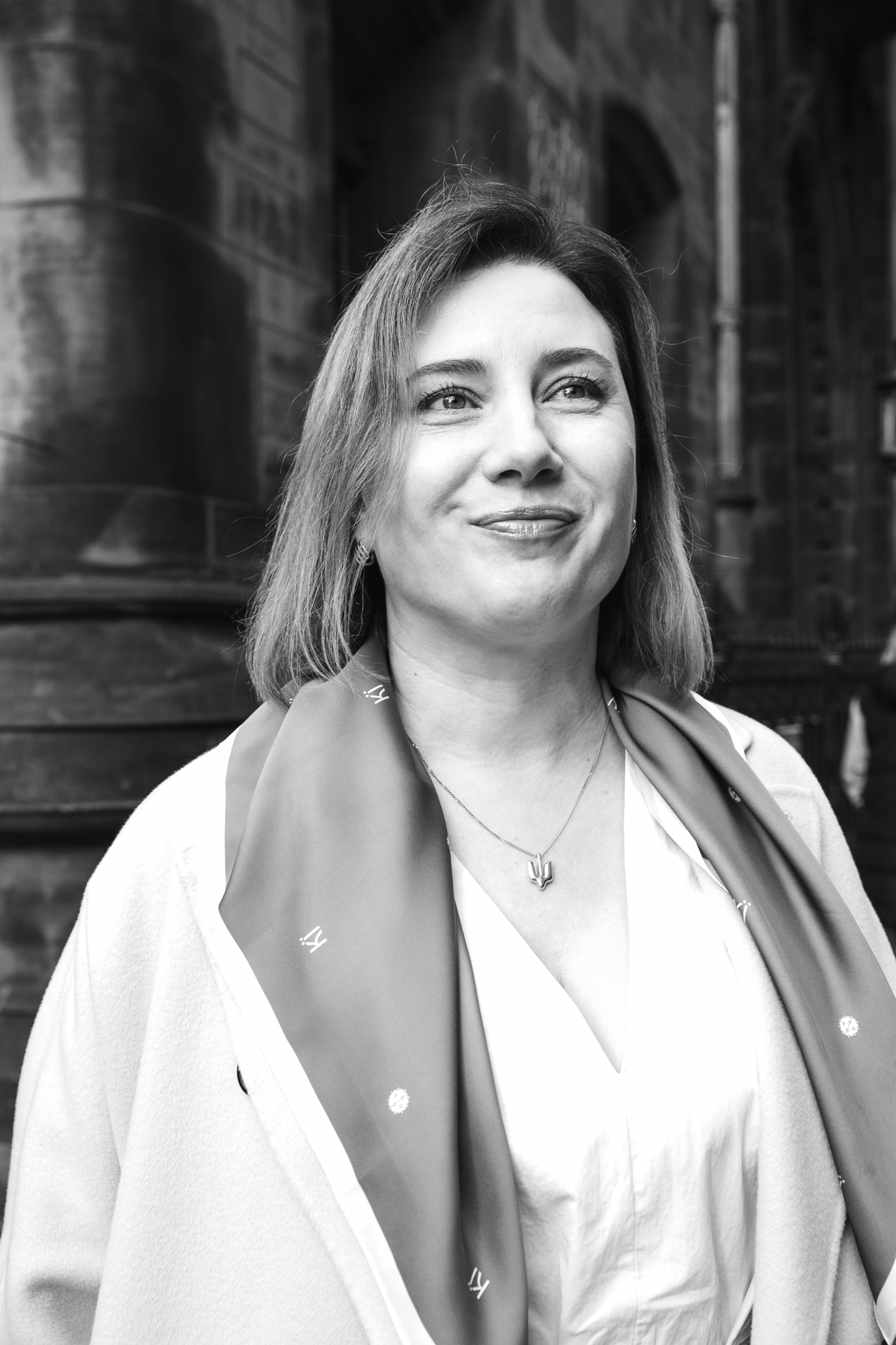
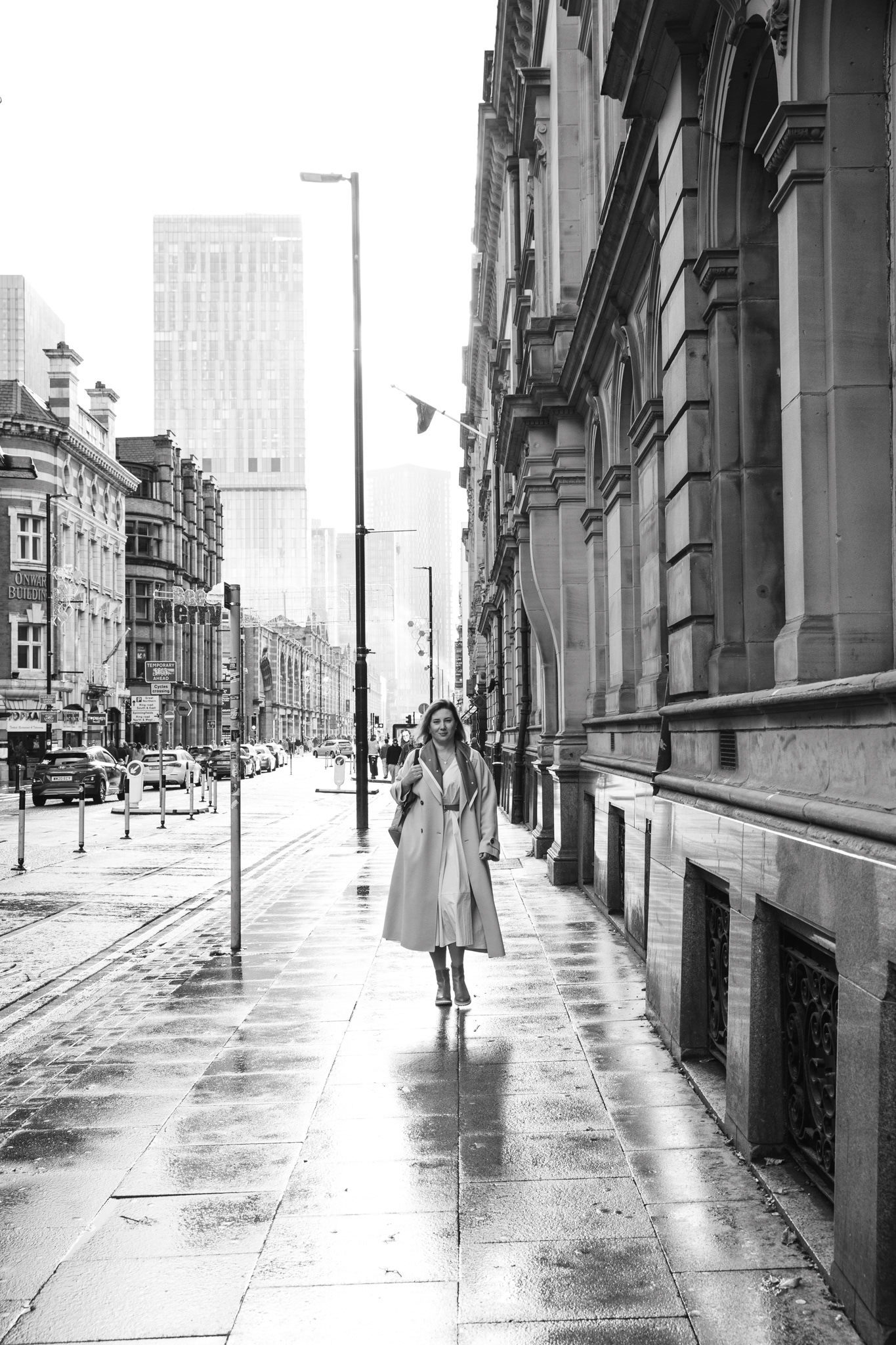
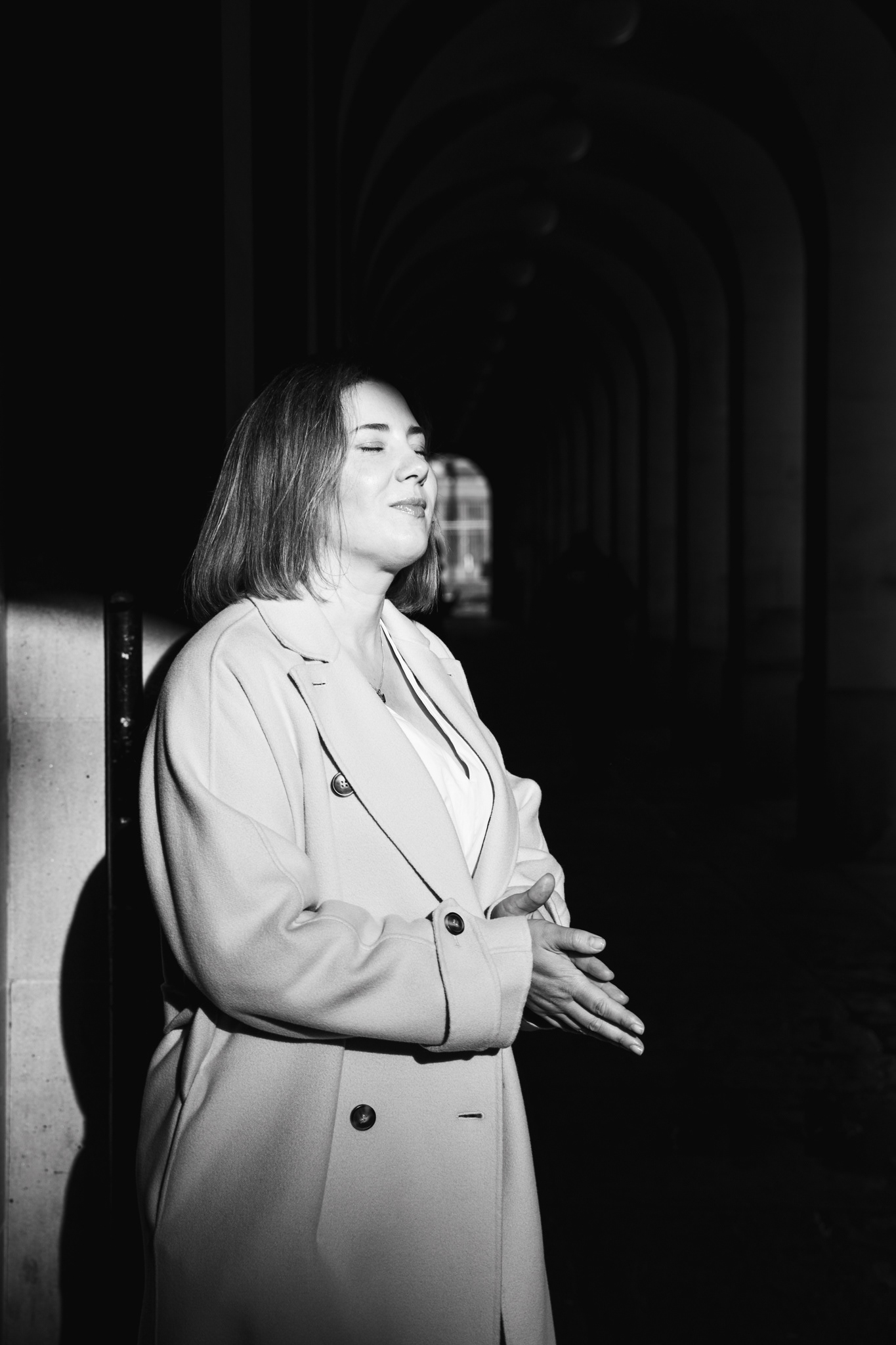
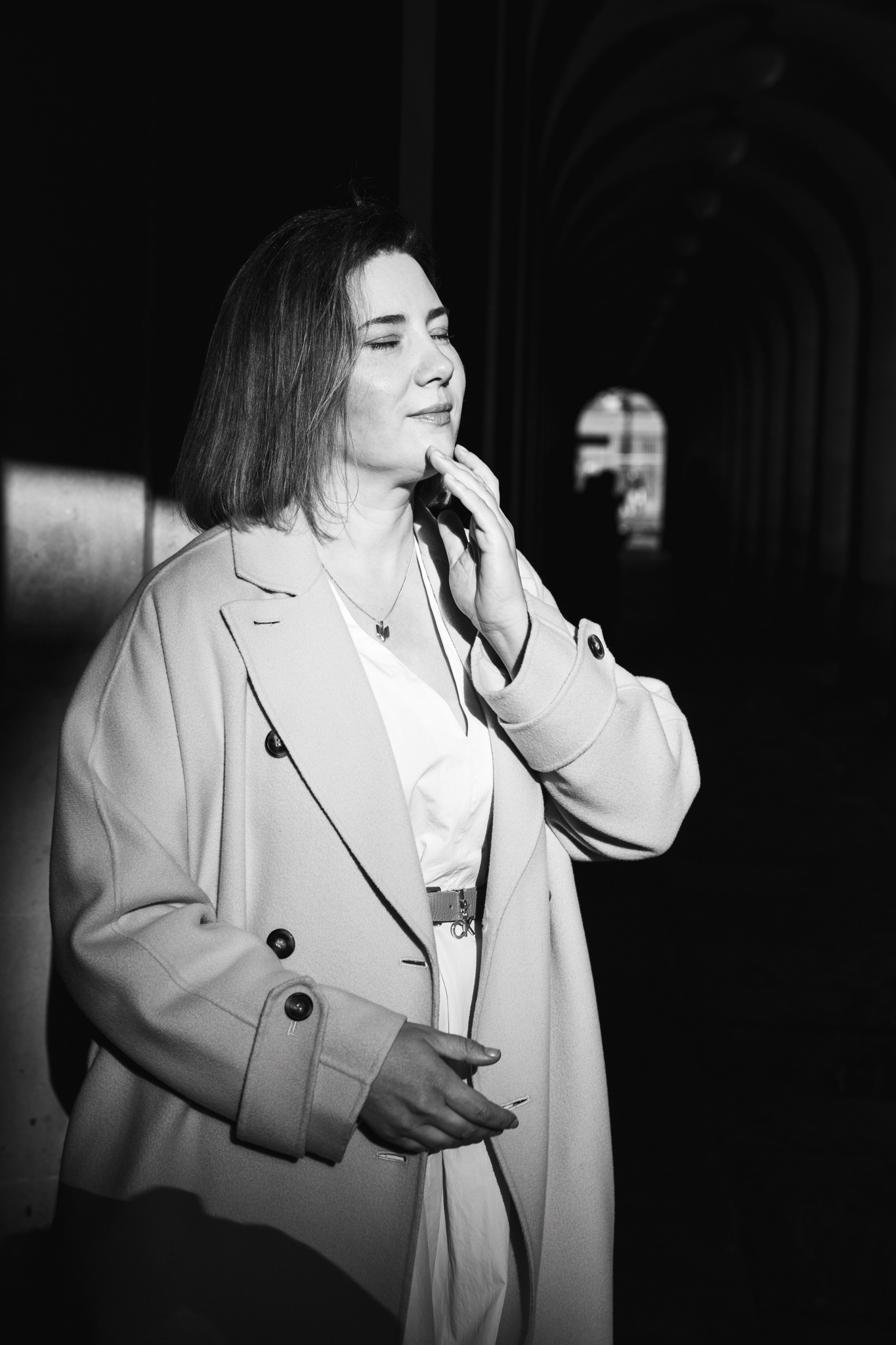
Today, Kateryna is studying at a British university, updating her marketing knowledge and growing BeBook. She no longer looks for herself in the past.
"A friend told me: 'There is no past or future. There is only the point where you are right now. Make your decisions there.' It’s hard, but I keep moving. I am no longer just a person seeking safety—I am the manager of my own life and transformation. I am building a new shell for my family, filling the vacuum with new meaning."