Premonition and the Scent of Syrnyky in the Void
For Snizhana Zahorodnia, the war did not begin on 24 February. It started earlier—with conversations that settled into their new Kyiv flat and slowly filled it with anxiety. Life before the invasion felt complete and right: a defended PhD, a President of Ukraine award for scientific achievement, trips abroad, a fresh renovation. Alongside her husband Igor, also a scientist, they were building a future at the National Academy of Sciences of Ukraine.
"It started about a month before everything. We had only lived in the new flat for six months; we’d designed it entirely for ourselves. We had just returned from a holiday and celebrated the New Year. But from late January, my husband started asking: 'What will we do… if there’s a war?' He was bracing himself. I kept repeating: 'No, don’t be silly. Nothing will happen. It’s impossible.'"
Denial did not cancel out her intuition. The rational part of Snizhana forced her to act silently. Two weeks before the invasion, she gathered a folder of documents—passports, certificates—and placed it in the wardrobe. No explanations. It was insurance against her own words.
On 20 February, at a friend’s birthday party, the tension became palpable. One guest spoke of stockpiling petrol cans. Another, an IT specialist, confessed he was flying to Poland the next day. Something unspoken hung in the air. Even then, believing in an irreversible catastrophe felt like an exaggeration. But that was the last birthday celebrated with that close-knit group of friends.
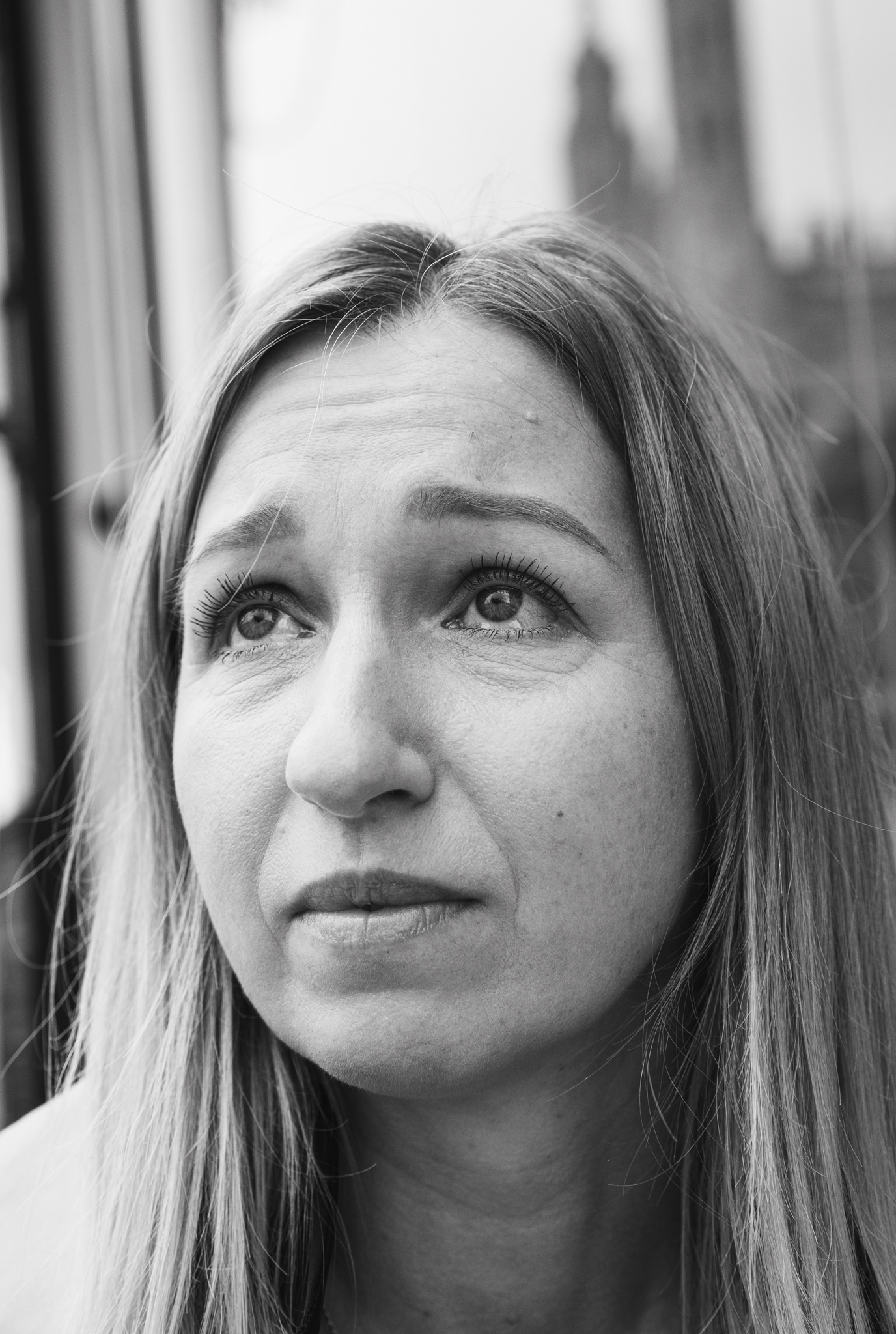
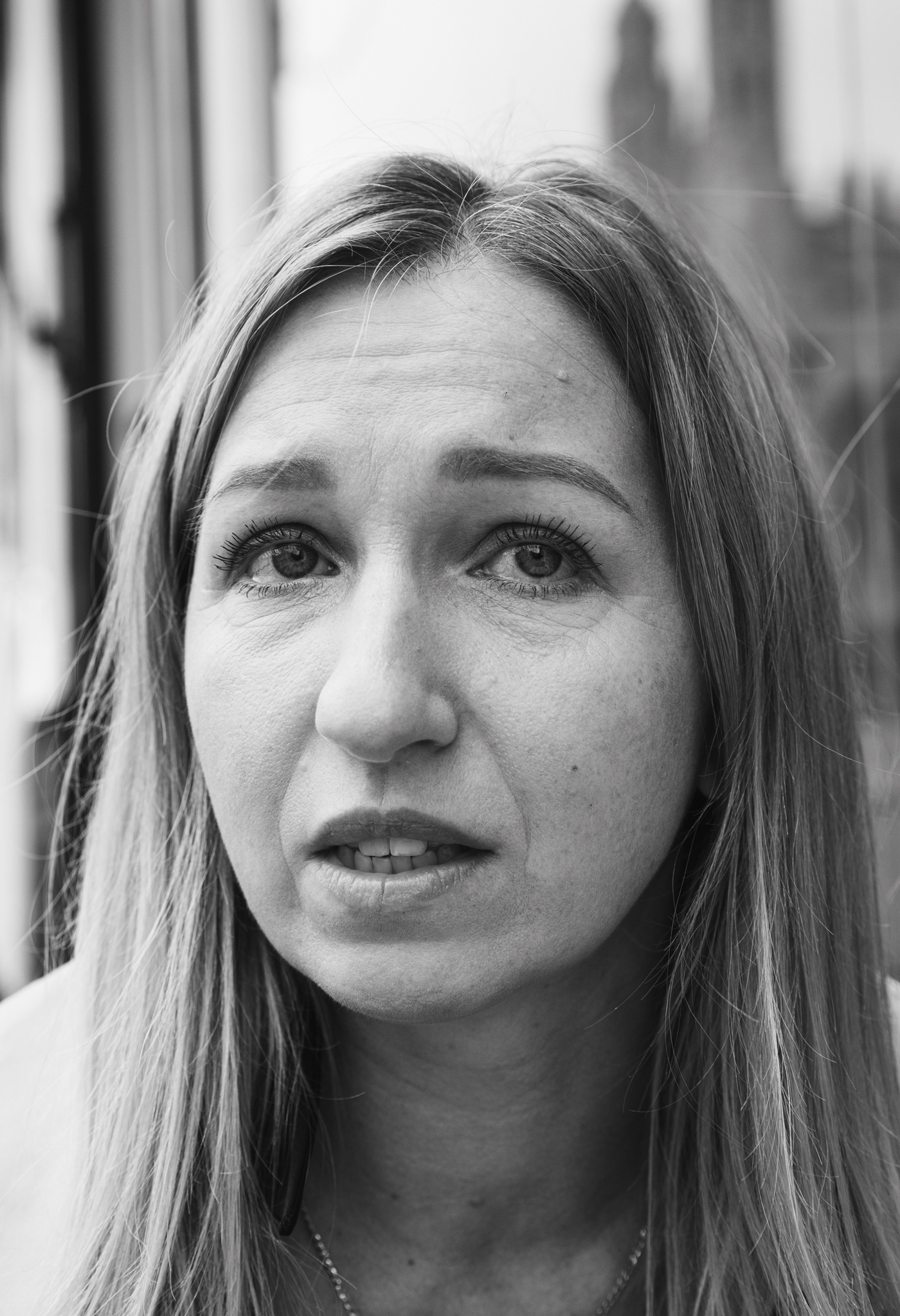
On the night of 24 February, Igor didn’t sleep; he was watching the news. Around 4 am, he entered the room. "Do you hear that explosion?" A pause. "Pack something. I’m going to the petrol station before the queues start."
Snizhana didn’t understand where to go or how to do it. In that state, she went to the kitchen and, at 5 am, began frying syrnyky (cheese pancakes). Not out of hunger, but out of a need to hold onto something familiar. Her only clear thought was simple: the child must not be hungry.
While the kitchen filled with the smell of curd cheese and hot oil, the usual silence outside was breaking. As the family left the building, a crowd had already gathered: people with children, bags, pet carriers, and dogs. Amidst the roar of engines and shouting voices, Snizhana understood clearly for the first time—this wasn't anxiety. This was reality.
Evacuation: Five Hours Across the Dnipro and a Call from Crimea
The first person to call Snizhana was her uncle from Sevastopol. His words were brief: "It has begun." He knew before those in Kyiv because he saw the planes taking off from Crimea towards mainland Ukraine. He was crying; his son and family lived in Irpin, and he was terrified for them. That is another story, though—currently, Snizhana’s brother is serving in the Armed Forces of Ukraine.
Then came the calls to parents… many tears, fear, and a struggle to grasp the reality.
The biggest challenge was evacuating Snizhana’s twin sister, who lived in Osokorky. Her husband, a serviceman, had already received a call-up text, but they hadn't reacted yet—they were simply asleep.
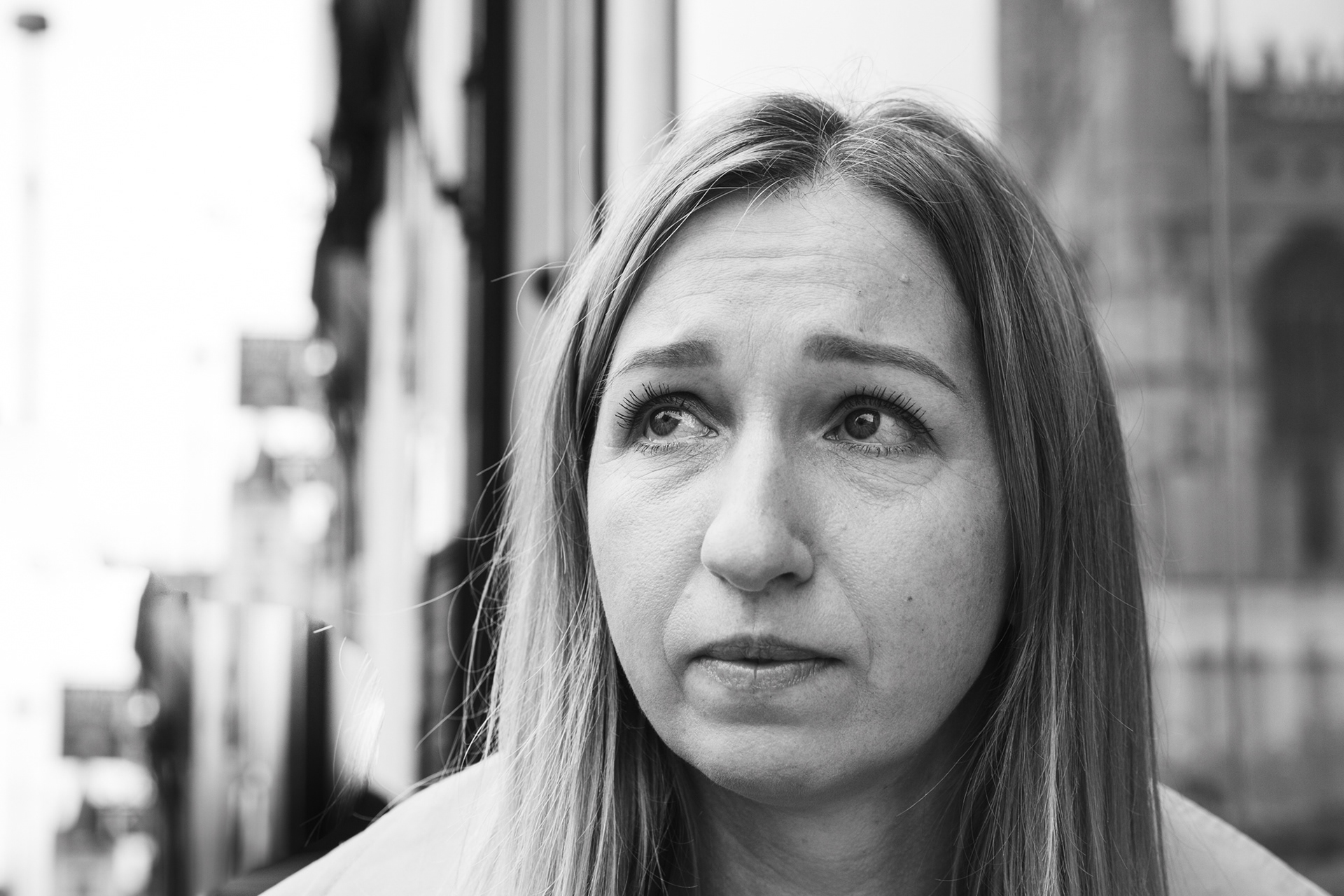
"She finally picked up on the fifth attempt. I could hear her husband nearby... 'What are you shouting about at 5 am? What's wrong?' She was annoyed. I said: 'Ruslana, the war has started.'" Her husband checked his phone and understood immediately. They had to pick her up so she wouldn't be left alone on the 20th floor of a high-rise.
Meeting her sister on the outskirts of Kyiv was like a scene from a thriller. The city was gridlocked. To make it to his post after handing over his wife, the sister's husband had to reverse down Peremohy Avenue against the flow of traffic. The encounter lasted a second. Snizhana’s sister, the wife of another friend, and a cat piled into the car. It was cramped, but it was the only way to safety. They decided to head to Western Ukraine, eventually settling in the Ivano-Frankivsk region.
"I wasn’t set on going abroad for a single minute. I kept waiting for it to end in a week, two, a month. We lived with relatives in the Frankivsk region until April—one big family. But my husband kept saying: 'This isn't just for a day, you don't understand.'"
Return to Ruins and 'Mystical' Documents
While the family was in the west, the war reached their home. On 20 March 2022, a Russian missile hit the 'Retroville' shopping centre, less than two hundred metres from their flat. The building's security guard called with a brief update: the blast wave had blown out the balcony doors. Compared to their neighbours, they were lucky.
The decision was made: they had to go abroad. Igor looked for a way to move the family to safety, and at that time, the UK had opened its doors to Ukrainians. Igor had a close friend living with his family in London; together, they began searching for a host family. Before leaving for Poland, Snizhana and her husband decided to stop in Kyiv to collect their things.
"The flat was freezing. We saw the balcony doors had been torn off their hinges by the blast; they were just leaning against the opening. And my syrnyky… they were still there in the same pan—the ones I started making on the 24th. I had to wash everything, throw it all away. We stayed for one night, propped the door shut with a table, and left."
The flat felt abandoned not just physically—time had stopped there. It was no longer a place where they could stay. The dream home of a young family…
Crossing the border was another ordeal. Igor had previously survived cancer. Although his official disability status had expired by then, all his medical records were preserved. He required regular check-ups as his type of tumour was rare and monitoring was essential. He reported to the recruitment office, was registered, and received permission to travel abroad for medical treatment.
"Nobody believed he would get that permission. It felt like a miracle."
They went to Krakow and stayed for a week with the friend whose birthday they had celebrated on 20 February. They were in a state of limbo. Initially, only Snizhana was granted a UK visa. They had to wait longer for their daughter and Igor. A week spent living out of suitcases, surrounded by foreign walls, with the realisation that returning home was postponed indefinitely.
Cambridge: An Academic Challenge and Three Rucksacks
The journey to the UK was chaotic. The family had several options—scholarship offers from Israel and Finland with guaranteed funding and housing. But Igor dreamed of Britain. Firstly, it was a childhood impression; as a teenager, he had attended a conference in Oxford with his scientist father, and since then, the country had symbolised science and continuity for him. Secondly, his close friend Yevhen had lived in London for over a decade and could help with the practicalities of adaptation.
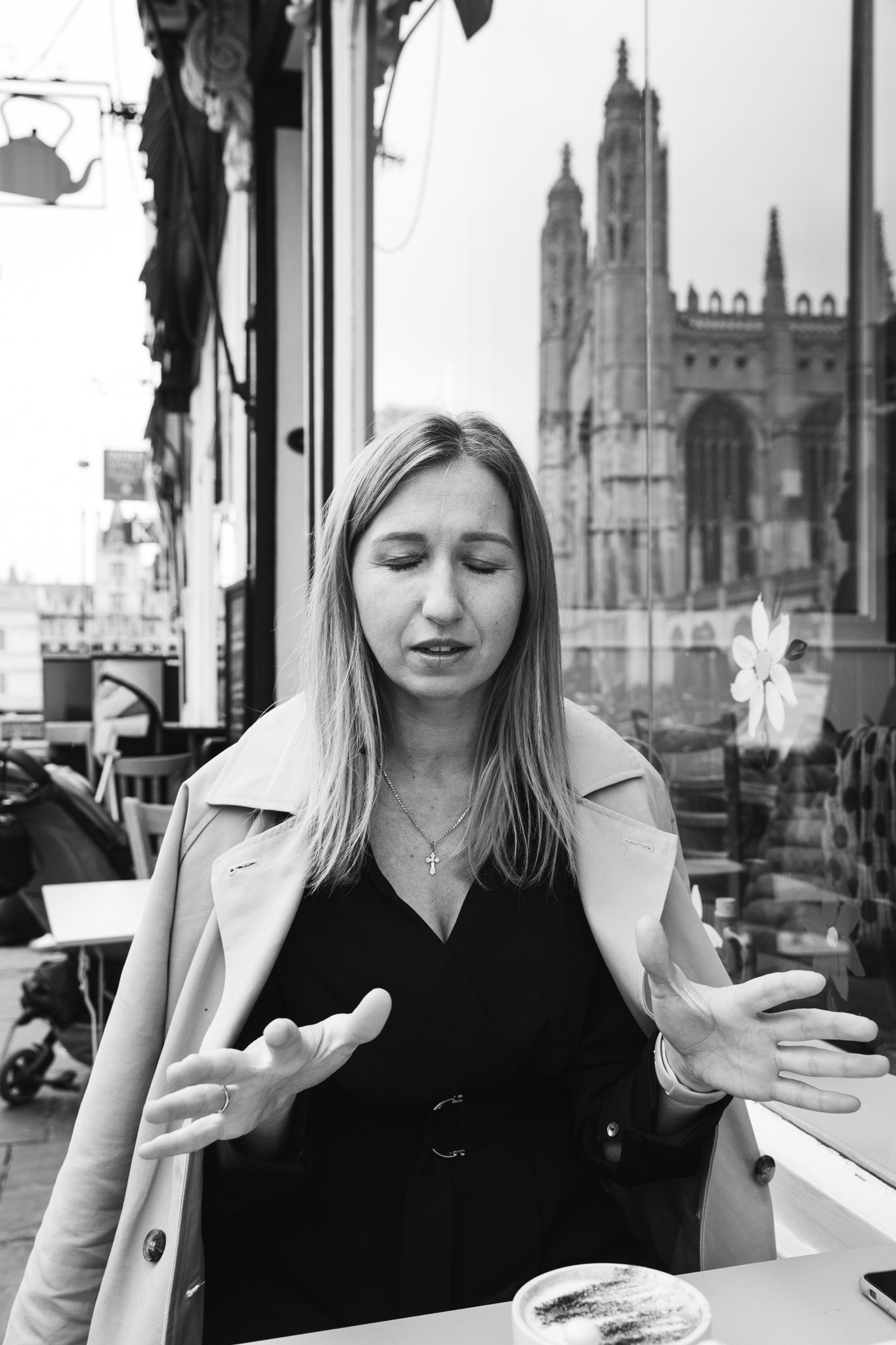
Through Yevhen's children’s school groups, they found Tony and Chris Williams, an English family looking to host a Ukrainian family. They were based in Cambridge. For Snizhana, despite her academic background, the prospect was met with a physical fear: the language barrier.
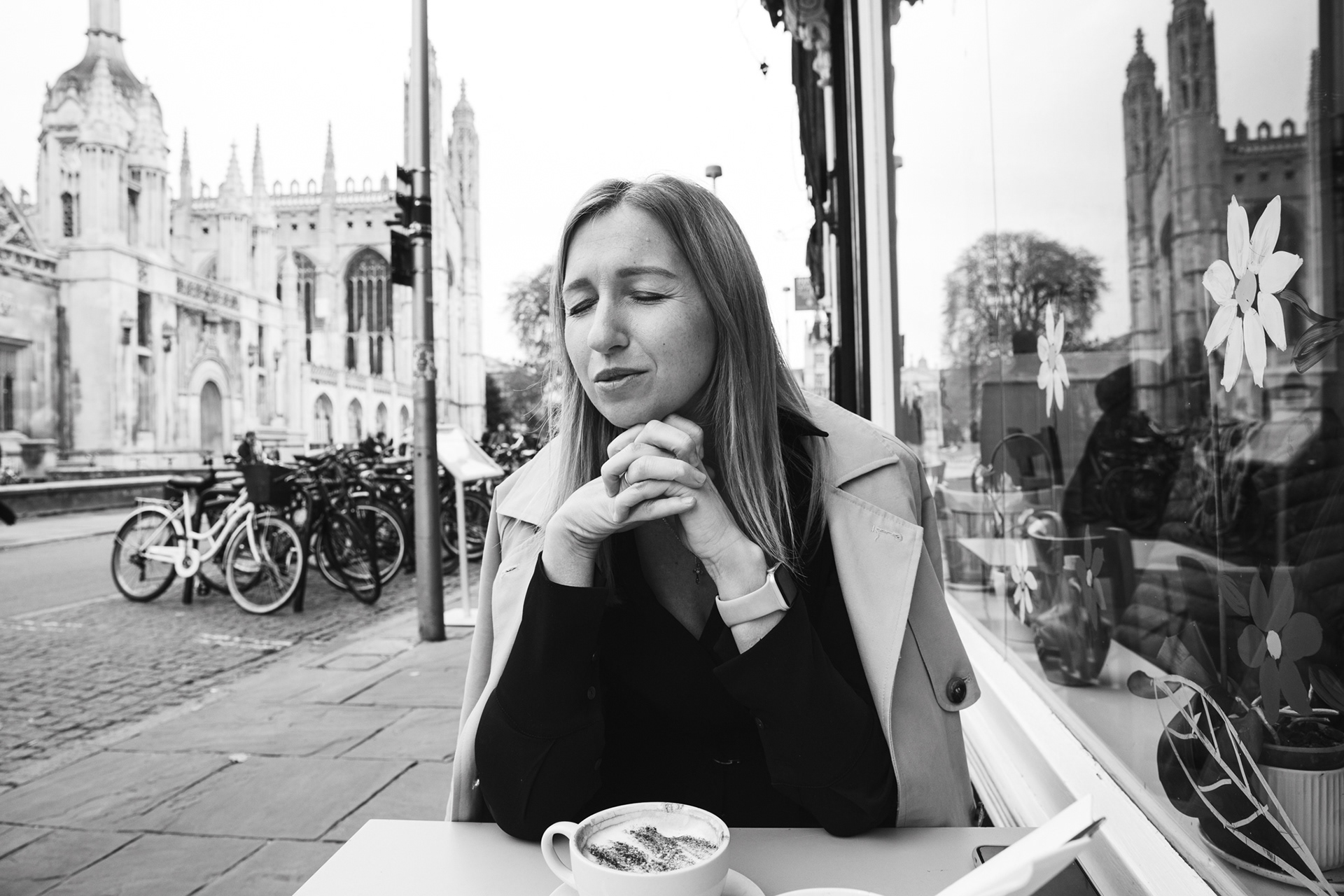
"I was so against it that I didn't even want to do the introductory Zoom call. I said: 'No, I won't do it. I don't know English, I'm not going to the UK.' But somehow, it all fell into place. The paperwork was done, Igor and Tony stayed in touch, and we waited for the visas. On 1 May 2022, we moved from Krakow to Cambridge. We managed to get free plane and train tickets. The journey took about 6–8 hours, and then we were at Cambridge railway station… in total uncertainty about the house, the conditions, or the people. Just as our English family only knew that we were a family from Kyiv."
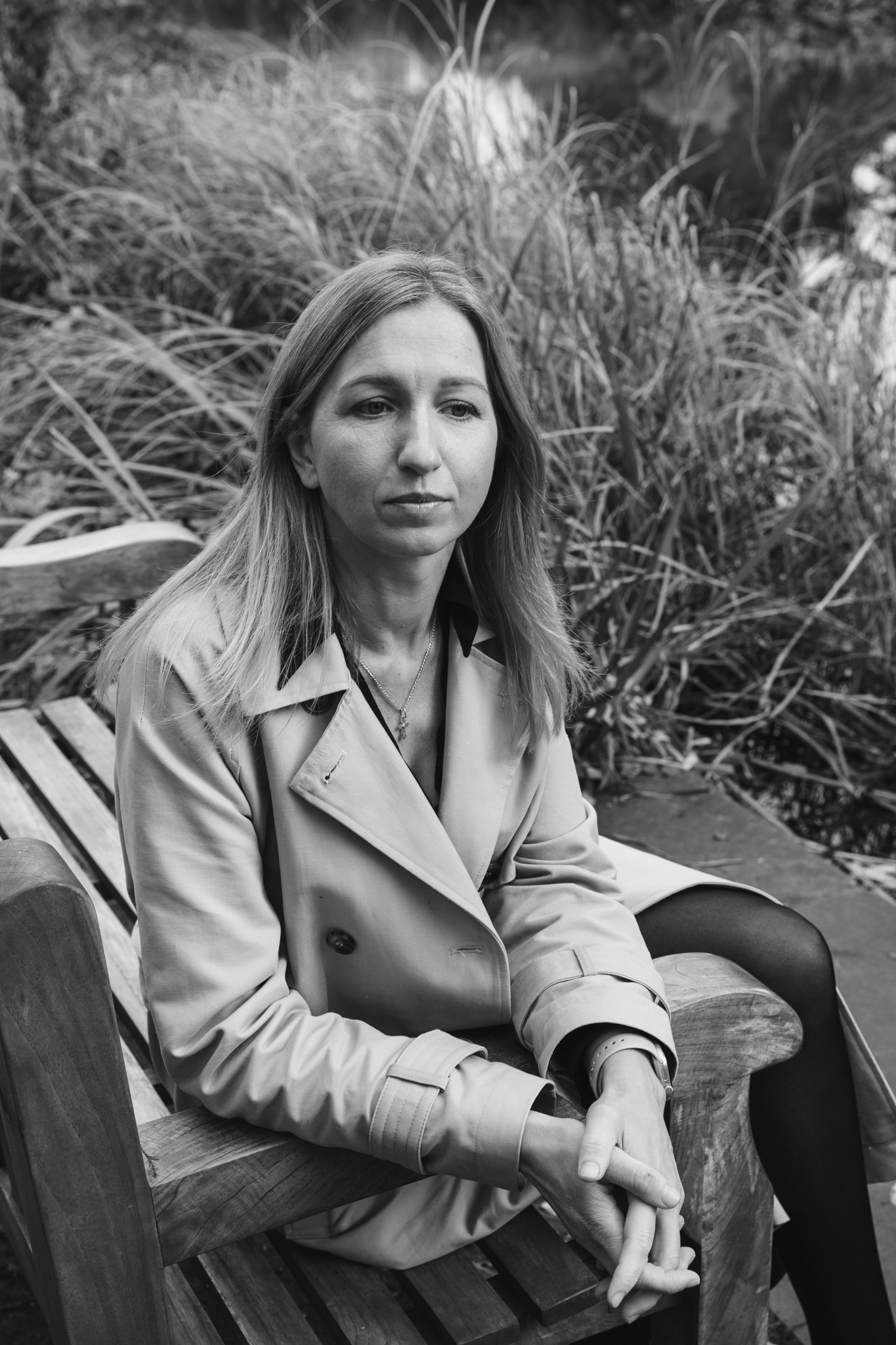
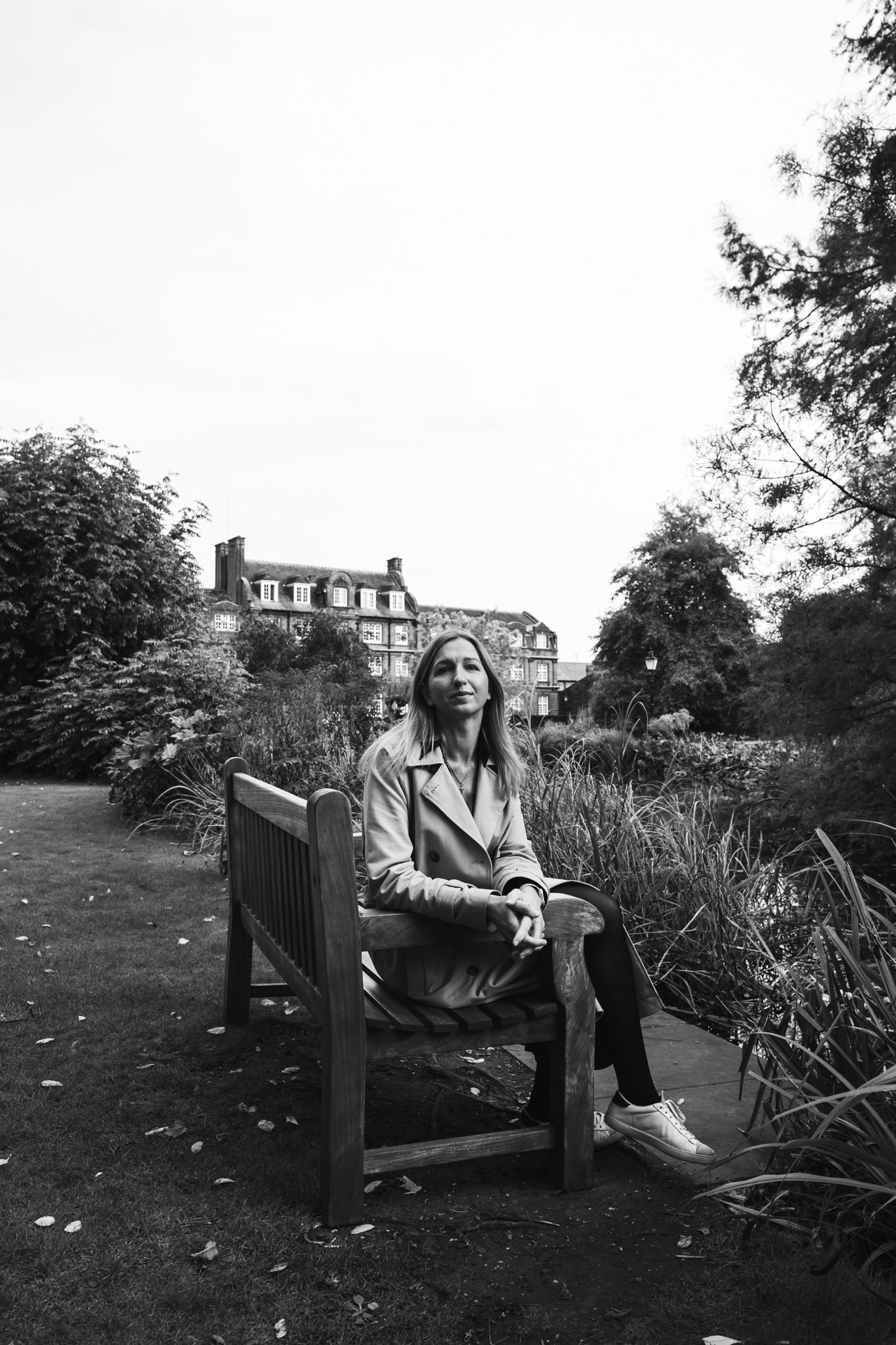
They arrived with only hand luggage—three rucksacks. They were met by two cars, and the hosts asked, "Where are your things?"
"We only came for six months," Snizhana recalls. "At least, that’s what I told myself and everyone else at the time."
Tony and Chris Williams turned out to be incredibly kind and tactful. They gave the family a part of their home, which was full of warmth and comfort. However, for Snizhana, used to independence and clear boundaries, the first weeks were filled with internal tension—not about domestic life, but cultural.
"We could go weeks without crossing paths. I couldn’t accept the reality that people of a completely different cultural identity could be so kind and positive. They invited us to incredible dinners, helped with everything, and took us on trips around England, but I kept my distance so as not to intrude on their space. Later, they became like second parents to us."
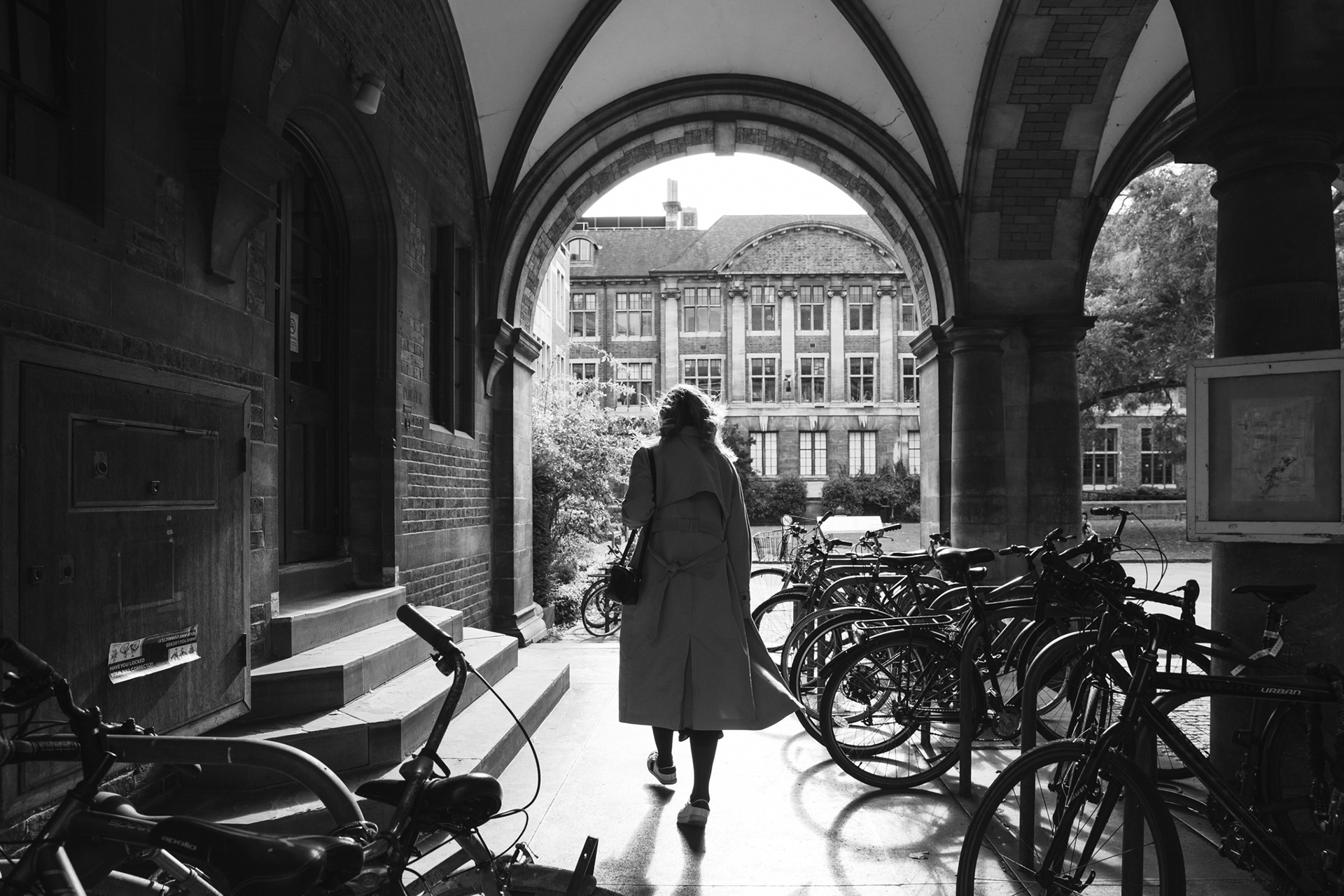
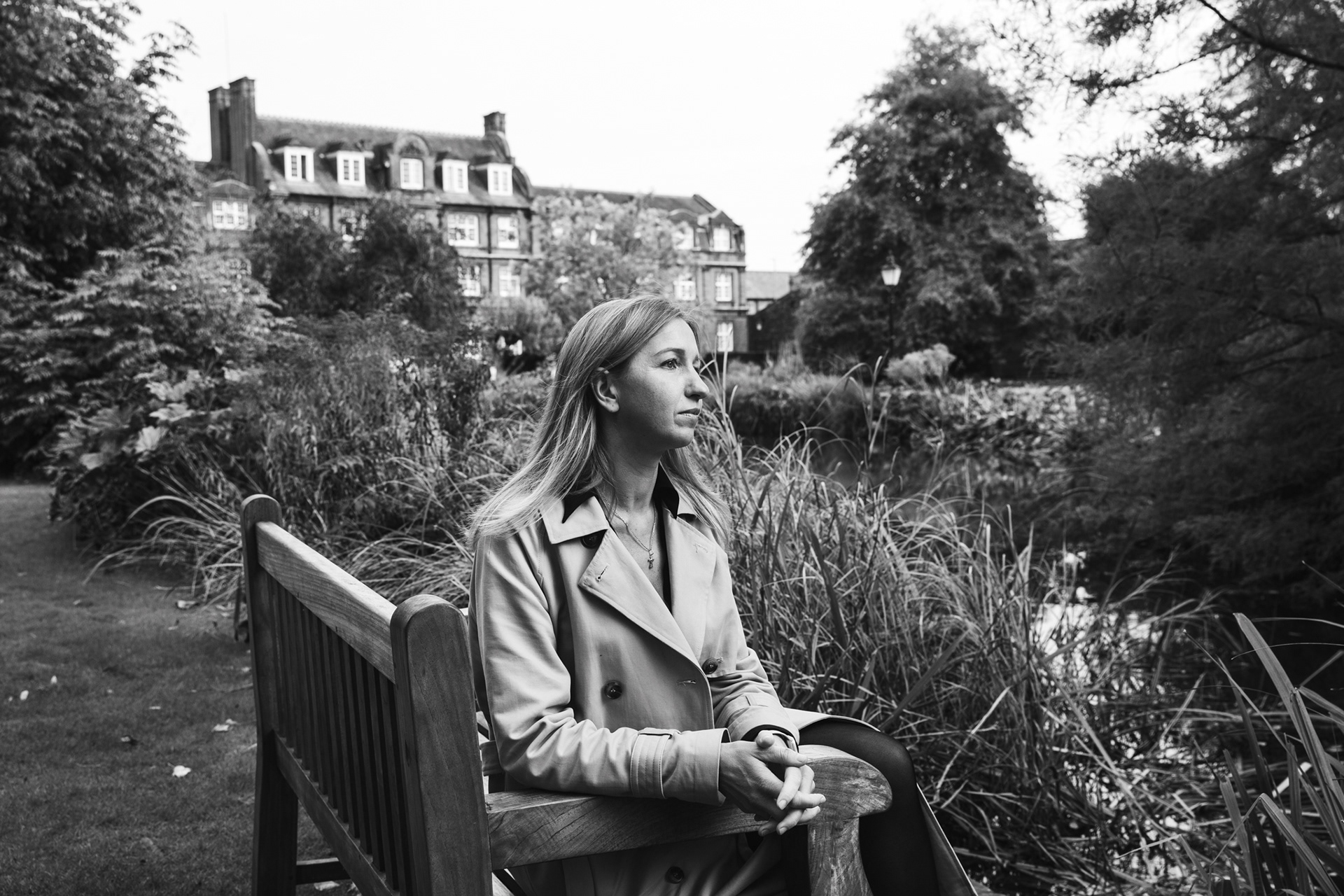
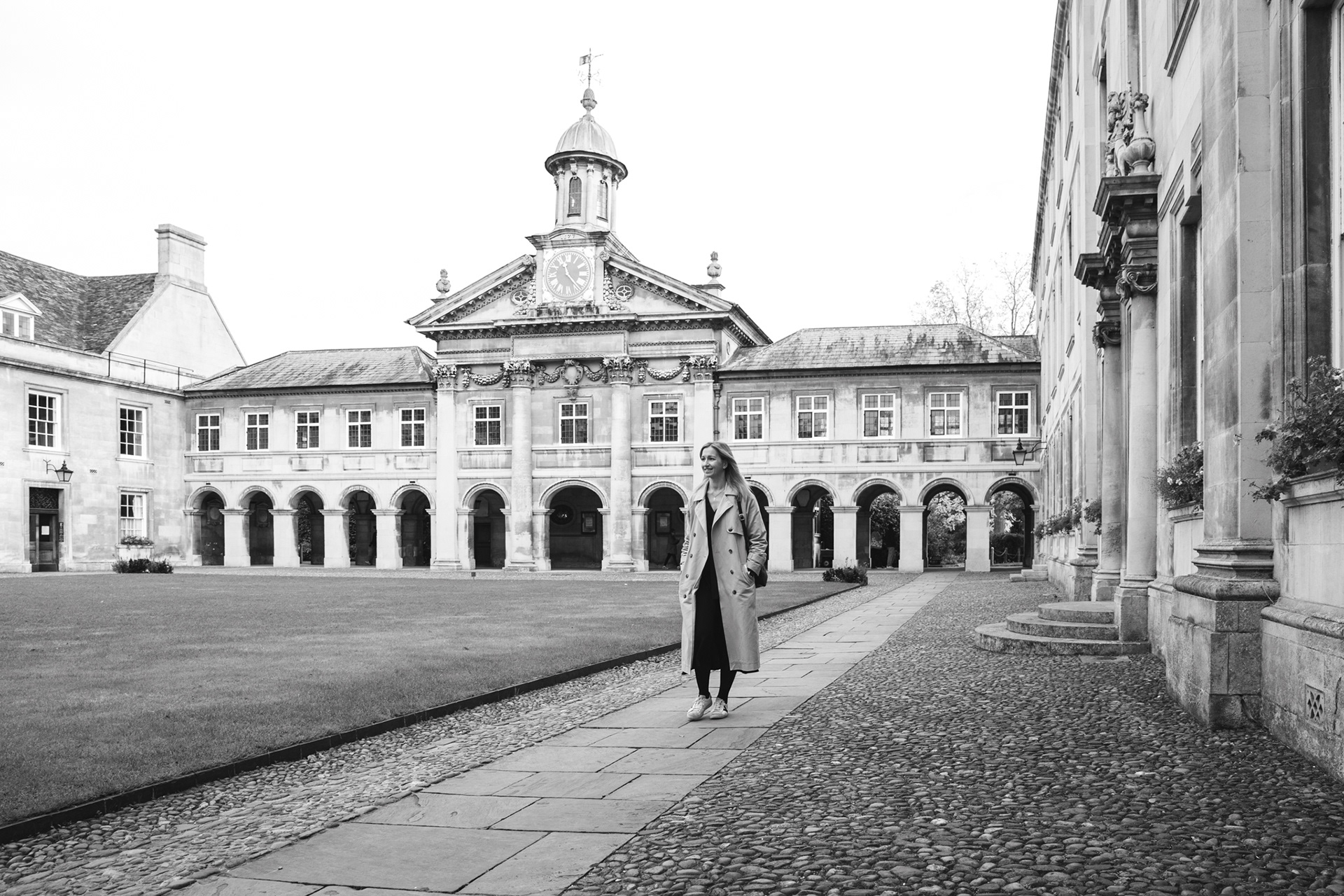
Cambridge… a city that began for her in May 2022 not with university halls and libraries, but with this house, three rucksacks, and a slow lesson in trust—in the language, the people, and a new life.
Despair and Professional Resurrection
The first months were a period of uncertainty. Igor, despite having a PhD in Environmental Safety, took a job with a local punting company, repairing and painting boats—drawing on his hobby and experience with boats back in Ukraine. Snizhana, meanwhile, felt her professional identity was under threat.
"I’m in Cambridge. I’m a scientist. I have to figure something out. After about 3–4 months, a support programme for Ukrainian scientists opened at the university. I applied for myself and my husband. Simultaneously, I started sending my CV for all sorts of positions, thinking I might have to start from zero and work anywhere. I didn't understand the structure of Cambridge at all—colleges, departments, world-class scholars. It was as fascinating as it was terrifying. One day, I plucked up the courage and wrote to the university departments where my research might be relevant."
A key figure was Professor Harriet Allen from the Department of Geography University of Cambridge. Despite Snizhana speaking very little English at the time, Harriet saw her potential as a colleague.
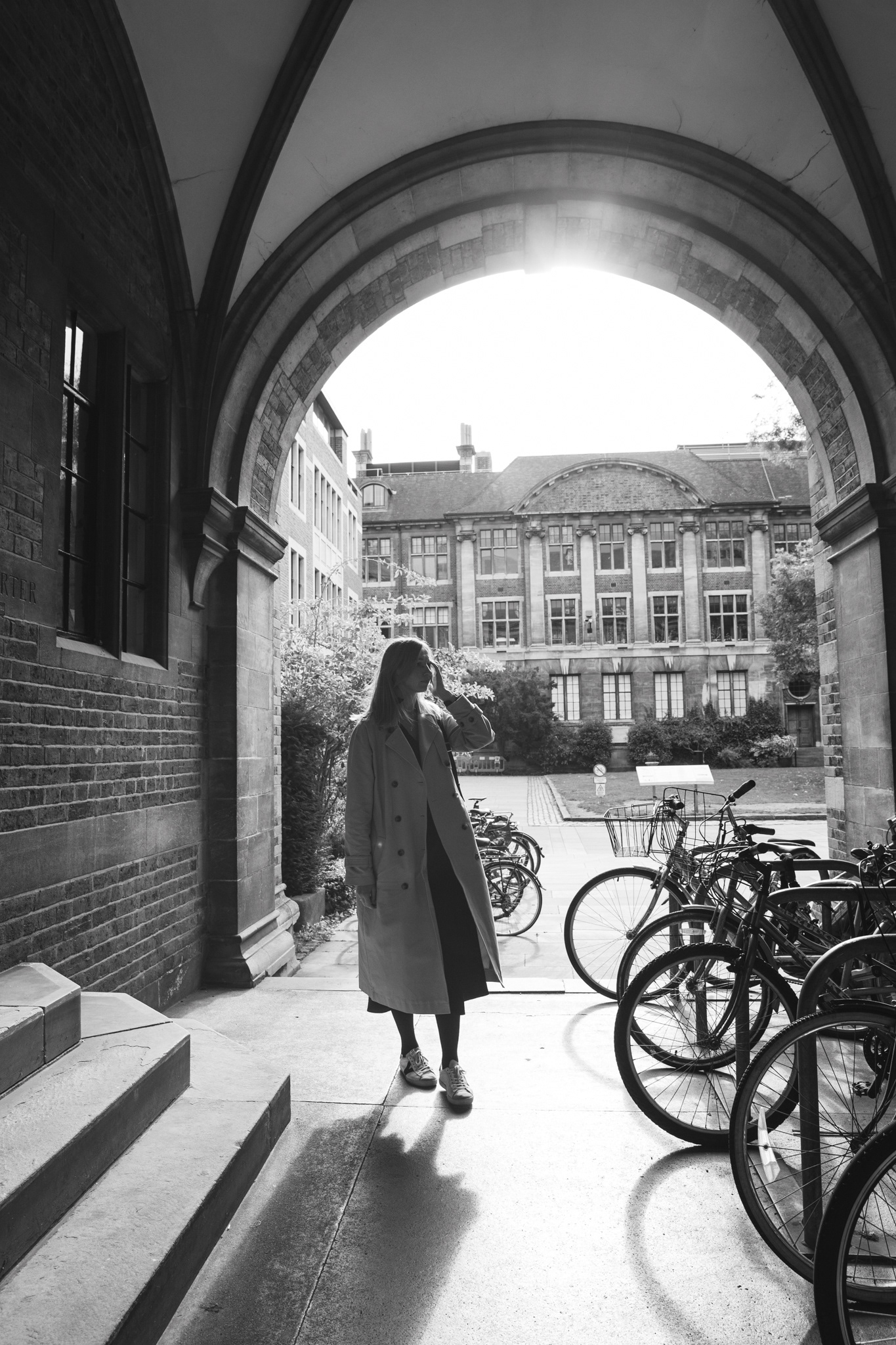
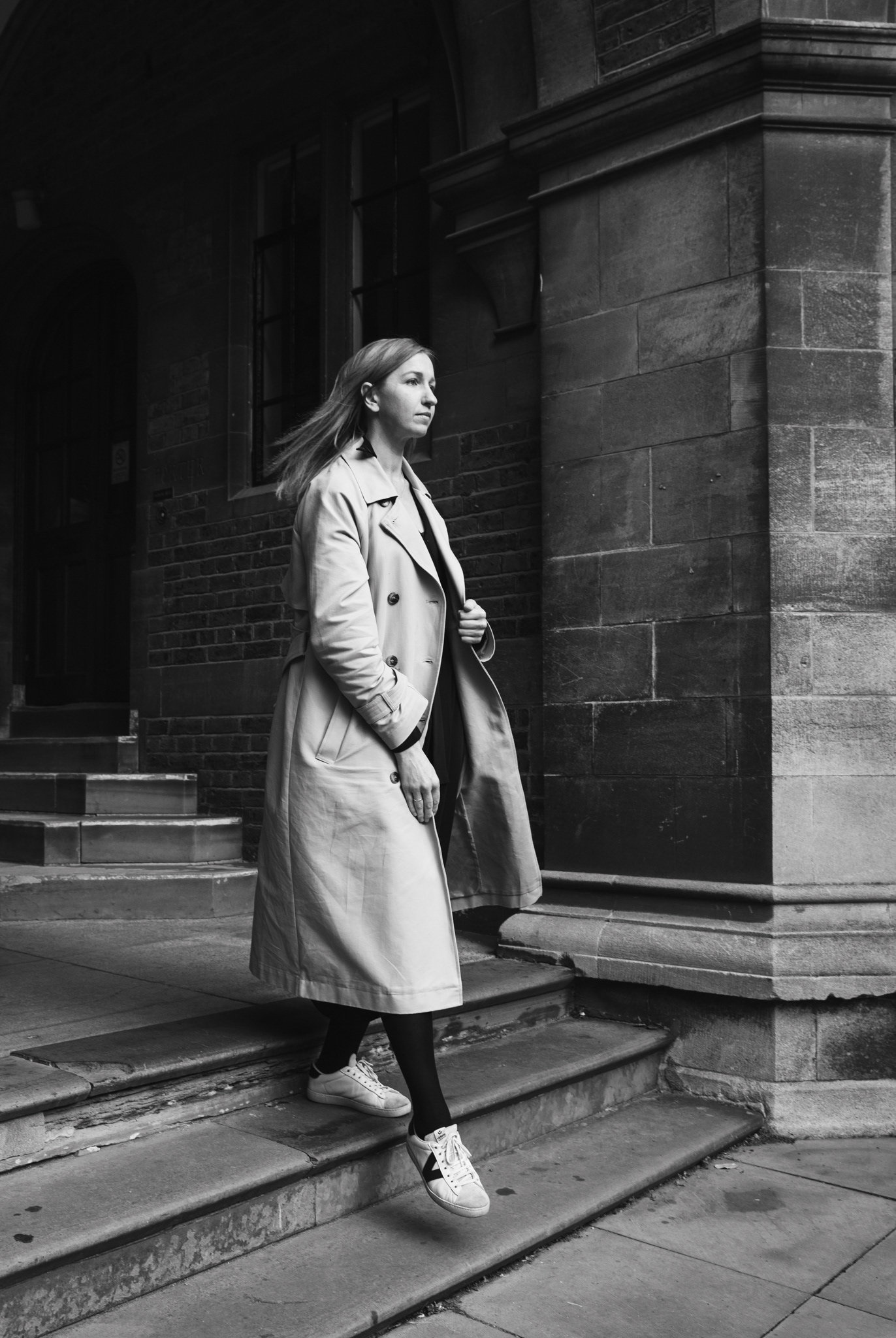
"Scientists speak the same language, especially when research topics are relevant and aligned. She took us under her wing. Harriet—a professor and director of the department—mentored both me and my husband, introducing us to leading scientists in our field. She did everything to bring us back to the world of science, because scholars know how vital it is not to lose years of work. She believed in us. I knew my English was hopeless… but I studied every day, attended every university event, and slowly became better at presenting my work and myself. When Professor Harriet Allen heard about our application to the support programme, she backed us fully."
Three months after applying, the news arrived: Snizhana had been selected. This meant two years of funding, allowing her to continue her research at the University of Cambridge on the environmental impact of war.
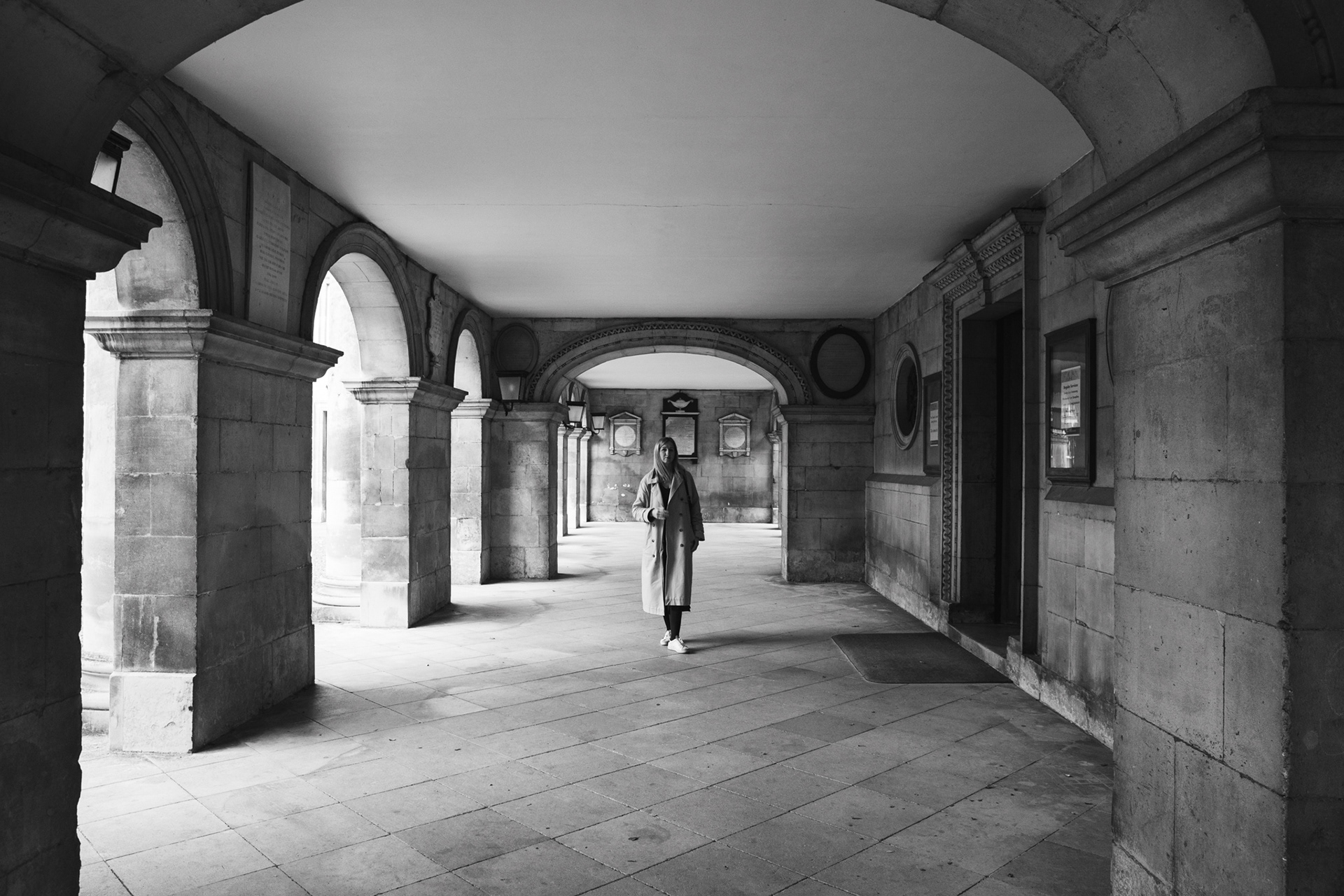
A Comparison of Worlds: Science in Ukraine and the UK
Working at Cambridge, Snizhana felt the stark difference—not in the quality of science, but in how it is organised. The administrative gulf between the Ukrainian and British systems was as wide as the geographical one.
"In Ukraine, a scientist is everything. You are simultaneously an accountant, a manager, and an administrator. You look for funding, proofread applications, balance budgets, and are responsible for every line. Here, you only do your part—the science. You write the idea, and then managers help you bring it to life."
The difference was also in details that have long been the "norm" in Ukraine.
"Publishing in international Q1–Q2 journals costs thousands of pounds. In Ukraine, we often use our own salaries—which are very modest—to pay for publications, otherwise, you won't pass your accreditation. Here, there is a completely different funding system where scientists don't spend their own wages. There are many differences in working conditions. But I couldn't believe I had the chance to dive into the system of one of the world's leading
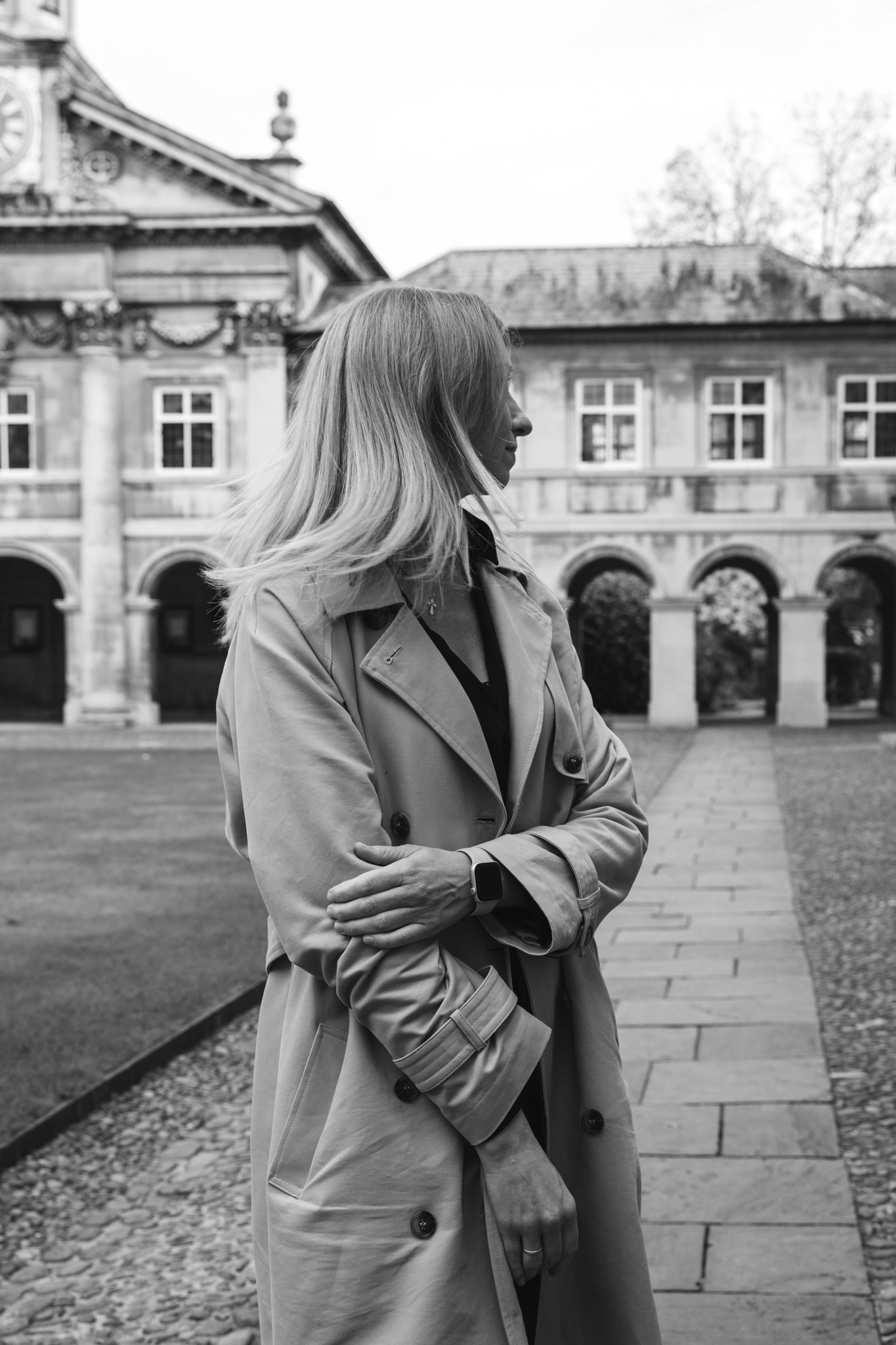
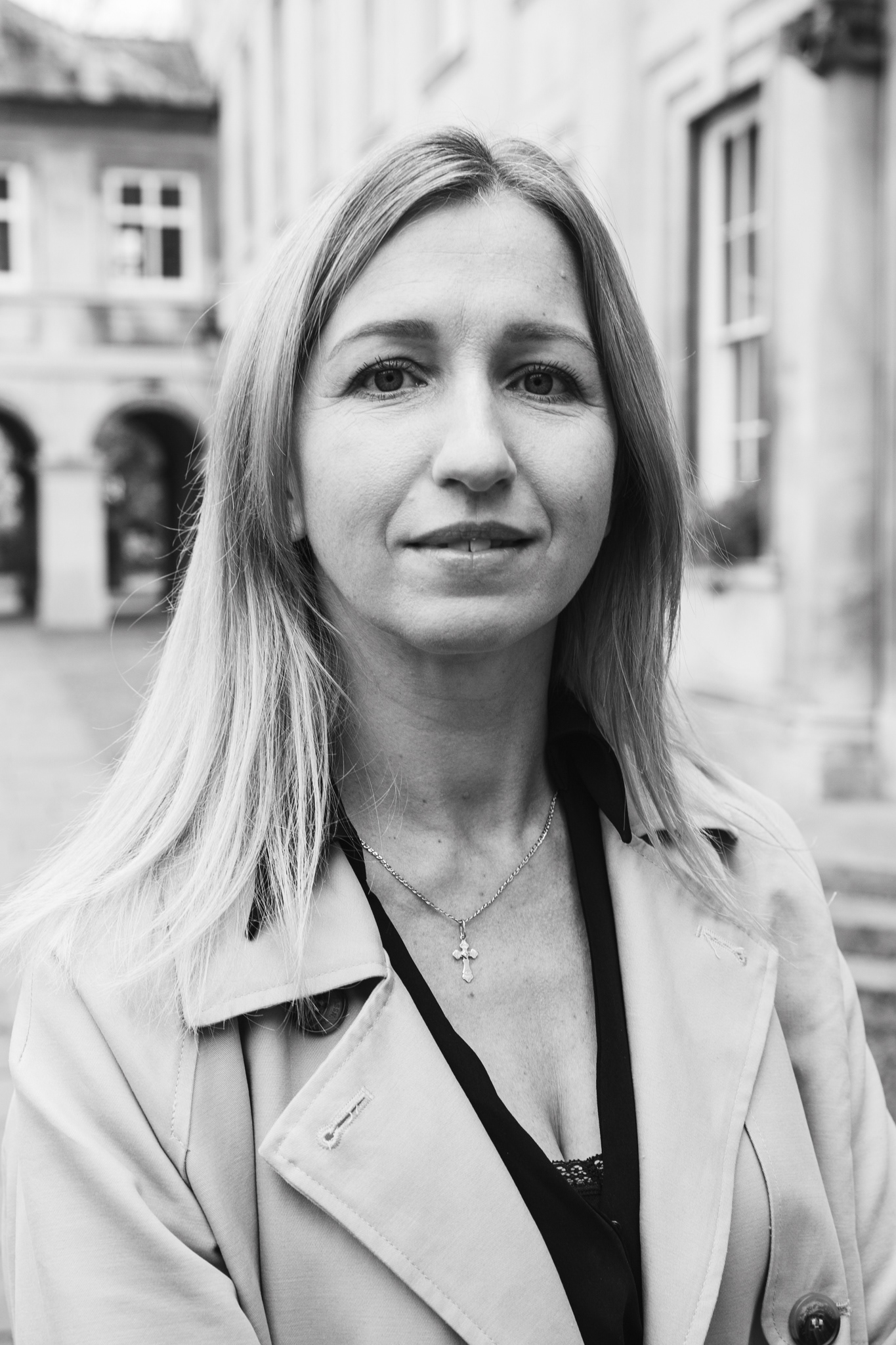
This didn't remove the pressure, but it shifted the focus: a scientist had the right to be just a scientist.
However, professional progress was accompanied by pain. The reaction from some colleagues in Ukraine was unexpectedly sharp. It wasn't support, but a certain detachment.
"It was as if people couldn't accept it. They don't always say it directly, but you feel it in conversation."
For Snizhana, this was particularly difficult because she never viewed Cambridge as an escape.
"I always believed I would return. I want to bring this experience back to Ukraine to help restore our environment, which is being destroyed by the war. That was my dream."
That dream hasn't vanished. It simply sits between two worlds—those that exist by different rules but both equally need science.
A Family Divided and a Belief in Miracles
Today, Snizhana’s academic support programme has concluded. She finds herself at another crossroads—not an academic one, but a life choice.
The family is effectively split. Igor is currently in Spain, working in the yachting industry to provide for them. Snizhana and their daughter Kira remain in the UK. This isn't a permanent decision, but a state in which they have to live.
"My daughter says this is her home now. She is thirteen; she has school here, friends, and good results. For her, Britain is safety. My husband is categorically against returning to Ukraine. He says, 'We must think of our daughter first.'"
Snizhana isn't stopping. In this time, she has reached an Upper-Intermediate level of English and completed courses in Sustainable Development at Cambridge. She has received recommendations from university colleagues to work within the university's careers service. It isn't a leap forward so much as a daily effort to keep her footing.
"I am hopeful. I understand the system now. So does my daughter. The hardest part is the divided family. But I believe miracles happen. I am putting in a lot of effort."
She recalls the words of her institute director at the start of the war: "Where are you going? The war will be over tomorrow."
She left then, not knowing how long the road would be. Now she knows something else: it is vital to trust yourself, not the fears of others.
"My experience in Cambridge was a gift from the universe. It pulled me out."
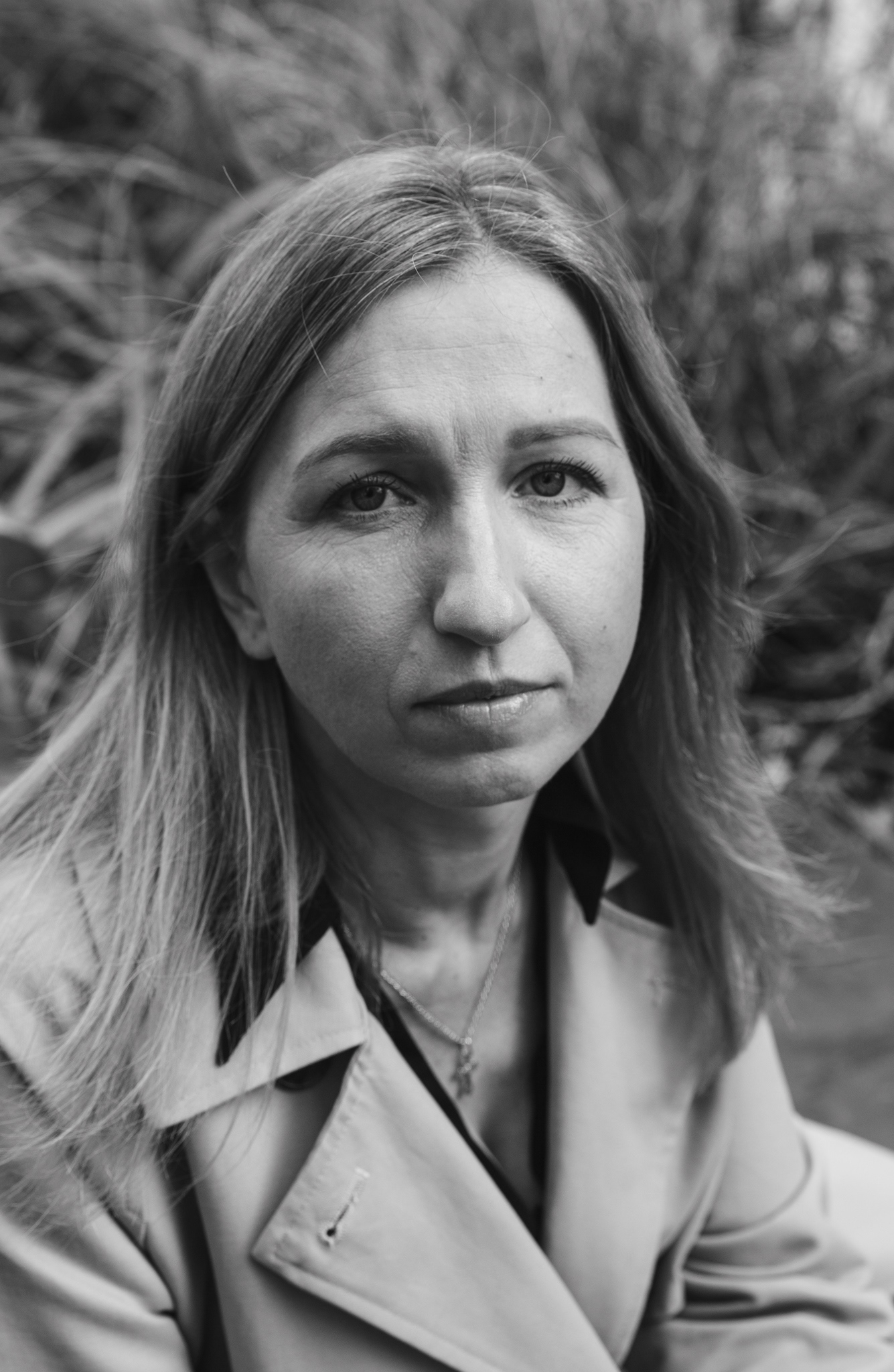
Snizhana Zahorodnia remains a scientist. A woman who lived through shelling, ruined dreams, the loss of her home, and academic friction—and did not lose herself. She continues to find a way to combine her intellect with the future of her country and her daughter. Today, Snizhana lives with a deep inner confidence that goodness exists — in the people around her. And I am incredibly grateful to the people of Great Britain who opened the doors of their homes to Ukrainian families with unconditional acceptance. Acceptance of everyone — with their experiences, pain, fears, fatigue, and misunderstanding of how to live on.
This is not a story of flight.
This is a story of resilience—the ability not just to survive, but to grow in the place where they tried to break you.