Phoenix in the Mist. A Story of Strength Born from Pain
A Glass Dawn in Vinnytsia
For Tania Melnychuk, the war began with a silence that suddenly became as sharp as a blade. She met the 24th of February at home in Vinnytsia. Two days prior, her daughter had visited from Kyiv, bringing the grandchildren in the hope that Vinnytsia would be a quiet sanctuary. Reality shattered those hopes completely.
"I woke up, opened my phone, and saw a message: 'Mum, we’re leaving. There’s shelling in Kyiv. It’s war.' Having been raised on stories of the Cold War, I didn't believe it at first. It felt like fiction. But when I called my husband, he confirmed it: 'Yes, it’s war.'"
Tania stood by the window of her home, feeling a piercing silence and hoping it was all a terrible mistake. Suddenly, the air shuddered from a series of powerful explosions near the military base.
"I froze completely—my brain, my body... Those sirens in Vinnytsia were somehow too loud. Scenes from Soviet films about the Second World War flashed through my mind—the only image of war I had. I was planning to go to a café with the children; I called my daughter and she shouted back: 'Mum, what café? Don’t you dare leave the house!' They left almost immediately. We said our goodbyes and cried because I was certain we’d never see each other again."
For the next two days, Tania couldn’t leave the house. She was incredibly frightened, and the blaring sirens simply shut down her brain. She slept on the floor or sat in a corner between two walls, clutching a bag with her documents. The walls felt like they were closing in, and the sense of confined space triggered panic attacks, yet going outside felt even more terrifying. Every sound became a trigger that returned her to that same state of numbness.
The Path of Cabbage and Tears
On the 26th of February, Tania realised she had to move. Vinnytsia station was overcrowded—a mass of people in utter despair alongside soldiers in camouflage. Trains were delayed for hours; there was panic, tears, and screaming.
"The worst part was at the station, when we had to go down into the tunnels during the sirens and wait... then later on the train at the Khmelnytskyi stop, when mothers and children started boarding. Children were sleeping right on top of bags... the mothers were in total despair—no one knew what came next or where we were fleeing to; we were all just escaping the war. I changed to a local train to Mukachevo, where a young man sat opposite me holding a sack. The moment he pulled a raw head of cabbage out of the sack and started calmly crunching on it, that sound became a trigger. Tears of fear, despair, and uncertainty rolled down my cheeks. I looked at him and sobbed. I sobbed the whole way to the border, mourning the life I had left behind."
Crossing the Hungarian border was long and exhausting—on foot, carrying two bags, through the 'neutral zone' in the pitch-black winter night. Then came five long months of uncertainty in Italy. Tania searched for a place where she could breathe, but the psychological trauma followed close behind.
Britain: Loneliness and isolation
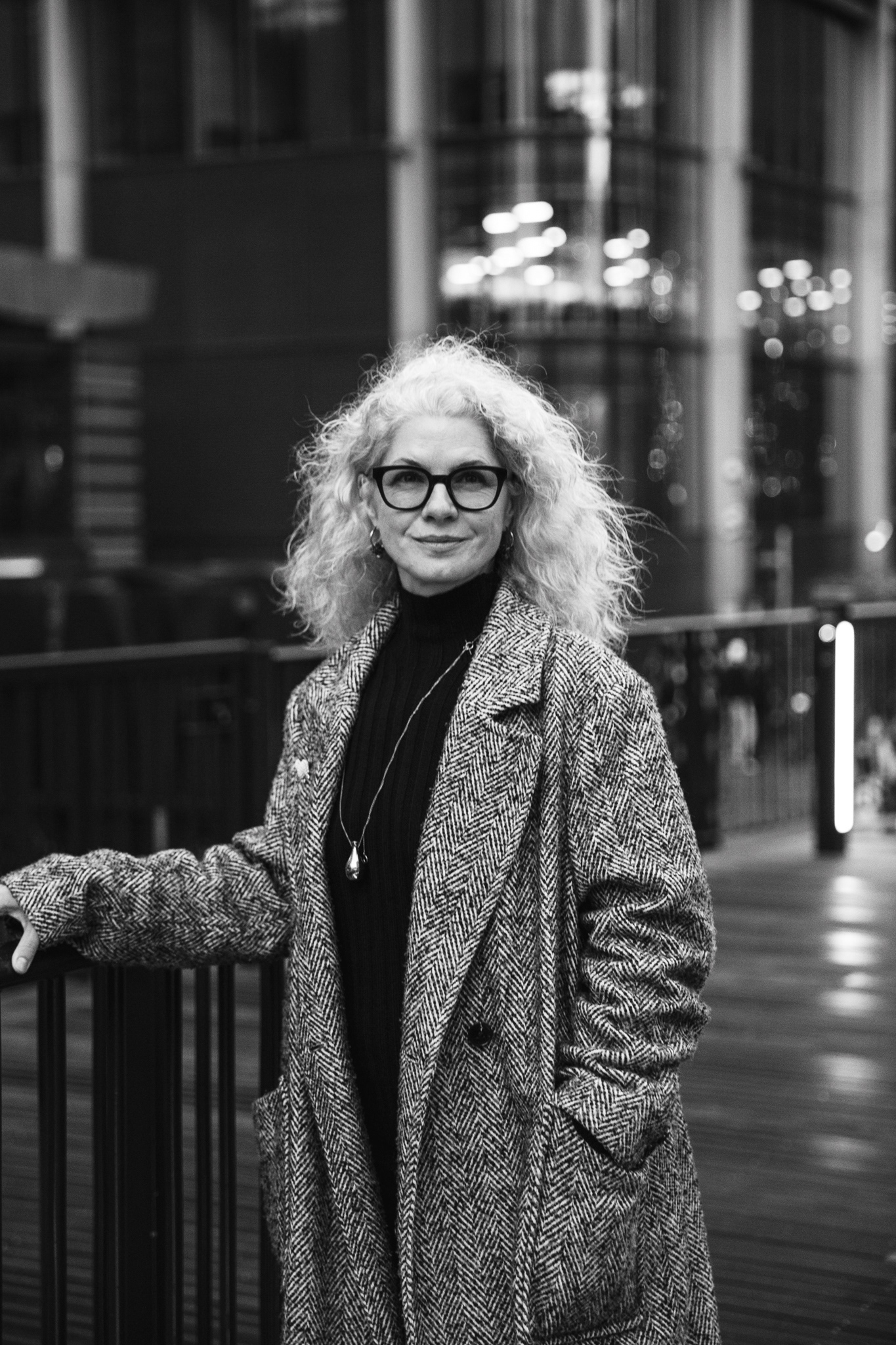
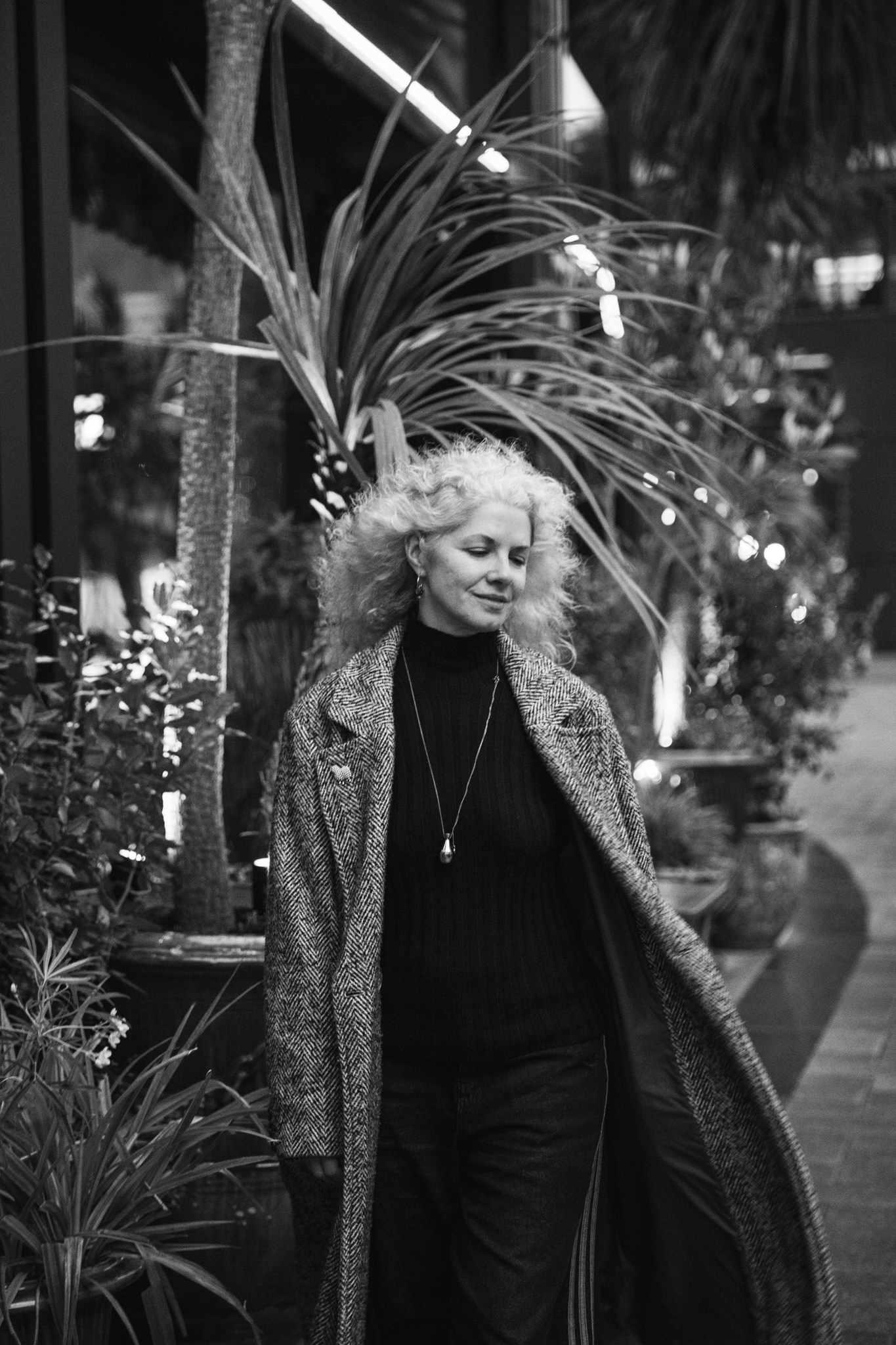
When Britain launched the "Homes for Ukraine" scheme, Tania felt it was her chance at life. She had always wanted to visit London and had studied English at university, but she arrived in Britain in a state of total psychological exhaustion.
"I lived with hosts. They were decent people, but everyone lived their own lives. The feeling of loneliness and isolation destroyed me every day. To get to the nearest bus stop or train station, I had to walk through fields and across railway tracks for 45 minutes each way. I was given advice to work as a waitress miles from home, but what I needed was emotional support and understanding. I would lock myself in my room and cry—I cried so much, every morning, every evening. I was alone with my pain."
Tania sought salvation in learning. For her, it had always worked: if you don’t know where to go, learn something new. She enrolled in college to study counselling in English. It was a double challenge: navigating the psychology of human behaviour while recalling and refining her English.
"I couldn’t even read a page of a book. My brain just wouldn't register the information. Previously, I had managed a large department, providing consultations and training across sixteen types of services, but here—I couldn’t even watch a film. Studying counselling in English became my personal challenge. It was a quiet reclamation of myself and my abilities—proving that I could master complex concepts in a foreign language while in a state of total confusion. As a result, I realised: I didn't just need a psychologist; I needed a psychiatrist."
The Shadow of Abuse and LinkedIn Therapy
Parallel to the war, Tania was processing the end of a long-term abusive relationship and a long-distance relationship with another man. While in Britain, she finally divorced her second husband, and it was excruciating.
"When we filed the papers, I cried for weeks. I didn't want to let go internally; the status of being a 'married woman' was important to me. It was my identity. Only later, working with a therapist, did I realise I had been living in a 'nerve-shredder.' I was so suppressed that I didn't even notice how I was being destroyed. Leaving abuse is like decompression—you only feel the pain when you come to the surface."
To find herself, Tania began building her presence on LinkedIn. It became her personal networking tool, an attempt to prove to the world that she was a professional, not an object of pity.
"I studied how the algorithms worked, commented on posts, and added people. I wanted people to speak to me as an equal. Now I have over 3,500 followers. It was through LinkedIn that I met Michael. I simply commented on his post about a new job."
Michael and a "Different" Mentality
Michael was a revelation for Tania. A Briton who had lived in the US for 25 years, he had a different perspective on relationships and life.
"He is completely different. With him, there is no 'yours' and 'mine'; there is 'us,' yet our individuality remains. He supports every idea I have—whether it’s a course on AI or a Fashion Show. I often explain our mentality to him: 'Michael, in the USSR, to be noticed, you had to jump out of your skin; you had to be better than everyone else.' And he says: 'You are incredible, you don't have to prove anything.' With him, I am learning to be kinder to myself, to feel my own needs, and simply to live."
Michael surprised her with his care. When Tania felt lost or reluctant to change something, he would just listen and always say: "You are very brave and you are going through massive changes; rest, and you’ll do it when you feel ready." Michael always asks how she is feeling and makes sure she feels safe.
"He is proud of me. When I buy him gifts, he reacts with the joy of a child. In my past life, that was impossible. Now I am learning to give and receive without judgement or the fear that I will have to pay for it with my freedom."
The Biology of Resilience
Tania speaks openly about taking antidepressants and attending sessions with a psychiatrist. She considers this part of her Power Resilience—the ability to acknowledge the need for help.
"I took antidepressants for three years. My psychiatrist—a displaced person from Kharkiv—helped me understand the biology of my condition. I realised: I wasn't 'broken'; my body had simply exhausted its resources. The medication gave me the ability to start thinking again, to accept help, and to look for a direction. I use expressive writing techniques and have worked through over ten notebooks. I practice 'slow living' to anchor myself in my new reality."
Tania mastered Artificial Intelligence through a scholarship programme. She went from rejecting technology to understanding its benefits.
"I used to be against AI, saying it kills human interaction. But I went to learn it because I wanted to understand why I was wrong. Michael says I impress him with this: coming from a different culture, from a country at war, and constantly learning new things. I feel that in the last year, I have gained more freedom than in my entire life."
Education as a Weapon Against Depression
Studying in Britain wasn't just about gaining a new qualification; it was an act of personal resuscitation. When her brain refused to process simple sentences due to PTSD, she set herself a challenge that seemed impossible: mastering psychological counselling in English.
"I started college at Level 2. It was hard not because of a lack of knowledge, but because of the language barrier and my mental state. I wasn't just passing tests; I was absorbing professional terminology, trying to understand how the human psyche works. There was a moment during an interview when I was treated as 'just a refugee' and recommended for low-skilled labour. Meanwhile, in my head, I was translating complex psychological concepts. That was my quiet victory—knowing I was capable of more than what was expected of me."
The real intellectual breakthrough was her scholarship for AI studies. Initially a fierce critic of automation, her curiosity eventually overcame her fear.
"I learned ChatGPT, Lovable, and Miro, and I’ve learned to apply them to my professional development as an authentic lifestyle and mindset consultant. Now I see AI not as an enemy, but as a resource. This is my self-actualisation—keeping my brain constantly trained and evolving."
Worldview: From "Earning" to "Being"
Tania’s transformation is a painful but fascinating process of dismantling her old Soviet "programming." She openly analyses how years of living in a system where one had to be "faster, higher, stronger" just to survive impacted her self-perception.
"In Ukraine, we are used to the idea that if you don't stand out, you get nothing. I brought that permanent competitive mode with me. Then I saw the culture here. Here, children aren't judged harshly in school. In Britain, I felt true freedom for the first time—the freedom from being judged for what you wear or how old you are."
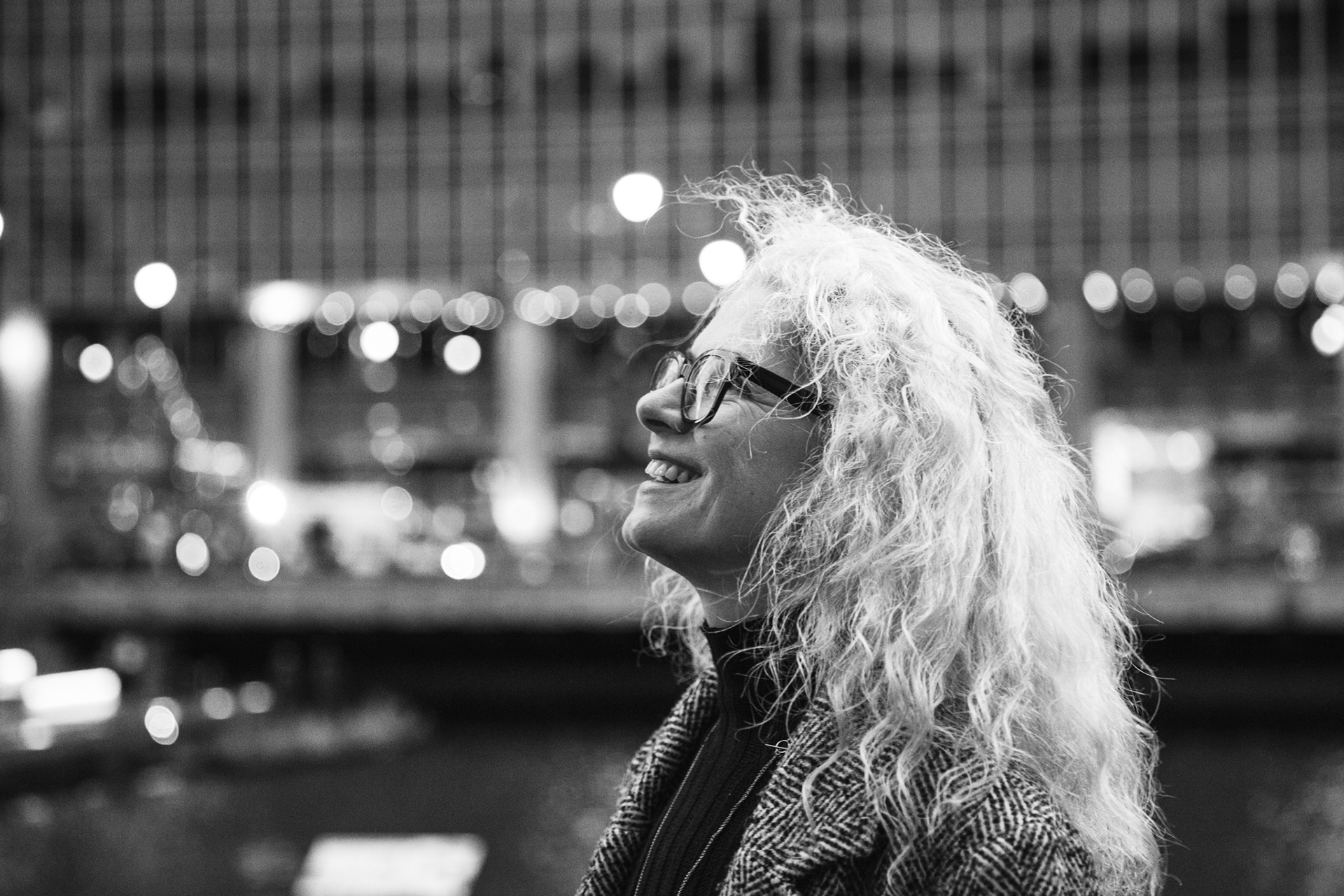
Tania has redefined femininity and success. She has refused the role of a victim of circumstance, turning her LinkedIn into a networking platform where she is an expert, not an object of pity.
"For a long time, I couldn't allow myself to rest. Only now am I starting to understand: I don’t have to prove anything. I have a right to my emotions and my own pace. My worldview has expanded from a narrow survival corridor to an ocean of possibilities. I look at my grandchildren, who came to Britain aged 6 and 3; they already speak English fluently and are absorbing this inner freedom. I know I made the right choice."
Peace in the Heart of Ipswich: Epilogue
Tanyia doesn't know if she will return to Ukraine. Her relationship with her family in the Sumy region has changed—they are living through different traumas and different realities.
"We have changed so much over these years... They have their depression, and I have my own path out. We Ukrainian women are carving out our place here. We’ve been given the right to study and work, and we must use it. We aren't just refugees. We are people with education and experience who can give as much to this country as it gives to us."
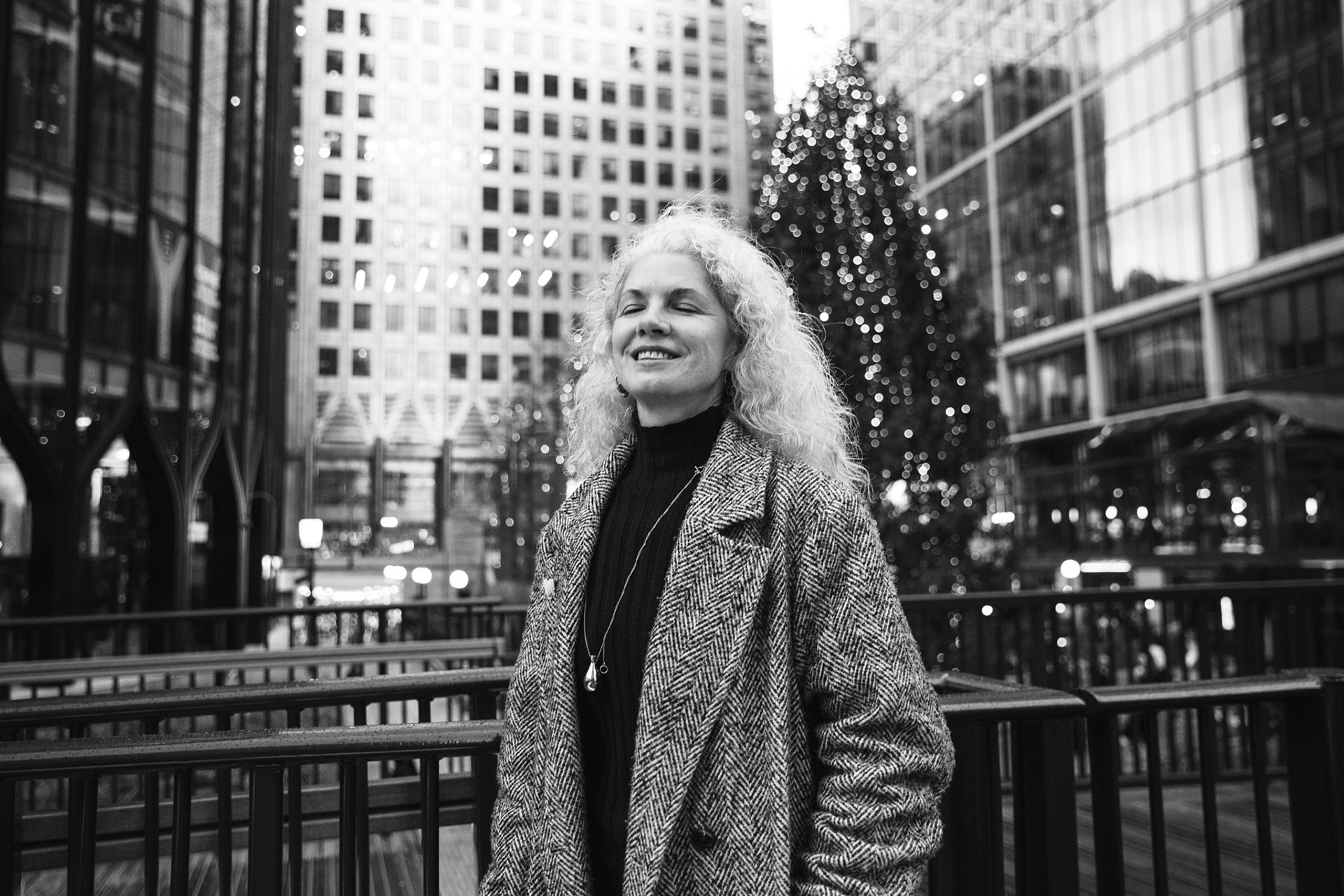
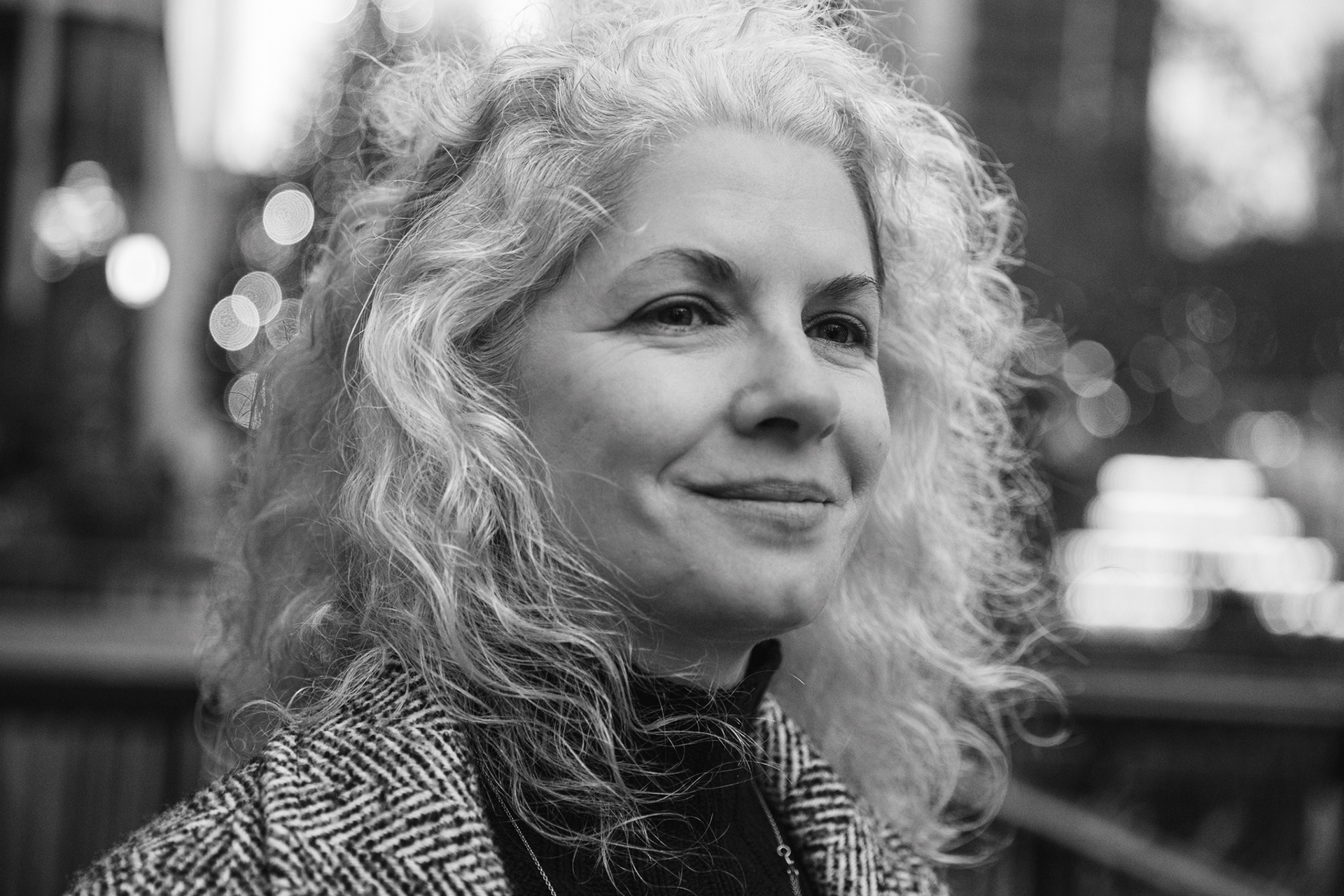
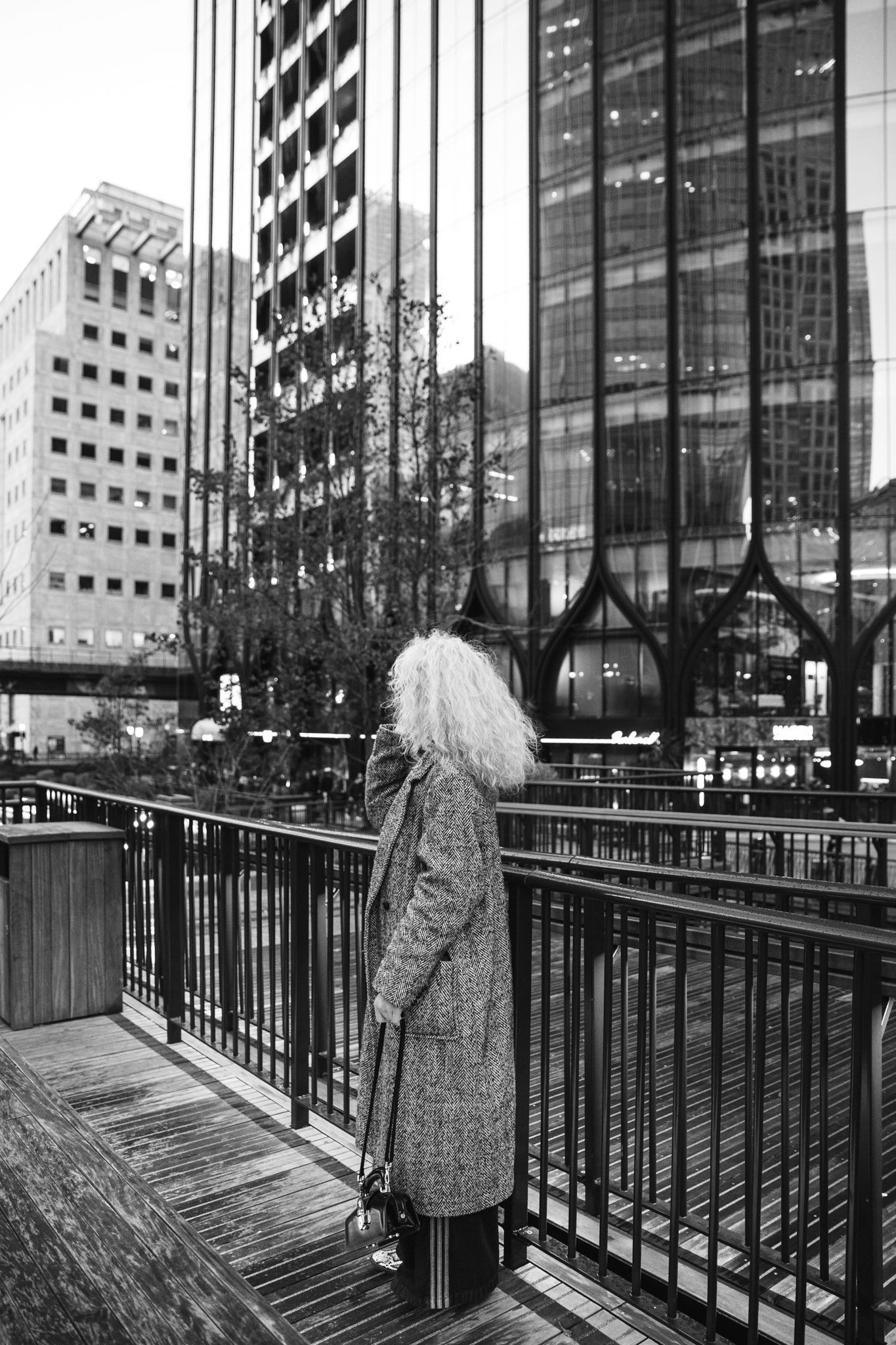
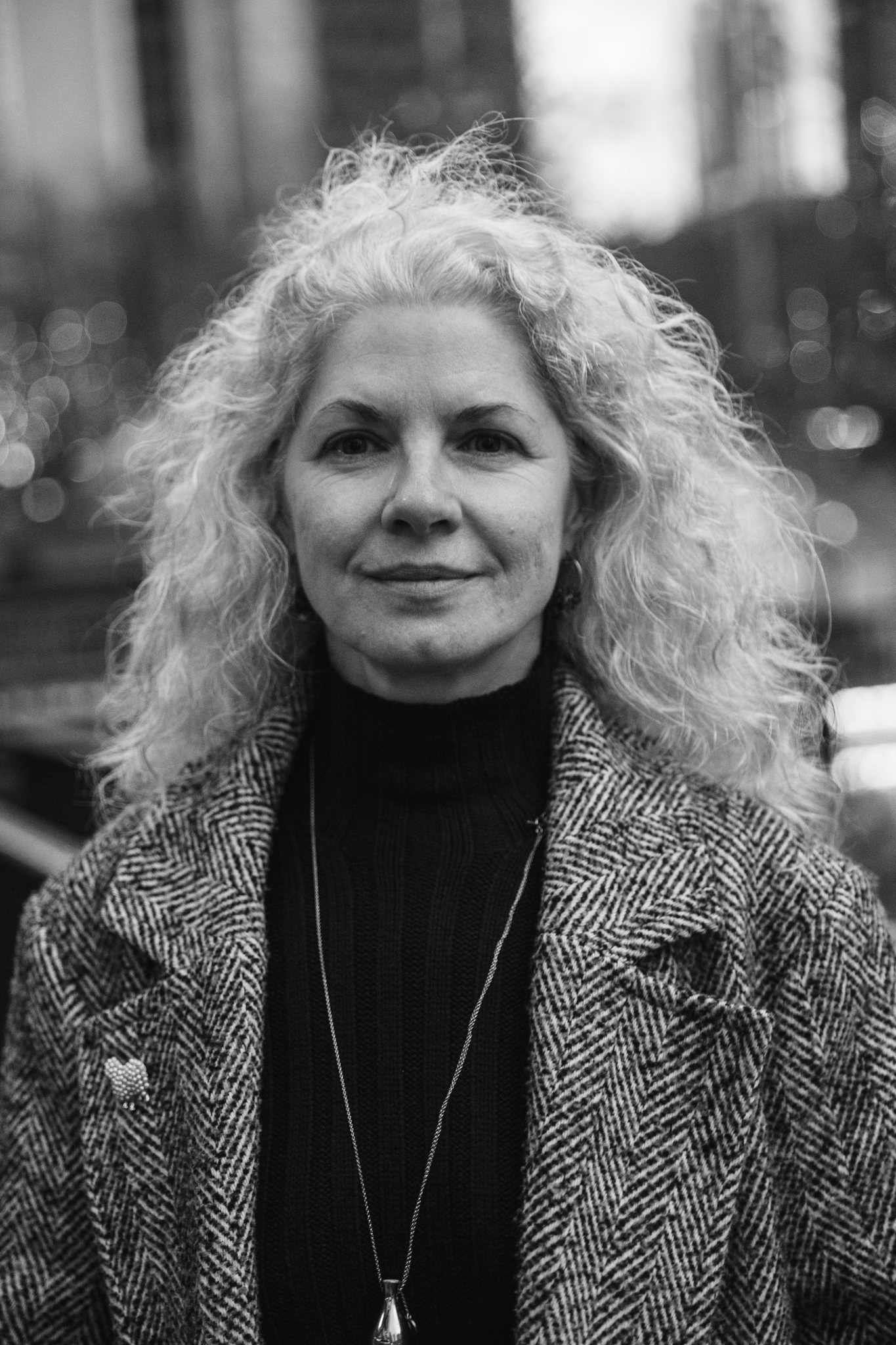
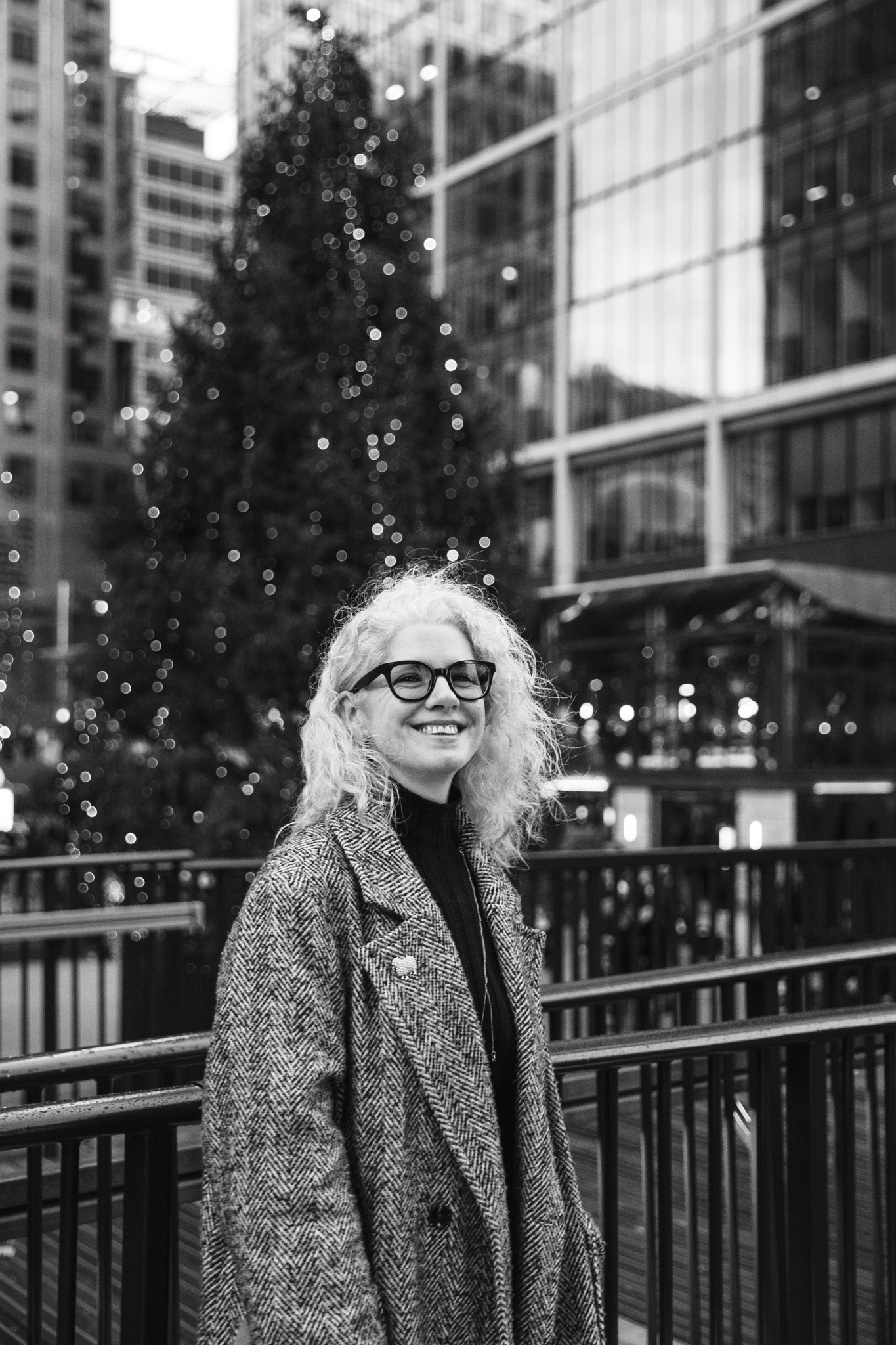
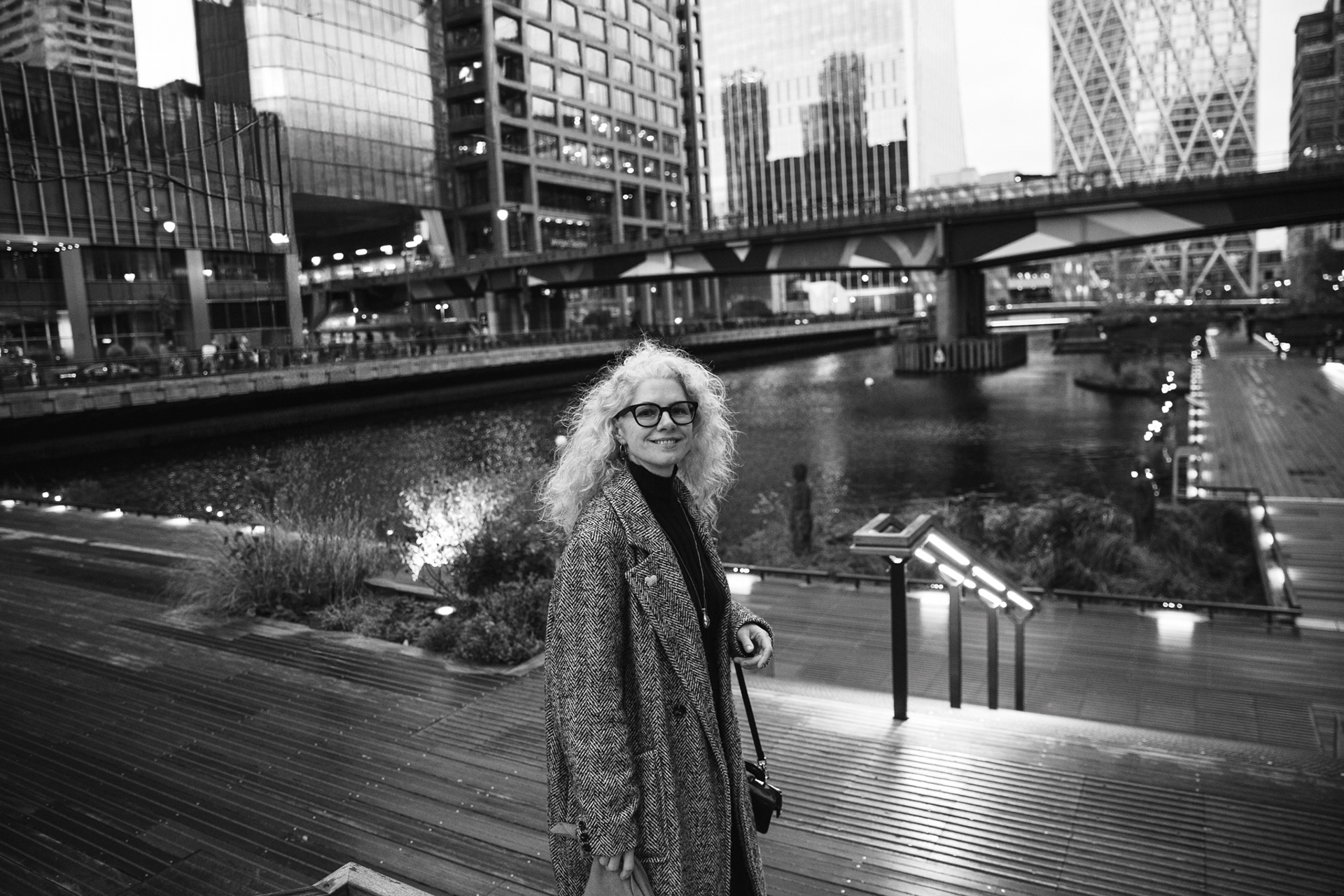
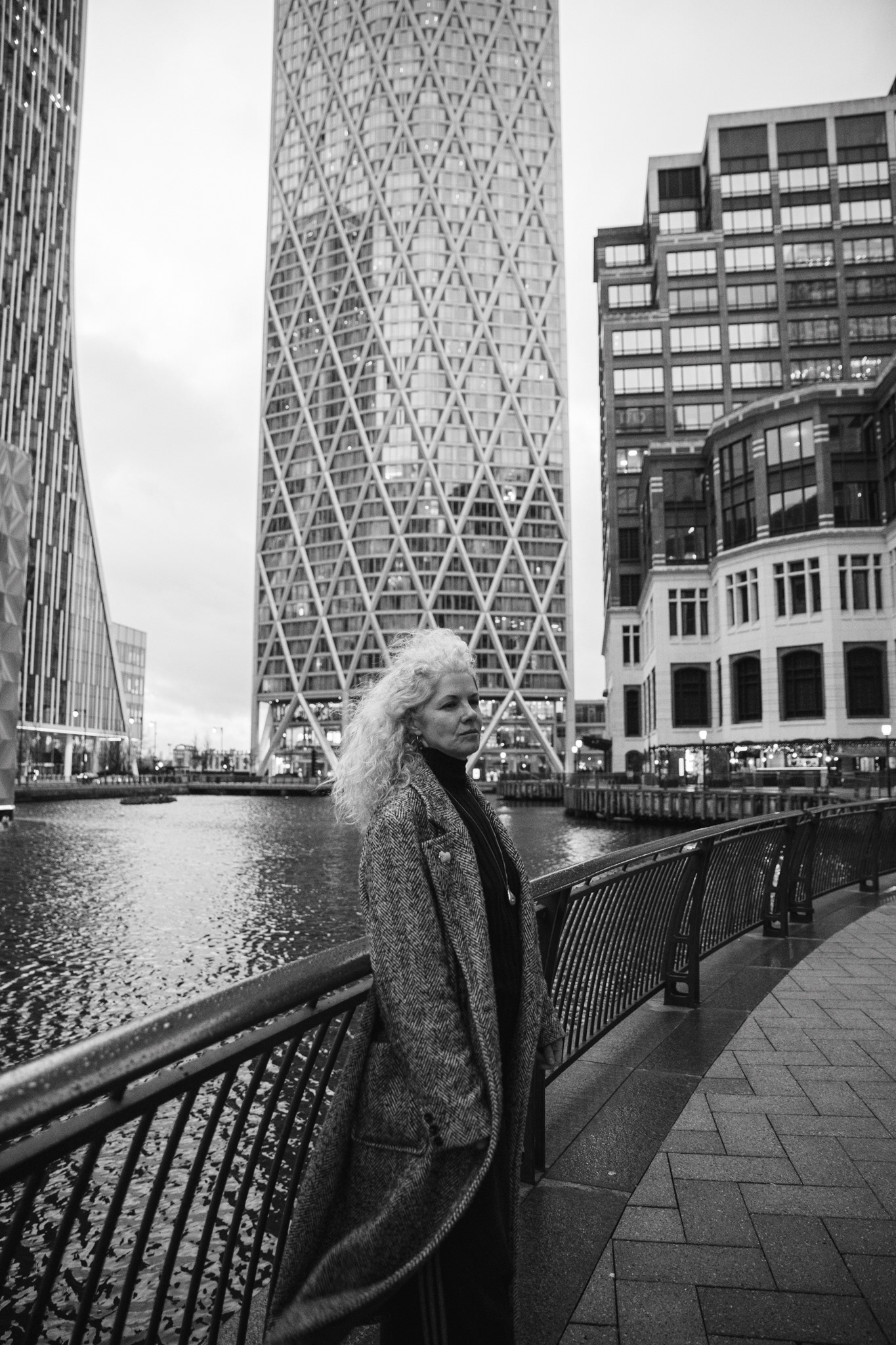
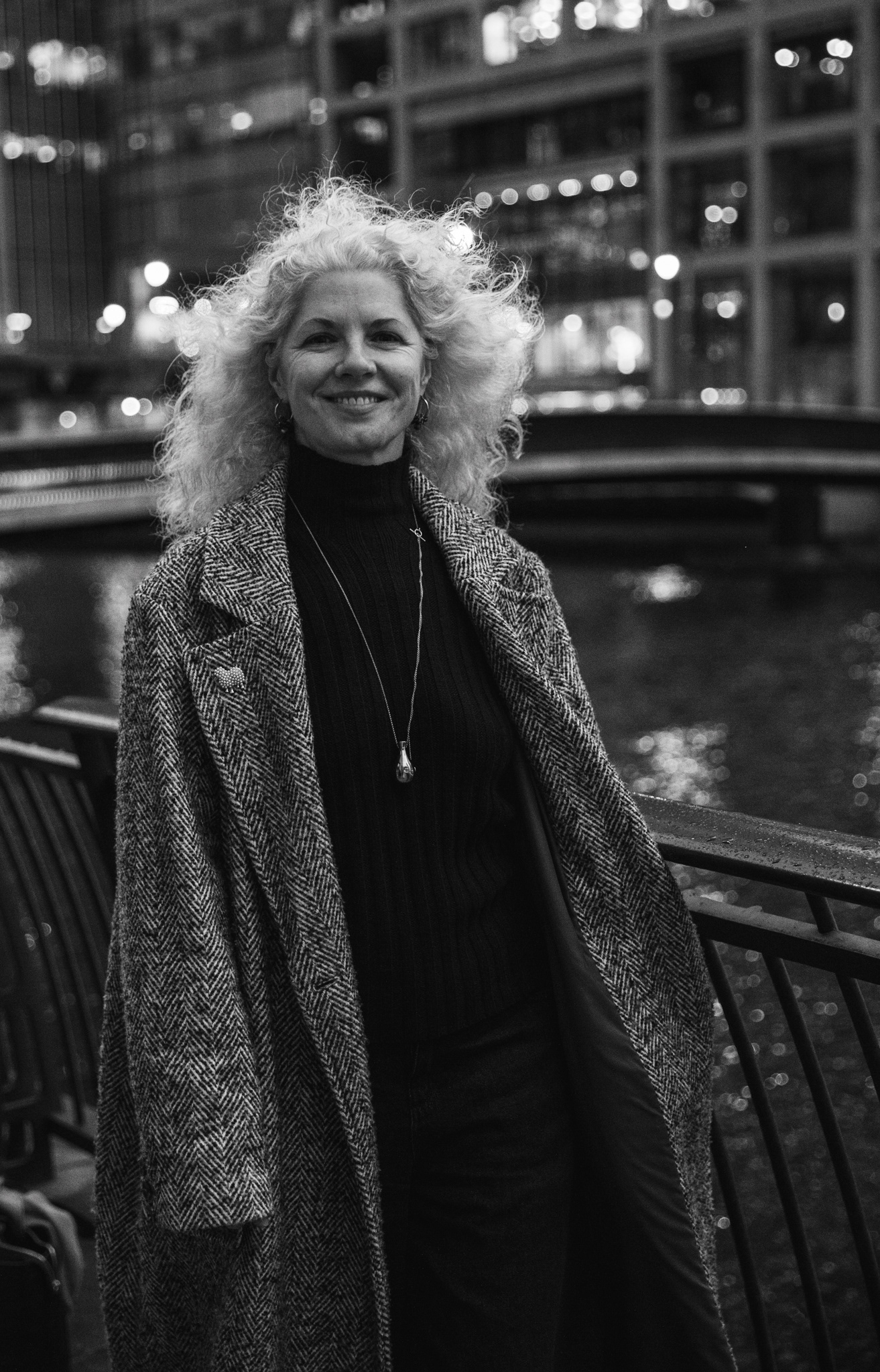
Today, Tania Melnychuk is a woman learning to look at herself not through the lens of grades or judgement, but with love. She dreams of working in education and the modelling industry; she wears the dresses she likes, and she is no longer afraid of sirens—because her inner silence is now stronger than any external noise.
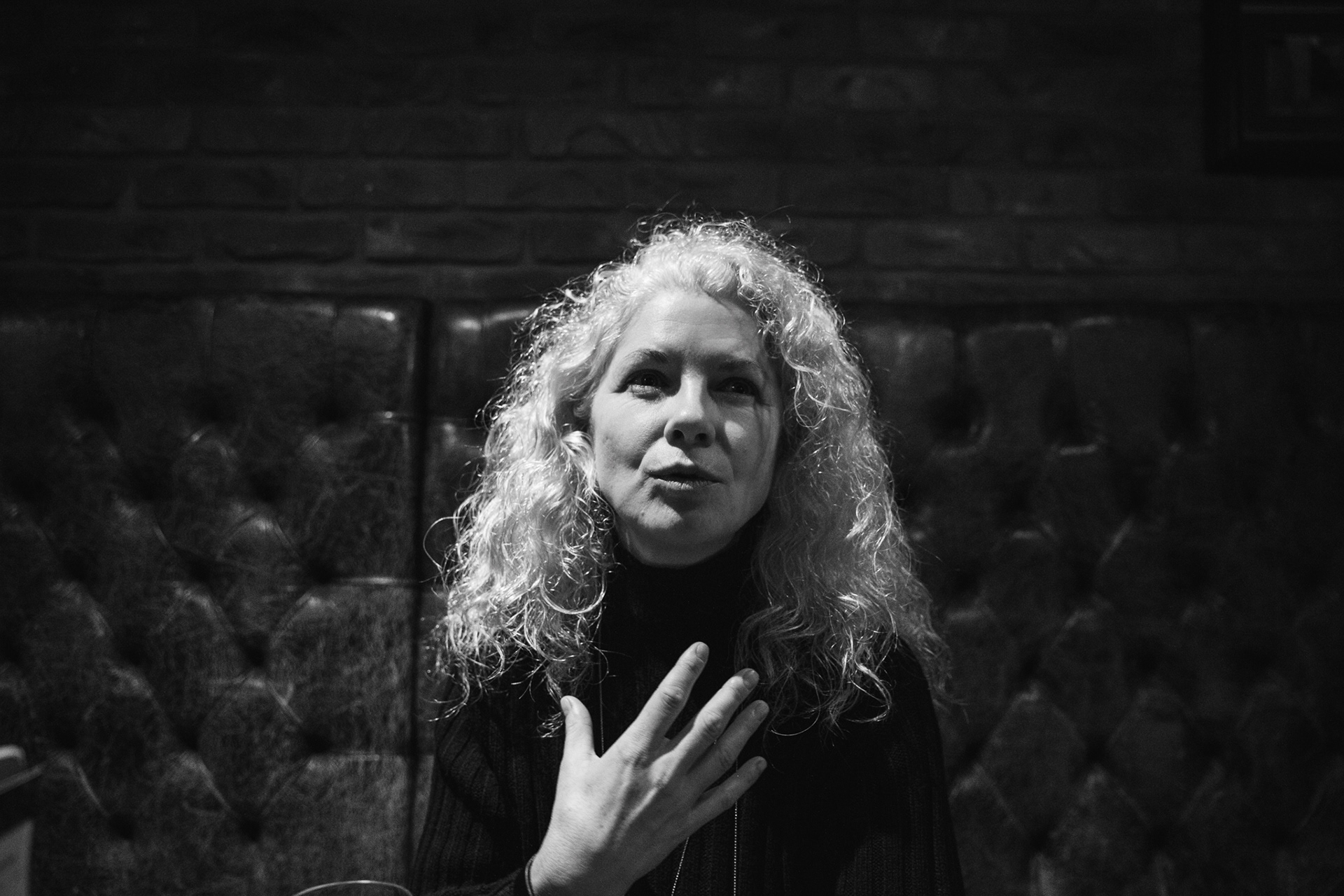
"I realised: I am okay. I might react more emotionally than others, but that is my strength—to live deeply and fully. My resilience is the ability to cry, wipe away the tears, and then go to the next course or networking event and notice the beauty around me. I have earned my place in the sun."