The Dull Sound of a New Reality
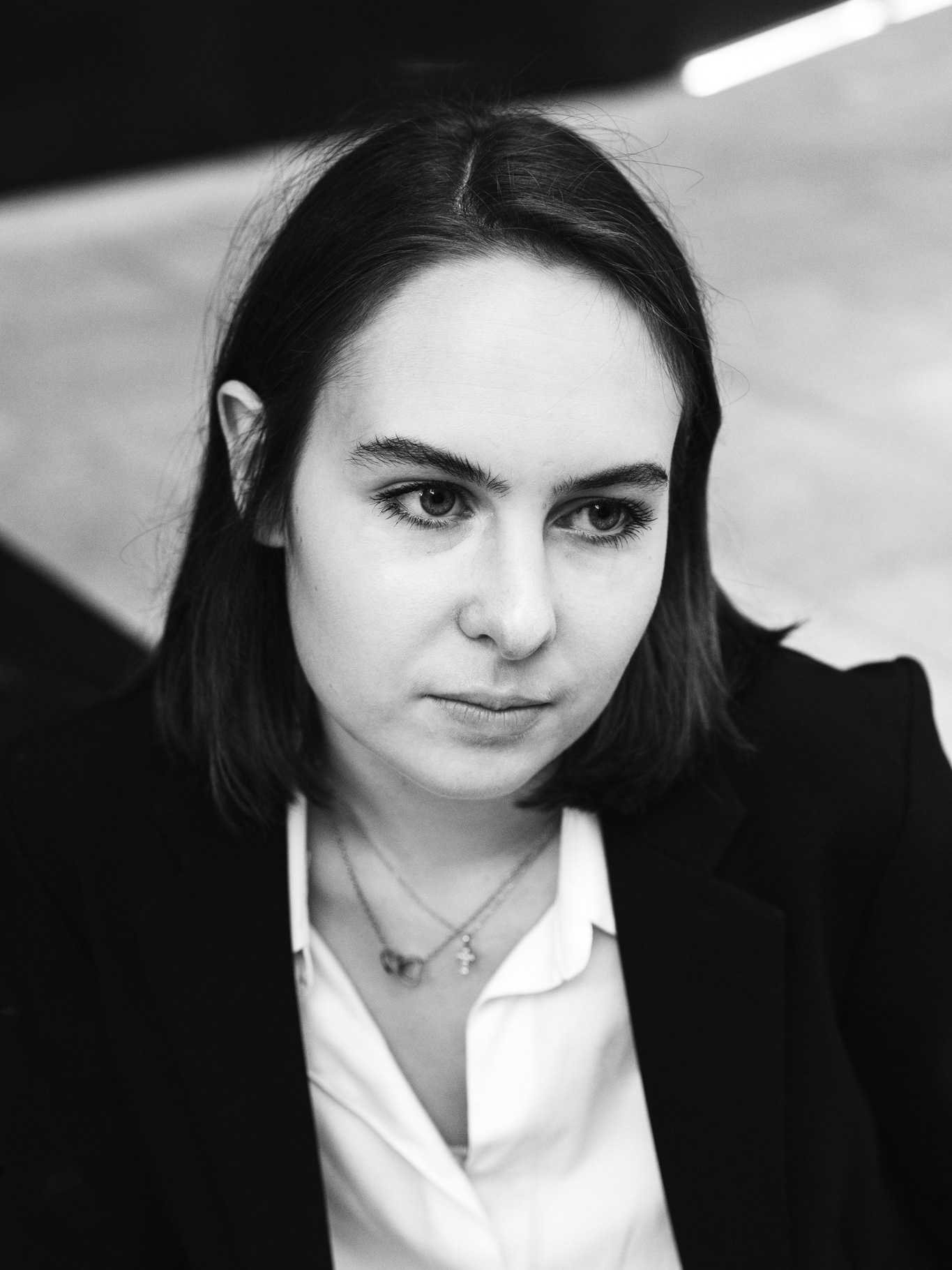
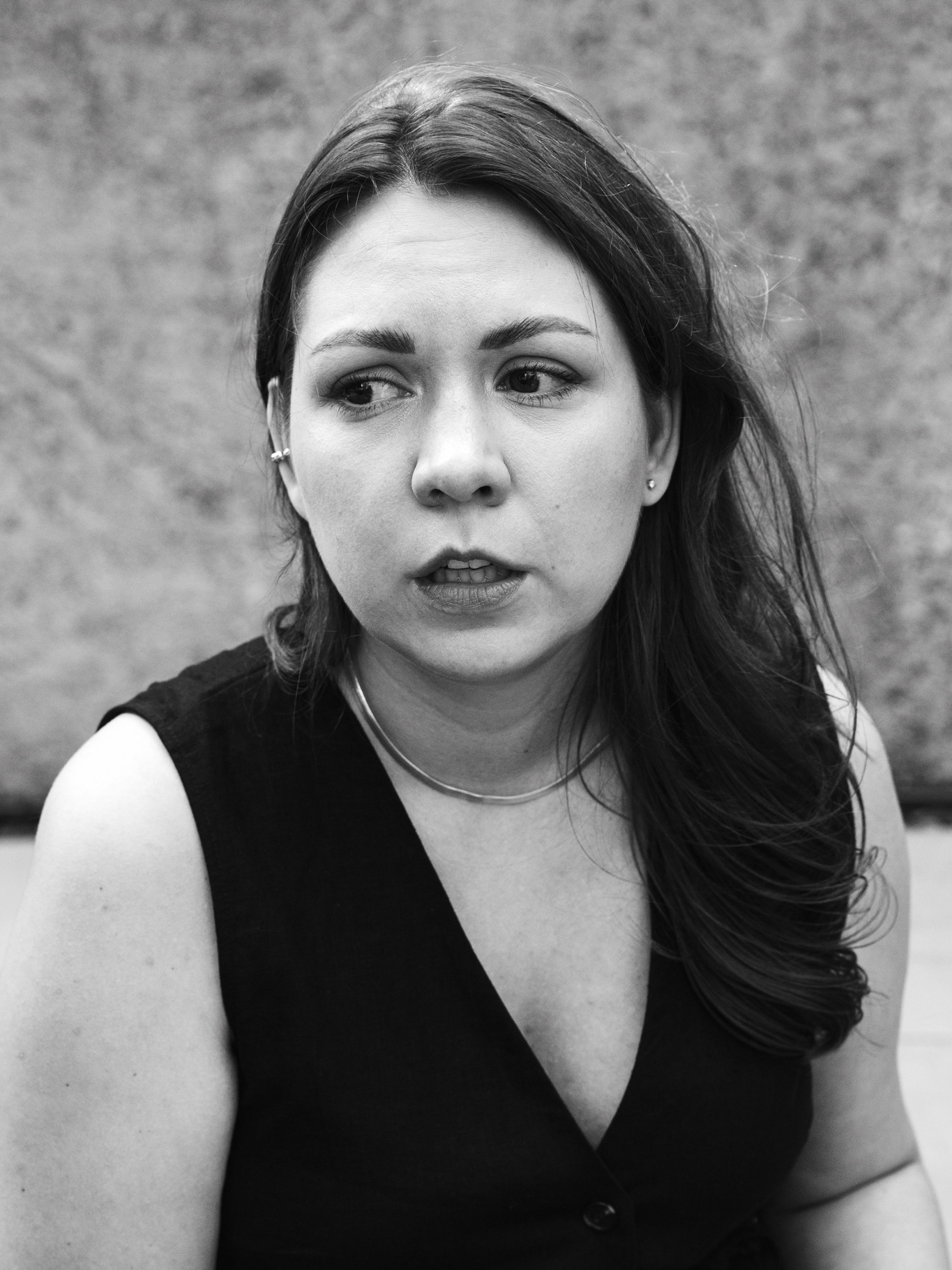
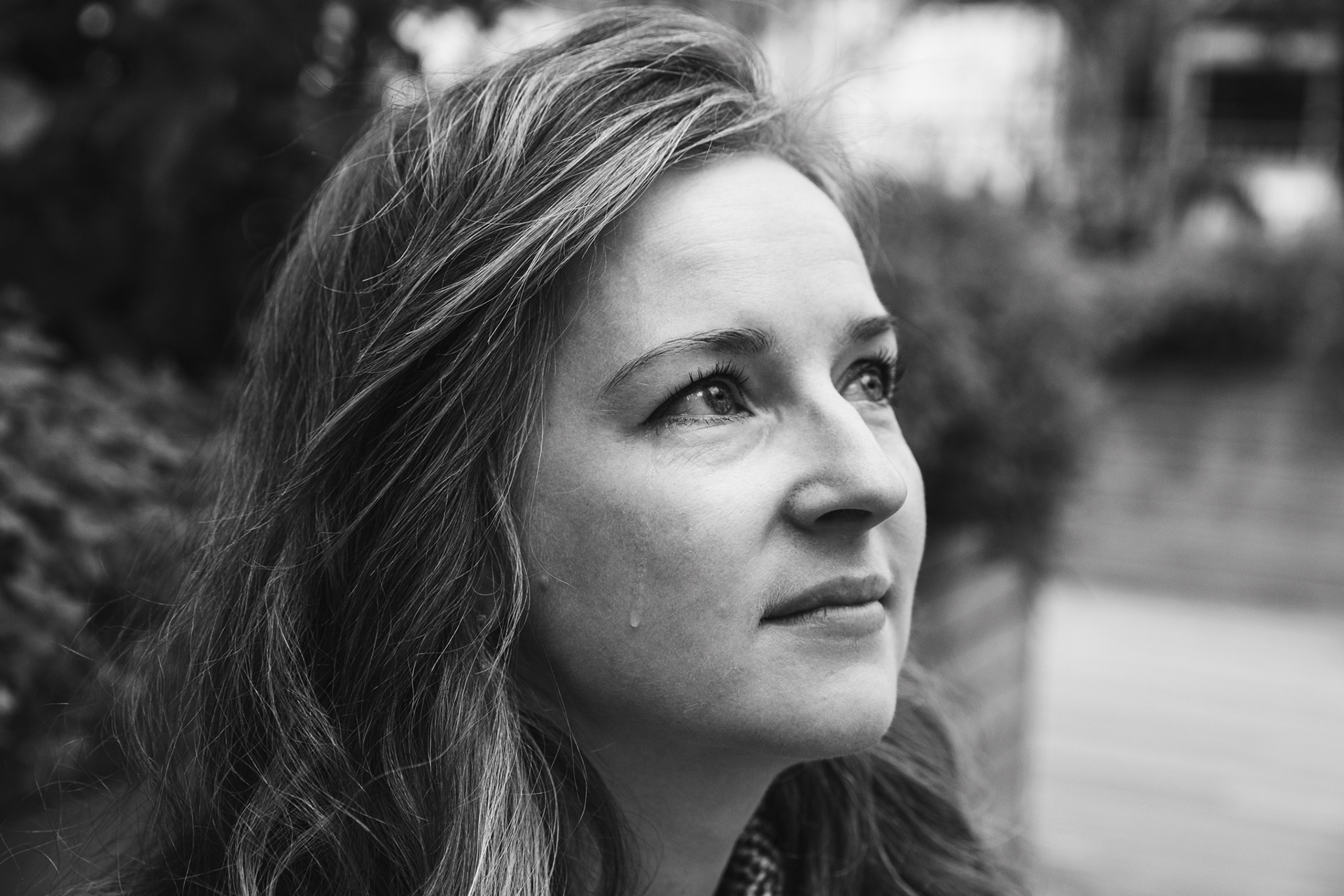
The morning of 24 February 2022 did not begin with an alarm clock for Kateryna Taran, a resident of the Teremky district in Kyiv. At five in the morning, she was woken by a dull, distant sound that tore through the pre-dawn silence. It wasn’t a loud explosion that made the walls shake, but rather something muffled and indistinct, coming, or so it seemed to her, from the direction of Irpin. Yet, this sound possessed a strange power—it pulled her from a deep sleep, even though she could usually sleep through any noise.
"I didn't understand what it was, but I woke up—I mean, I really woke up," she recalls.
Kateryna stepped out onto the balcony. The street, usually sleepy at such an early hour, was already living a strange, anxious life. Below, she saw people with suitcases rushing towards their cars. It was a surreal scene that her mind couldn’t quite process. "I was watching and thinking: 'Where are you all going?'" She grabbed her mobile, and the news feeds began slowly but relentlessly assembling the puzzle of a horrific reality.
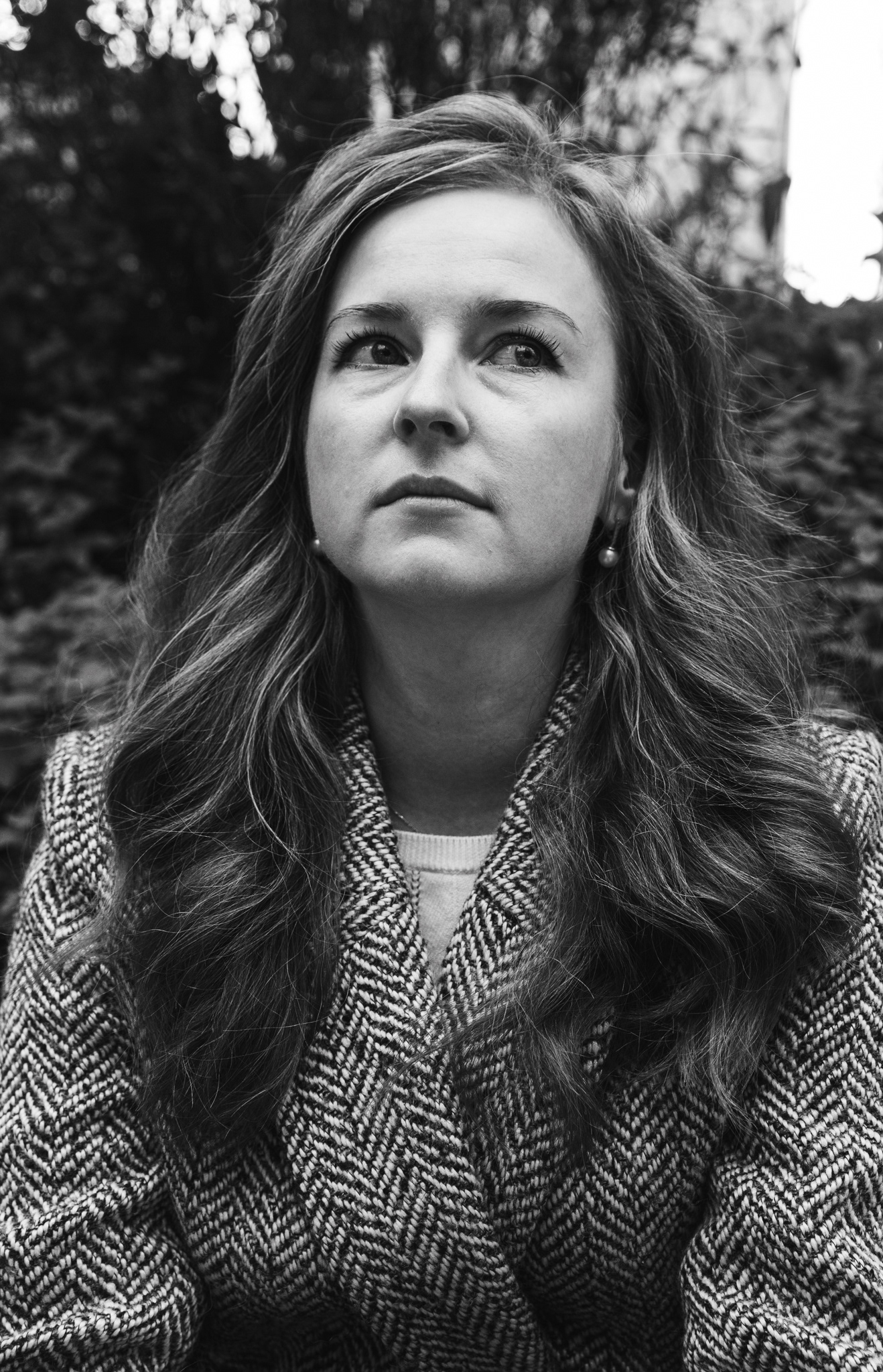

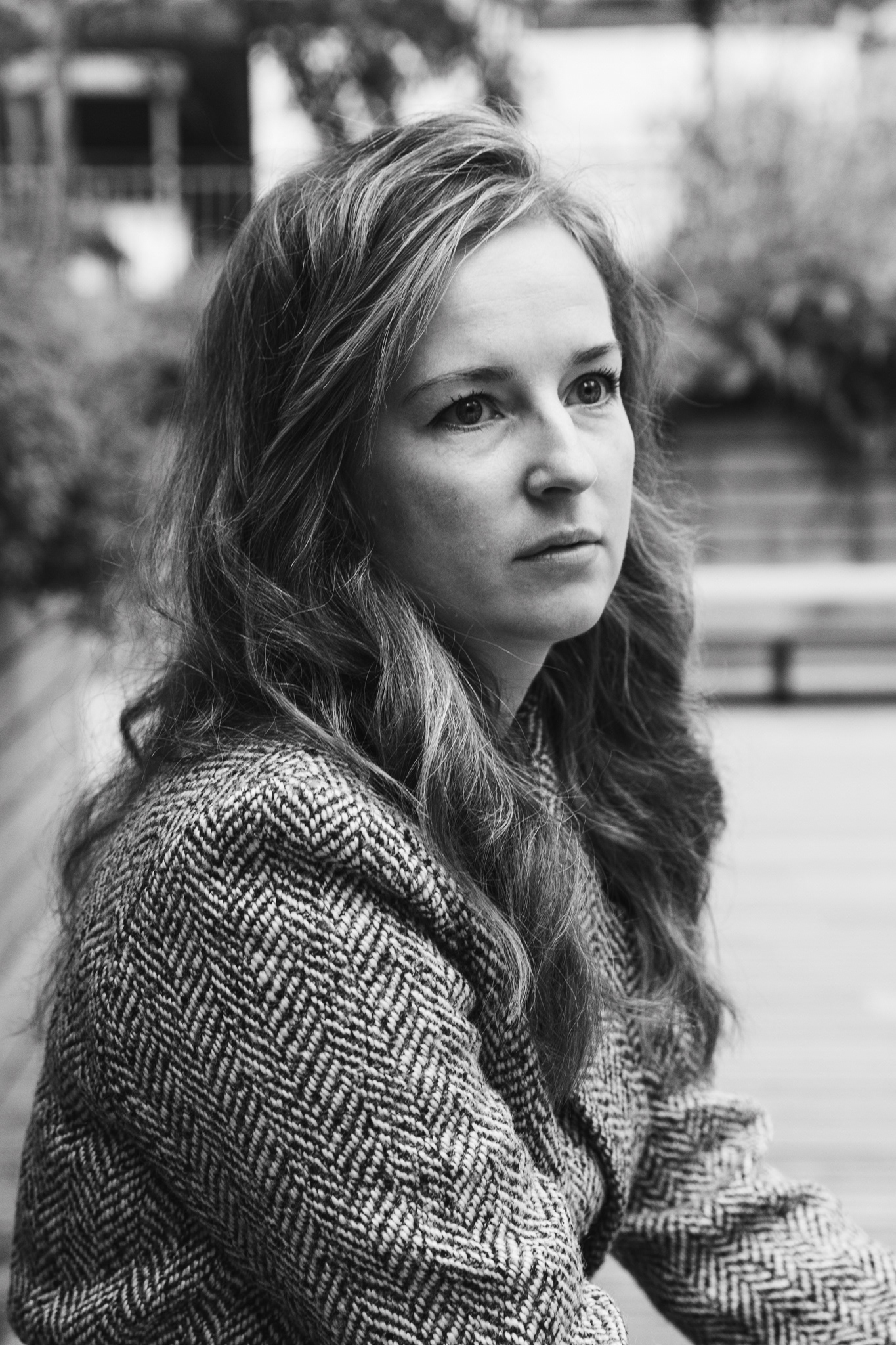
Even when her boss sent a laconic and terrifying message to the work chat at 8:00 AM—"Colleagues, the war has started"—her consciousness refused to accept it. Kateryna, dressed in her dressing gown, simply wandered aimlessly around the flat "like a ghost", not knowing what to do. She didn’t call her parents; she didn’t call her sister.
"Somehow, I don't know, I just couldn't call and confirm what I had already read. I just... didn't accept it. I didn't accept it at all."
Her world—filled with events, work, dancing, and travel—had suddenly ground to a halt. Only a few days prior, she had returned from Lisbon, and her suitcase, filled with absolutely inappropriate items, still stood unpacked in the corner. "There were blazers, summer clothes from Portugal, some tracksuit bottoms on top, and then just absolutely useless things." This was her only "emergency bag". She had pushed away thoughts of war, dismissing them as panic-mongering. She was living her life, and there was no room in it for explosions.
The day of 24 February passed in a fog. There were no tears, no panic—only total numbness. A friend called and offered for her to come to her place outside the city. Her parents decided to go to their unfinished house near Kyiv—a place with no kitchen, no furniture, "no beds, nothing". Kateryna, still unable to find a logical explanation for events, went to her friend’s.
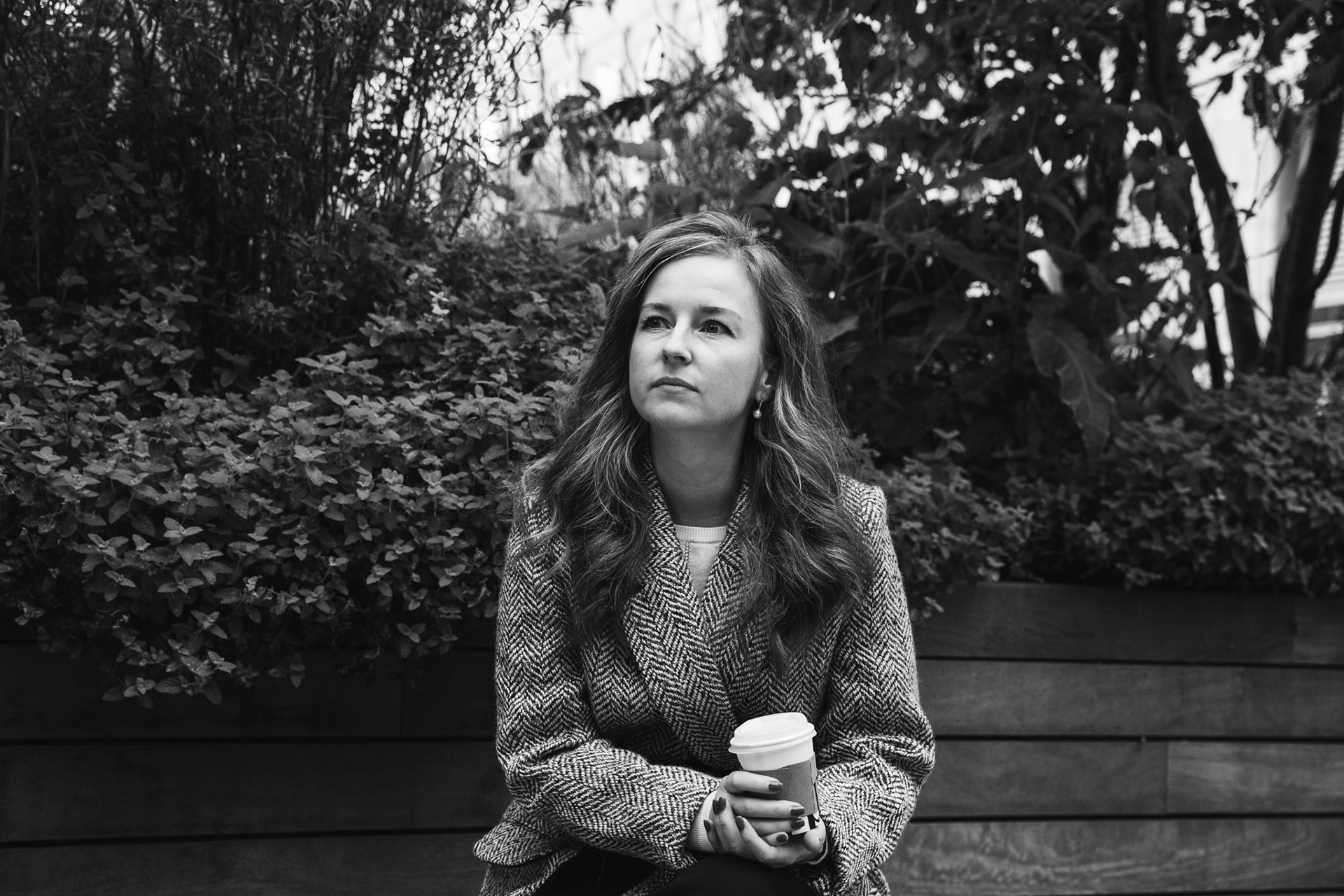
"Why did I go to my friend's and not with my family to a safe place? I can't explain it, but perhaps that’s just how it was meant to be," she says.
She thought she was going for a day or two. That "day or two" stretched into a week filled with a fear that words cannot describe.
"It seems to me the word 'fear' is too small to explain this feeling. It’s impossible to explain... It’s a sensation that has no name. A complex mix of everything. Firstly, it feels like you are about to die. Like it’s the end of everything. And as day after day passed, it felt as though a year had gone by, that’s how long the days were."
That week near Kyiv, where everything was booming and exploding, became the beginning of a long journey, the destination of which she could not even imagine at the time.
A Road Without a Map
On 5 March, after a week in a state of constant uncertainty, Kateryna left Ukraine with her family and friend. The first stop was Lviv. From there, a true odyssey began. Kateryna and her friend boarded a commuter train packed with people, animals, and an all-consuming sense of confusion. "Everyone and anyone was travelling; people were on top of each other, with dogs, with cats. It was just such a crush."
They had no plan. There was no one waiting for them on the other side of the border. And it was at this moment that her brain produced a mad, yet saving idea. A few months earlier, she had met a guy on Tinder. They had seen each other once. The only thing she remembered about him was that he lived in Košice, Slovakia. It was a "Plan B" born of desperation.
"I messaged him and said: 'Listen, can I stay the night at yours? With a friend.' Honestly, it was just... surreal. I’d seen the person once... He was like: 'Well, okay.' Then I wrote: 'And can you pick us up at the border too?' He agreed."
This near-stranger didn't just let them stay; he met them at the border. From there, the route was plotted by another friend—from Zagreb. She drove from Croatia to pick the girls up and take them to her place.
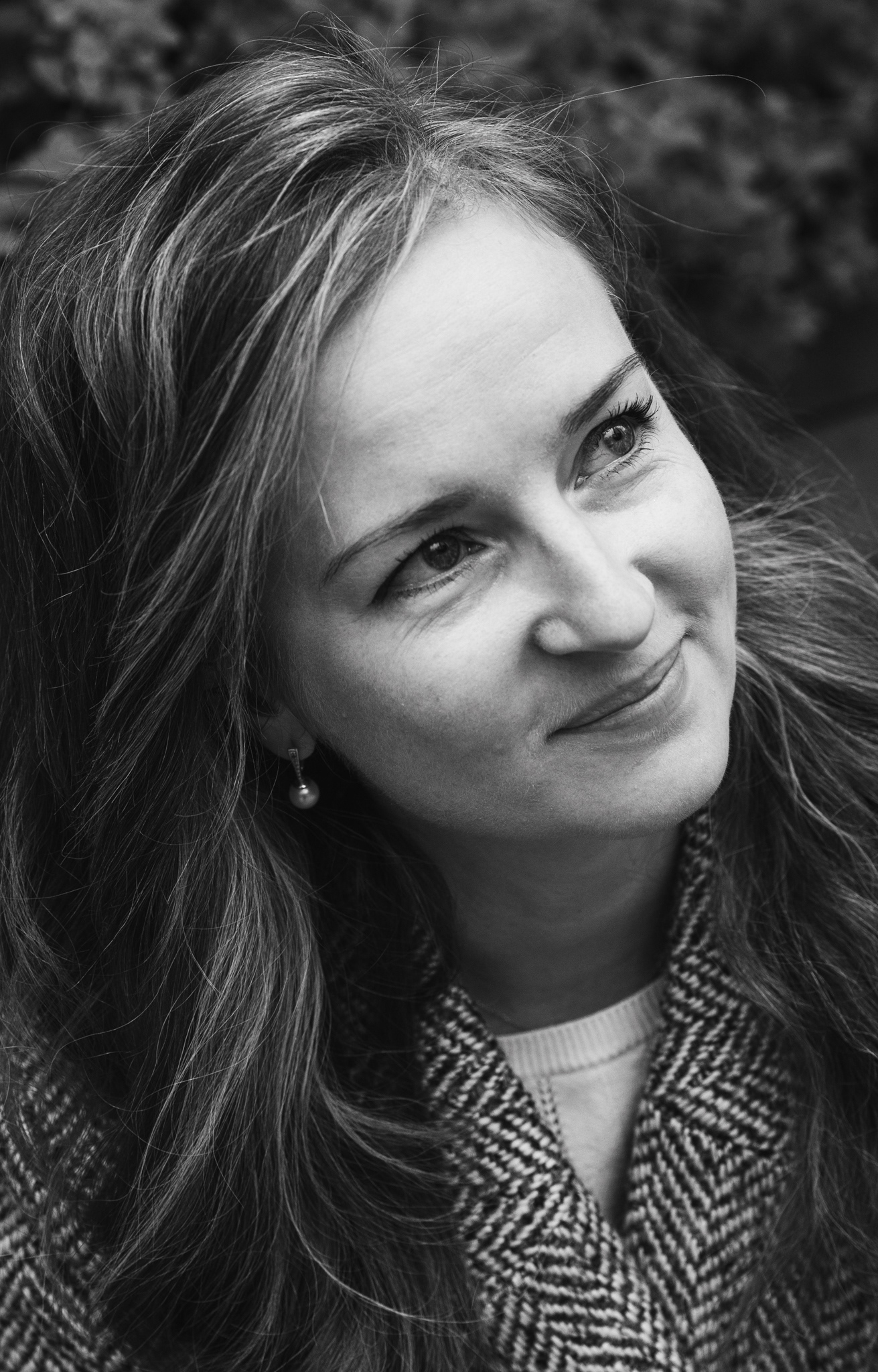
Kateryna spent the next three months in Zagreb. It was a time of relative safety, but the internal fog did not lift. "For me, the year 2022 is a very foggy year. I remember it, but it’s... like telling a story about childhood. You remember general moments, but you can't explain why things happened one way and not another."
She understood she couldn't stay with her friend forever. She needed to move on, but where? The option of returning home wasn't even considered. "Not because I’m afraid... There simply wasn't such an option, full stop."
Once again, a friend intervened in her fate—this time, one living in Israel. She told her about the British scheme for Ukrainians and gave her the contact details of a woman named Zhenya. Kateryna called her to ask for details, but Zhenya wasn't interested in long conversations.
"She didn't intend to talk to me. She told me: 'Send the passport over, send the bank statement. We'll get it done. There is a lovely lady in Bedford who will take you in.'"
Kateryna, as she says herself, "didn't need much persuading". She sent the documents without any expectations. "Unlike applying for a job, where you sit and wait, back then I expected absolutely nothing. If it works out—good; if not—then no."
It worked out. Incredibly quickly. Four days later, the visa arrived. Thus began her British story. A story she didn't choose, didn't plan, but which became her new reality.
Connection Across the Distance
Upon arriving in England, Kateryna did not leave the war behind. She never turned off the air raid notifications for Kyiv on her phone. It is her connection to home, to the family that remained there.
"I haven't turned off the alarm once. I need it. It’s a connection. I don't want to break this bond, and in this way, I feel involved in what is happening there. When an alert comes through, I read the news and ask my relatives how they are."
Despite the thousands of kilometres, her family remained the centre of her universe. "My family and I are very close; I’m in touch 24/7, speaking to my mum several times a day." But this closeness at a distance brought pain, too.
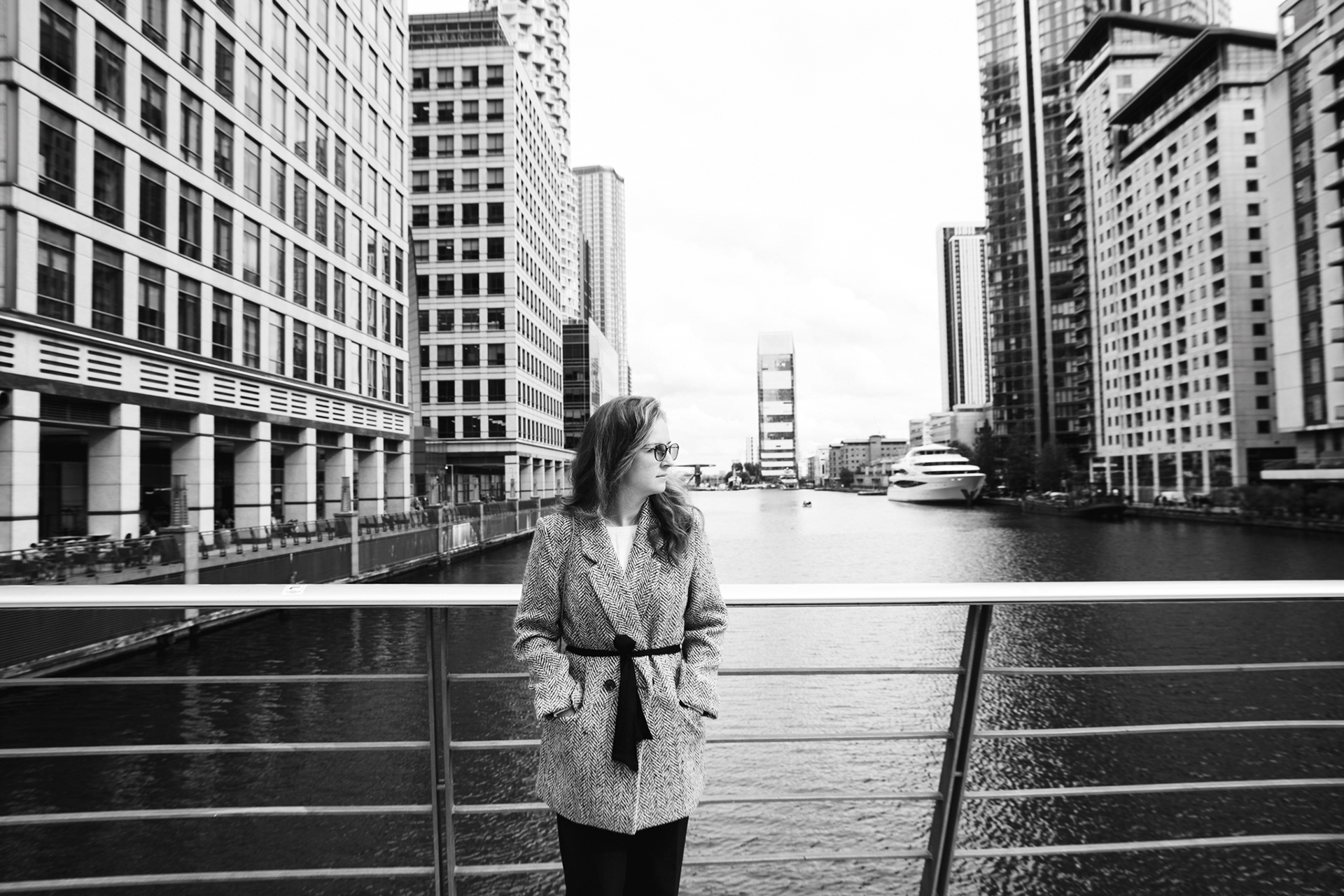
"My connection with my family... It hasn't exactly broken, but it has become like when people used to call their grandmothers via the operator on long-distance. That’s how I communicate now—'via long-distance'. I don't have the access to meetings that I need and that I’m used to. I miss that."
From time to time, doubts would wash over her. "Sometimes I think that perhaps I was wrong to move." Trips home, which she craved so much, were rare due to limited holiday allowance and turned into emotional trials rather than rest.
"Going home isn't a classic holiday. You have certain emotions, you see your places, meet people, see your old office..." she explains.
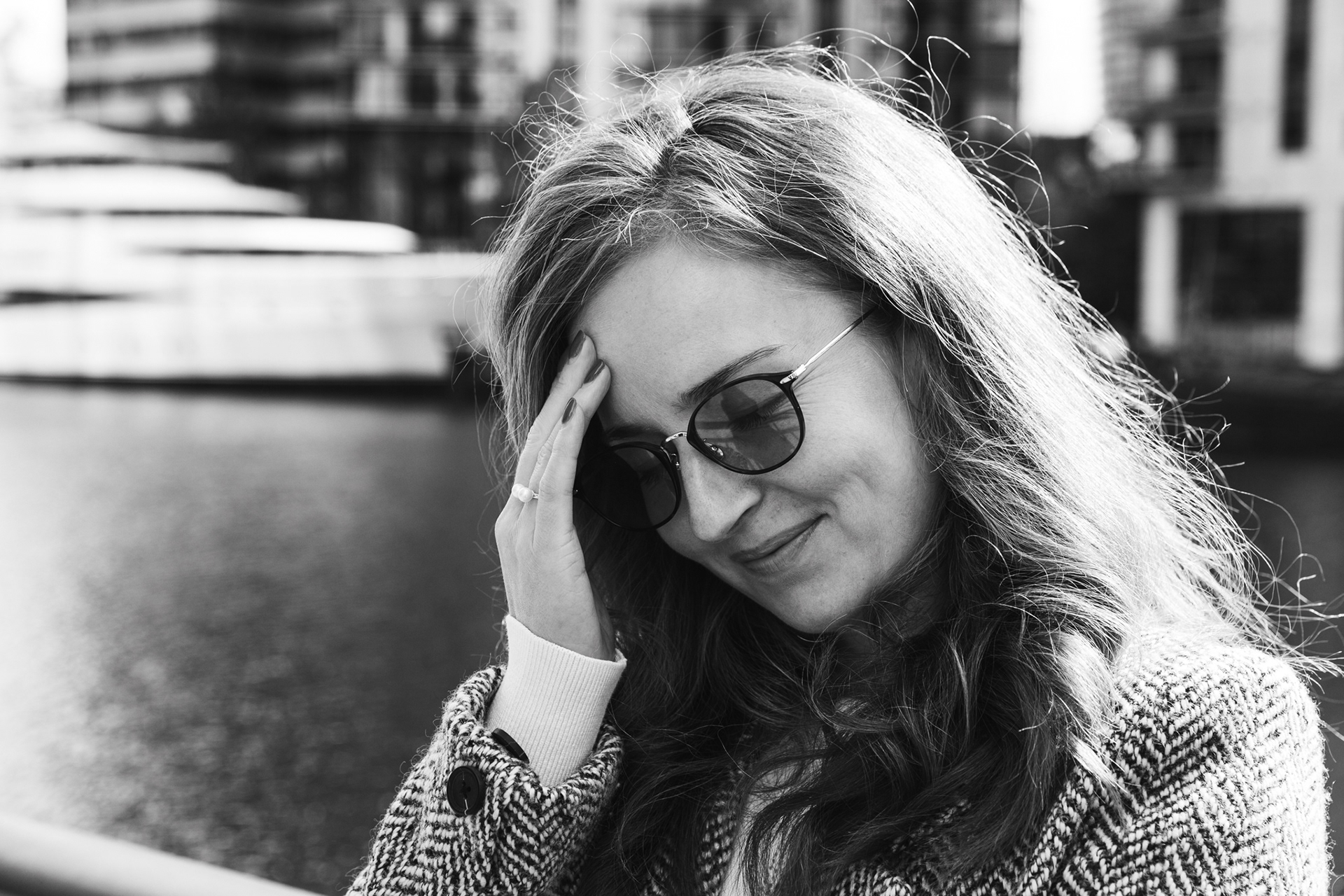
But Kateryna is a person who rises to a challenge. She set herself a goal: to integrate, learn English to a professional level, and find a job. Her schedule was frantic: remote work, online classes, college. Her sponsor became a huge support. "She understood what it meant to move. We could sit at dinner in the evening and talk until ten o'clock. Just non-stop."
However, integration isn't just about language, but also about accepting a different culture. A culture of politeness which, with her directness, she found hard to get used to. "There are rules of the game, and you play by these rules. Because if you don't play, it will be harder for you." She became a different version of herself, trying to sound the way things are done here, while attempting to preserve her identity.
Storming the City of London
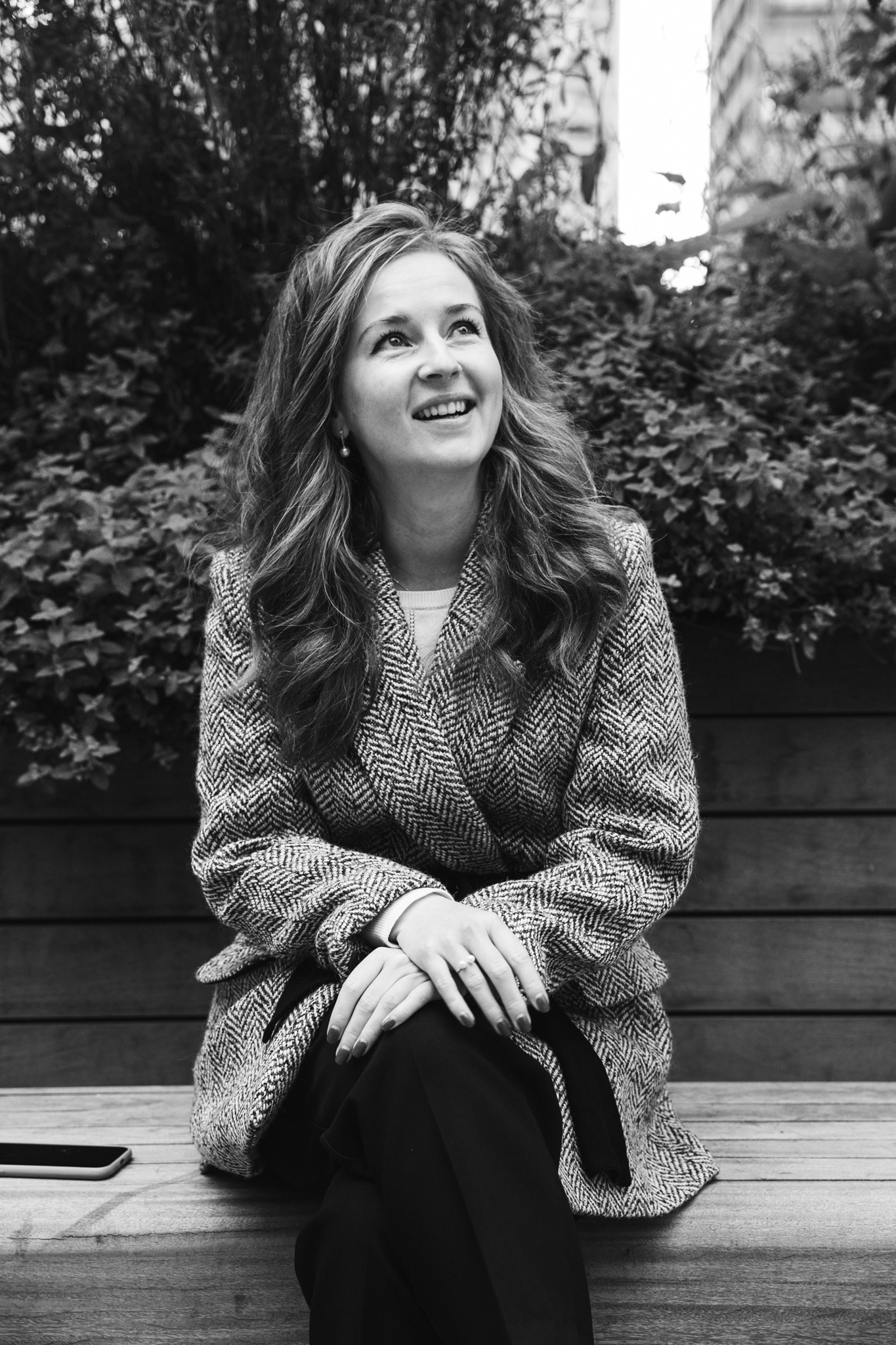
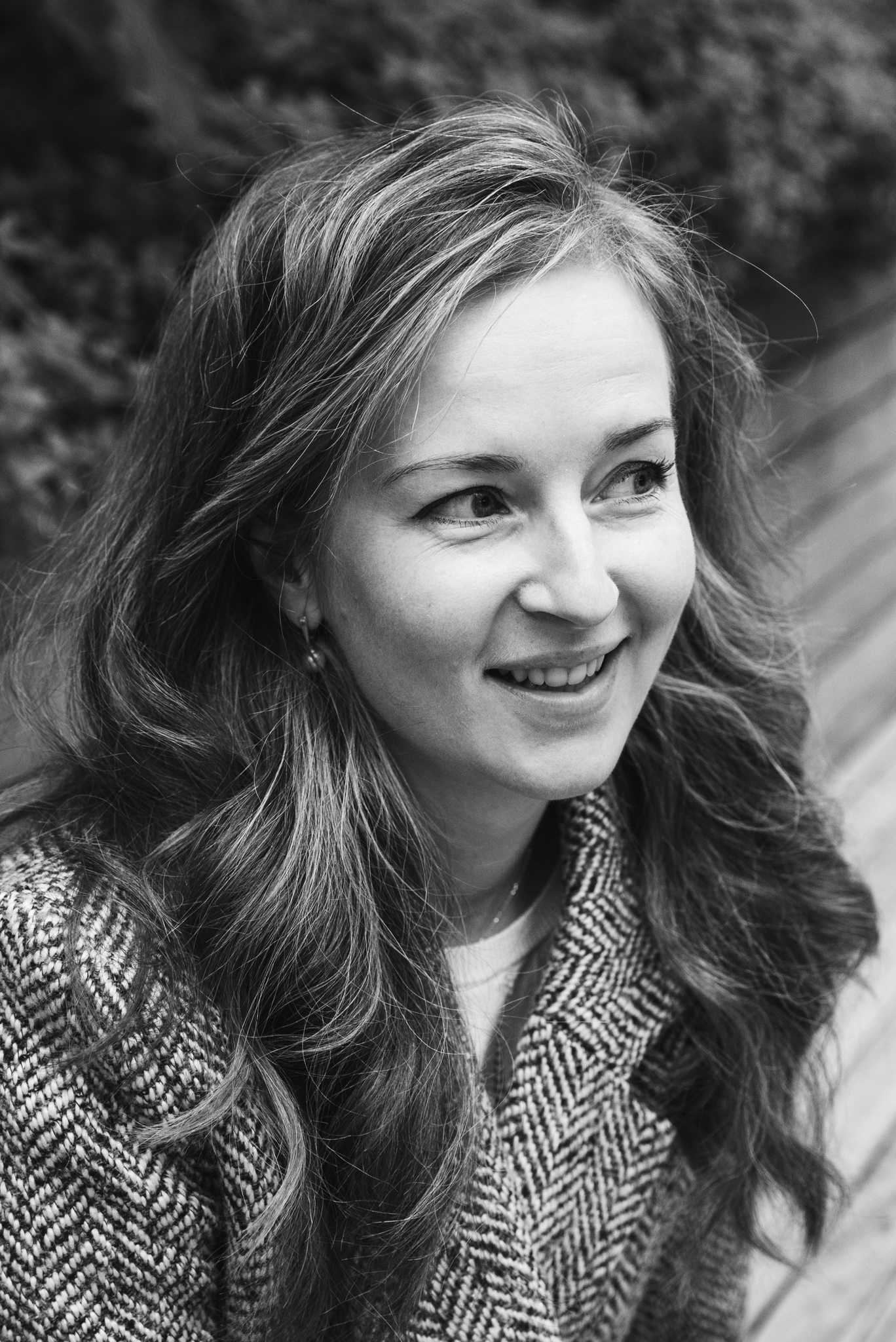
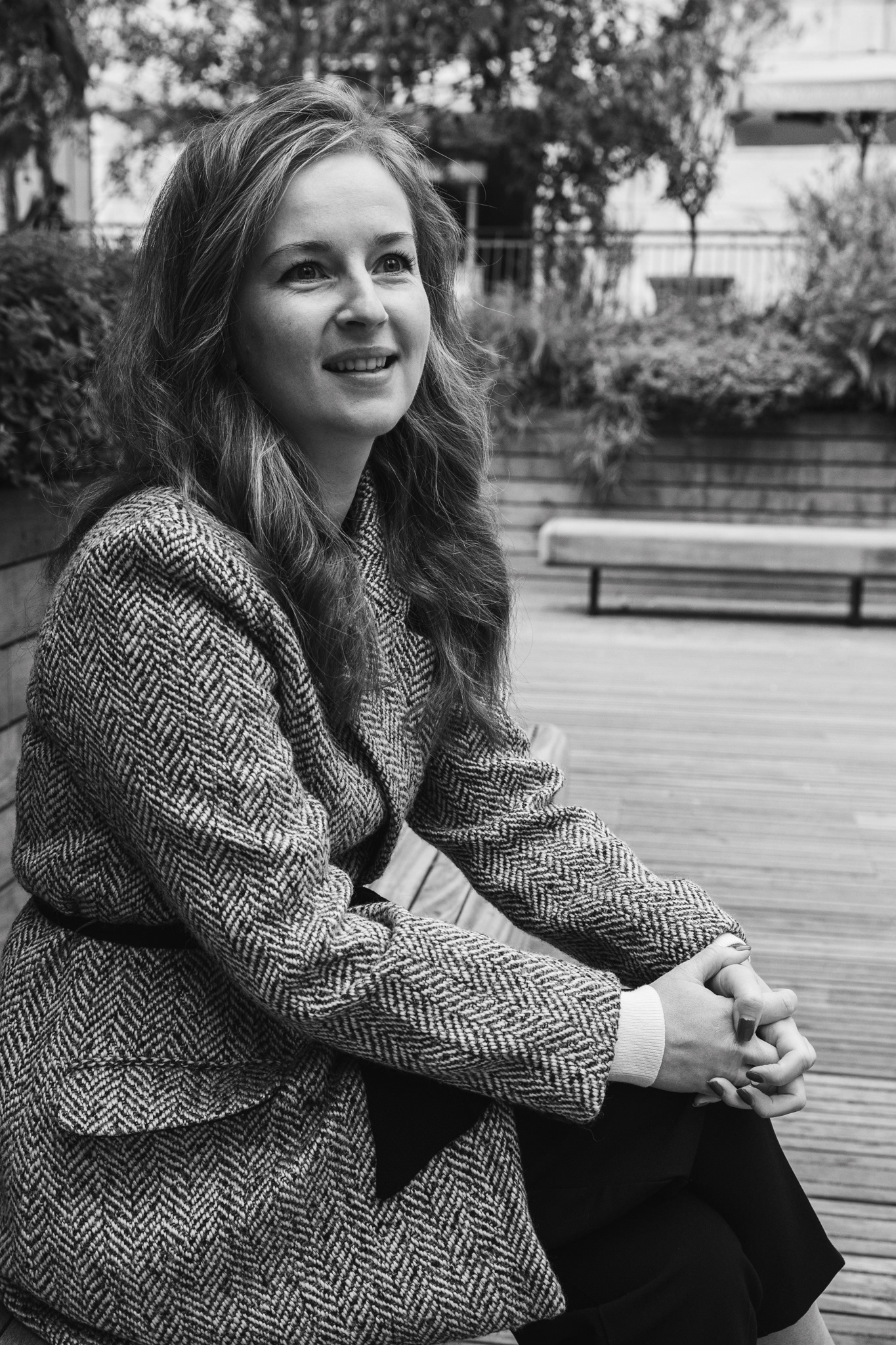
At the end of 2022, the story of her Ukrainian job came to an end. A new, most difficult stage began—searching for a job in London. For someone with ten years of experience in the banking sector, it was a genuine challenge. The competition turned out to be staggering.
"The competition is so high that when I went onto some vacancies on LinkedIn and saw that 500 or 700 applications had already been submitted... I didn't even apply for those. You think: where are you amongst all those applications?"
Kateryna realised that a standard approach wouldn't work. She turned job hunting into a full-time job. "That was work too; I was busy all the time," she says. She radically changed her strategy.
"I realised I’d better make one very high-quality application than just click 'apply' fifty times with no one getting back to me. When I started preparing for each submission, that was when I began receiving some feedback."
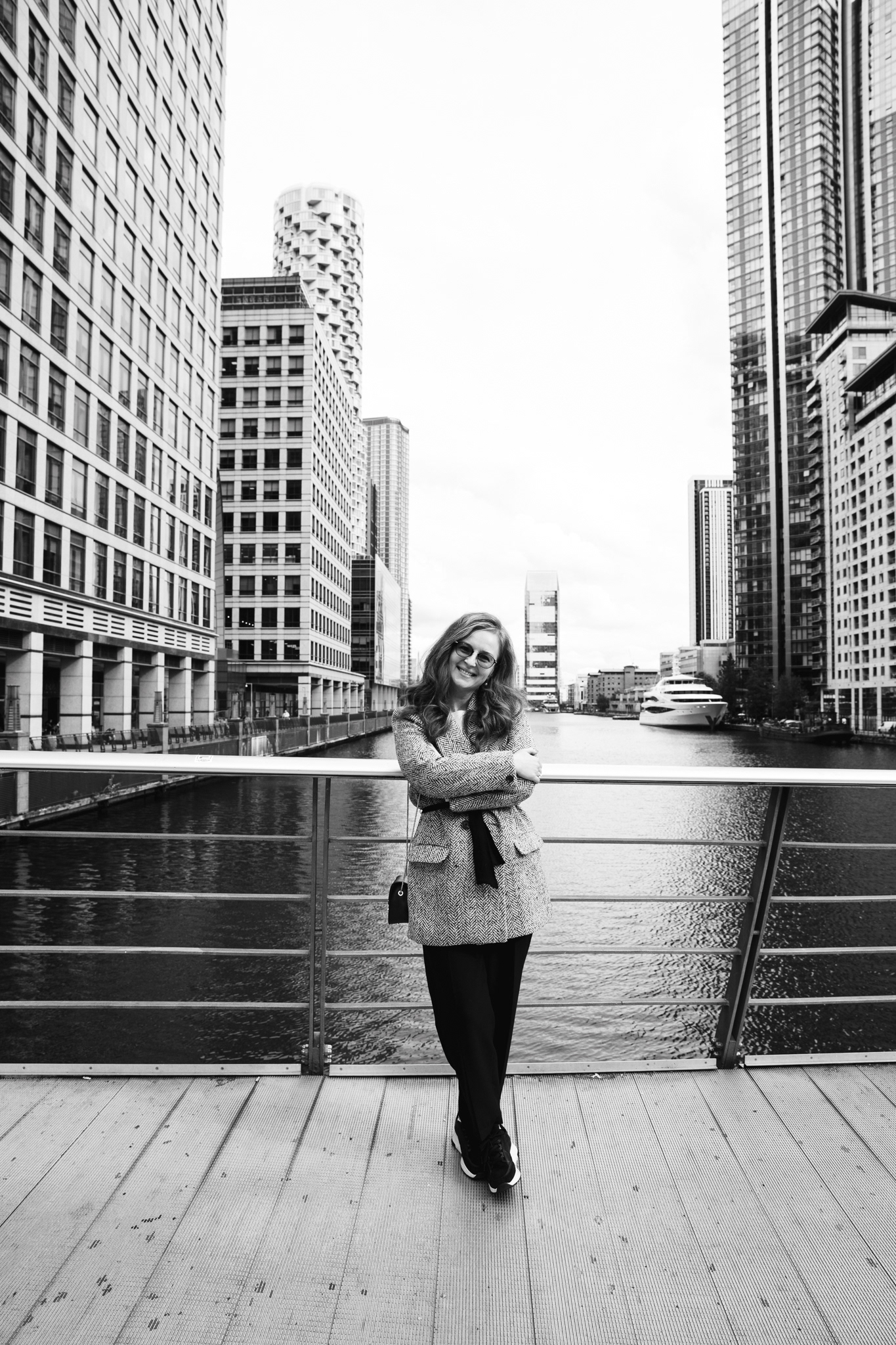
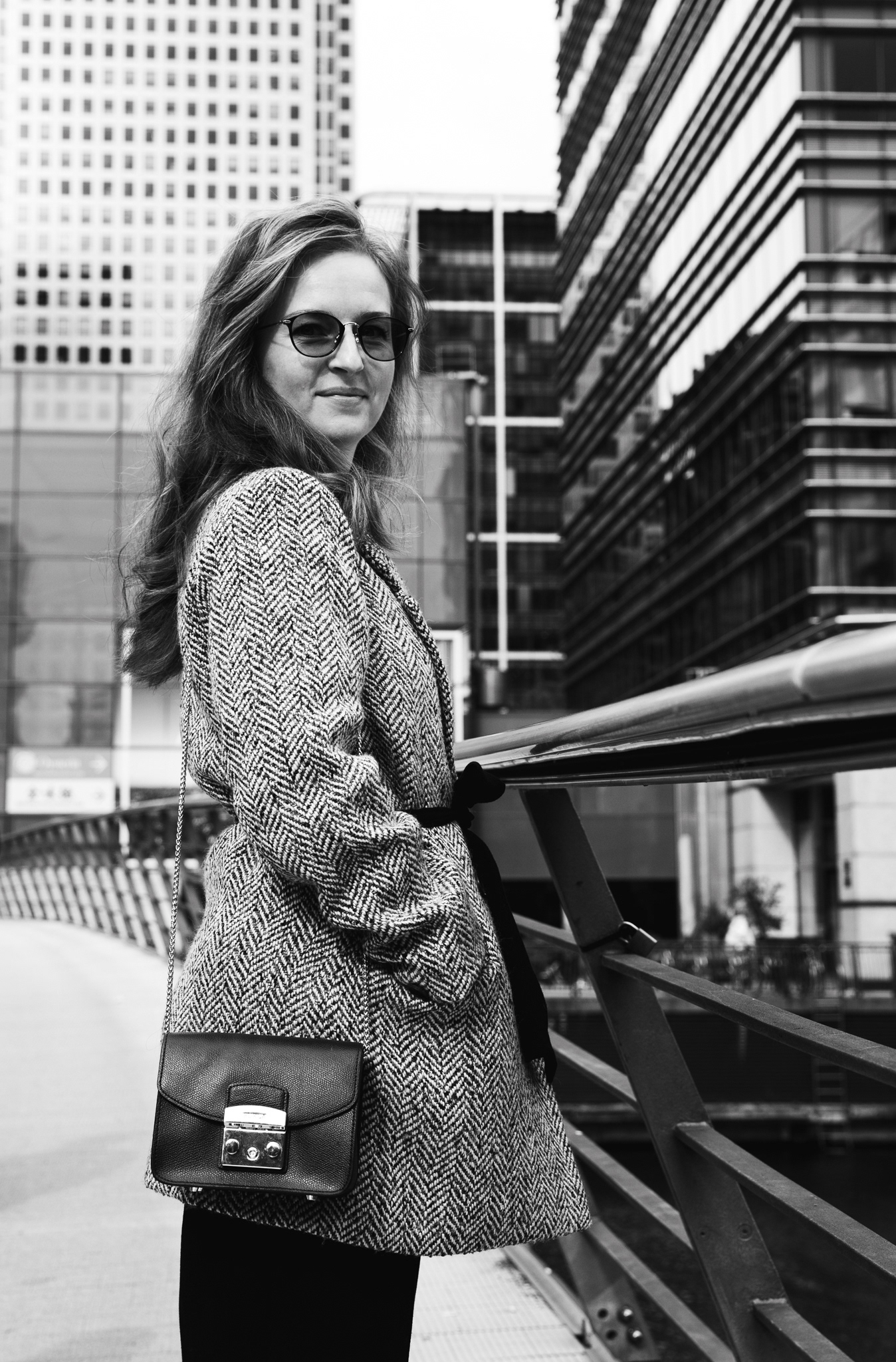
She created an Excel spreadsheet of 80 recruitment agencies and methodically contacted them all, adding her CV to their databases. "Recruitment agencies work very well here," she explains. This was her key decision. The agencies conducted preliminary interviews with her, clarified her experience and goals, and then proposed her candidacy to the banks themselves. This gave her a huge advantage.
At every interview, the visa question inevitably arose. "A very important block was the visa issue. When does it expire? What happens if it isn't renewed? For large corporations, a two-year visa is nothing."
After three months of intensive searching and around fifteen interviews, she received an offer from Citibank. The initial period at the new job was filled with fear. "I was terrified that I wouldn't be able to do anything, wouldn't understand anyone."
But she could. She managed not just to fit into the team, but to become a valuable employee. The company supported her by providing a Skilled Worker visa for five years, which gave her a sense of stability. She moved from quiet Bedford to London, closer to the office in Canary Wharf.
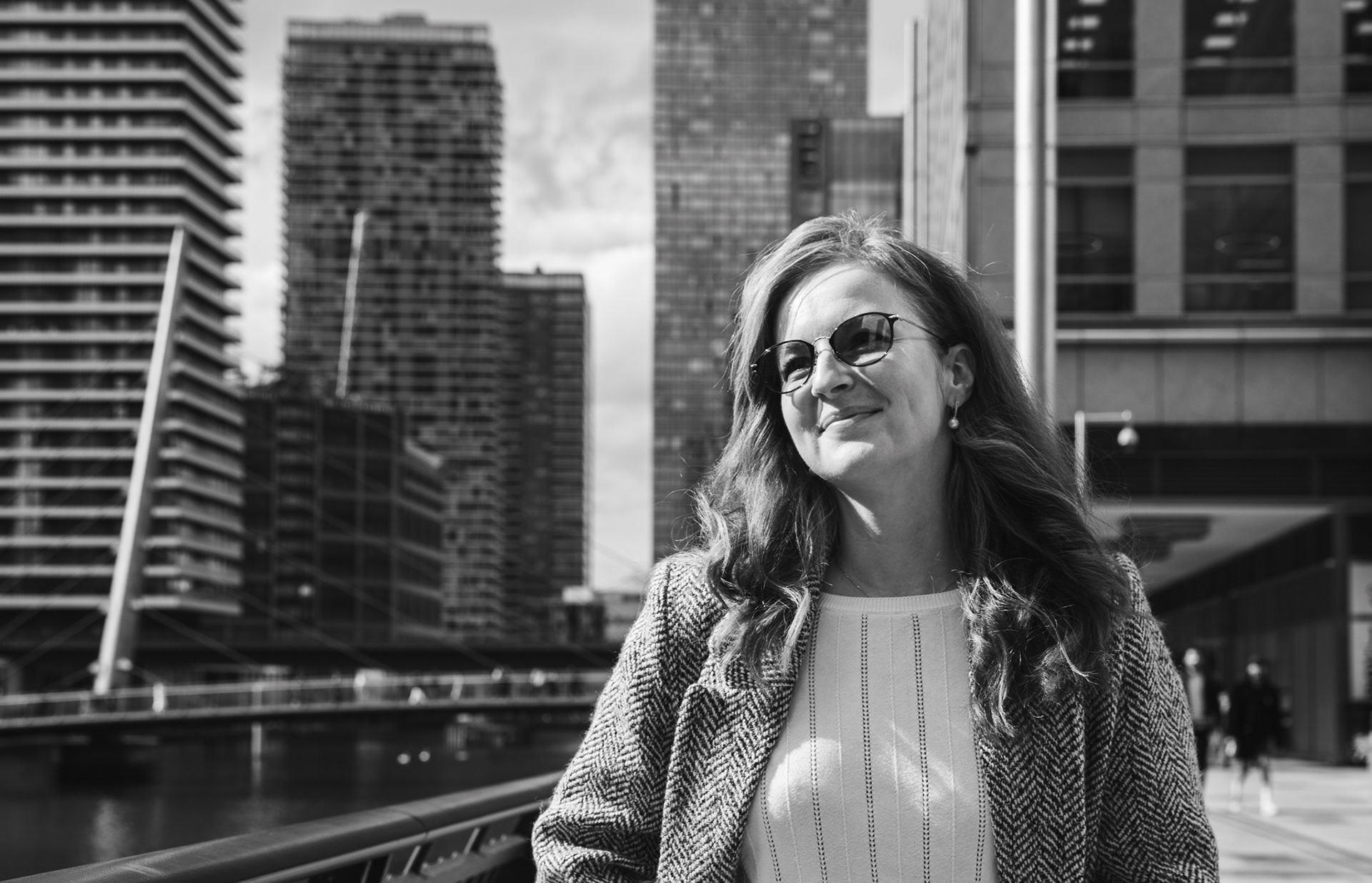
Sometimes, riding the train to work, she catches herself thinking: "I am going to London, and I work at Canary Wharf at Citibank. What even is this? What fairy tale is this from?"
Life still throws up challenges. But now she looks at it differently.
"I think I’ve done well. Looking back... I sometimes pinch myself. We’ve done well. Me and my young team—we did it."
She has learned to celebrate her achievements, even the smallest ones. "Figured out how to submit meter readings. That is my achievement. That is my victory." She has become the project manager of her own life.
"I rely on no one; I rely on myself. That’s why I don't expect anything from anyone. I organise everything that happens in my life myself."
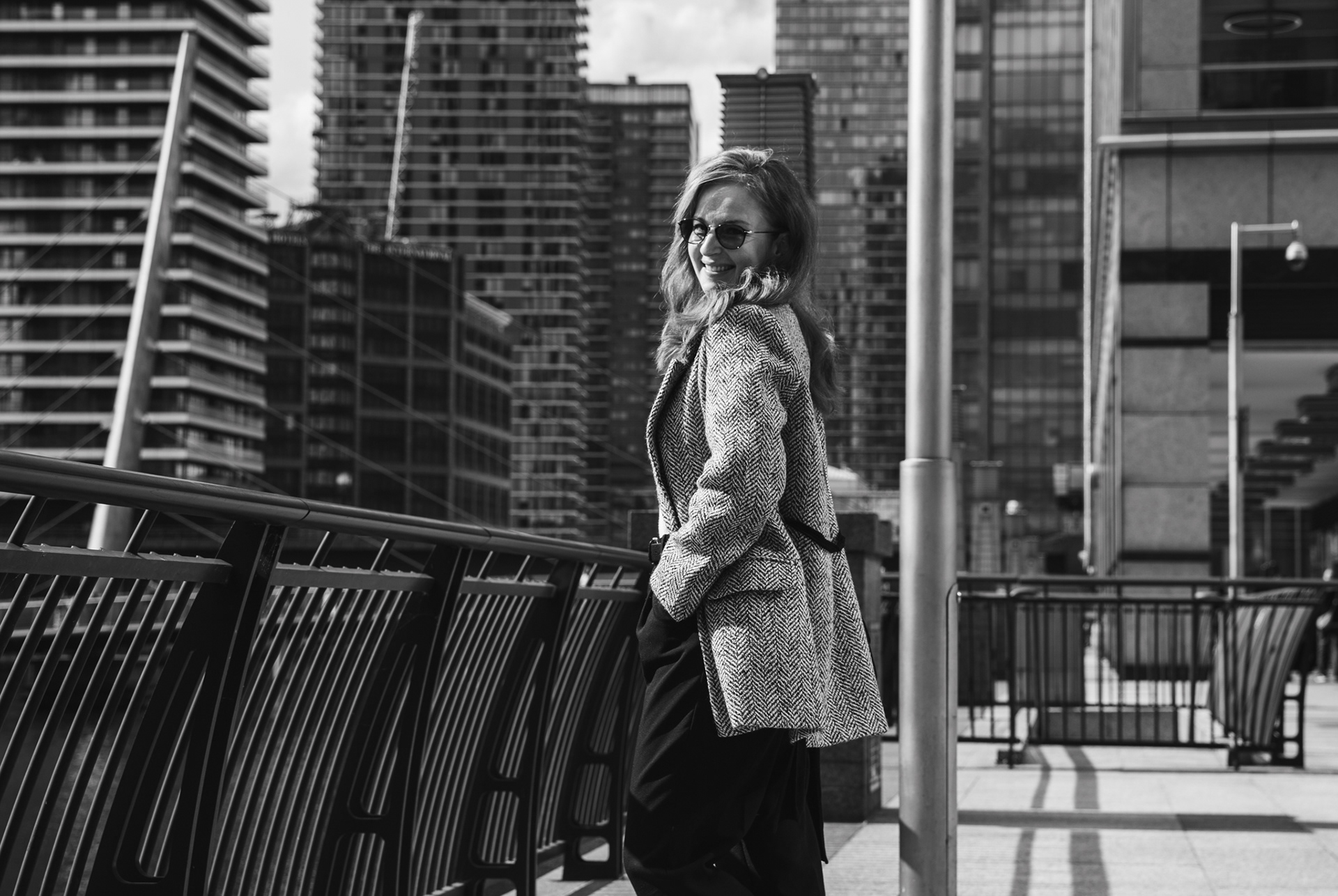
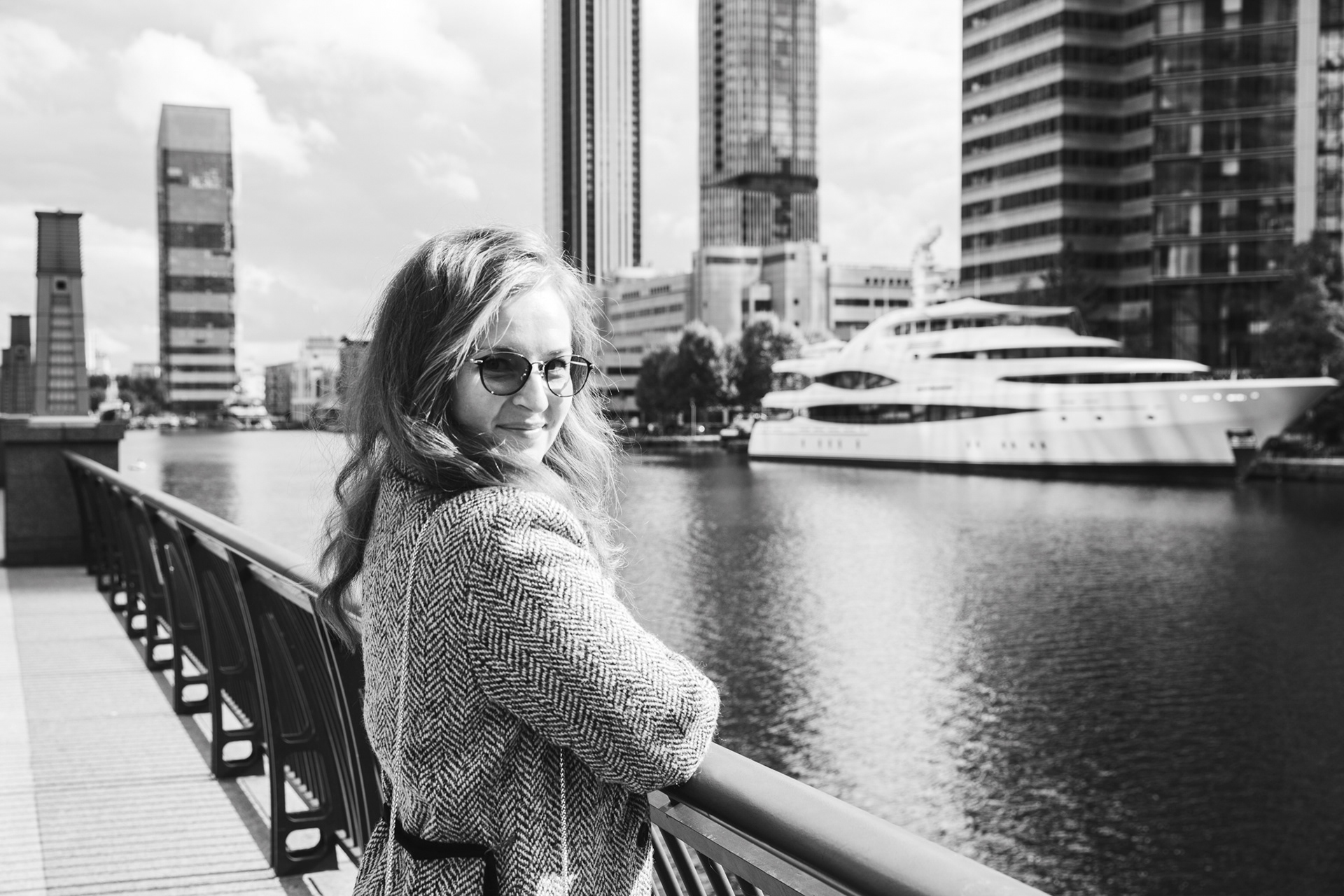
Kateryna's story is not a fairy tale about instant success. It is a story about daily work on oneself, on a life that was destroyed and then, brick by brick, built anew. It is a story about incredible strength of spirit, about resilience that allows one not just to survive, but to find the strength to move forward and build a future, even when the past has been torn out by the roots.