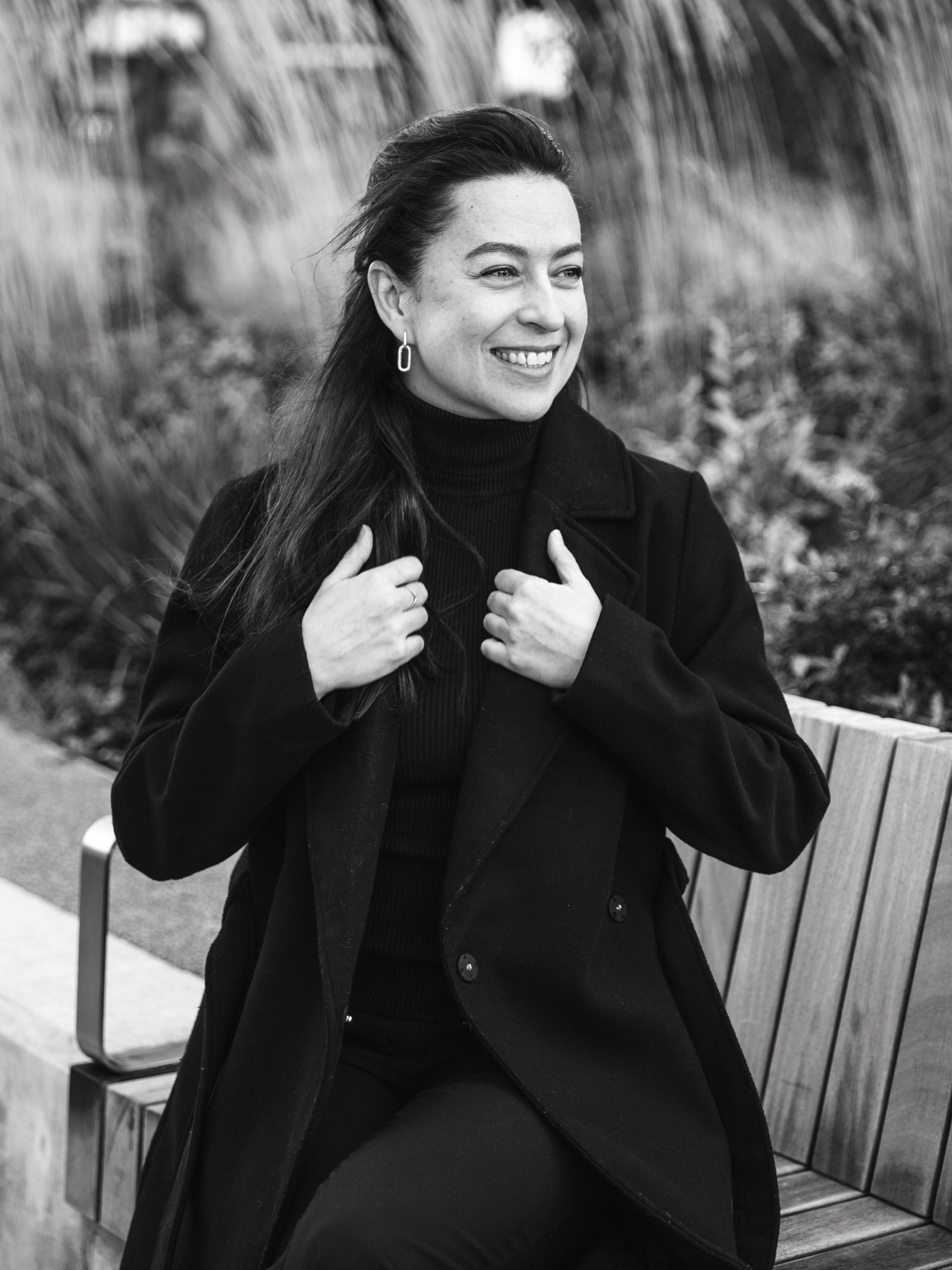
Glassy Mornings and Rucksacks Full of Books
For Liza Fedchuk, the war began not with the news, but with a premonition that hung in the air like heavy smog as early as 23 February 2022. While Kyiv drifted into an anxious sleep, her husband and his friends gathered for an emergency meeting. At nine in the evening, they were drafting their own "survival plan": what to do if the enemy approached from the Left Bank, and where to move if they came from the Right. Liza's husband missed the meeting due to work, so his friends sent him a long voice note.
"We listened to that audio until one in the morning. It was a detailed briefing: how to act if the invasion began. We all understood we had to flee the city centre because we expected strikes on infrastructure—electricity, water, communications. They wanted to cause a collapse, to cut people off from civilisation. That is exactly what we were preparing for," Liza recalls.
They were living with her husband's parents as they didn't have their own place. The entire financial and moral burden rested on their shoulders; Liza’s mother was terminally ill with cancer. she was in hospital, entirely dependent on an oxygen machine. Every minute of her life was a struggle that Liza paid for with her own fortitude and resources.
At five in the morning on the 24th, explosions shattered the silence. The windows were open—the flat was always hot, and that night the air felt particularly thick. Liza didn't panic. She already had everything packed: gold, documents, money. But there was one strange, almost irrational choice, dictated by genetic memory. She was packing school textbooks for her eight-year-old son.
"People were taking essentials, and I was taking books for my child. School books. Why? I never liked war films; they were always too hard for me. But everything I knew about war from my grandmother was about hunger and the fact she couldn't finish school. She wanted to study so badly... And I thought: my child needs books above all else. I prepared myself for running through fields, so I dressed for comfort, packed wet wipes, torches, and batteries. A hairbrush? I didn't need that. Just the books."
An Impossible Choice: Mother or Son
They fled to Obukhiv, to her sister’s house in the countryside. There was an autonomous water supply; it felt like a safer place to "wait it out." But Liza’s brain was already in overdrive. She was in a state of paralysis.
"Before the war started, my brain was so overloaded that I’d completely switched off critical thinking. I couldn't figure out where to go or what to do. My husband made the decision: my son and I had to leave the country, while he and his brother stayed in Kyiv to look after my mother in hospital. That decision was incredibly hard for me to accept."
It was an impossible dilemma: save her mother, who couldn't breathe without electricity, or save her son from the horrors of war.
"We couldn't bring her home because she needed the oxygen concentrator and constant power. We didn't know if the power would stay on. Without it, she would simply suffocate and die. We left her in the hospital because it was stable there. And I left, not knowing what to do: save my mother or my son? We would wake up and run to the cellar. My brother-in-law joked that he’d dug it for potatoes, not for us, but we ran there anyway."
Liza spent ten days near Kyiv in a state of "freezing." She saw others volunteering, but she couldn't move.
"I am a 'goose' in events I can't control. The most I can do is give money. But that kind of activity? No, I just froze. The only thing I had the strength for was comforting my son. Telling him everything was okay. Every day you live like this: it will end tomorrow. It’s a state of mind: I’ll just sit this out, and it will all be over."
The "Knife in the Back" and the German "Hotel"
Her husband took them to the border. Then came Poland, where they stayed with relatives, and later Germany, where a friend had invited them. "I’ll go to her, then to France to see my brother, and by then the war will be over and we’ll go back," Liza thought. But reality was different. The friend they were staying with simply turned them out one day.
"She didn't say anything. Then one day she just said, 'Pack your things; I’ve had a call, I have to take you to a hotel for Ukrainians.' It felt so treacherous... You’re already broken, you don’t know what to do, and then someone you trust sticks a knife in your back like that. That was the first blow. On top of the war, on top of my mother in hospital—there was this human cruelty."
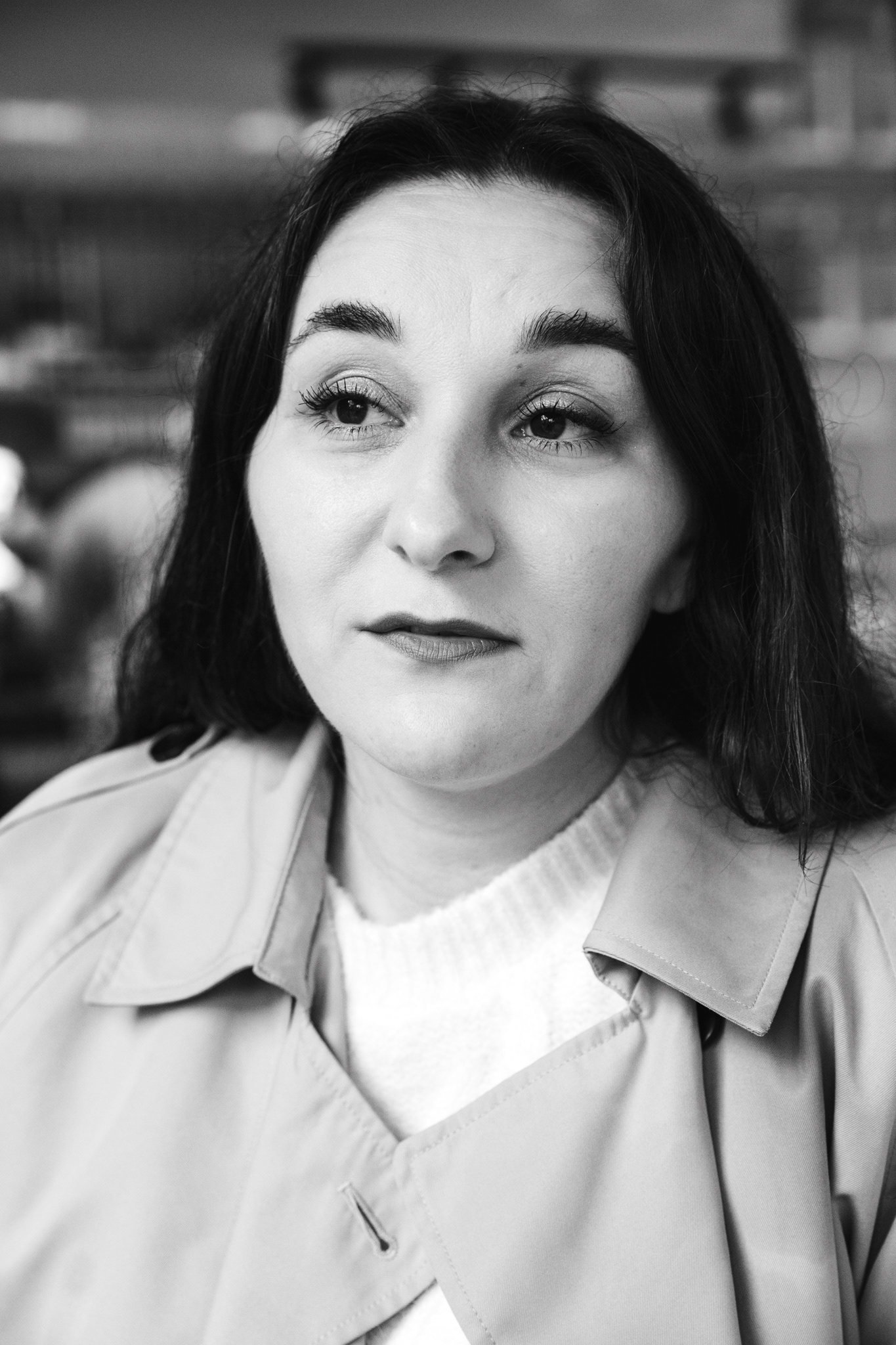
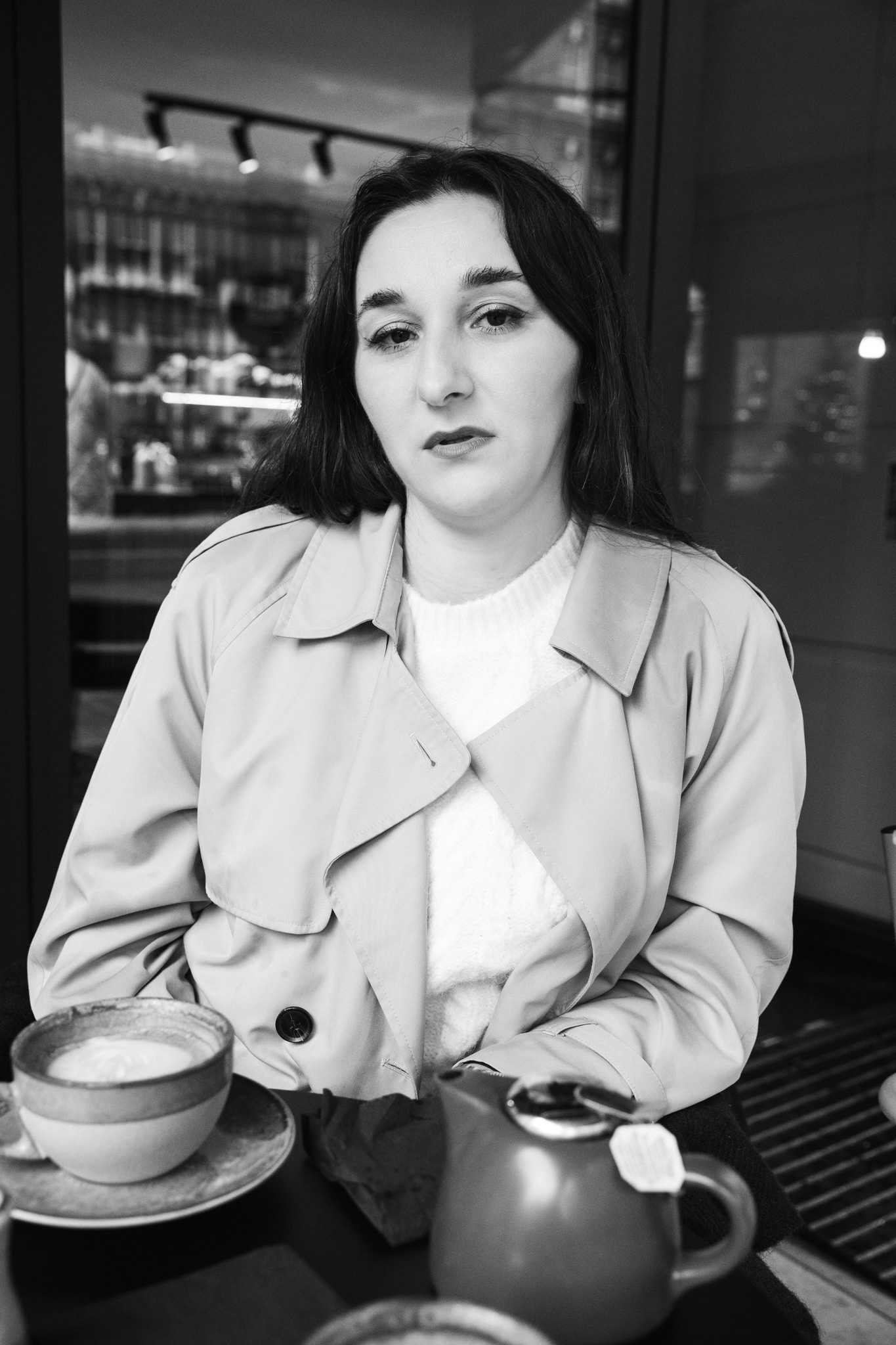
This migrant hotel became a testing ground for Liza’s values. Chaos swirled around her; people were throwing parties while thousands were dying daily in Ukraine.
"I didn't understand those people. There’s a war on, and they’re out drinking and partying. For me, it was a 'crazy time.' I wanted to go back, but my husband insisted: 'No, you’re not going anywhere. Just stay a little longer.'"
Double Loss and a Son’s Cry
The struggle lasted three months. During that time, her husband and his brother managed to move her sick mother from the hospital back home. Liza felt a slight relief knowing her mother was home and being cared for. But five months into Liza’s stay in Germany, her mother passed away.
She couldn't go to the funeral. Bureaucracy, documents, the fear of not being able to return to her son—it all paralysed her. Then, three weeks after her mother’s death, came the blow that completely reset her life. Her husband died. Suddenly. In his sleep. He was 45.
"It was so sudden... I lost everything at once. I lost my sense of security, my friend, my lover, my rock. I lost so many roles and no longer felt like anyone. It has been a long road to figure out who I am and if I’m even allowed to want anything anymore."
In that German hotel, Liza had to find the strength to tell her son.
"I cleared everyone out of the room. He screamed so loudly... I’ve never heard a scream like it. It wasn't crying; it was a scream. He kept asking, 'Why Papa?' and I knew I couldn't look for an answer because I’d get stuck in denial. I said, 'We don't know why. It just happens. However hard it is, we have to accept it.' My strength only stretched as far as comforting him and myself. That was it."
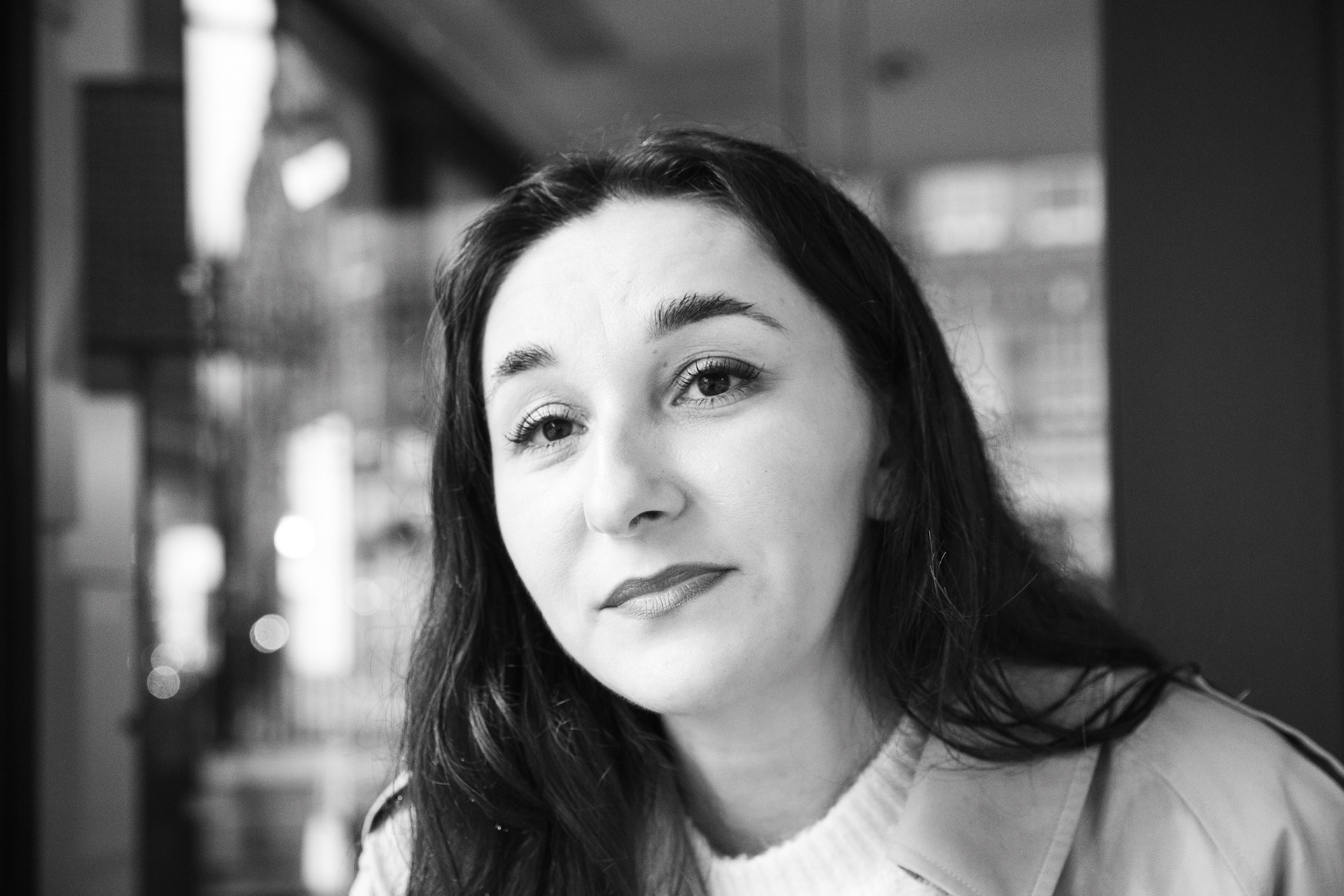
Liza didn't attend her husband’s burial—she physically couldn't. She just stayed in bed. To get to the toilet, her eight-year-old son had to help her up. she only made it back to Kyiv on the ninth day after his passing.
"When I walked into the room, I realised I had to sort through his things. It was a stage that was supposed to help me heal. I cleared everything out, gave his clothes away. People might have judged me—that 40 days hadn't even passed and I was already giving things away. But I needed it. My life had been completely zeroed out."
Professional Organising as a Path to Life
Returning to Germany, Liza lived like a shadow. Son's school, food, sleep. But this was where her professional nature resurfaced. Before the war, she had worked in professional organising and as a psychologist, helping orphans. When a colleague from Ukraine referred a client in Munich, Liza felt her first breath of fresh air.
"I was so happy, even though I felt physically terrible. It was the thing that brought me back to the real world. Something familiar, a routine. I finished that project, and other clients followed. I realised that life could go on. Despite being broken, there was something that still inspired me."
She began creating "islands of joy" even in the hotel. She bought decor, vases, and organised the tiny space she had. It gave her a sense of control. But Germany never felt like home.
"The Germans seemed very closed off to me. In all that time, not once did anyone invite us over. When they heard about my loss, they just nodded. No emotion. I felt a wall. But in England, I had acquaintances from church. I wanted to be in a community, among people who remembered me."

London: The Freedom to be Weak
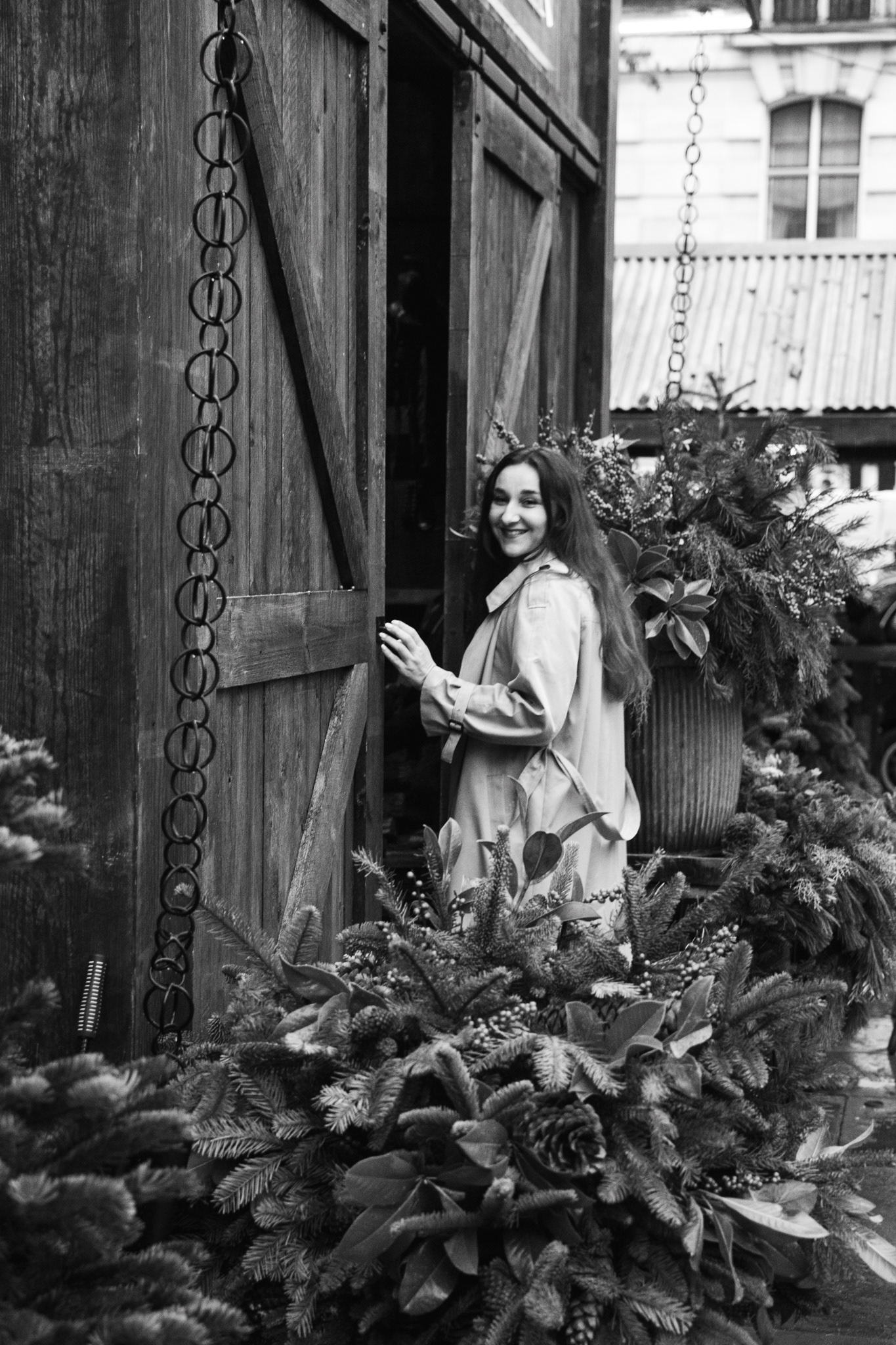
In the summer of 2023, Liza and her son moved to London. For her, it was a salvation. The transport, the Tube, the buses—it all reminded her of Kyiv. Her hosts were wonderful people, but living with them was still a reminder of what she had lost.
"When their relatives or children visited, it triggered me. They’d be having a big meal together, and I had no one. That’s why I wanted to live separately. And now that we’ve moved into our own flat, I can finally exhale. I can be imperfect. I can be weak. I can cry, I can leave the washing up. My home is my place of strength and freedom."
In England, Liza continues her work. Her English isn't perfect yet, but her hands know the job.
"I didn't go into cleaning, even though people expected me to. I said no, I’m going to work for myself. It gives me a sense of self-worth. I recently had a project for a British family. I only understood about three words of what they said, but that was enough. I arrange my boxes, I create a system. And when I see the result, the strength to keep going returns."
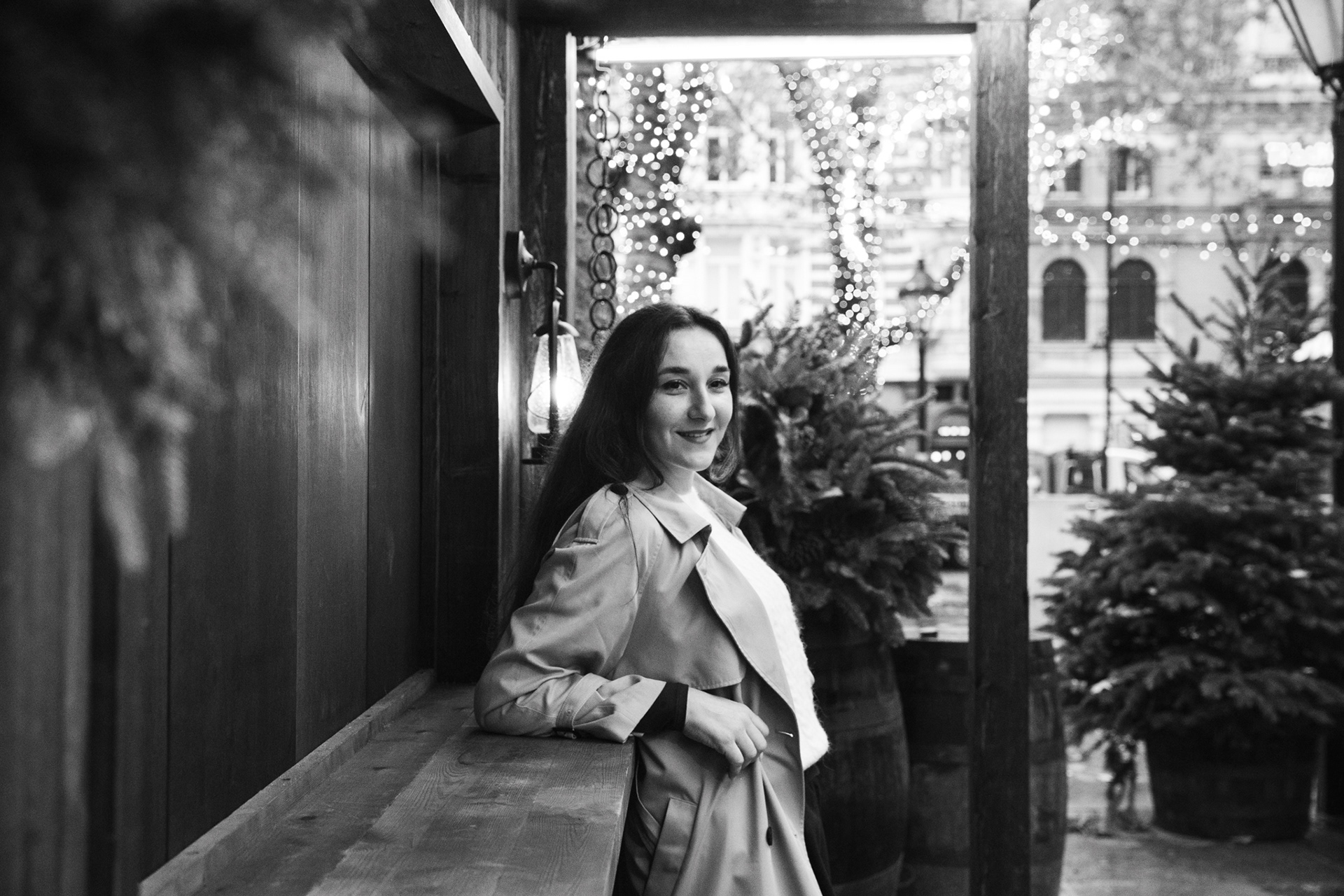
A New Heart: The Will to Live
The final trial was the death of her cousin, a close friend who had fled with her. It happened recently. But this time, Liza met death differently.
"I didn't ask 'Why did this happen?'. I asked God, 'Who do You want to turn me into?'. Losing my sister taught me to value life. We talked about it a week before she died. She was ready to go, and I realised—I want to live! I want to see my son grow old, I want to see my own old age. I don't want to be in a hurry to die anymore. Life is brilliant."
Now, Liza Fedchuk is learning to enjoy the moment. She visits Ukraine to "clear her head," though the first trips were full of triggers. Now she knows: she is her own foundation.
"My husband used to look after me. Now there’s no one else to tell me I’m beautiful or that I’m doing a good job. If I don't start supporting myself, I won't survive. I’ve learned to let myself be different. It’s okay to want nothing. It’s okay just to be. I am happy that I woke up and that I am alive."

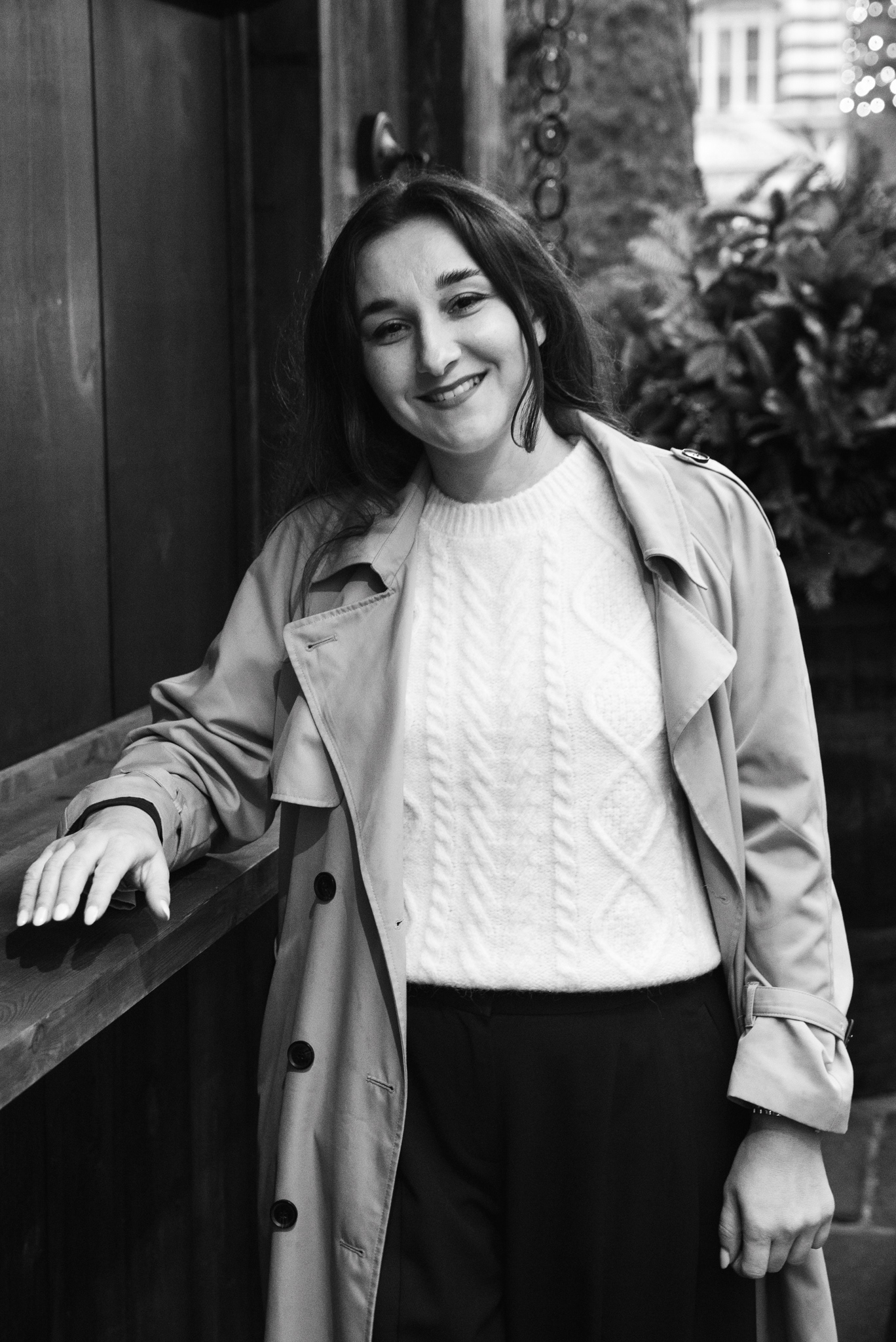
The Philosophy of Order: From Boxes to Meaning
Today, Liza’s work in London is more than just a business; it is her therapy and a manifesto of self-worth. She doesn't just put things on shelves; she creates systems that allow people who have lost their footing to feel even a shred of control over their daily lives.
"The British are used to decluttering—they just get rid of the excess. But the professional organising I offer is much deeper. It’s about the logic of movement, about systems, about ensuring that clutter doesn't return for years. I explain to clients: we aren't just tidying; we are reorganising your life through the objects that surround you."
Liza clearly divides her market into two segments. Ukrainians in London are people used to large houses and space back home, who now find themselves in the cramped conditions of rented flats or rooms. To them, Liza is a lifesaver.
"I know what it’s like to move. I know what it’s like to live without a wardrobe, out of four suitcases. So when our people reach out, I’m doubly inspired. I help them fit their lives into new realities so that it doesn't physically weigh them down. I have a separate price list for Ukrainians because I understand how hard it is for all of us right now."
The British market has been a professional challenge. Despite the language barrier, she is confidently entering the upper-middle-class segment.
"British people often delegate household tasks to managers. They aren't used to maintaining order themselves. My strategy now is to upgrade the project: I come in, create the system, do a full reorganisation, and then offer to train their housekeeper to maintain that order. It’s a winning combination for their mentality."
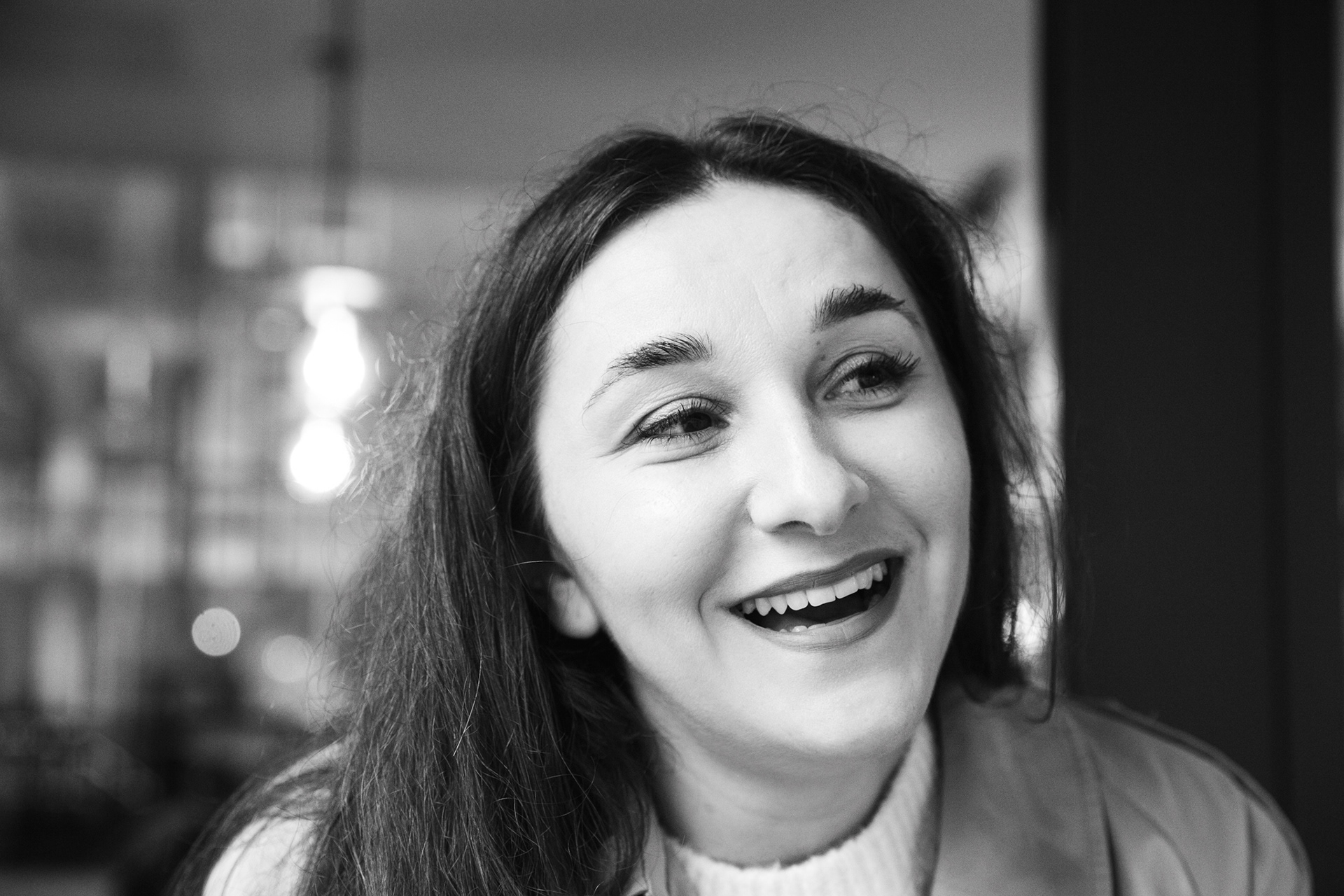
Work as a Manifesto
Liza recalls her first projects for British clients as a moment of truth. Standing in a stranger’s kitchen or walk-in wardrobe, she doesn't feel like a refugee—she feels like an expert.
"I am partly proud of myself. Despite not knowing English perfectly, despite all the cataclysms, I didn't betray my profession. I didn't go into cleaning because I would have been hollowed out there. The physical exhaustion after an organising job is a joyful one. I look at the 'before and after,' I see the client's satisfied eyes, and I realise: I am not living in vain. My work is valuable. It restores the self-worth that the war and the loss of my husband took from me."
Now Liza dreams of reaching a level where she only oversees processes while a team works for her. she is no longer just the "girl" she was when her husband was alive. she is an architect of space who has learned to build structures where there was once a void.
"When I’m organising my boxes, I need nothing else—I’m in the flow. It’s my way of saying to the world: I am here, I am a professional, and I am moving forward."
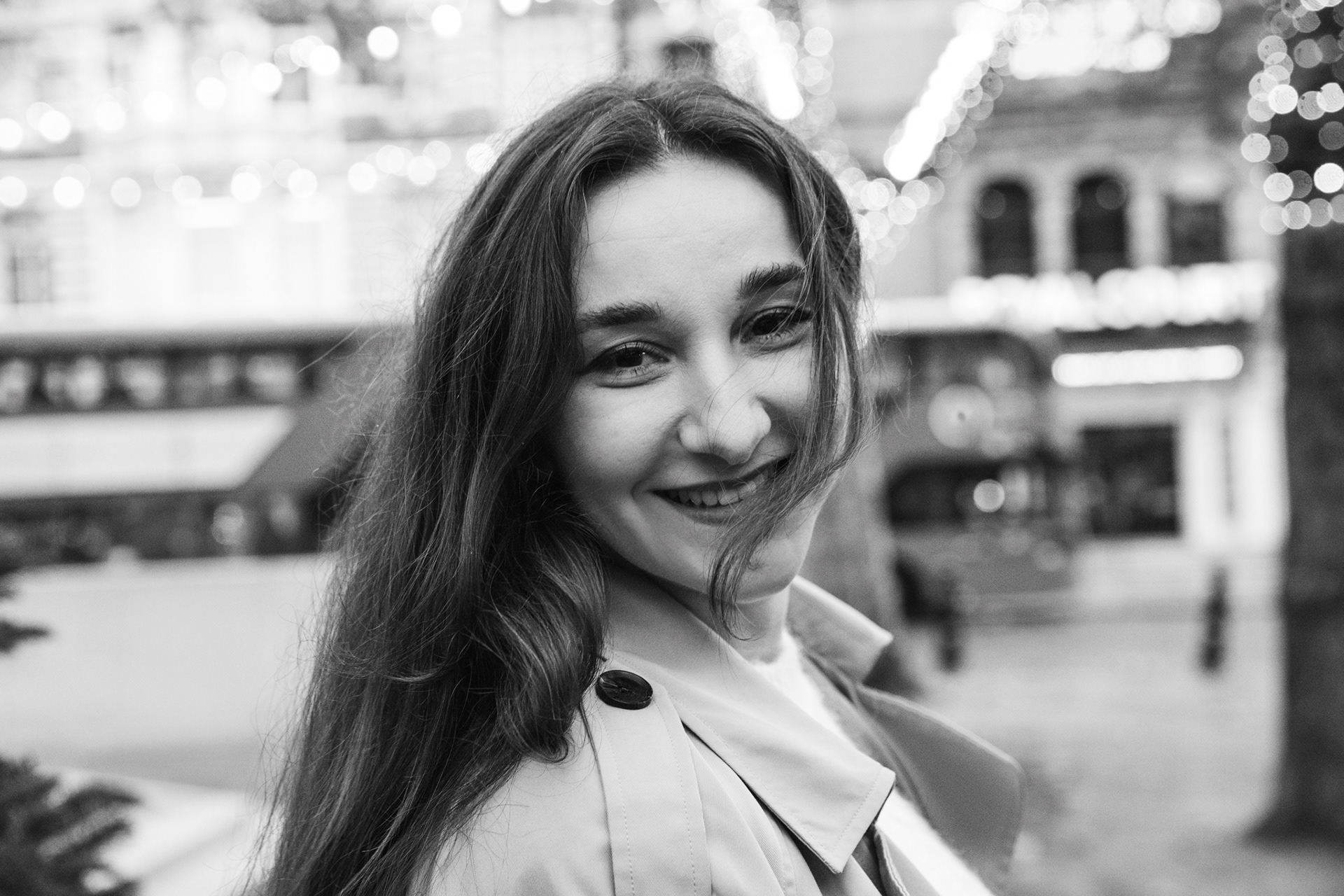
Epilogue: The Will to Live
The final full stop in her transformation was the death of her cousin. It happened recently, but Liza met this pain with a different internal strength.
"I no longer look for answers to the question 'Why me?'. I ask, 'Who do You want to turn me into through this pain?'. And the answer came—I have become someone who values life in every single minute. I want to see my son grow up. I want to feel my own old age. I used to want this earthly journey to end quickly, but now I’m learning to enjoy it. I wake up and I am happy just to be alive."
This is the story of Liza Fedchuk. A woman who lost everything but found the strength to bring order not only to other people’s homes but to her own scarred soul. She no longer "freezes." She acts.