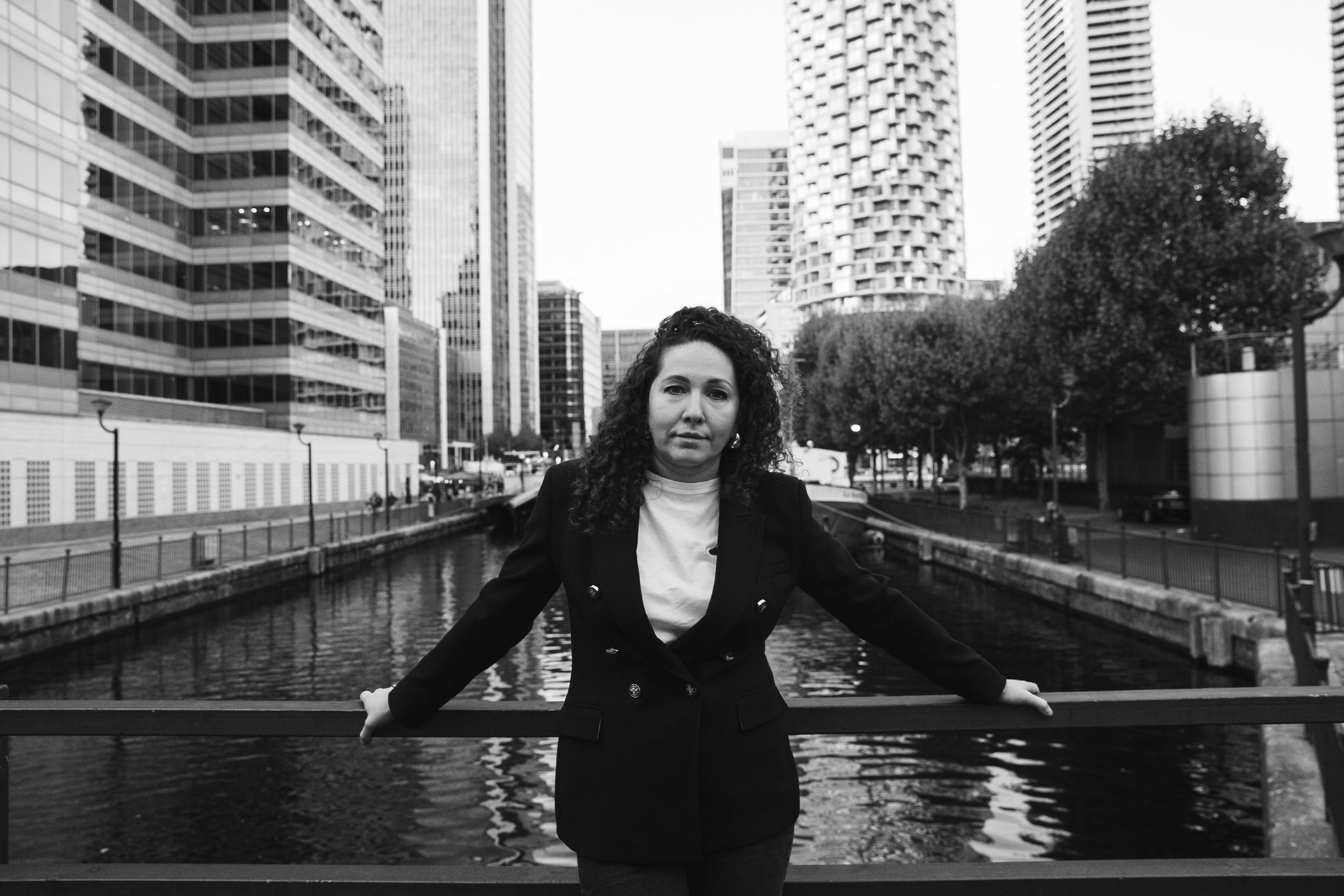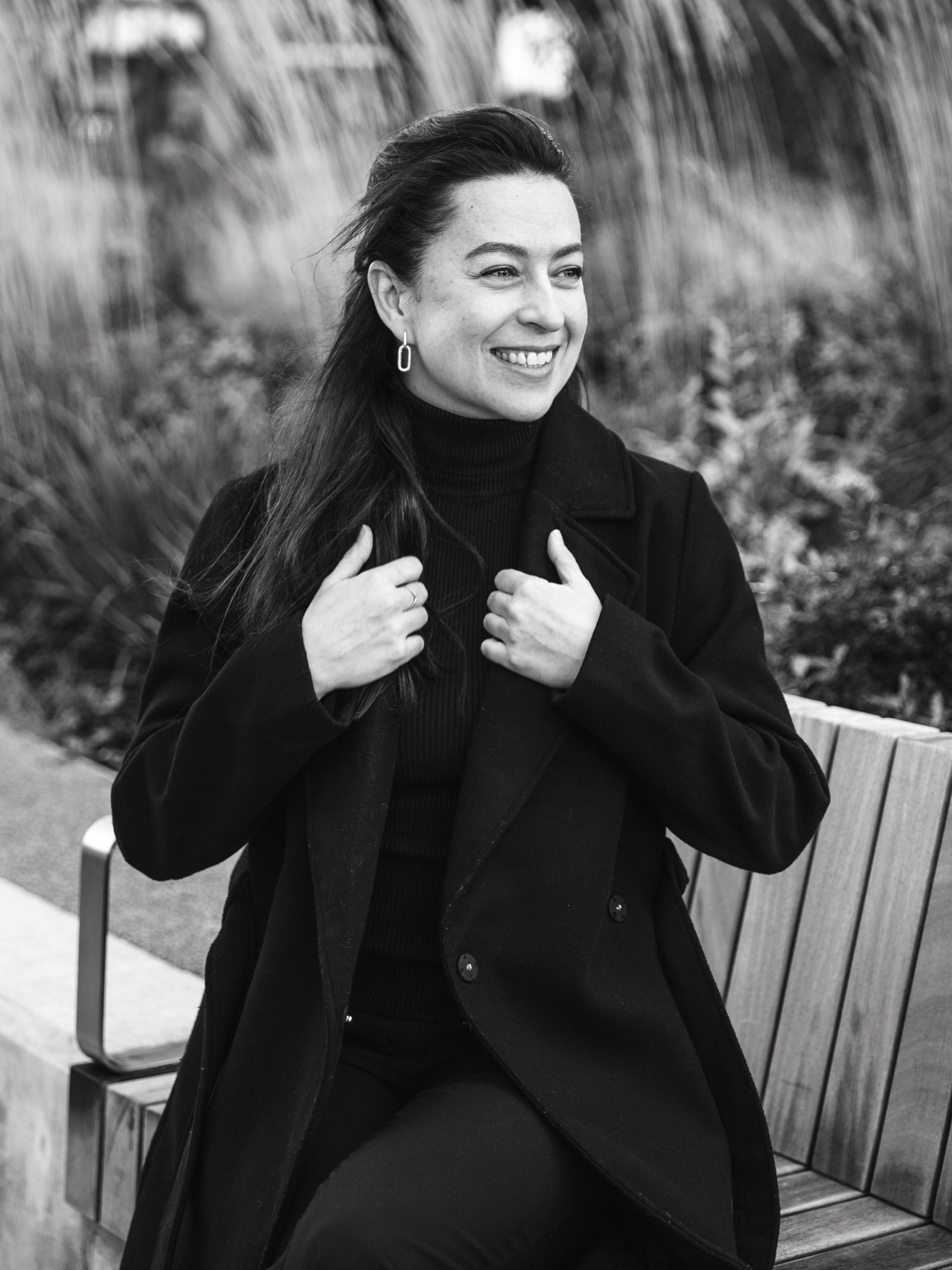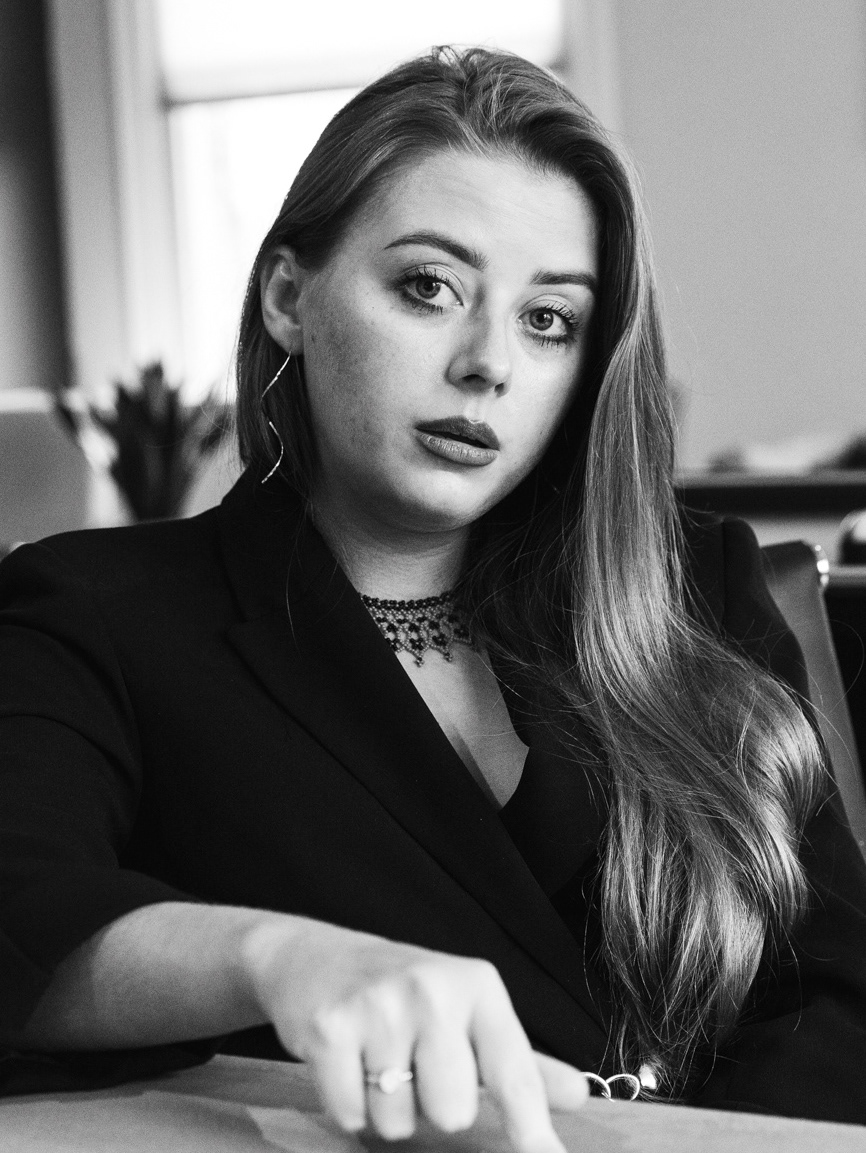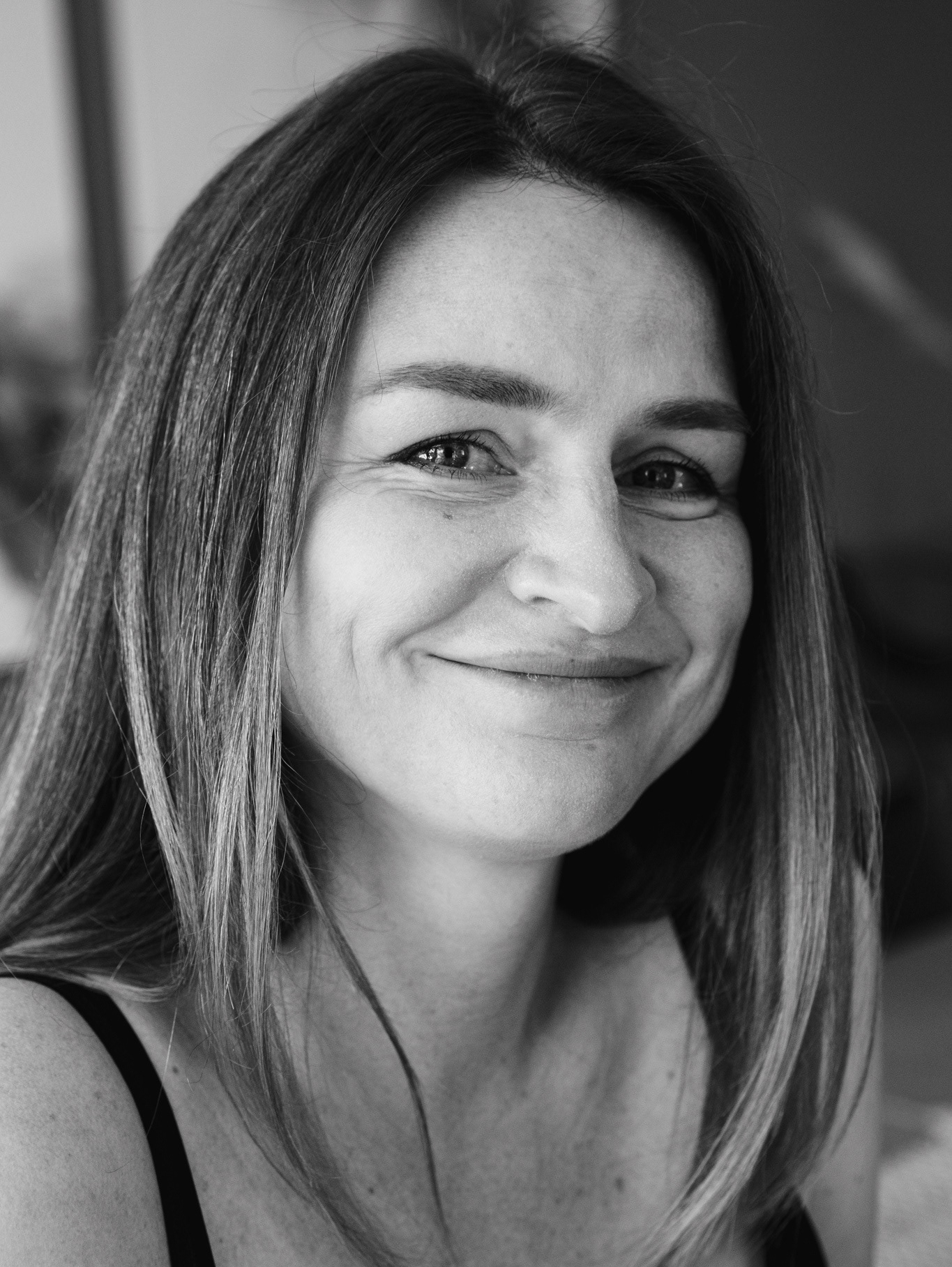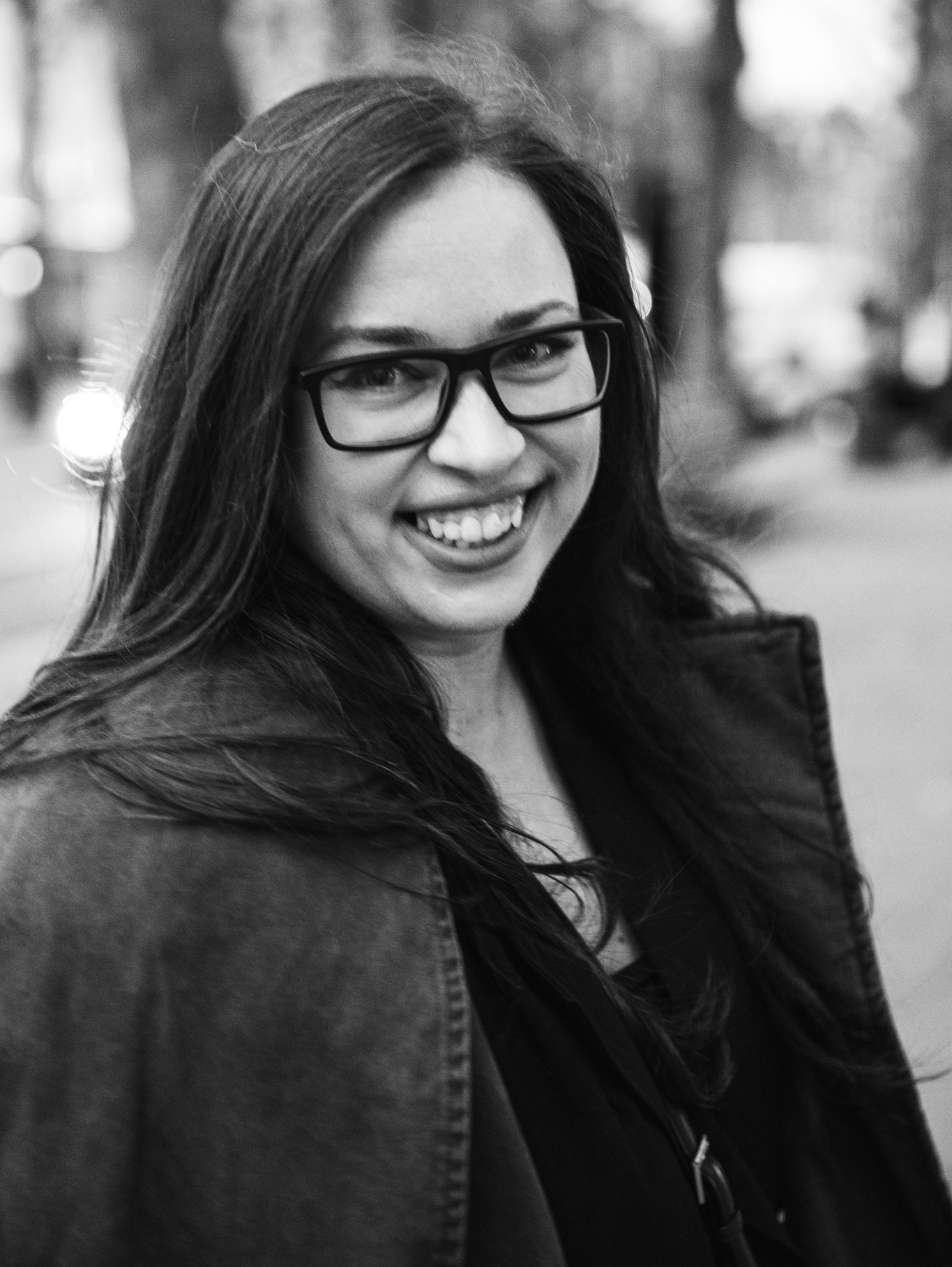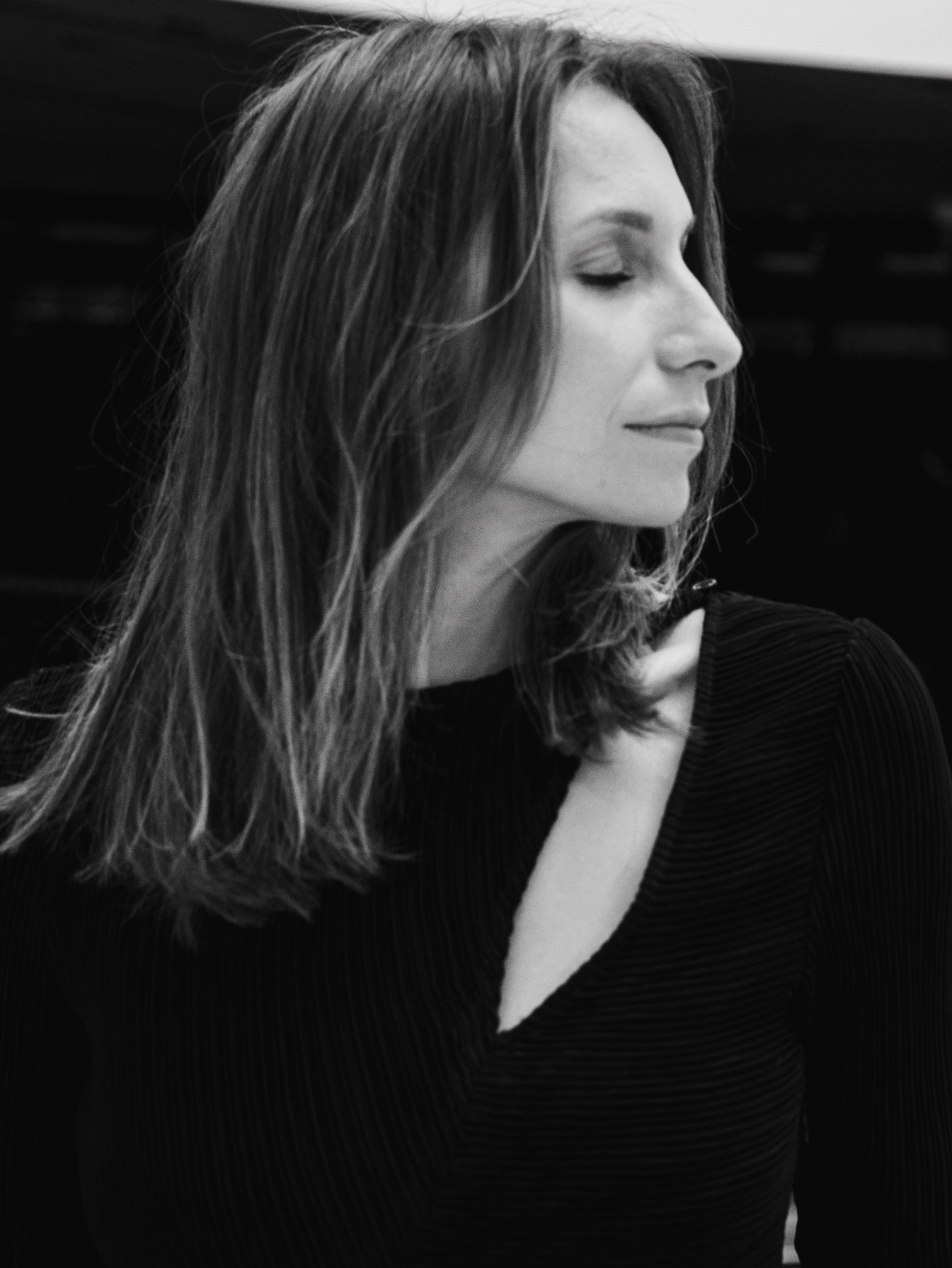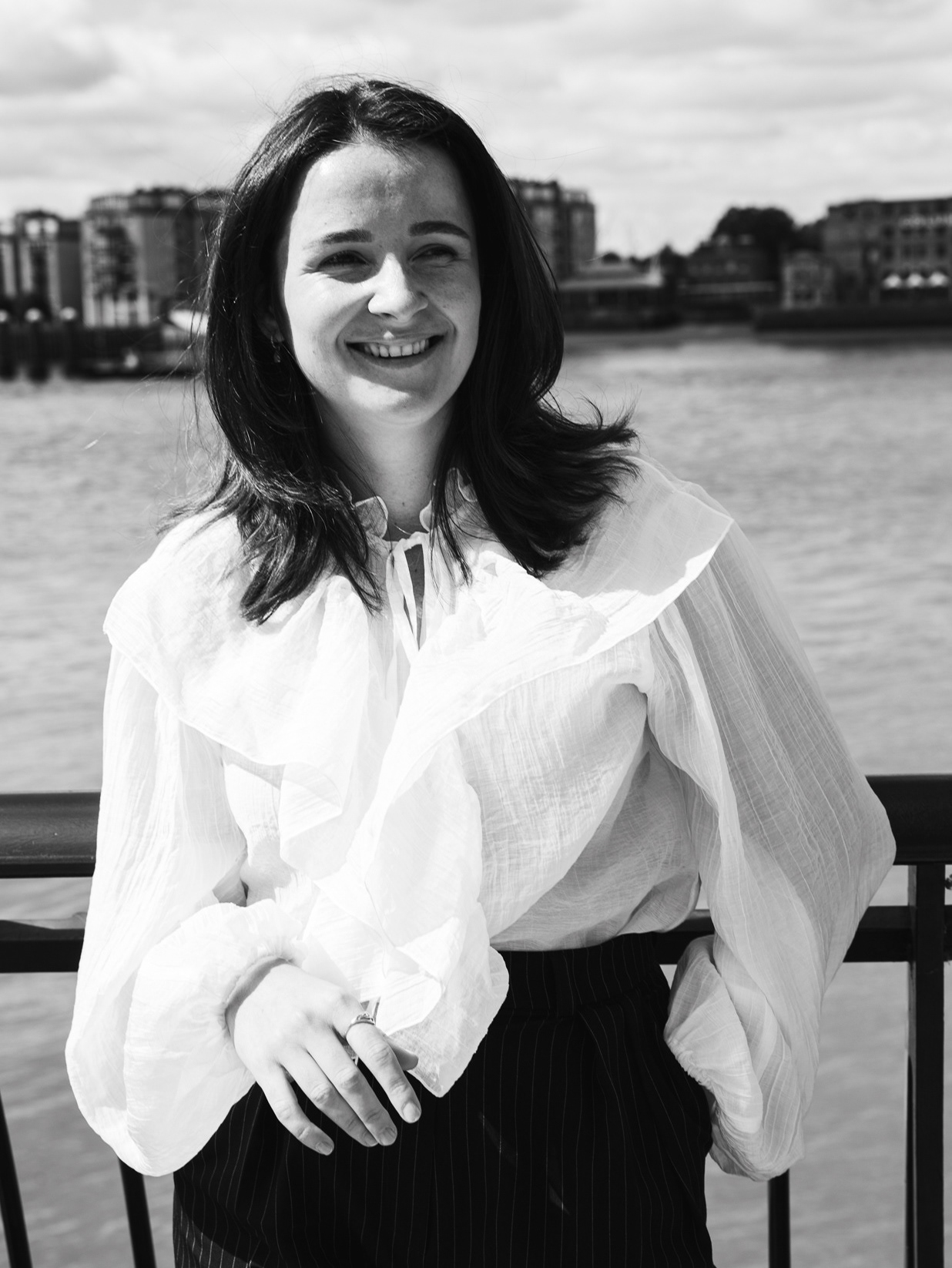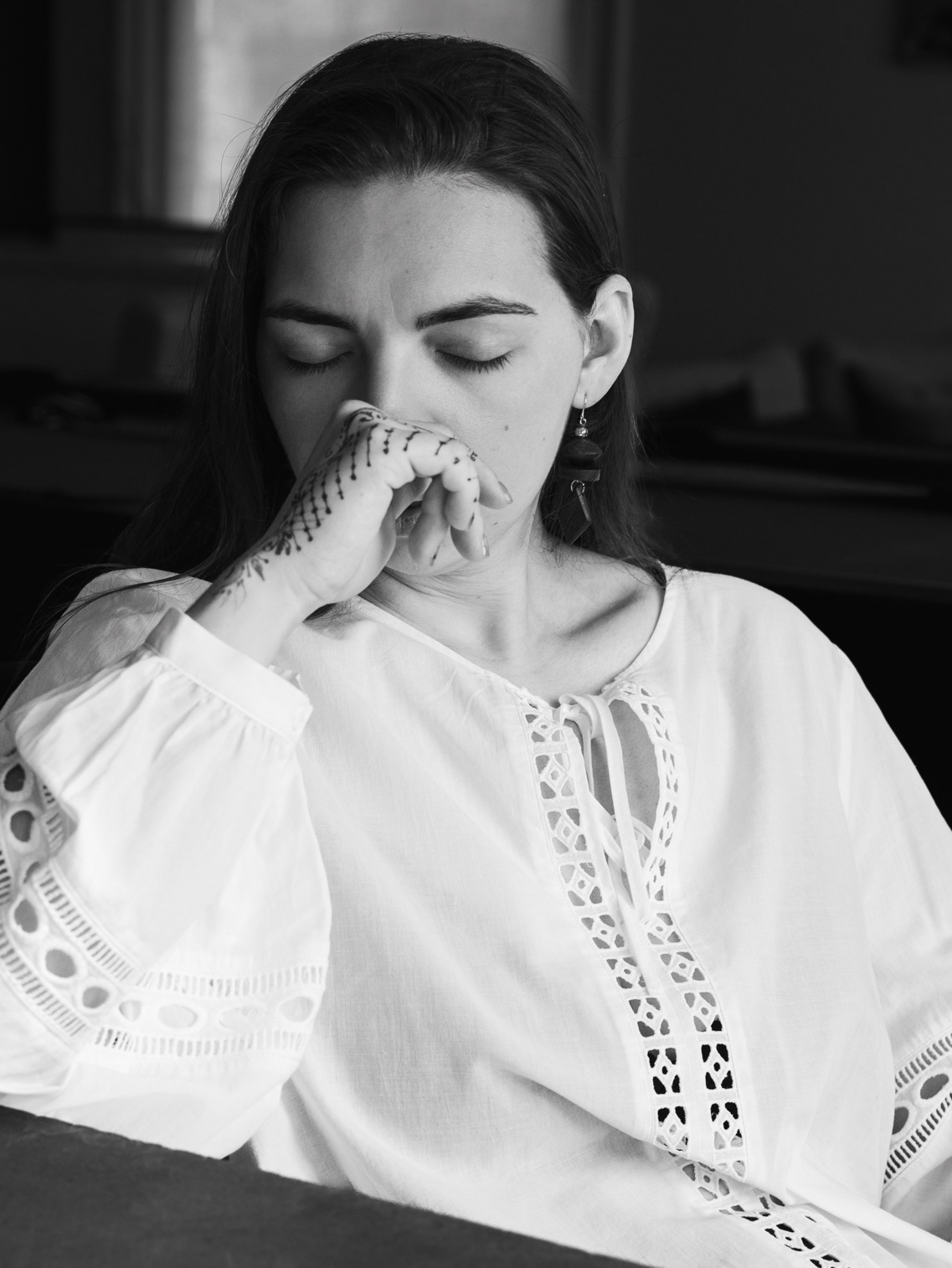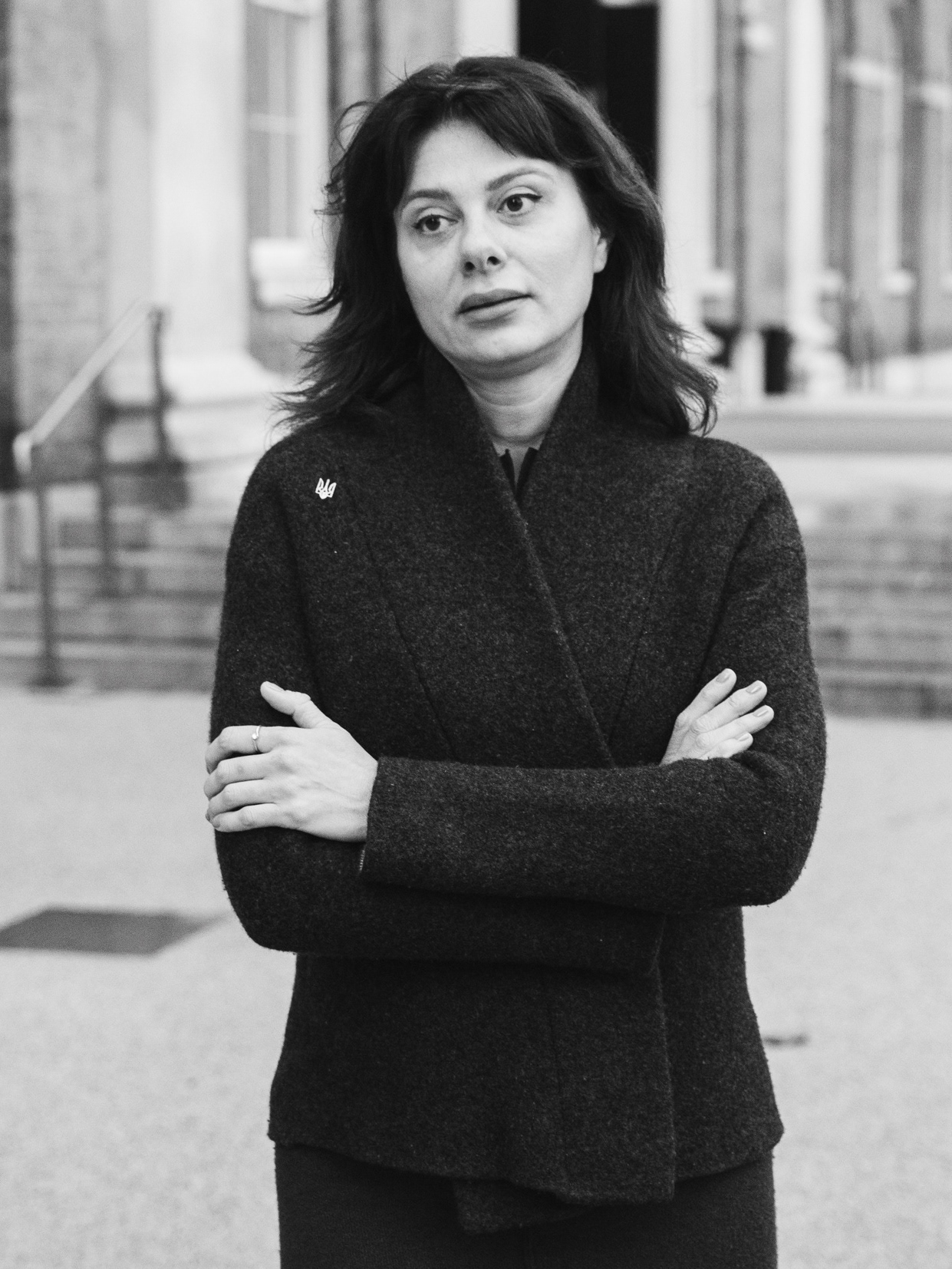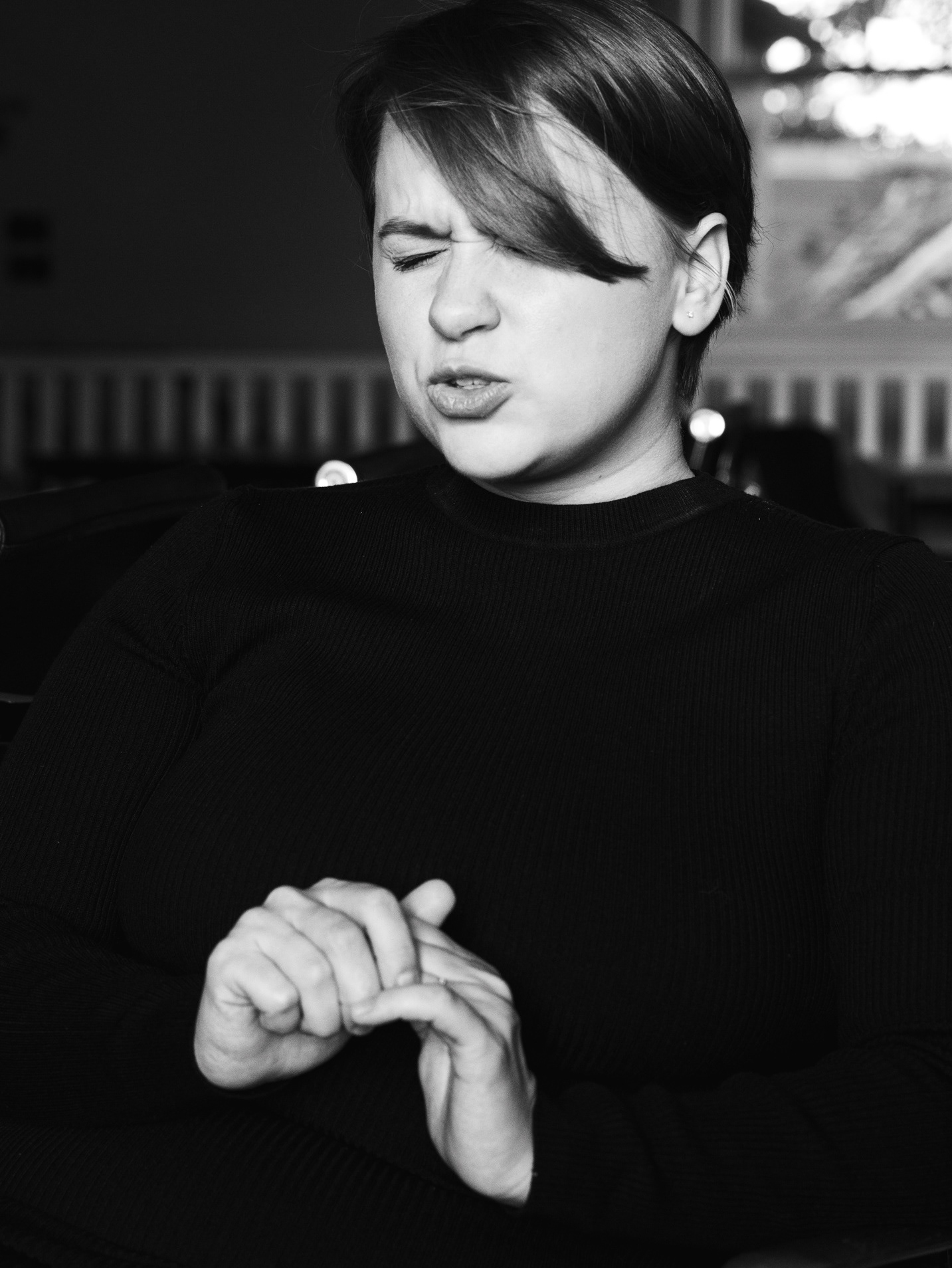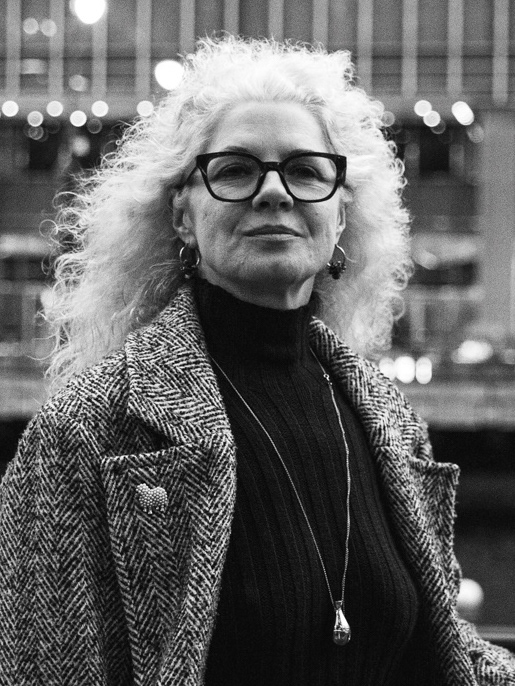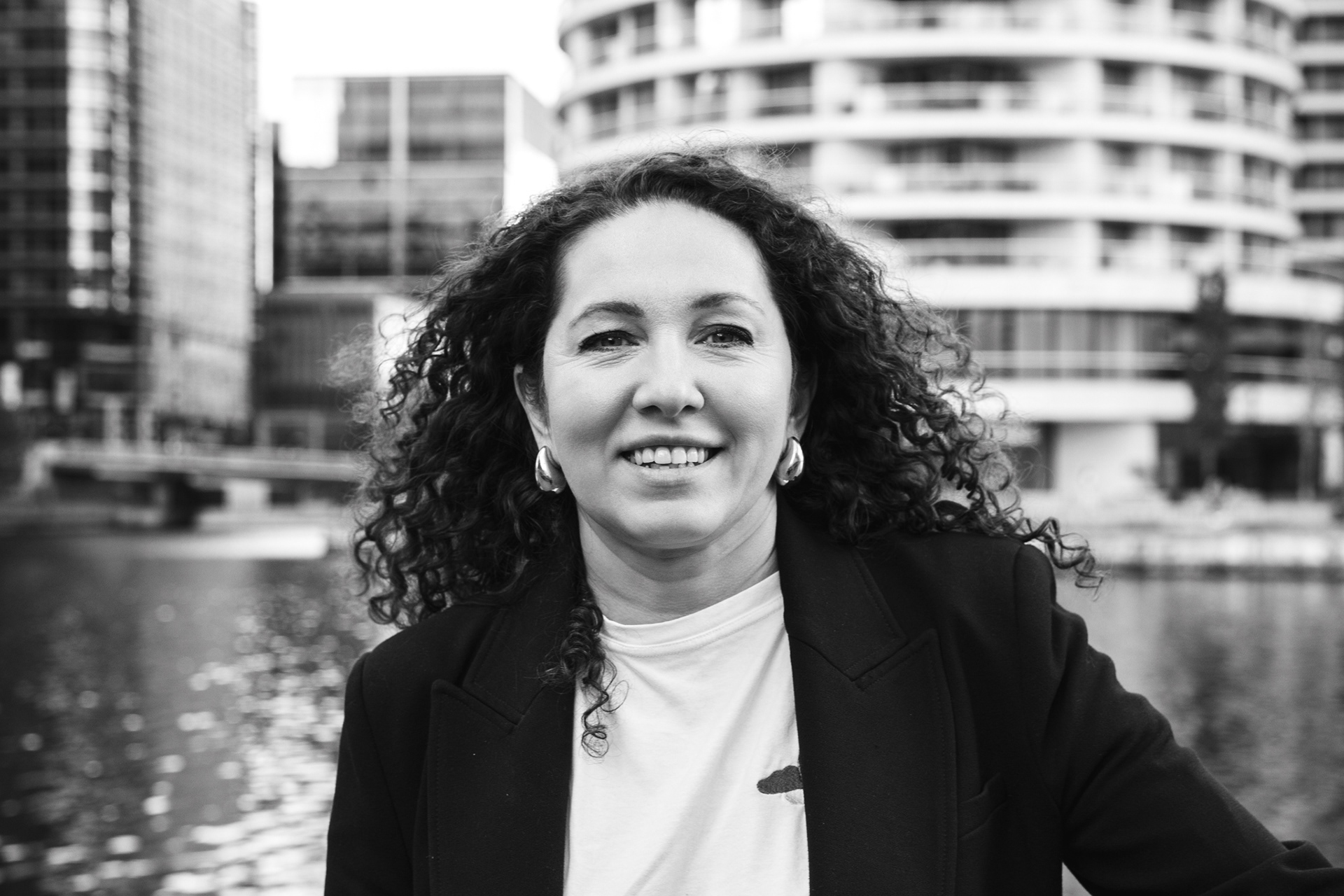
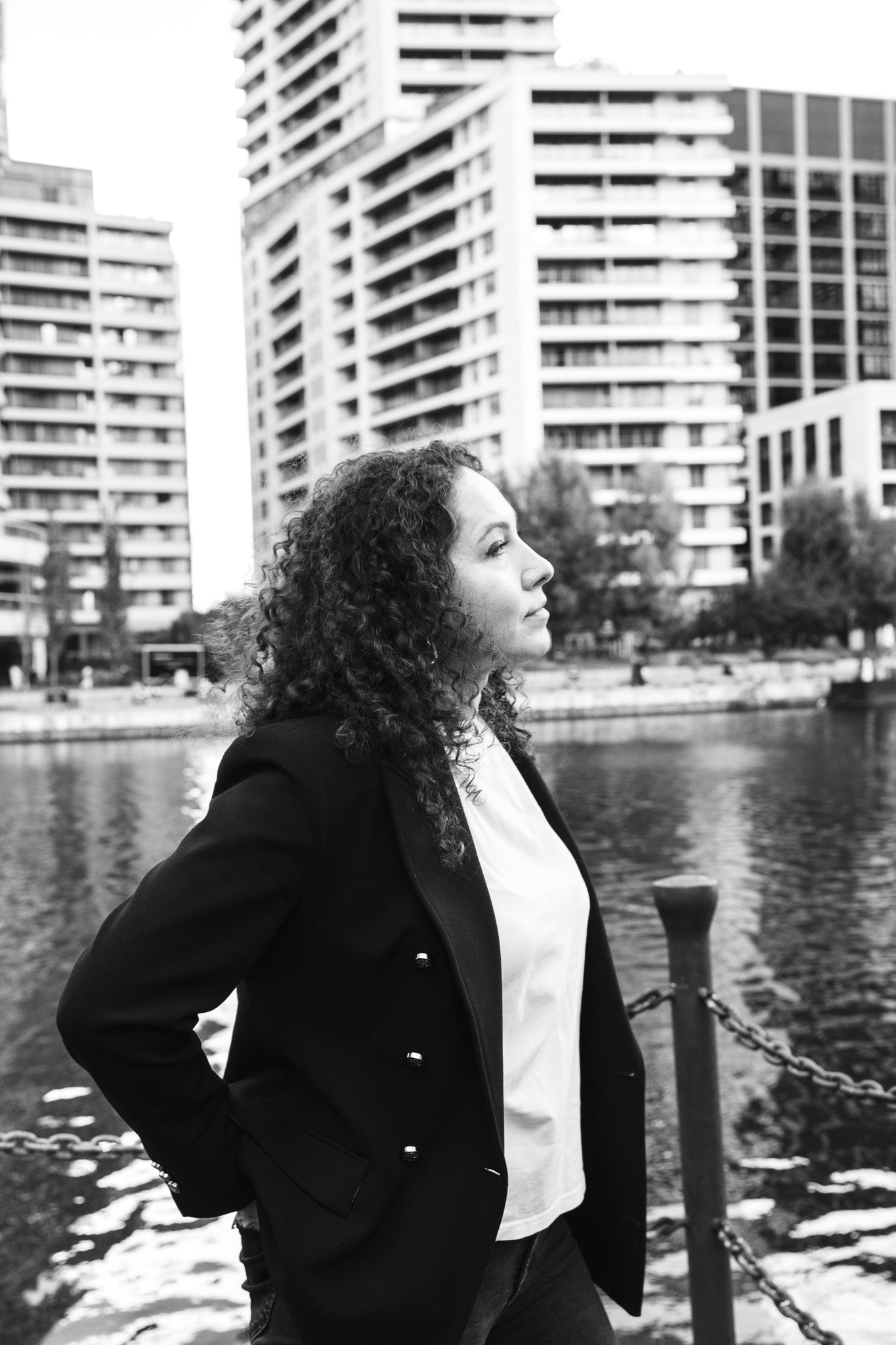
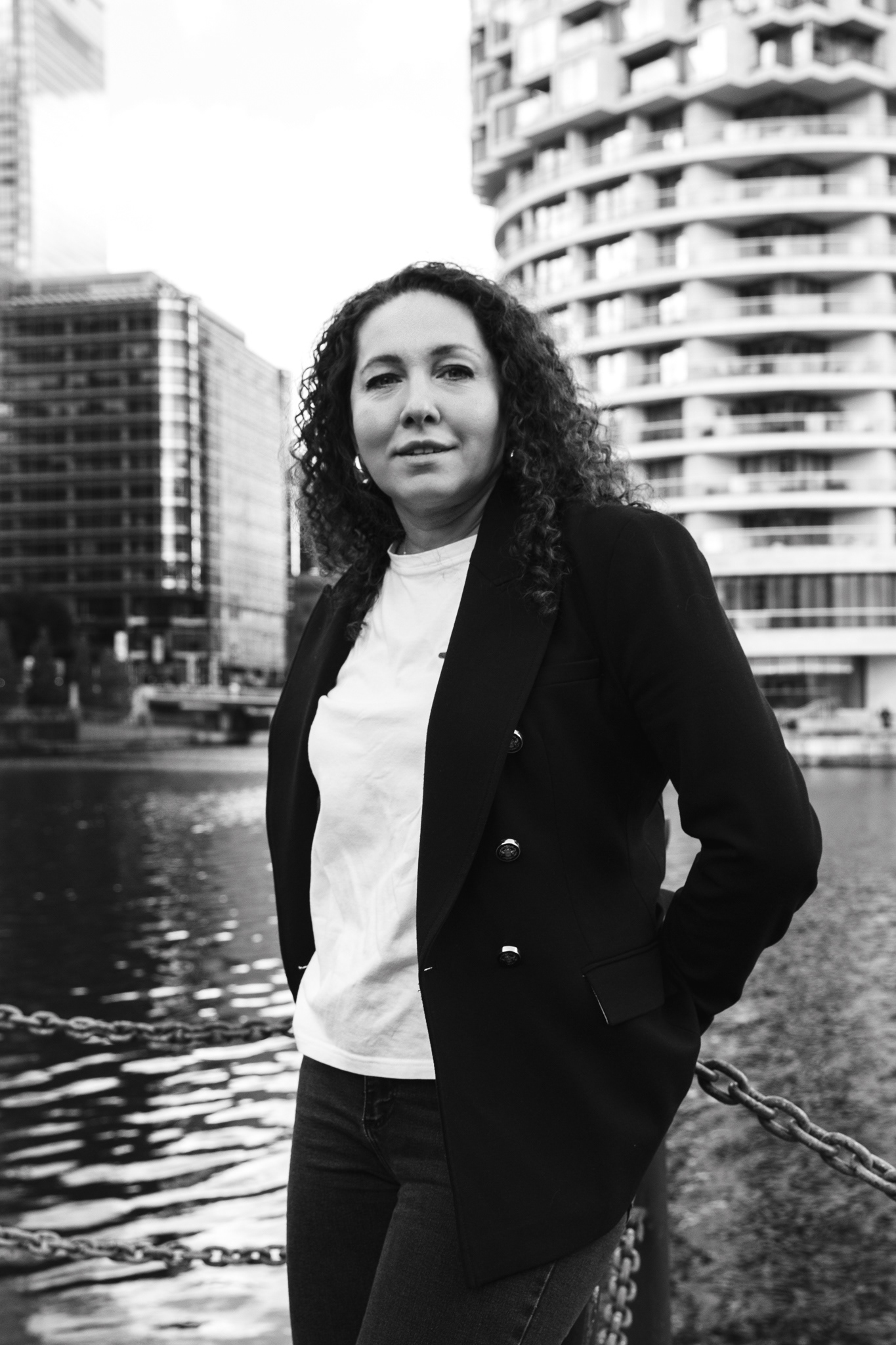
In every person's life, there are turning points when the familiar world crumbles, and something new must be built upon the ruins. For Irina, that moment wasn't the war or moving to a foreign country; it was the quiet realisation at the age of 40 that she no longer wanted to go to work. A successful career in marketing, built over 15 years in London, suddenly lost its meaning. It wasn't an impulsive decision, but a deliberate step into the unknown—a step that, as it turned out, was preparing her for the most important role of her life.
"I went to management and said: that's it, I’m resigning," Irina recalls. In response, she heard an irritated: "Not another one bringing me their problems. What do you want? More money?" But it wasn't about the money. "I want to live a balanced life, and this career doesn't give me that," she replied at the time.
Irina left for "nowhere." It was late 2017. Ahead were two years she planned to devote to herself, her children, and a simple life. But fate had other plans. This lull was merely the calm before the true storm.
"You Get Nowhere Without the Language"
Irina's story in Britain began long before this, with a simple truth every immigrant learns: "You get nowhere without the language." Arriving in London, like many young people from Eastern Europe, she started her journey working in the service industry.
"I started working in a restaurant, and the owner wasn't British. He was from Cyprus, but his children were born here—they were British. And so began my first, shall we say, friendship with the British. I realised my language skills were really lacking, and that gave me the push to keep learning."
It was her first test of resilience. Many of her acquaintances fell into a closed-off Ukrainian circle which, she says, "pulled everyone down a bit; it kept them grounded in the wrong way."
"Everyone has their own fears, and people love to impose those fears on others. It’s as if it gives them confidence in their own choices. 'Why do you need the language? You'll go into cleaning; you'll have a better life that way.'"
But Irina always had her own path, her own "parallel" mindset. She didn't want to go with the flow. "I had my own opinion, my own strategy. I saw it as having to go through every stage. I chose the Cambridge exams and had to pass the Proficiency level. That was my vision because I wanted to go to university later."
She was intuitively drawn to more progressive environments. Her friends were Poles and Bulgarians—an "Eastern European medley," as she calls it. They were more ambitious, and that helped her move forward. This period laid the foundation of her character: refusing to accept the limitations imposed by her surroundings and always having her own strategy.
Career and Burnout
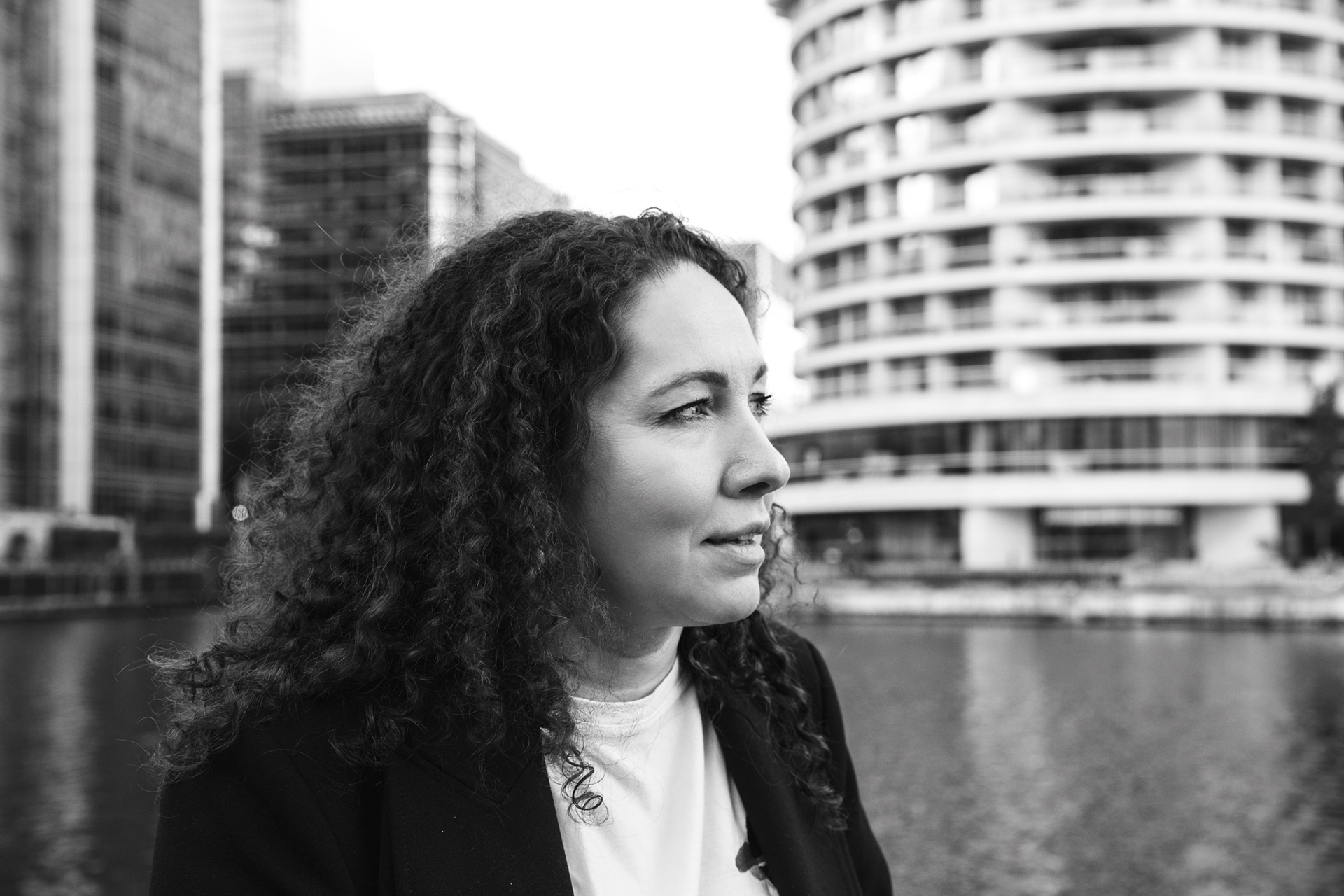
The path to a 15-year career in marketing began by chance. A Bulgarian friend asked Irina to go "for company" to a recruitment agency. Irina felt uncomfortable and lacked confidence, but she agreed.
"And what’s most interesting is that we went together for company; she didn't get a call back, but a week later, they called me. They said there was a position at a marketing agency."
She was offered a "laughable, primitive sum," several times less than she had been earning. "This will only just cover my rent, groceries, and travel," she thought. But it was a prospect. Irina agreed, and that decision defined her professional life for the next 15 years.
Working in major advertising agencies like GroupM, WPP, and Publicis was dynamic and demanding. "The experience was incredible; you just can't get experience like that anywhere else. You work with multi-million-pound projects where client budgets can be £70 million a year. The responsibility is immense."
But after Brexit, the atmosphere began to change. Budget cuts, pay freezes, and hiring freezes followed. The workload didn't decrease, but the staff numbers did. "A very toxic atmosphere began," Irina remembers.
The breaking point came when she went on holiday to Ukraine with her two young children. "I had to work through almost the entire holiday. When I returned, everyone around me was embittered. I said, 'This isn't right. I can't give any more of my time. I have no time to see my children.'"
"A moment came when I realised I was just going to work and I hated it. Waking up was unpleasant, doing these projects was unpleasant. It was like Groundhog Day."
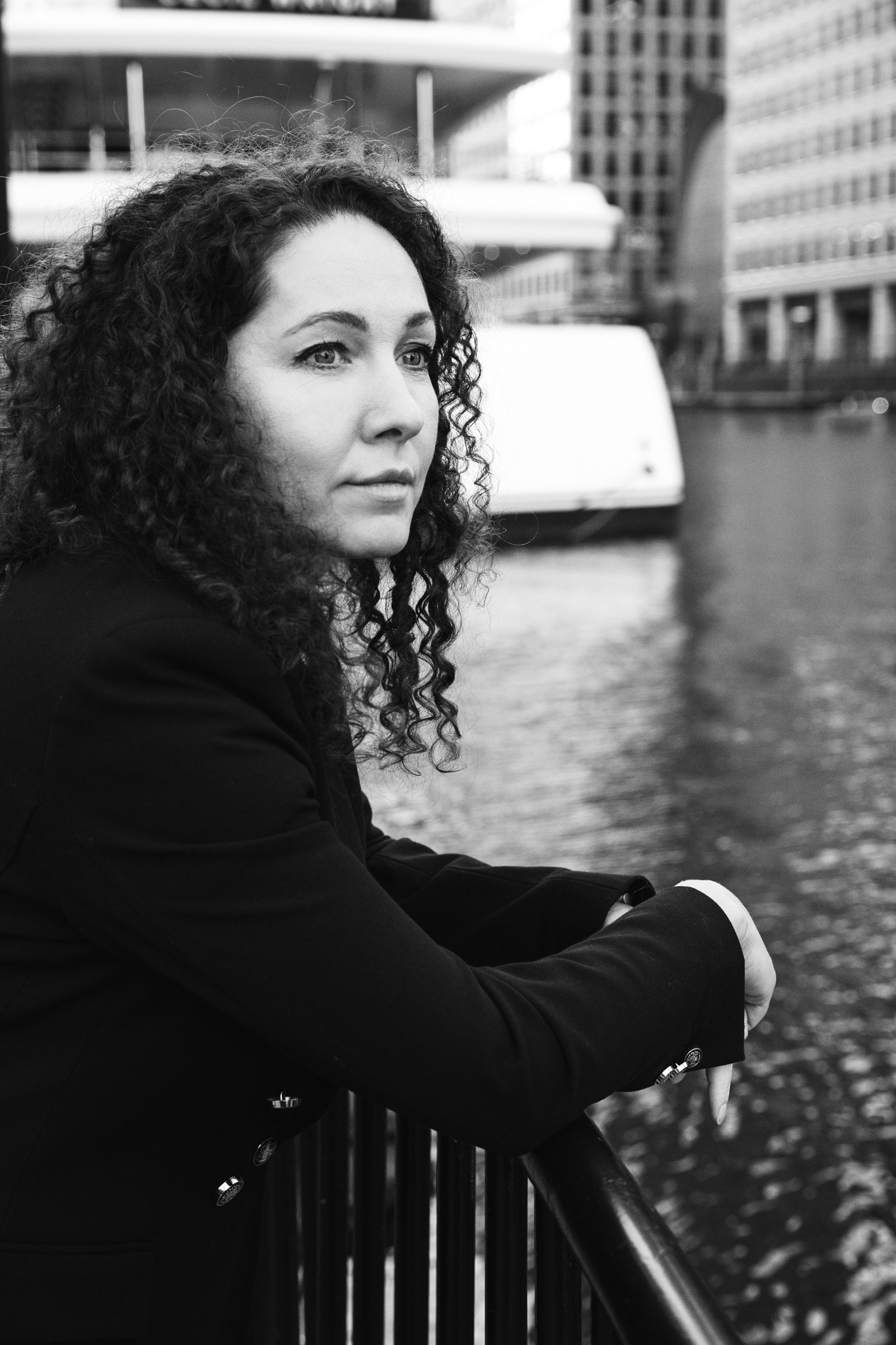
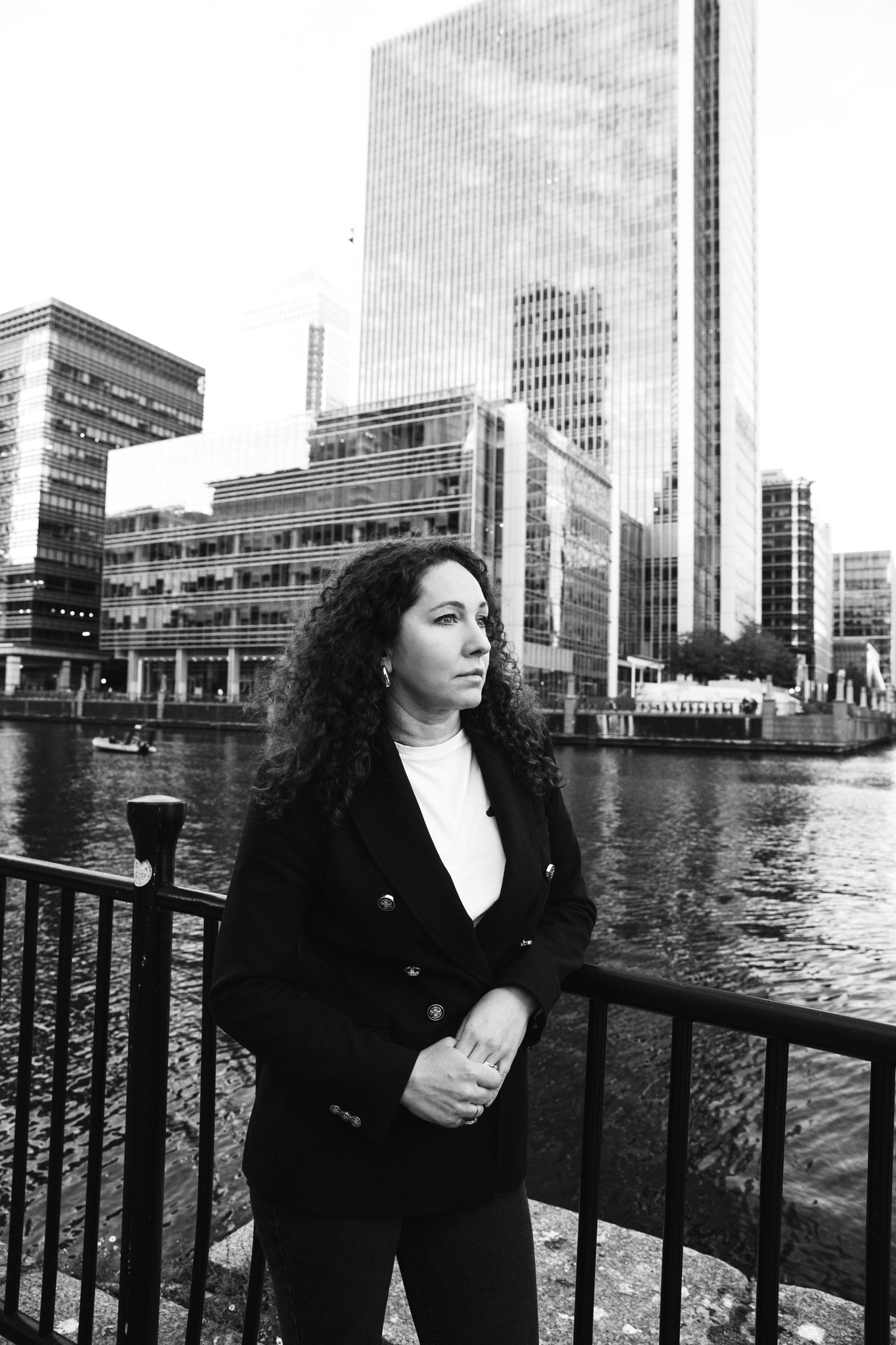
And so, at 40, with two children, she took a step few dare to take. She quit her job without a new plan. It wasn't a step away from something, but towards something—towards herself and her family.
The Calm Before the Storm
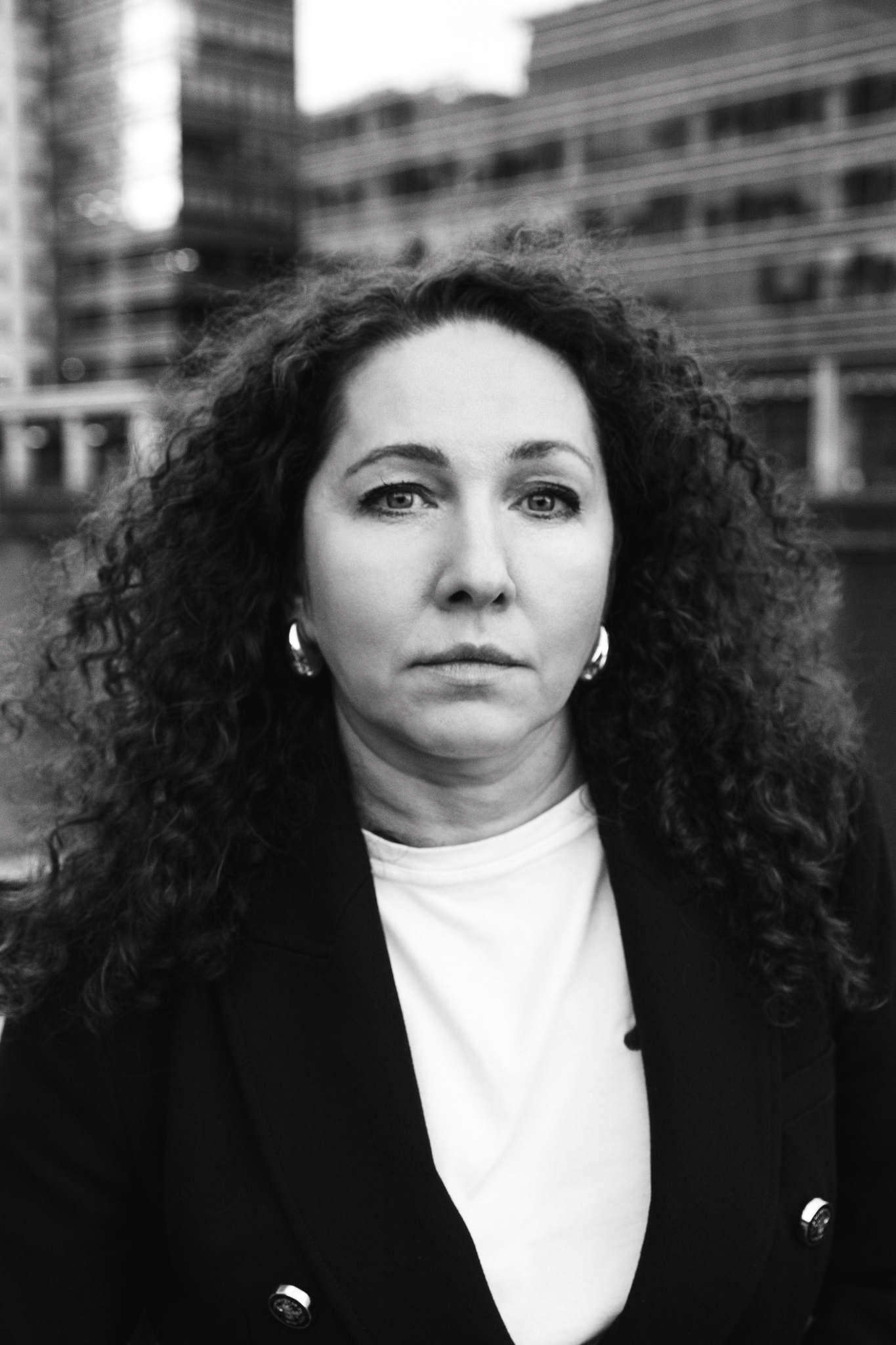
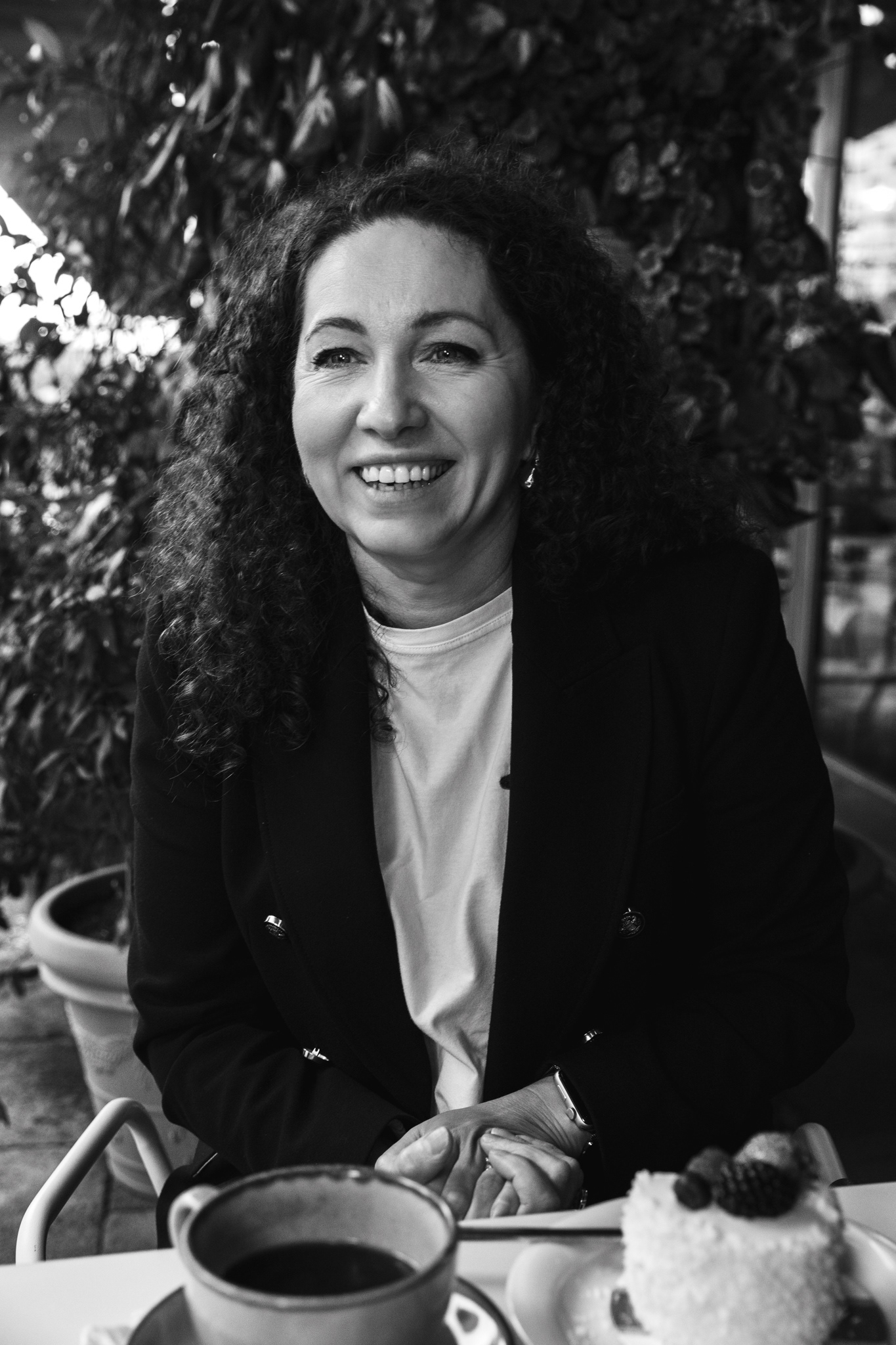
The next two years were dedicated to her children. Her youngest son was only two years old. Irina could finally breathe freely. It was during this period that she integrated more deeply into London's Ukrainian community. When her daughter started attending the Ukrainian Saturday school at the Association of Ukrainians in Great Britain (AUGB), Irina couldn't remain a bystander.
"I can’t just sit idle. Help is needed there, let’s do this here. And so, I became a member of the PTA."
She threw herself into community work: alongside a team, she developed a new school uniform and helped with other processes. It was a life full of creative energy, yet still peaceful and steady. Eventually, she joined the executive committee of the London branch of AUGB, where she organised cultural events—documentary screenings, book launches, and concerts.
This experience, gained in relatively quiet times, proved invaluable. She learned how to work with volunteers, organise events, and bring people together. She didn't yet know that this was merely training for the most important project of her life.
24 February: The Dam Breaks
For the Ukrainian community in the UK, the full-scale invasion wasn't a total surprise. "The British press started talking about it very publicly from October. We had already formed the opinion that a Russian attack on Ukraine was inevitable," Irina explains.
But predicting it didn't mean being ready for the horror that unfolded. On 24 February, the dam broke. The AUGB branch at Holland Park turned into a hive, buzzing 24 hours a day.
"The doors were open 24/7 for three months. It was just such a flow of people and aid. The huge hall was piled to the ceiling with boxes. There was no space; people started arranging temporary warehouses."
It was organised chaos. "You know when there’s a hard frost and you see those frozen patterns growing on the windows before your eyes? That’s how it all looked. In this chaos, processes were born; something extraordinary was happening." It was a time for split-second decisions. A friend runs in, drops a packet of 'Celox' haemostatic agents on the table: "Here, I found them, but I need to pay back three and a half thousand, I paid with my own money." And the volunteers immediately collect the sum from the donations they had just counted.
Everything was recorded by hand, not on computers. "We had stacks of notebooks where Pani Oksana wrote by hand: 'Sumy region, 5th Brigade, 10 helmets, 5 radios...'"
Very quickly, it became clear that a centralised structure was needed. On 25 February, a group of activists gathered. "We need one central account! People are ready to transfer money; they’re asking where to?" echoed in the room. They came up with the name on the spot - Support Ukraine. Irina immediately bought the domain for the website. Her husband set up a hotline that 10 volunteers could connect to simultaneously. The phone was ringing off the hook: someone offering money, someone a lorry-load of short-dated food, someone who found a warehouse at London Bridge. On 4 March, the organisation was officially registered.
"You’d go out for a coffee, come back, and the processes had already changed. Everything was so dynamic, so fast."
Humanitarian aid poured in like a river. It soon became clear the branch couldn't hold it all. And then a miracle happened - British businessmen, owners of a former massive Laura Ashley warehouse, gave it to the volunteers for free. "That warehouse quickly filled up to the ceiling again. Everything: from nappies to helmets, body armour, walkers, and hospital beds. What didn't we transport?"
A Marathon, Not a Sprint
The first few months were a frantic sprint. But the war didn't end, and volunteering turned into an exhausting marathon. Support Ukraine rests on three pillars: public activation, humanitarian aid, and purchasing equipment for the military. It is constant, methodical work.
"Now we hold rallies on Downing Street two days a week. So that Ukrainians know they can go there with a flag." Every May, thousands of people walk through central London in traditional shirts during the "Vyshyvanka March." It is a powerful action that used to be an element of cultural diplomacy but is now dedicated each year to the most painful themes of the war. There is also quiet, invisible devotion. "We have one volunteer who has been with us since 2014. Every Sunday, she goes to church and stands there from 8 am to 2 pm with a donation box. She just goes there like it’s her job."
But the hardest part is seeing people tire, seeing resources dry up. "If at the start of the full-scale war we could raise £30,000–£40,000 at a rally, this year at a massive event in Trafalgar Square, we barely reached £10,000. Ten thousand people in the square, and each person donated an average of one pound. That’s not a serious attitude toward the war."
Irina felt the price of this war acutely when she agreed to work as a translator for Ukrainian soldiers training in Britain. "They told us: 'Don't get attached, don't get attached.' Well, you can't help but get attached." These were stormtroopers, many with prior combat experience. "On 25 July, they finished their training, and by the 29th, they were already sent to Bakhmut. They weren't even given the chance to go home."
In October, the first losses began. The most painful was the story of three comrades—two brothers and their best friend—who died one after the other.
"And you realise this is a phenomenon of decency. Because if a person is decent in their family—a decent husband, son, father—they are also a decent friend and a decent comrade. And when they are told to go save their own, they go without a second thought. And so they go, exposing themselves to risks far greater than others."
This experience changed her forever. She reached a conclusion that sounds harsh but honest: "This isn't a war between Ukraine and Russia. It’s a war between decent Ukrainians and everyone else."
"So My Children Won't Have to Die in Trenches"
What keeps her going when her strength fails and apathy grows? When, at a crowded event she organised in Trafalgar Square, a man walks up and says dismissively: "If only that money actually reached the right people"?
The answer lies in responsibility. To her fellow volunteers, as exhausted as she is. And to those on the front line.
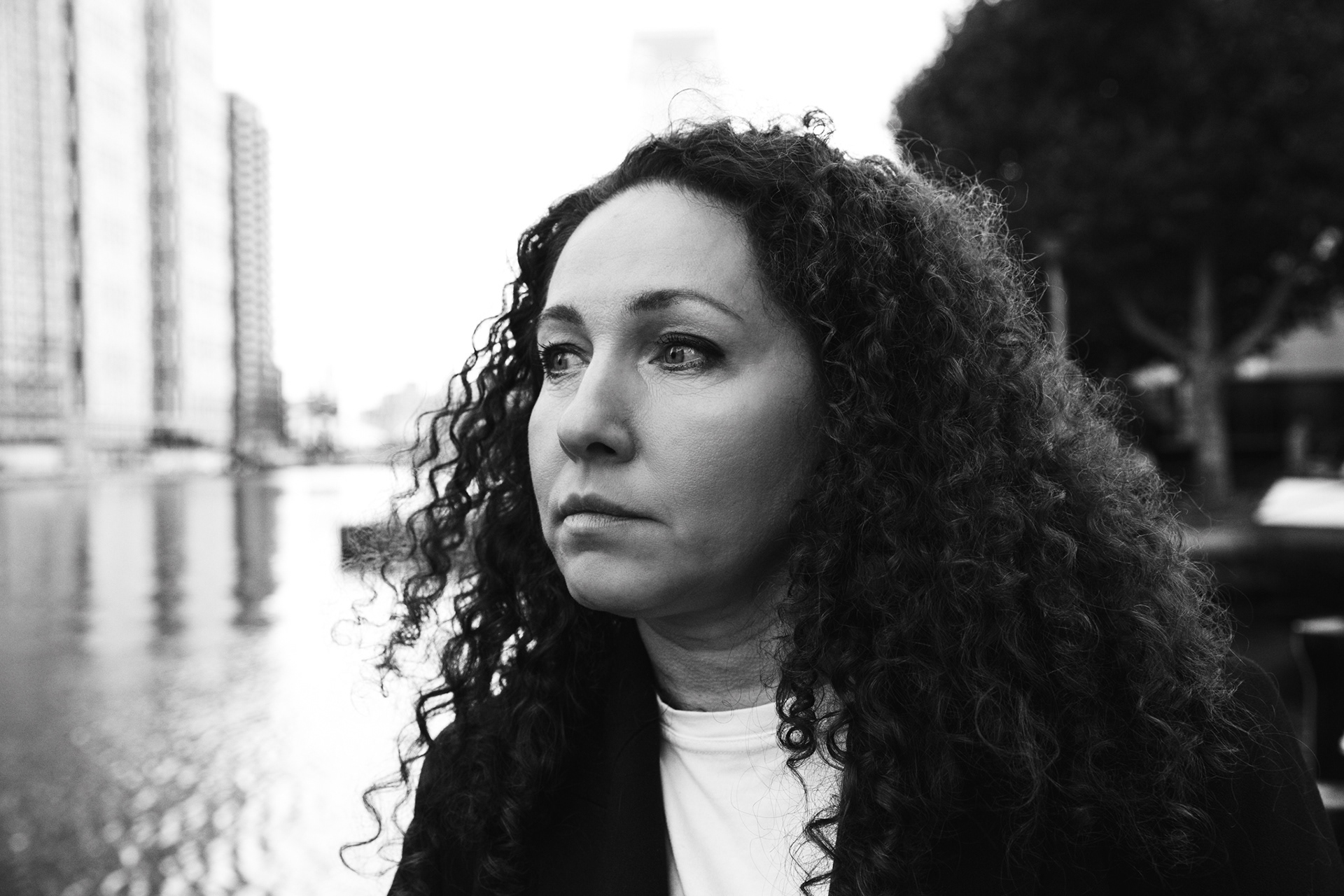
"I understand that no one is irreplaceable. But there are people who can do several times more. I can do the work of several people almost simultaneously. And I know: if I give up, it will be worse and harder for many people."
This struggle leads to self-isolation. "We start socialising with our own kind. We create a bubble because it’s no longer pleasant to talk to others. The circle of acquaintances changes; it shrinks." It is especially painful to see that on Ukraine's Independence Day, while her organisation holds a memorial event, four large Ukrainian discos are taking place in London. "Excuse me, but what are we celebrating? Is it over? Has the war ended?"
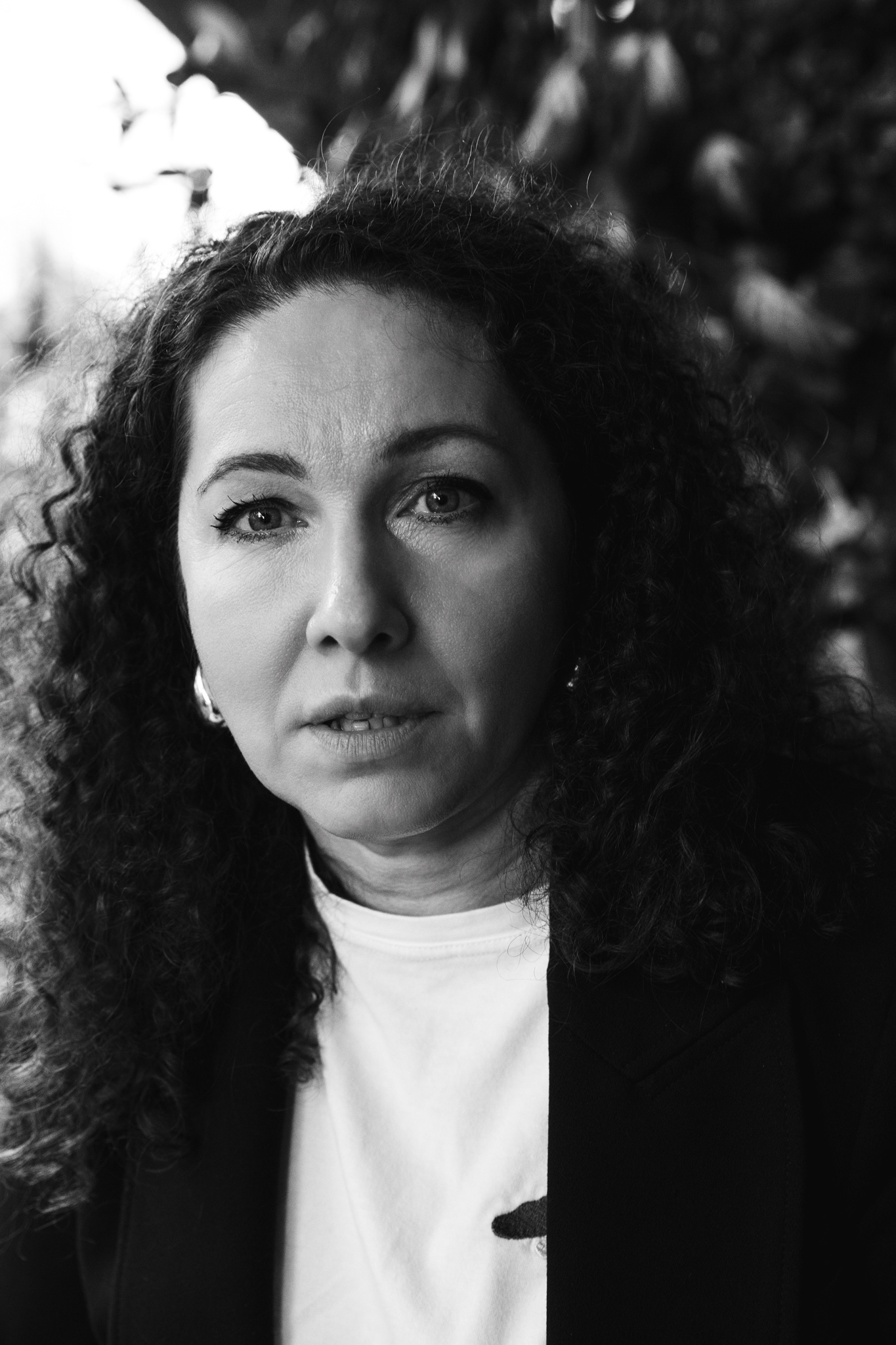
But the deepest, most private motivation is fear. Fear for her own children's future.
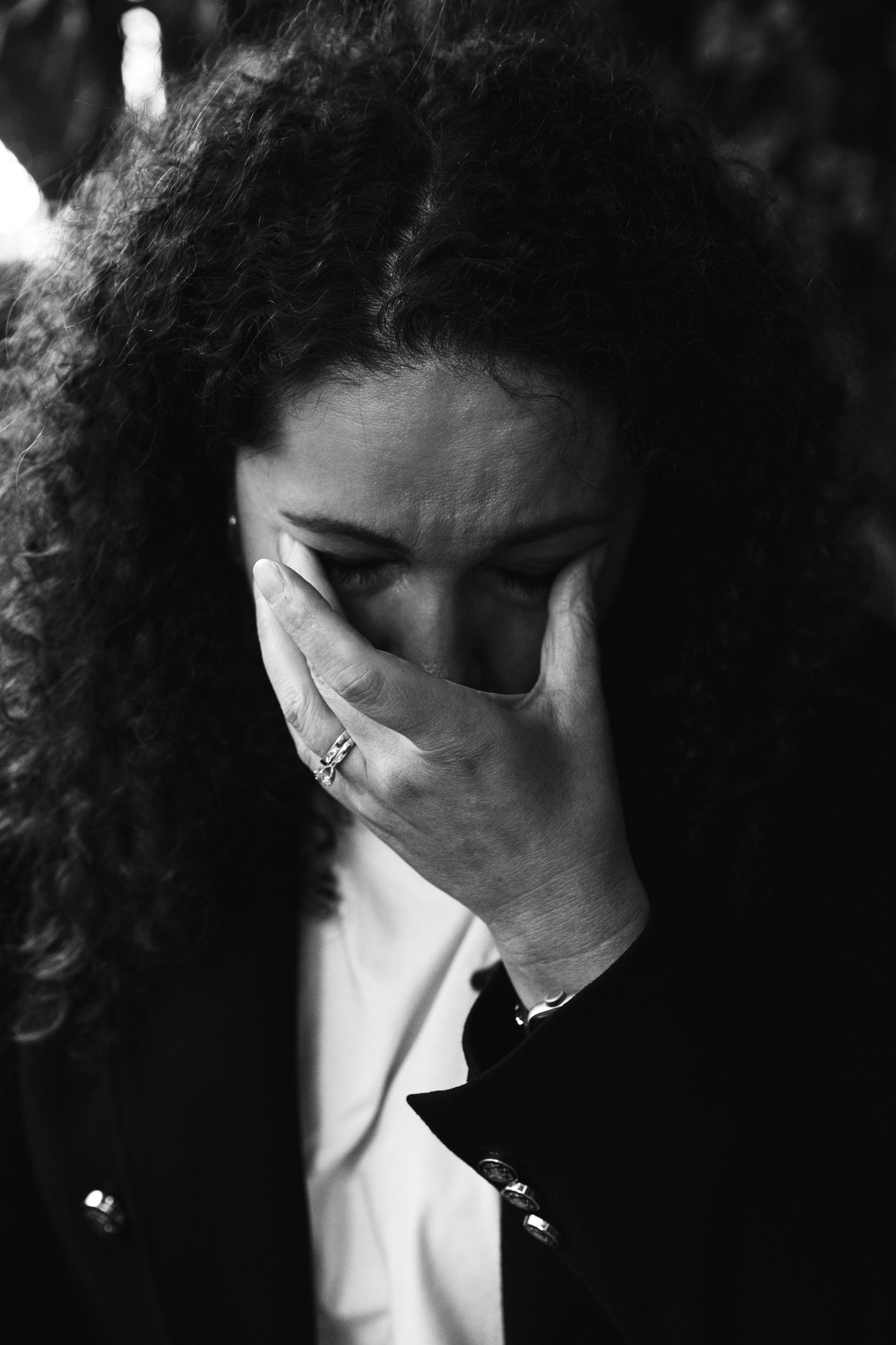
"When I put my son to bed—he’ll be 10 in December—I honestly look at him almost every evening and my heart aches. Because I’m afraid that when he turns 18, he’ll be called up to the army to fight. And I don’t want that to happen."
She’s a "bad mum," she says with bitter irony, because instead of taking her son to play football with his friends, she is volunteering. But she does it for him.
"I feel that when my last day comes, I must be certain that I did everything so my children wouldn't have to die in trenches."
It’s no longer about a career, self-actualisation, or recognition. it’s the simple and terrifying truth of a woman who has taken responsibility not only for her family but for a future where her son won't know what a trench is. And in this struggle, she finds her incredible, unbreakable strength.