Paris. The Last Breath of Peace
February 2022 was supposed to be a springboard for the new life of Ukrainian winemaking. A week before the invasion, Svitlana was in Paris for Wine Paris & Vinexpo—one of the world's largest wine events. She wasn't there as a tourist, but as a strategist. Alongside a team of enthusiasts, she studied the stalls, analysed logistics, and laid the groundwork for the "Wines of Ukraine" brand to finally resonate in Europe.
"We were in Paris, drinking wine, laughing, and making plans for years ahead. None of us wanted to believe the threat was real. But the Europeans already knew. Every Italian or Frenchman who approached us asked: 'Are you at war yet?'. We’d deny it: 'No, everything’s fine!'. They looked at us with such pity it felt awkward. They asked: 'How will you fly back? Airlines are already cancelling flights.' But we put our faith in our ticket for the 17th of February."
Svitlana returned to Kyiv the day before the full-scale invasion began. On the evening of the 23rd, sensing the approaching catastrophe, she did something she had never done before—she stopped at a petrol station and filled the tank.
"I usually drive on the 'red light' until the car practically begs for fuel. But this time—it was as if someone nudged my arm. I told my mother: 'They’re advising people to keep a full tank right now.' It was a primal intuition. We didn't know that in a few hours, that tank of petrol would be worth more than gold, with miles-long queues and empty reservoirs at every station."
24th February. Coffee to the Sound of Explosions
Svitlana met the first explosions in her flat. She is "water-dependent"; her morning always starts with several litres of water. But on the morning of the 24th, she had no supplies. Her husband hadn't managed to get to the shop the night before.
"At about 6 am, I decided to go to the 24-hour shop near our building for water. I told my husband: 'I’m going for water.' He shouted that I was insane, that there were explosions outside. I went out anyway. Prospekt Pravdy was already gridlocked. The first explosion was at 4:20 am, and by five, the city was already trying to flee. But do you know what struck me most? The queue at our local shop. Everyone was waiting for coffee. Ukrainians are an extraordinary nation. Explosions are going off nearby, nothing makes sense, yet they stand there drinking lattes, discussing the news calmly but emotionally. It was a collective resistance to chaos through a daily ritual."
The first day was dedicated to saving the family. They had to stop by her own bar in Podil. The road to Podil was like something from an apocalyptic film—almost no cars or people, everything grey, explosions echoing in the distance and smoke rising on the horizon.
"My mother was staying with us then, and we had to drive her to my father’s; they live 200km from Kyiv along the Odesa highway. My husband brought a suitcase from the storeroom, and the question arose—what to take? I opened the wardrobe, threw in my pyjamas and... eleven bottles of the most expensive wine from our collection. My husband looked at me and said: 'Well, you’ve packed light.' I thought then: if this is the end, I’m not leaving these bottles for the occupiers. After a 9-hour journey that usually takes two and a half, we opened one of the bottles. It was the only way not to go mad from the news."
From Winery Manager to Defence Logistics
Svitlana’s emotions switched off by the second week. Her psychologist, with whom she had worked for four years, offered her free sessions, but Svitlana refused. She didn't have an "emotional state"; she only had "operational tasks."
The Beykush Winery, where Svitlana works, is located near Ochakiv, on the very shore of the estuary. In those first days, it was unclear how quickly the occupiers would reach the winery—and the most precious thing there was the people.
"I realised that my international logistics skills were needed for something else. I started looking for body armour. There was nothing left in Ukraine. I pulled every string I had. I found NATO sniper body armour in the Netherlands—one vest weighed 20 kilograms. Then helmets, thermal imagers, and gas masks from Israel. I was learning about steel grades and taking plates to be test-fired. My husband said: 'You won’t go back to the wine business. Your brain is hard-wired for defence now.'"
Bakhmut. A Streak of Grey in Three Days
The hardest trial was the transformation of her husband. A native of Kharkiv, he couldn't just watch his city be destroyed. He annulled his medical exemption, completed a drone operator course (which they paid 40,000 UAH for so he’d have a technical speciality he understood), then underwent training in Britain. Finally—Bakhmut.
"It was hell. He called at three in the morning: 'We’re going out on a mission.' Five days of silence. I have never dyed my hair in my life; I liked my natural colour. But in those first three days of waiting for news, a wide, bone-white streak of grey appeared in my hair. Deep down, I had already said goodbye to him. By Thursday, I couldn't take it; I used every contact I had, begging for information. They gave me two words: 'Alive, intact.' On Saturday night, he called himself: 'We’re out.'"
He saw so much death in those four days that he said: "I’m not going back there." But he did. Because resilience isn't the absence of fear; it’s the ability to keep going when your legs refuse to move.
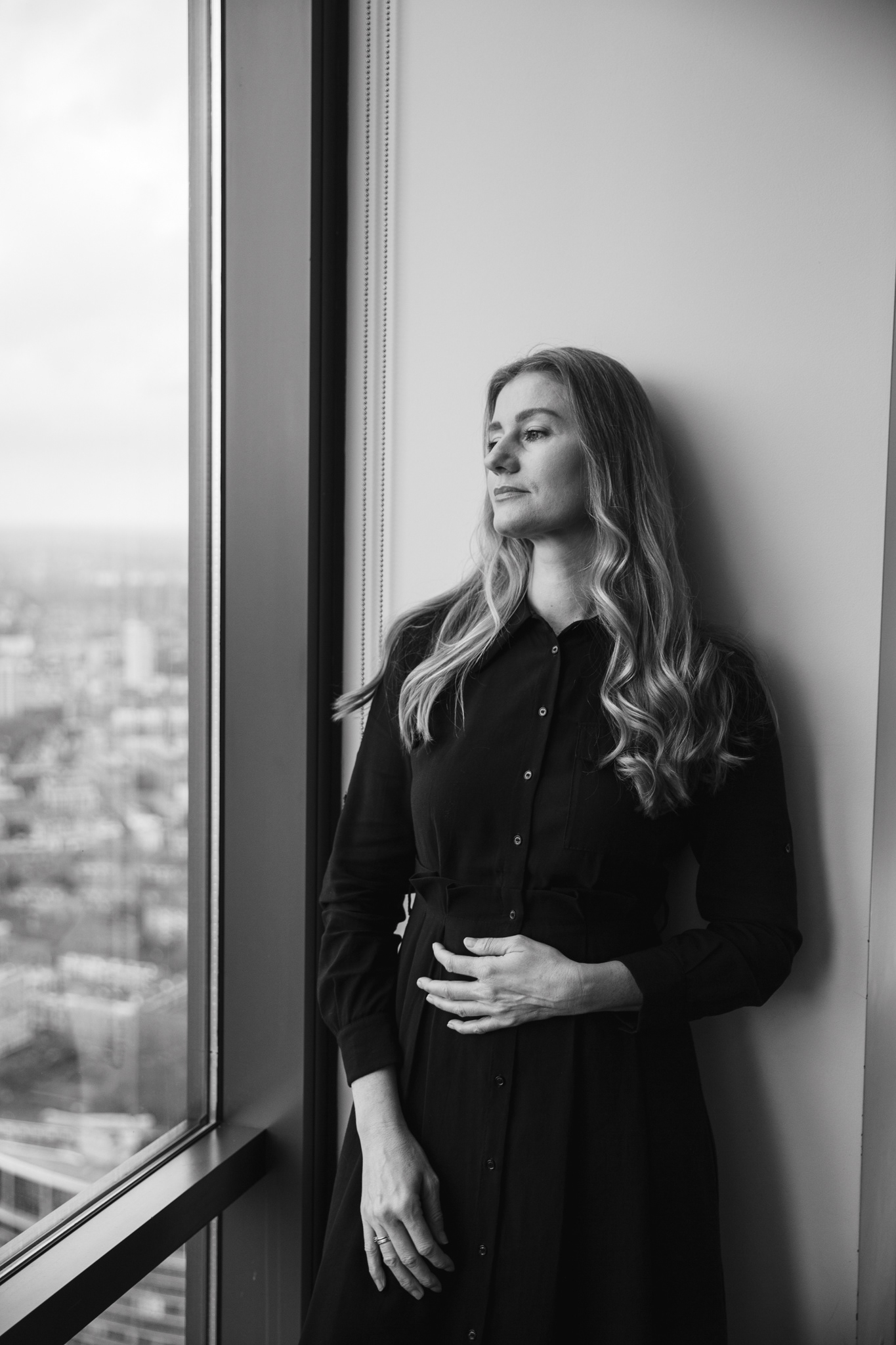
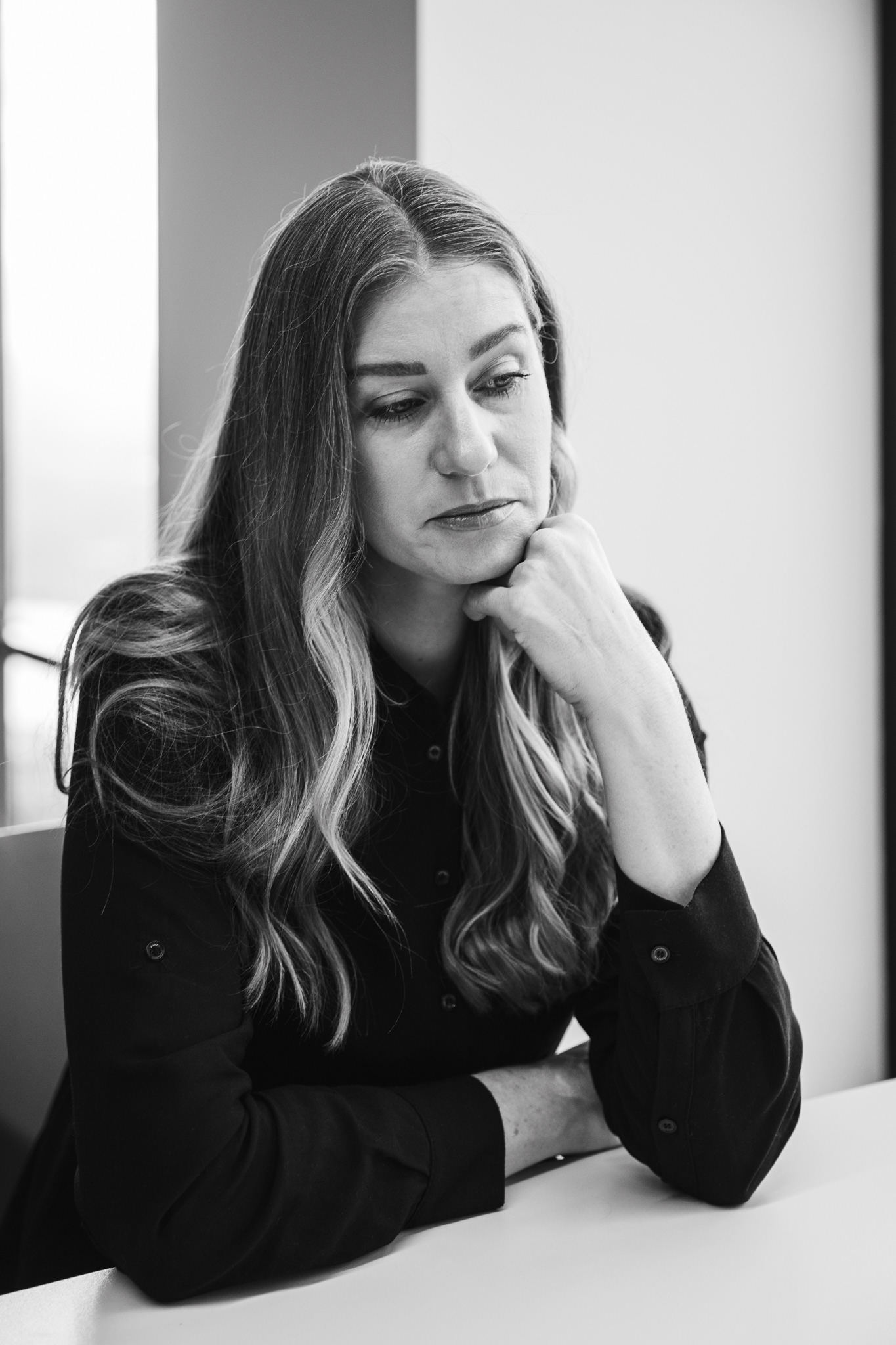
The London Front. The Battle for the Licence
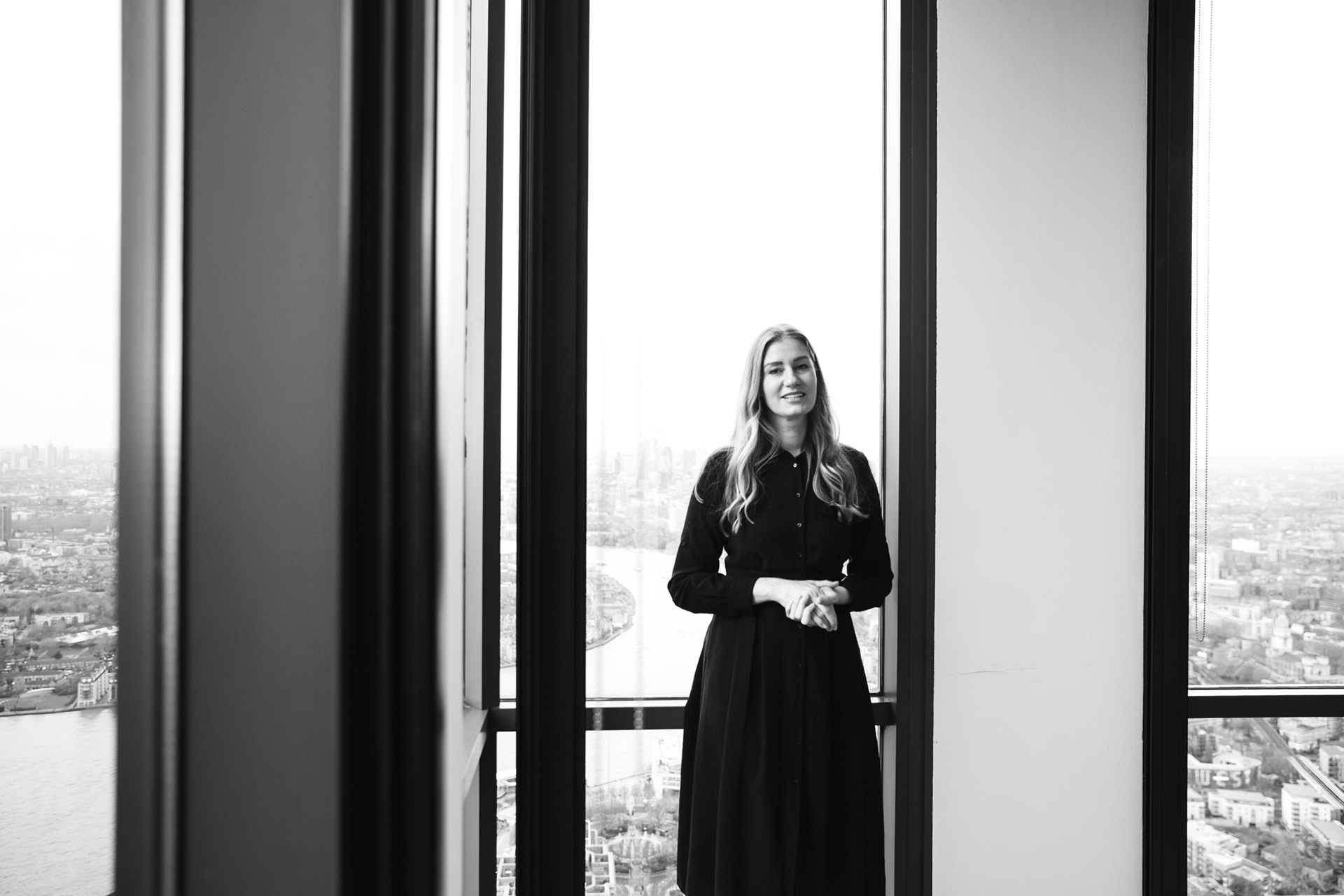
Moving to Britain was not an escape for Svitlana, but a new mission. She realised: if any part of Ukraine's economy is to survive, it must export. She decided to bring Ukrainian wine to London—the most competitive and conservative market in the world.
Britain met her with bureaucratic frost.
"In business, the British are 'six-month' people. In Ukraine, everything is urgent: if we need a licence, we fight for it and get it in a week. Here, they told me: 'Wait 8 months.' I couldn't wait. I wrote to the embassy, I pushed everyone, I called every day. They told me: 'Sit down and calm down.' But I can't be calm when my stock is sitting in a warehouse in Ukraine under shelling. In the end, I got the licence in a month and a half. No one believed it could happen that fast."
The Theft. When a Piece of the Soul Vanishes
At the end of October 2024, Svitlana was at the peak of her professional pride. She had organised a complex logistical feat—a consolidated lorry containing wine from six different Ukrainian producers, from Mykolaiv to Zakarpattia. She had calculated everything to the minute to arrive for the Christmas season.
The lorry left Zakarpattia, crossed the border, and reached Britain very quickly. The driver, a young Ukrainian lad, stopped for the night at a lorry park on the outskirts of London, just a hundred kilometres from the warehouse. It was two in the morning.
"They called me at eight am. 'Svitlana, the lorry’s been robbed.' I calmly had a shower, drank my coffee, and sat at my computer. No hysterics. Just a coldness in my chest. As it turned out, the driver was asleep in the cab. They likely pumped gas through the vents because he heard nothing. The CCTV showed a white van pulling up. The criminals slashed the curtain, saw the wine, and got to work. They didn't take the pallets. They unpacked them and hand-balled the boxes. Five hundred cases! Three thousand bottles in forty minutes."
It wasn't a random theft. The thieves knew what they were looking for. They stole the most high-demand stock: sparkling wine already reserved for orders.
"The most shocking thing was the reaction of the British police. They didn't even come out. The driver was standing by the slashed lorry, and over the phone, they asked: 'Are you physically hurt? No? Then register it online.' The next day, the case was closed with the phrasing: 'Insufficient evidence.' They sent me a letter: 'We are sorry for your loss. If you need a psychologist due to mental trauma, here is a helpline number.' It was such cynicism that, for the first time, I felt truly helpless before this system."
They shared the information on social media to alert the public. Three days later, a message appeared on Instagram. A Ukrainian in London had seen the post and wrote: "I bought a bottle of your wine today from a van at a car boot fair. The lads were selling them for £7."
"It wasn't the 20,000 Euros that hurt. It was the hurt for the winemakers. I know how hard they all work under the conditions of a great war, how important the recognition of their product is to them, how vital it is for me to show what Ukraine is capable of… And then someone just takes that labour and sells it on the black market for pennies. It was like a spit in the face of all Ukraine."
The Autonomous Unit. The 'Strong Woman' Syndrome
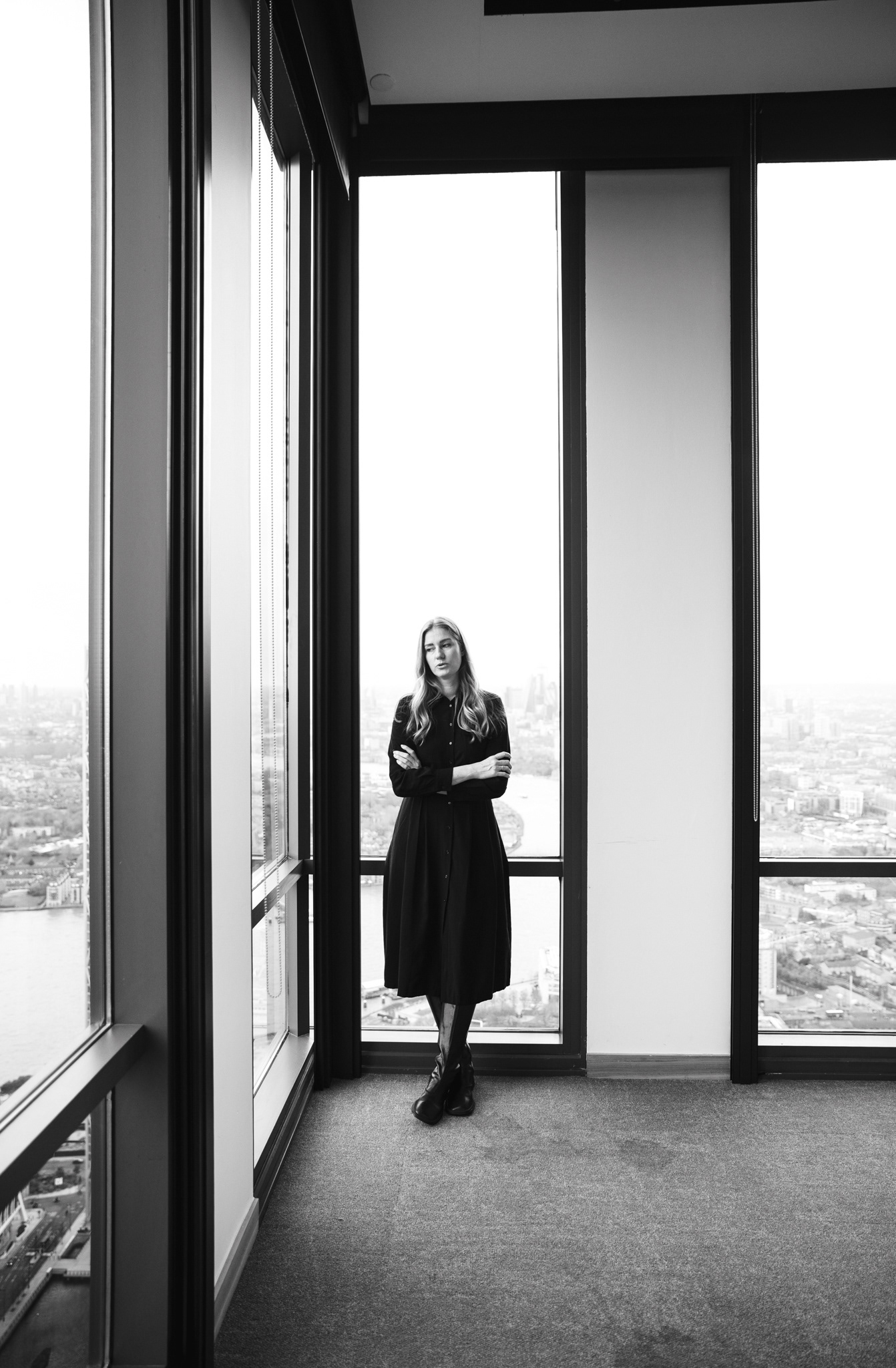
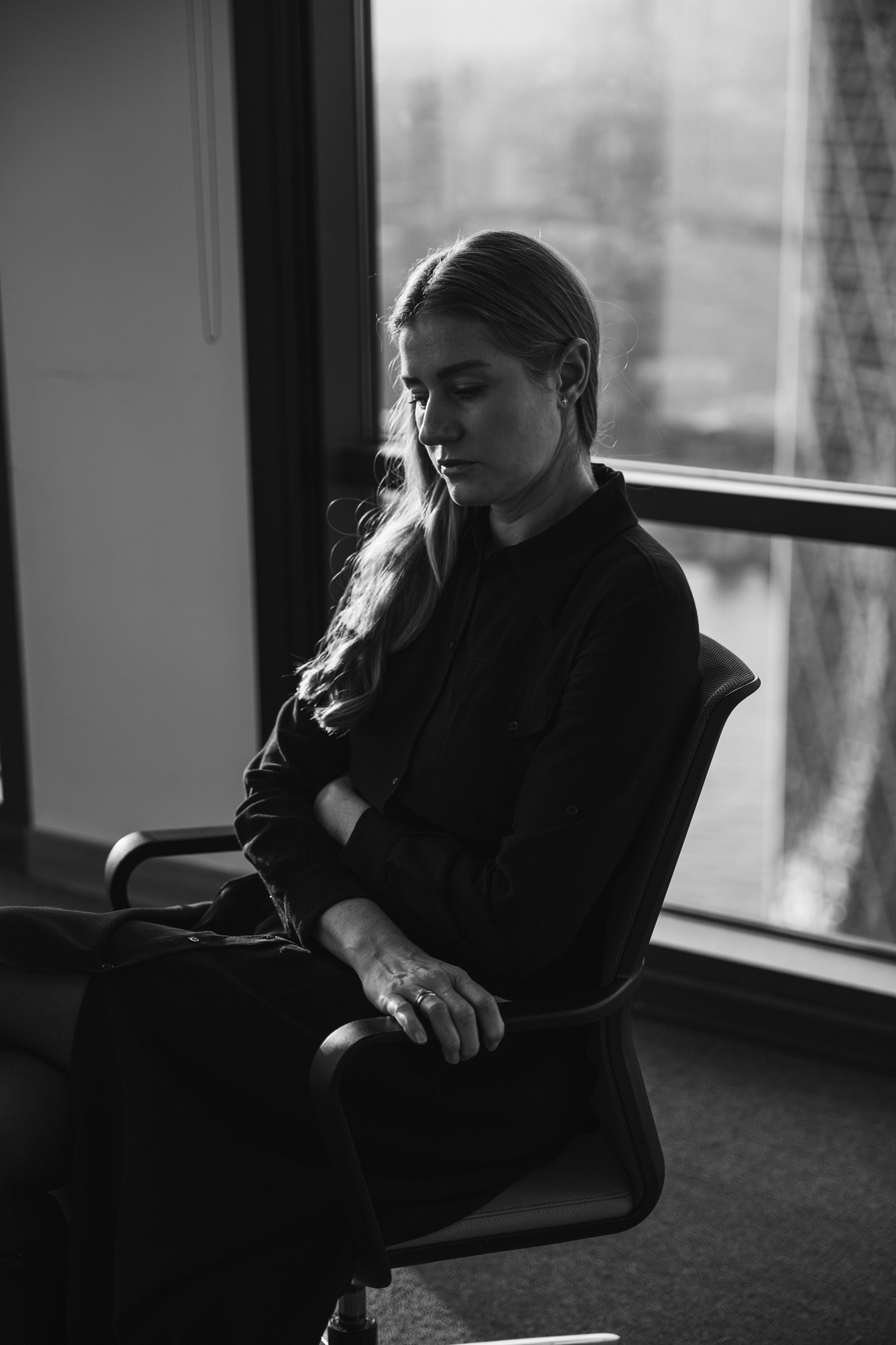
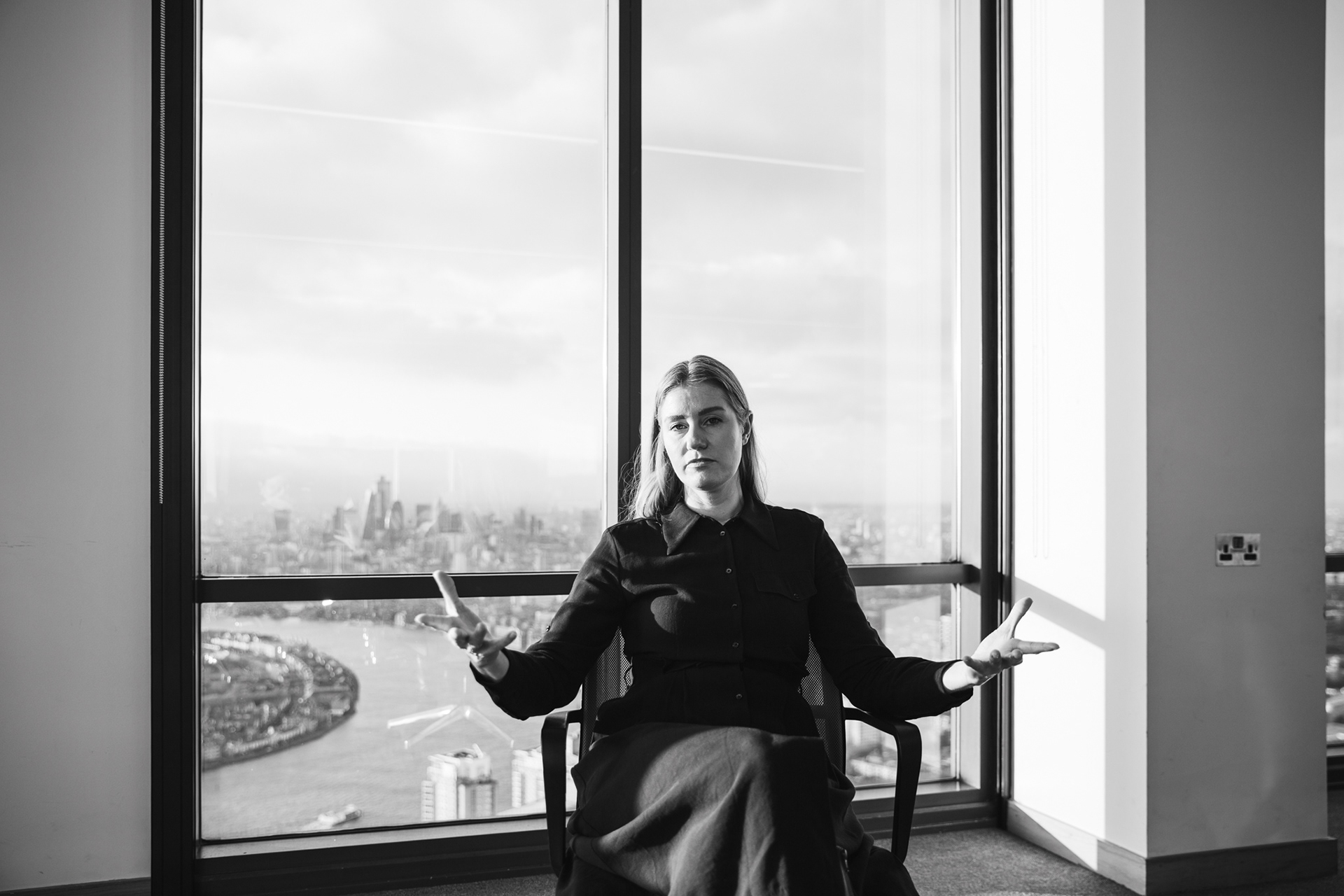
Svitlana today is the embodiment of the new Ukrainian woman, one who has atrophied the need for help. She runs an international business, repairs her own washing machine in Kyiv, manages a winery in Ukraine, and promotes Ukrainian wines globally.
"My husband says to me over the phone: 'Ukrainian women are doing men's work so powerfully now that there will be no place left for us when we return.' We have become autonomous. I don’t want to burden him with my problems. I didn't tell him we’d been robbed until I found a solution myself. I don’t want him there, on the front line, worrying about my crates of wine. My job is to be his 'rear,' even if that rear is in London."
Svitlana admits she feels a burnout stretching back to 2021, but the war gave her a "second wind" through fury.
"I don't have the right to be weak. Every successful contract I sign here means income for the Ukrainian budget. It’s the ability to pay people's wages. When I go into British boutiques and they tell me, 'We’ll put you on hold,' I smile and think: 'You don't know who you're dealing with. I will wear you down.' I see no obstacles. If I could deliver body armour under shelling, I can certainly get Ukrainian wine onto the shelves of British retailers."
Five Lives in Three Years
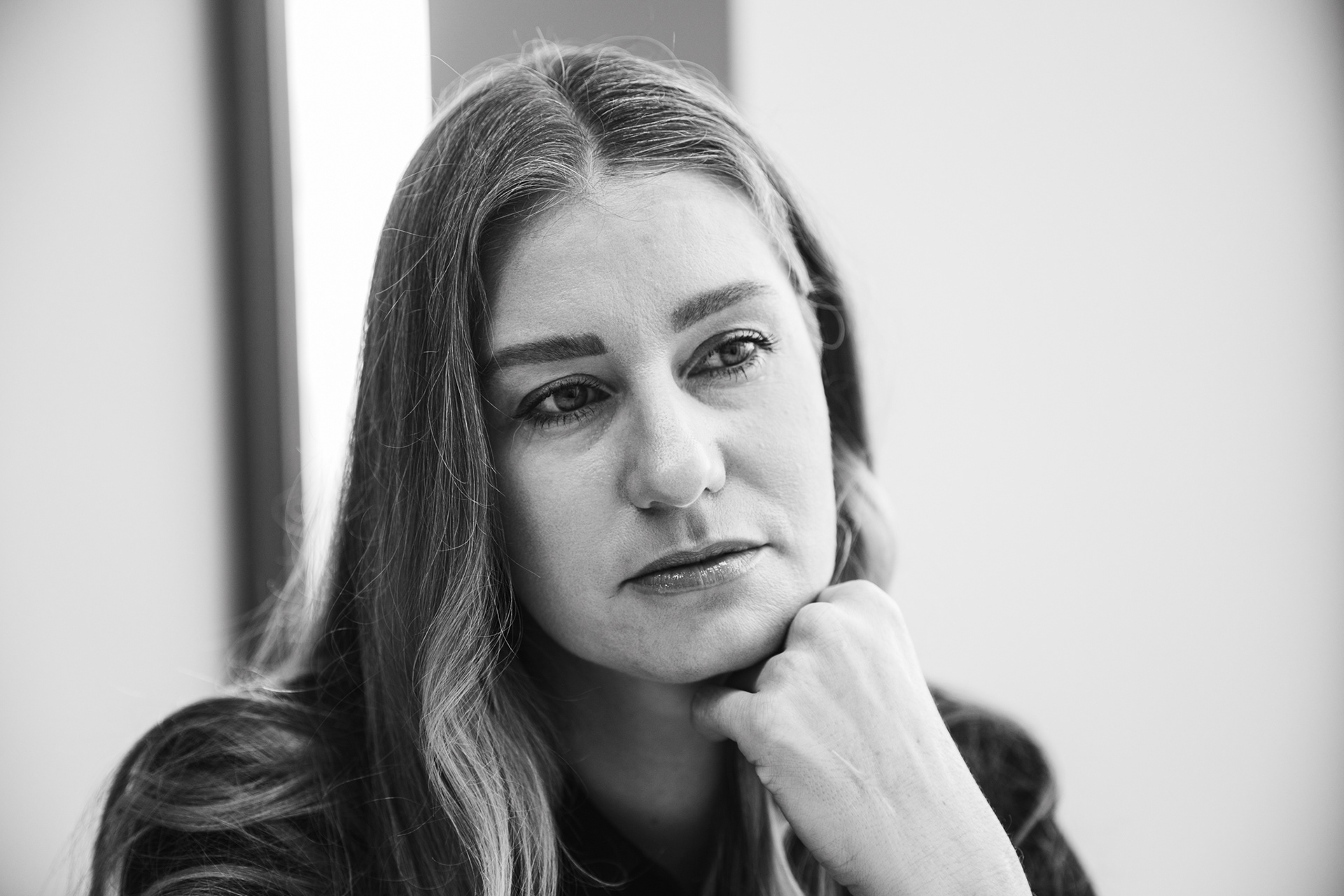
Svitlana believes they have lived five different lives in this time. The life before, the life in the cellar, the life of a volunteer, the life of separation, and the life of business. She is steel wrapped in the silk of professionalism.
"Podil is my place of strength. I always return there in my thoughts. But right now, my Podil is here, on the streets of London, where I fight for every sip of Ukrainian identity. We aren't just selling wine. We are selling our history, our blood, and our invincibility. And we will not stop."